
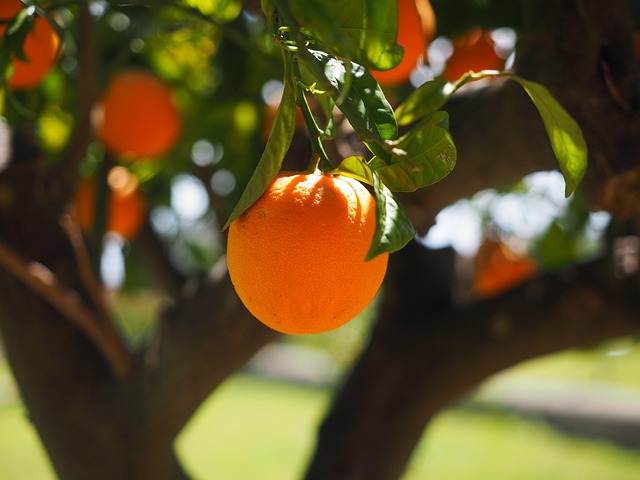
Fruit identification is a valuable but often overlooked method of recognising trees, especially when leaves or flowers are no longer present. For bonsai enthusiasts, fruit can provide clear visual clues about species, growth habits, and reproductive cycles before taking cuttings or collecting seeds.
As part of the Bonsarium series, this guide explores how fruit identification helps growers observe trees more accurately in the wild. By learning to recognise fruit types, shapes, and structures, bonsai practitioners gain another reliable layer of identification that supports responsible collection and long-term cultivation.
Table of Contents
Why Fruit Identification Matters in Bonsai
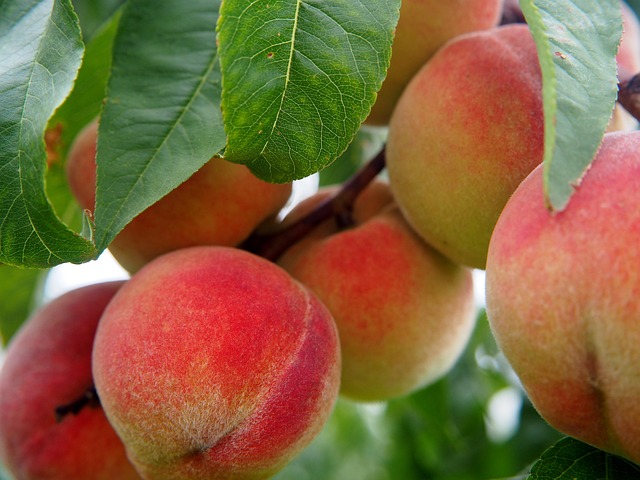
Fruit identification is particularly useful when trees are encountered outside of their flowering season. Many species produce distinctive berries or fruits that remain visible long after leaves have dropped.
When taking cuttings, knowing the fruit type helps confirm the tree’s identity before propagation begins. This reduces the risk of misidentification and ensures that the chosen species aligns with bonsai goals such as leaf size, growth rate, and seasonal interest.
Fruit also provides insight into a tree’s maturity and health, offering clues that foliage alone may not reveal.
Common Fruit Types Used in Identification
One of the first steps in fruit identification is understanding basic fruit categories. These groupings help narrow down potential families and genera.
Common fruit types include berries, drupes, pomes, capsules, and nut-like fruits. Berries often contain multiple seeds and appear in clusters, while drupes typically have a single hard stone. Pomaceous fruits feature a central core, and capsules split open to release seeds.
Recognising these categories allows fruit identification to move beyond surface appearance and into structural understanding.
Shape, Size, and Arrangement
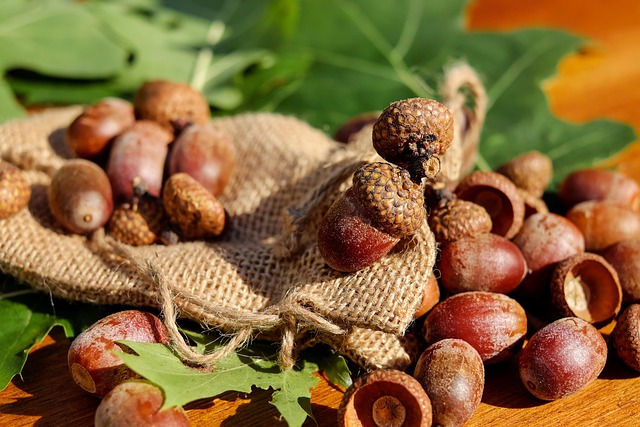
Shape and size play a key role in fruit identification. Some fruits are round, others elongated, flattened, or irregular. Size may range from tiny berries to larger, heavier fruits depending on species.
Arrangement also matters. Fruits may appear singly, in pairs, in tight clusters, or hanging from long stems. Observing how fruit is positioned on branches can help distinguish between otherwise similar trees.
In bonsai observation, these details are especially useful when multiple species grow in the same area.
Colour Changes and Ripening Stages
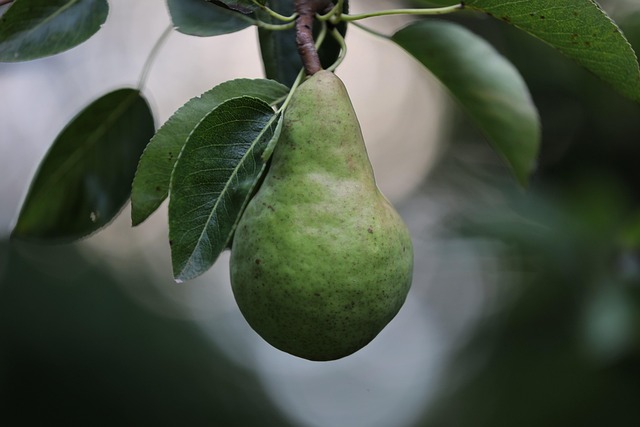
Fruit colour often changes as it matures, which is an important consideration in fruit identification. Immature fruit may appear green or pale, while ripe fruit often develops strong reds, blues, purples, yellows, or dark browns.
Some bonsai species display multiple colours at once, creating mottled or transitional appearances. Recording fruit at different ripening stages improves identification accuracy and provides a more complete reference.
Colour alone should not be relied upon, but it remains a strong supporting feature when combined with shape and structure.
Texture and Surface Features
Texture adds another layer to fruit identification. Some fruits have smooth, glossy skins, while others appear matte, rough, ribbed, or hairy.
Surface markings such as spots, ridges, seams, or waxy coatings can indicate specific species or families. In some cases, the way fruit splits or decays reveals additional identifying traits.
Close observation of texture is particularly useful when documenting fruit through photographs or sketches.
Using Fruit Identification Alongside Other Methods
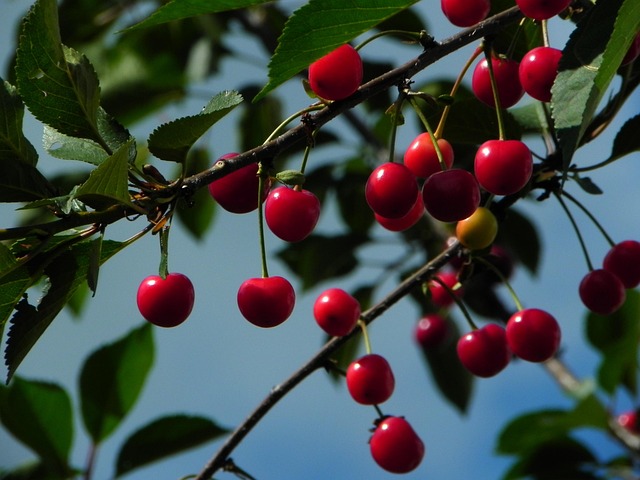
Fruit identification works best when used together with other identification methods. Leaves, bark, seeds, and seasonal behaviour all contribute to accurate conclusions.
In the Bonsarium approach, fruit identification helps confirm or narrow down observations rather than acting as the sole identifier. This layered method reflects how trees should be studied over time, not through a single feature.
Combining fruit identification with notes on location and season strengthens long-term understanding.
Recording Fruit for the Bonsarium
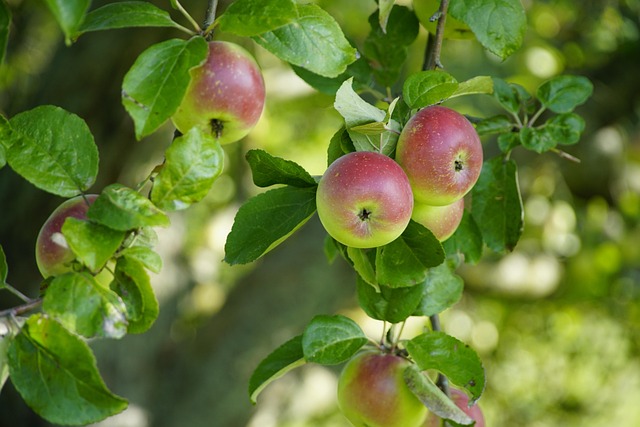
Unlike seeds, fruit cannot usually be preserved physically in a Bonsarium collection. Instead, careful documentation becomes essential.
Photographs taken from multiple angles, along with sketches and written notes, help capture key characteristics such as size, colour, and arrangement. Recording the date and location of observation adds further context.
These records allow fruit identification to remain useful long after the fruit itself has disappeared.
Understanding Fruit as Part of the Tree’s Story
Fruit identification is more than a technical exercise. It reveals how a tree reproduces, spreads, and interacts with its environment. For bonsai enthusiasts, this knowledge deepens respect for the tree before it ever enters training.
As part of the Bonsarium series, fruit identification completes another essential layer of tree observation. By learning to read fruit carefully, growers improve identification accuracy and make more informed decisions when collecting and cultivating trees.
Once we start exploring specific species, we will show you the fruit they bear for easy identification!