
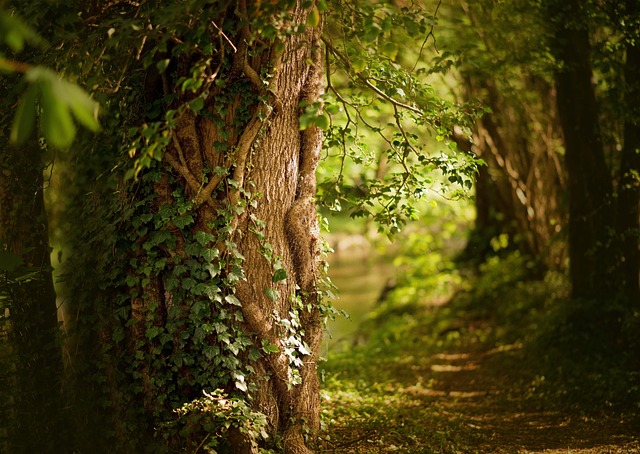
Bark identification is an often-overlooked but extremely valuable method of recognising trees, especially when leaves, flowers, and seeds are not present. For bonsai enthusiasts, bark provides long-term clues about species, age, and growth behaviour that remain visible throughout the year.
As part of the Bonsarium series, this guide focuses on how bark identification helps growers understand trees at every stage of development. By learning to observe texture, colour, pattern, and change over time, bonsai practitioners gain another reliable tool for accurate identification.
Table of Contents
Why Bark Identification Matters in Bonsai
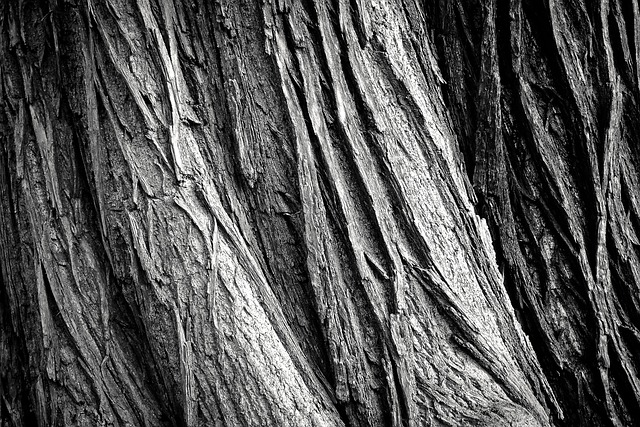
Bark identification becomes increasingly important as a bonsai matures. While young trees often have smooth, similar-looking bark, older specimens begin to develop distinctive characteristics that set species apart.
In bonsai cultivation, bark can indicate whether a tree is ageing naturally, responding well to training, or experiencing stress. Cracking, peeling, and texture changes often reveal more about a tree’s health and identity than foliage alone.
Because bark remains visible year-round, bark identification is especially useful during winter or dormancy when other identifying features disappear.
Common Bark Textures and What They Reveal
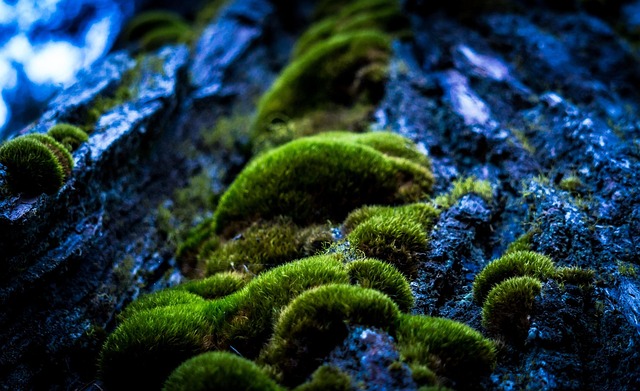
Texture is one of the first things to observe when practising bark identification. Different species develop characteristic surface patterns as they age.
Smooth bark is common in young trees and certain species such as beech or hornbeam. As trees mature, bark may become fissured, ridged, flaky, or deeply furrowed. These patterns often follow predictable family traits.
Peeling bark, seen in species like birch or plane trees, provides a strong identification clue. Observing how bark separates, curls, or sheds is central to accurate bark identification.
Bark Colour and Surface Tone
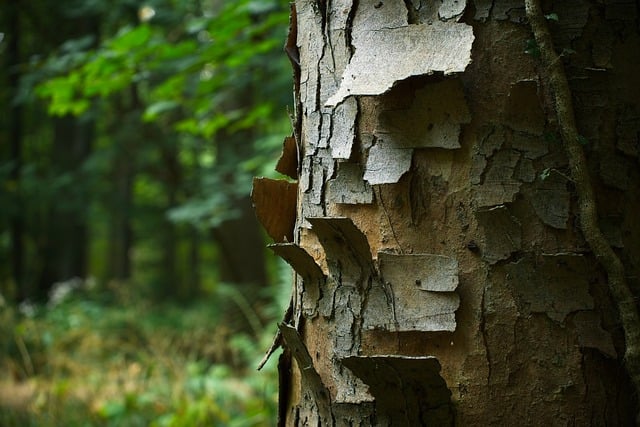
Colour plays a supporting role in bark identification. While lighting and moisture can alter appearance, many species maintain consistent bark tones over time.
Some trees develop pale grey or silver bark, while others darken to deep browns, reds, or almost black. Certain species display mottled or patchy colouring, especially as bark ages and sheds.
It is important to observe bark colour across different seasons, as rain, sun exposure, and age can influence tone without changing the underlying identifying features.
Bark Patterns and Growth Direction
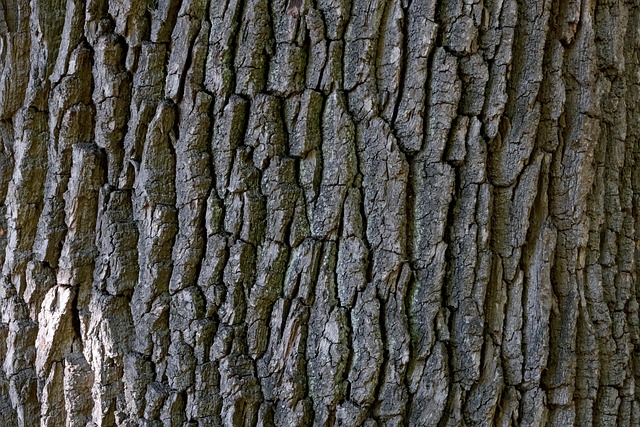
Bark identification also involves studying how bonsai bark forms along the trunk and branches. Vertical ridges, horizontal bands, diamond-shaped fissures, or irregular cracking patterns often point toward specific genera.
In bonsai, branch bark may differ from trunk bark, especially on younger growth. Comparing these areas helps refine identification rather than relying on a single surface.
Patterns tend to become more pronounced with age, making bark identification increasingly reliable as a tree develops.
Young Bark vs Mature Bark
One of the challenges of bark identification is understanding how bark changes over time. Many species look nearly identical when young but become clearly distinguishable as they mature.
Young bark is usually smoother, thinner, and lighter in colour. Mature bark thickens, hardens, and develops protective features that vary by species.
For bonsai growers, recognising these transitions helps avoid misidentification during early stages while setting expectations for how the tree will age visually.
Using Bark Identification Alongside Other Methods
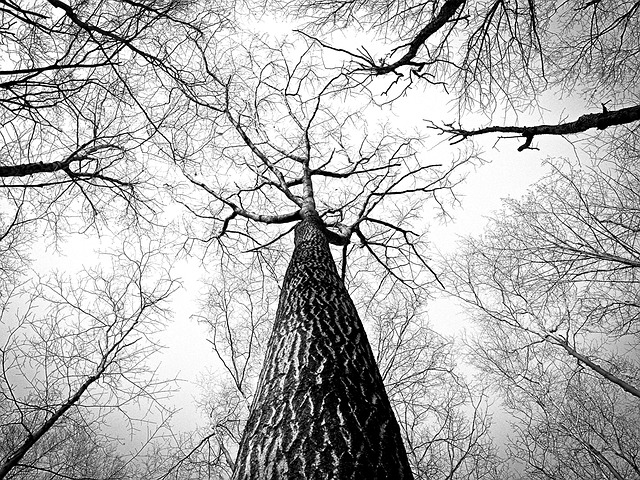
Bark identification works best when combined with other identification methods. Leaves, seeds, buds, and seasonal behaviour all contribute to a complete picture.
In the Bonsarium approach, bark identification is treated as one layer in a broader system. It helps narrow down possibilities and confirm observations made through other characteristics.
Relying on bark alone is rarely enough for full species confirmation, but it is one of the strongest supporting indicators available.
Recording Bark Characteristics for Bonsai Reference
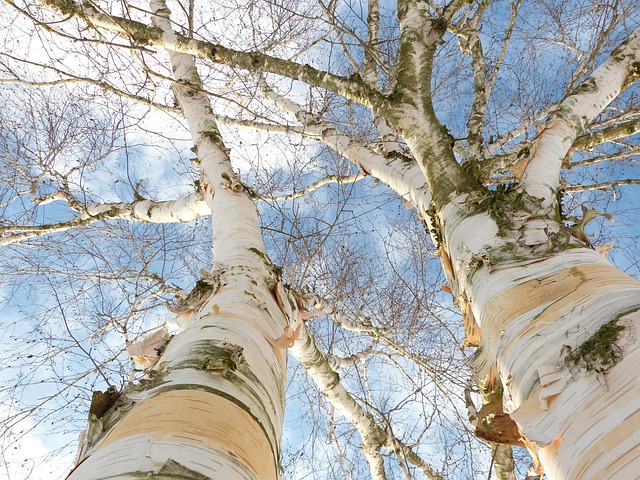
Keeping records improves bark identification accuracy over time. Photographing trunks and branches at different stages helps track changes and build familiarity with specific species.
Notes on texture, colour shifts, and pattern development become valuable references as your bonsai collection grows. Over time, this practice trains the eye to recognise subtle differences more quickly.
For long-term bonsai projects, bark records often become just as important as wiring diagrams or styling plans.
Understanding Bark as a Living Feature
Bark identification is not only about recognising species. It is about understanding bark as a living, evolving feature that reflects a tree’s history, health, and environment.
For bonsai enthusiasts, learning identification deepens appreciation for ageing, character, and natural beauty. It reinforces the idea that bonsai is not just about shape, but about time, patience, and observation.
As part of the Bonsarium series, bark identification completes another essential chapter in learning to truly read and understand trees. As we explore different bonsai species in the future, we will deal with their specific barks!