
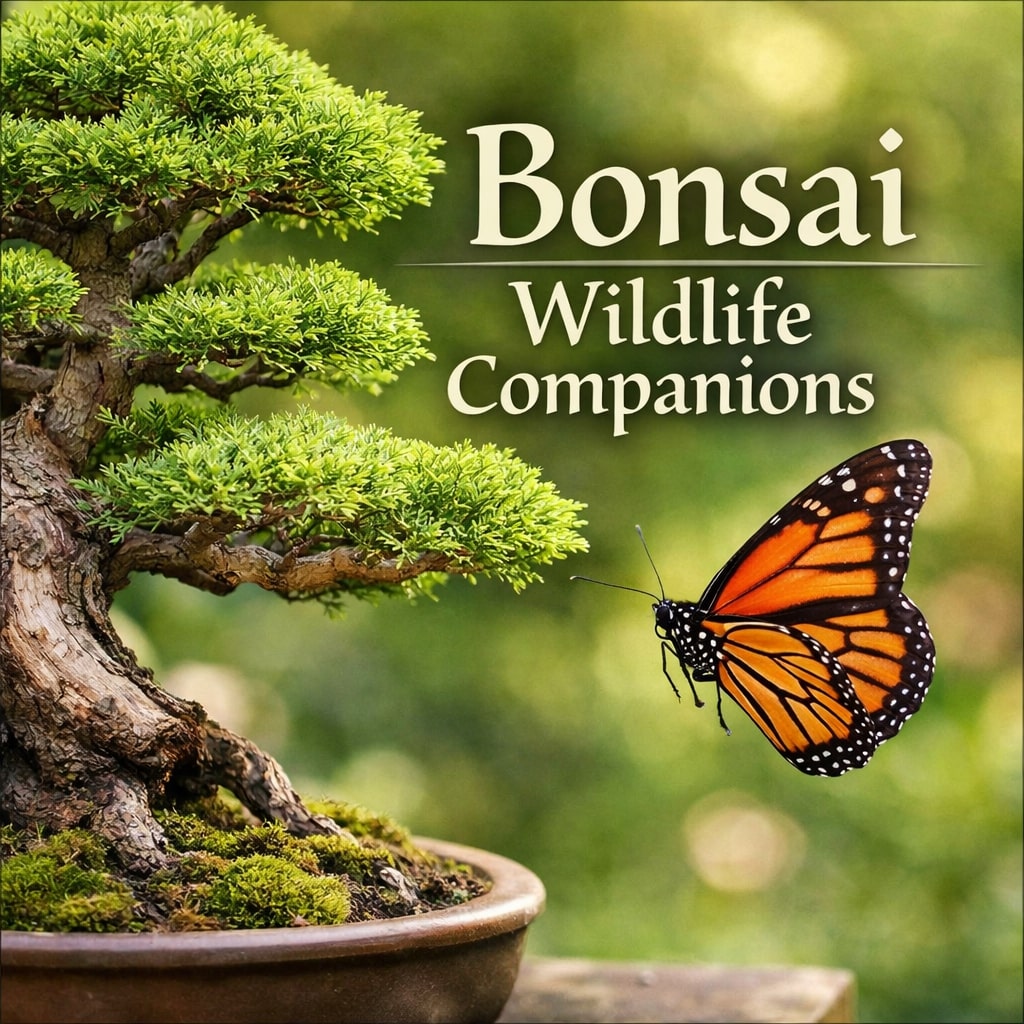
Bonsai are often seen as solitary artworks, carefully shaped and displayed in isolation. In reality, healthy bonsai thrive as part of a wider, living system. Bonsai wildlife companions play an important role in supporting tree health, soil balance, and long-term vitality, especially for outdoor bonsai collections.
From insects and birds to small reptiles and beneficial microorganisms, wildlife can become natural allies rather than unwanted intruders.
What are bonsai wildlife companions?
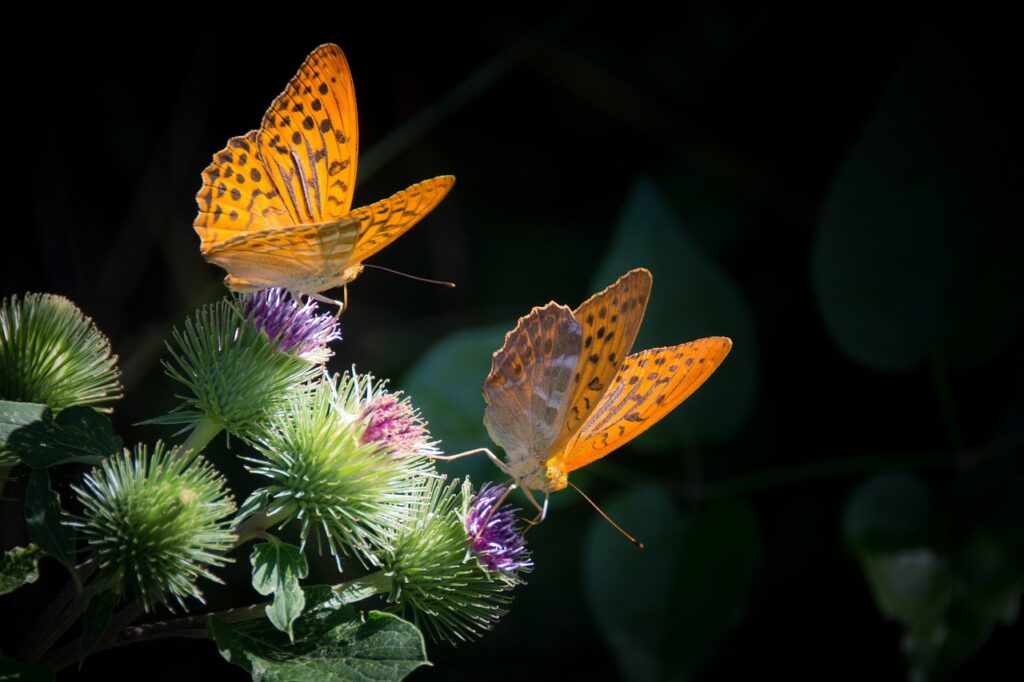
Bonsai wildlife companions are animals and insects that interact positively with your bonsai environment. They may assist with pollination, pest control, soil aeration, or simply indicate a healthy, balanced growing space.
Unlike pests that cause damage, these companions coexist with bonsai and contribute to a more resilient mini-ecosystem.
Beneficial insects in bonsai gardens
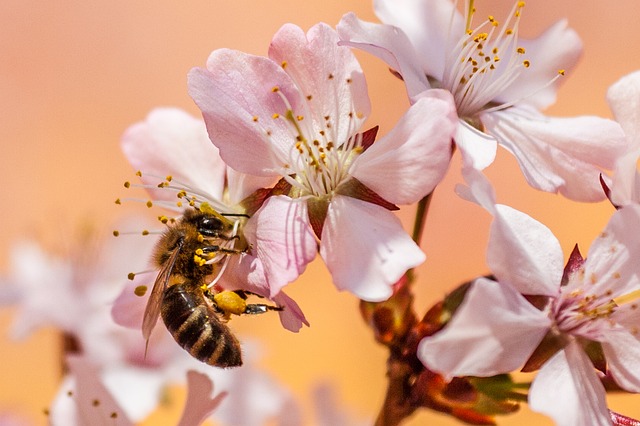
Insects are often the first wildlife companions to appear around bonsai. Many are highly beneficial.
Common bonsai wildlife companions include:
- Bees and butterflies, which support flowering companions and nearby plants
- Ladybirds and Praying Mantis, which help control aphids and soft-bodied pests
- Spiders, which naturally reduce flying insect populations
- Ground beetles, which assist with soil health and pest balance
A bonsai area rich in insect life is usually a sign of healthy soil and stable growing conditions.
Birds as natural partners
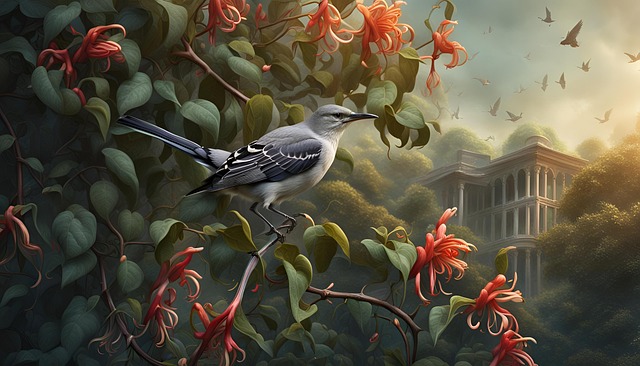
Birds are excellent bonsai wildlife companions, particularly in outdoor settings. They help manage insect populations and bring life and movement into the garden space.
Small birds may also assist by:
- Removing caterpillars and larvae
- Reducing mosquito populations
- Indicating seasonal changes through behaviour
Providing shallow water dishes or nearby perching areas encourages birds without disturbing the bonsai themselves.
Reptiles, amphibians, and soil allies
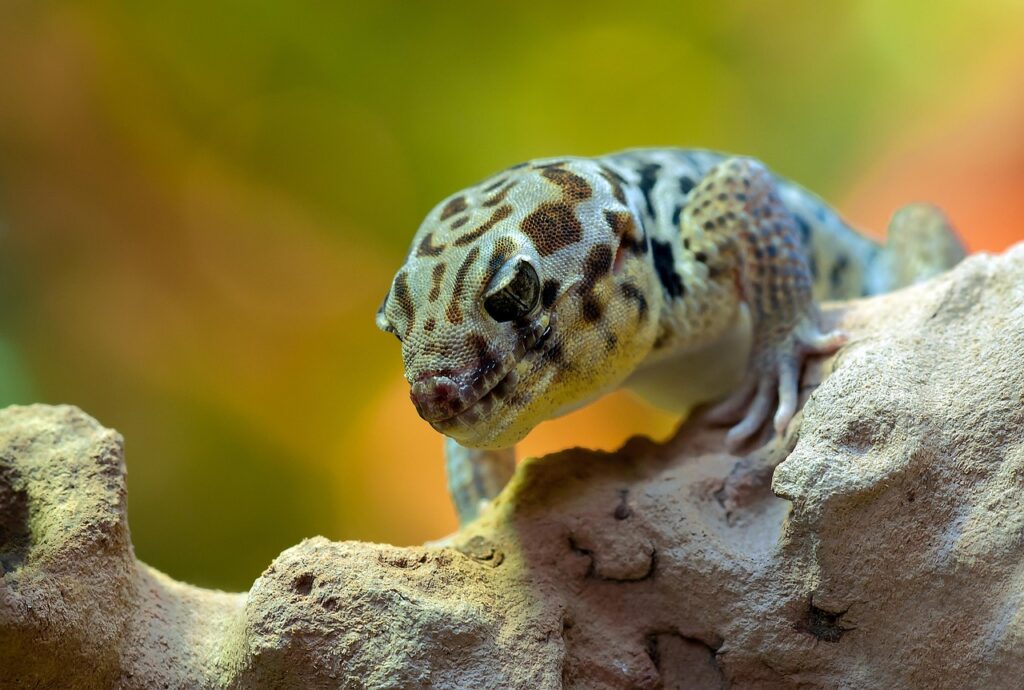
In warmer climates, small reptiles and amphibians often appear naturally around bonsai collections. Lizards, frogs, and even geckos feed on insects that could otherwise become problematic.
Below the surface, earthworms and microorganisms play a critical role. They improve drainage, break down organic matter, and help maintain healthy root environments when present in surrounding soil beds or companion plant areas.
Creating a wildlife-friendly bonsai space
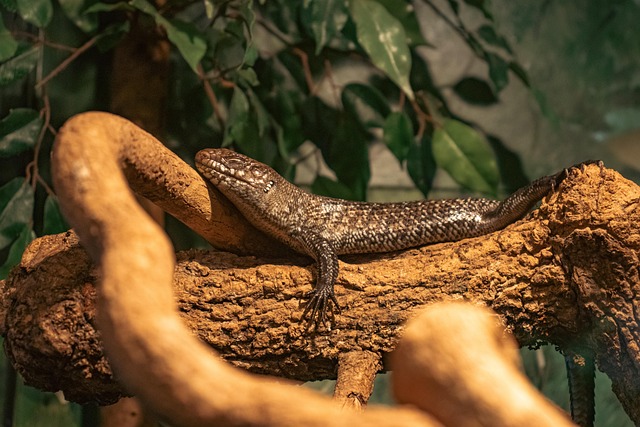
Encouraging bonsai wildlife companions does not mean sacrificing control. A balanced approach works best.
Simple ways to support wildlife include:
- Avoiding harsh chemical pesticides
- Planting companion flowers or herbs nearby
- Providing clean water sources
- Allowing some natural ground cover in garden areas
The goal is not to invite everything, but to support beneficial species that contribute to stability.
When wildlife becomes a problem
Not all wildlife interactions are positive. Certain insects, rodents, or birds may cause damage if left unchecked. Regular observation is key. Healthy bonsai environments naturally balance themselves, but intervention may be necessary when that balance is disrupted.
Understanding the difference between harmful pests and helpful companions allows for informed, minimal intervention rather than reactive control.
Why bonsai wildlife companions matter
Bonsai are living trees, not static ornaments. When they exist within a healthy ecosystem, they grow stronger, adapt better to seasonal changes, and require fewer artificial inputs.
Bonsai wildlife companions remind us that even the smallest trees are part of a larger natural web. By working with nature instead of against it, bonsai growers create collections that are not only beautiful, but alive in every sense.