
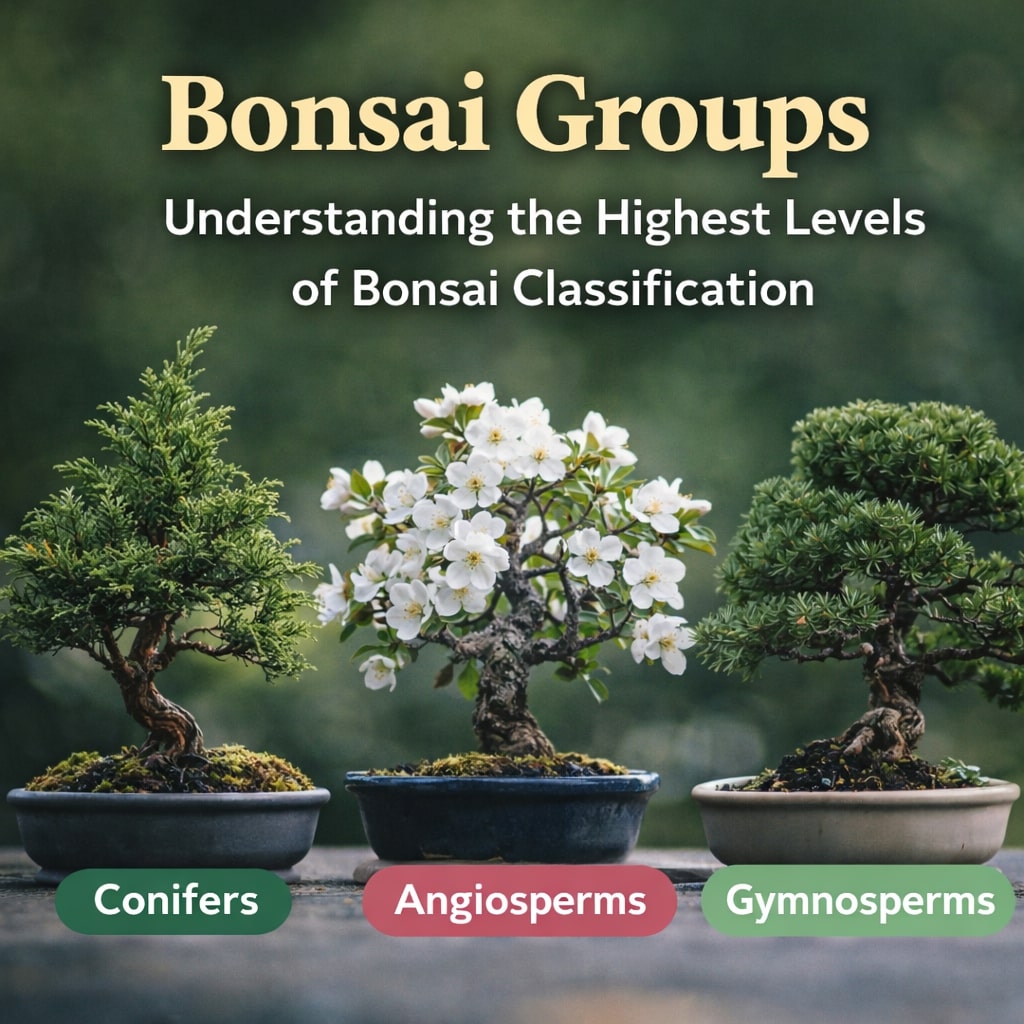
Bonsai tree groups represent the highest and most fundamental level of classification used to organise trees suitable for bonsai cultivation. Before a tree is identified by family, genus, or species, it is first understood through broad biological groupings that reflect its evolutionary history, internal structure, and method of reproduction.
Understanding bonsai tree groups provides essential context for why different trees behave the way they do. These groupings explain deep-rooted differences in growth patterns, foliage type, seasonal cycles, and long-term development. Rather than focusing on individual tree care, bonsai tree groups describe the biological framework that all finer classifications are built upon.
This article explores how bonsai tree groups are defined, the scientific methods used to group them, and why this level of classification matters for both education and practical bonsai cultivation.
What are bonsai tree groups?
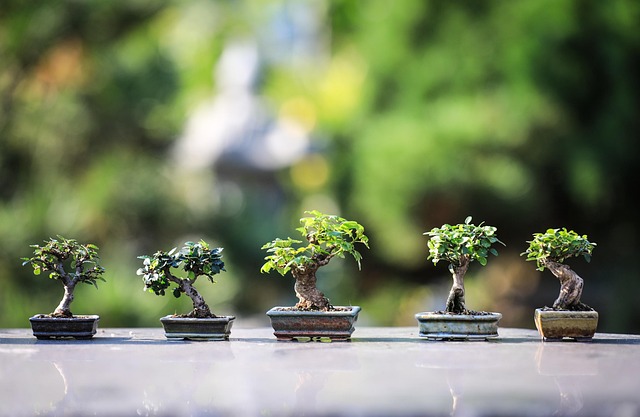
Bonsai tree groups are broad botanical classifications that sit above families in the taxonomic hierarchy. They are derived from formal plant taxonomy and adapted for bonsai use to describe trees that share major evolutionary and structural traits.
At this level, trees are not grouped by appearance alone, but by:
- Vascular structure
- Reproductive method
- Seed formation
- Evolutionary lineage
Because these traits are deeply embedded in a tree’s biology, bonsai tree groups define the most consistent and predictable differences between tree types.
For example, coniferous trees behave fundamentally differently from flowering trees because they belong to entirely different biological groupings, long before family or species is considered.
The scientific hierarchy behind bonsai tree groups
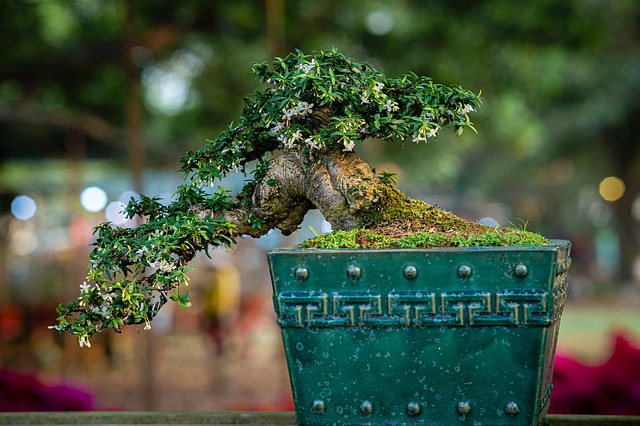
Modern bonsai groups are based on the same taxonomic framework used in botany and biology. This hierarchy moves from the broadest classification to the most specific.
At the highest levels, trees are grouped by kingdom and major evolutionary divisions. A simplified example of how a coniferous bonsai tree is classified looks like this:
- Kingdom: Plantae
- Clade: Tracheophytes (vascular plants)
- Clade: Gymnospermae (naked seed plants)
- Division: Pinophyta
- Class: Pinopsida
- Order: Cupressales
Only after these groupings do we arrive at families, genera, and species.
This structure explains why bonsai tree groups are not arbitrary or stylistic categories, but reflections of deep biological relationships.
Methods used to group bonsai trees
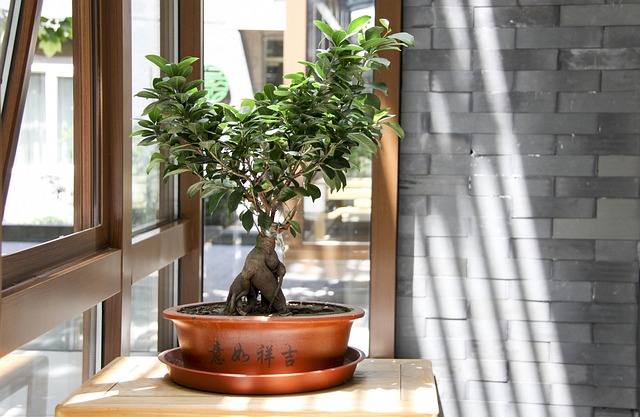
Bonsai tree groups are defined using multiple scientific methods rather than a single characteristic. Botanists and taxonomists consider a combination of physical, reproductive, and genetic factors.
Vascular structure
One of the most important distinctions in bonsai tree groups is whether a tree is a vascular plant and how its internal transport system is organised. Vascular plants transport water and nutrients through specialised tissues, which directly affects growth speed, branching, and root behaviour.
Seed and reproduction type
Bonsai tree groups are strongly influenced by how trees reproduce. Some trees produce seeds enclosed in fruit or flowers, while others produce exposed seeds in cones. This distinction forms one of the most fundamental group boundaries in plant classification.
Evolutionary lineage
Modern taxonomy relies heavily on evolutionary relationships. Trees are grouped according to shared ancestry rather than surface-level similarity. This explains why some trees that look different may belong to the same group, while others that appear similar do not.
Growth and structural traits
Although not the primary driver, long-term structural traits such as wood formation, foliage type, and branching architecture support group classification. These traits tend to be consistent within a bonsai tree group.
Major bonsai tree groups used in classification
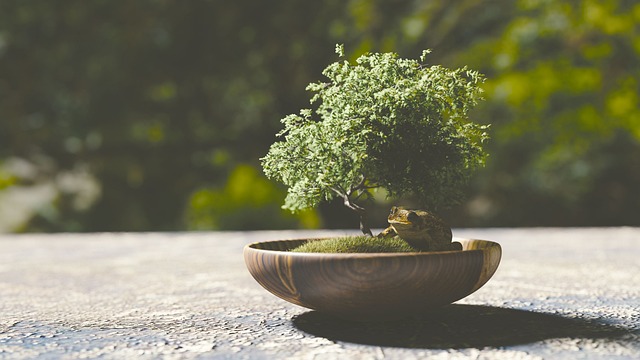
While taxonomy includes many layers, bonsai cultivation typically references a smaller number of practical high-level groups that are meaningful to growers.
Gymnosperms
Gymnosperms are trees that produce seeds without enclosing them in fruit. Most coniferous bonsai trees fall into this group. These trees tend to have needle-like or scale-like foliage, evergreen habits, and strong apical dominance.
Angiosperms
Angiosperms are flowering plants that produce seeds enclosed within fruit. This group includes most deciduous, flowering, and fruiting bonsai trees. Angiosperms often display broader leaves, seasonal flowering, and more varied growth habits.
Tracheophytes
All trees used in bonsai belong to the broader group of vascular plants known as tracheophytes. This group distinction explains why mosses and non-woody plants are treated differently from trees in bonsai practice.
These bonsai tree groups establish the biological context before any finer distinctions are made.
Why bonsai tree groups matter in bonsai cultivation
Understanding bonsai tree groups is not just academic. These groupings explain many of the most important differences in bonsai care and behaviour.
Bonsai tree groups influence:
- Evergreen versus deciduous behaviour
- Seasonal dormancy patterns
- Root growth tendencies
- Response to pruning and wiring
- Long-term structural development
A juniper bonsai behaves differently from a maple bonsai not because of minor species traits, but because they belong to fundamentally different bonsai tree groups with distinct evolutionary histories.
When growers understand these group-level differences, they make fewer mistakes and develop stronger intuition across their entire collection.
Bonsai tree groups as the foundation of taxonomy
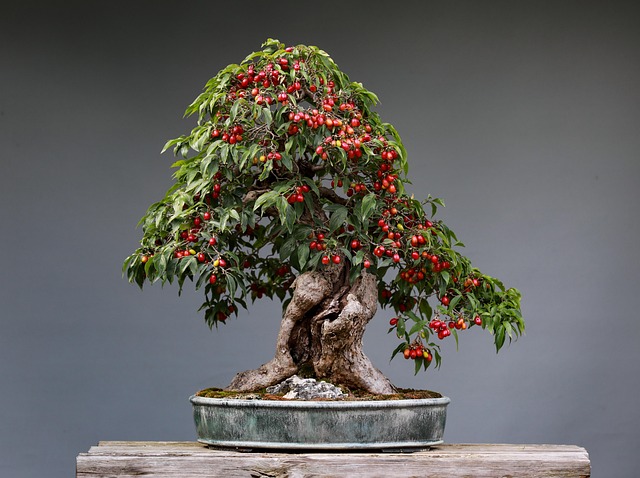
Bonsai tree groups form the top layer of the bonsai taxonomy system. Every lower classification depends on them.
The full taxonomy flow moves from:
By starting at the group level, growers gain a structured understanding that makes all later classifications easier to learn and apply. This top-down approach mirrors how professional horticulturists and botanists think about plants.
Using bonsai tree groups to navigate deeper learning
Once bonsai tree groups are understood, learning becomes cumulative rather than fragmented. New trees can be understood in context instead of memorised individually.
This is why bonsai tree groups are the ideal starting point for anyone serious about bonsai education. They provide clarity, reduce confusion, and explain why trees differ long before care sheets are consulted.