
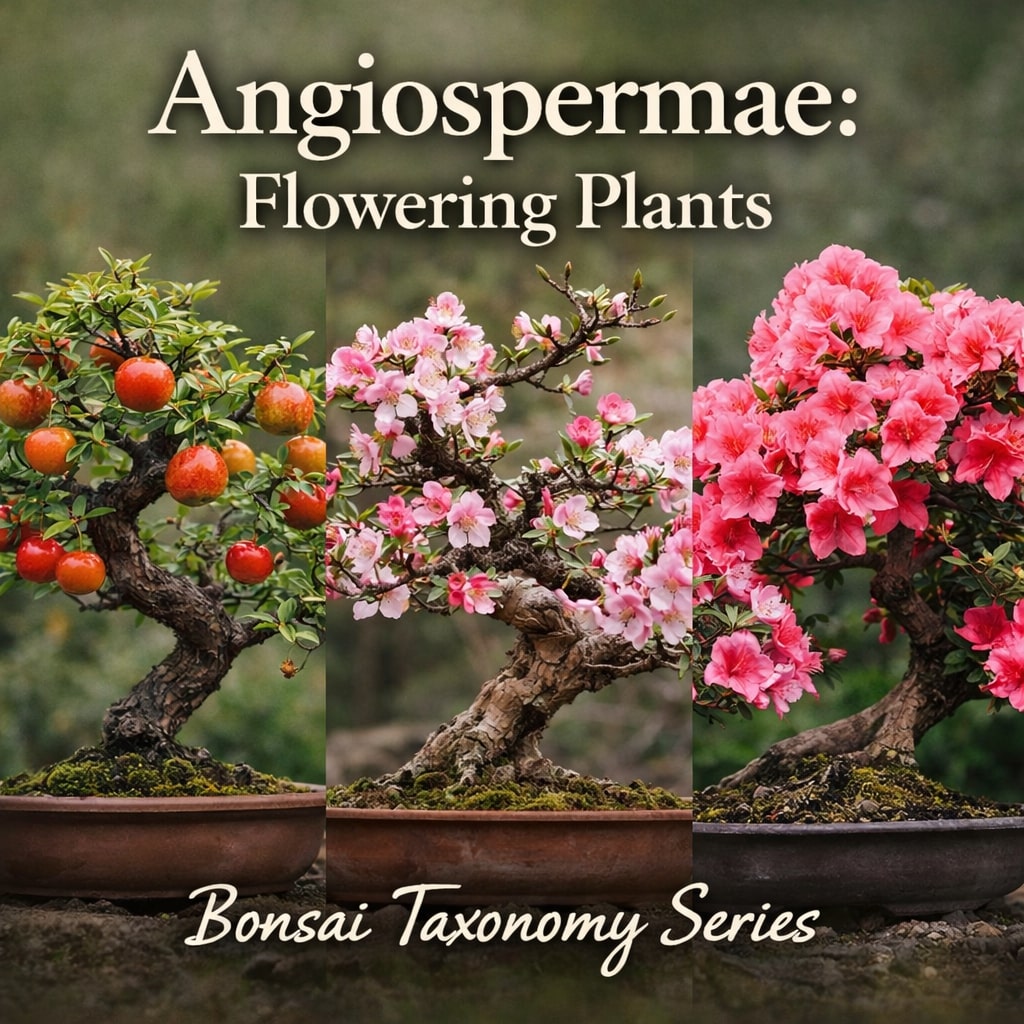
Angiospermae are flowering plants whose seeds develop enclosed within fruit, a key distinction that separates them from naked seed plants. This enclosed seed structure influences how these plants grow, reproduce, and respond to care, making Angiospermae especially important in bonsai for their flowers, fruit, seasonal colour, and faster refinement potential.
Many popular bonsai trees belong to the Angiospermae group, including maples, elms, figs, azaleas, olives, cherries, and fruiting species such as apple and pomegranate. Unlike Gymnospermae, Angiospermae invest significant energy into flowering and seed production, which affects pruning cycles, fertilisation, and overall styling decisions in bonsai cultivation.
Understanding Angiospermae helps bonsai growers work with seasonal change rather than against it. From spring blossoms and summer foliage to autumn colour and winter silhouettes, flowering plants bring rhythm and variety to bonsai collections. By learning how enclosed seed plants differ biologically and horticulturally, growers can make informed choices about species selection, care techniques, and long-term bonsai goals.
This guide explores Angiospermae through a bonsai-first lens, focusing on taxonomy, characteristics, care principles, and why flowering plants play an essential role alongside conifers in bonsai traditions.
Table of Contents
Taxonomy
– Kingdom: Plantae (Plant Kingdom)
— Clade: Embryophytes (Land Plants)
— Clade: Polysporangiophytes (Multiple Sporangia)
—- Clade: Tracheophytes (Vascular Plants)
—– Superdivision: Spermatophytes (Seed Plants)
—— Clade: Angiospermae (Flowering Plants)
What are Angiospermae?
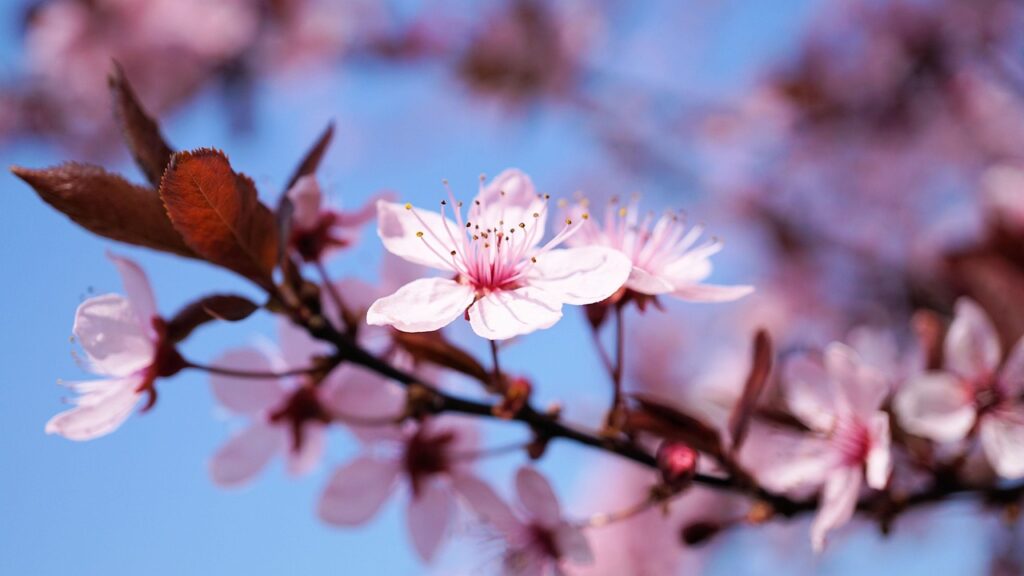
Angiospermae are flowering plants, a vast and diverse group of seed-producing plants whose defining feature is the production of flowers and fruit. In Angiospermae, seeds develop enclosed within an ovary, which later becomes a fruit. This enclosed seed structure is what separates flowering plants from Gymnospermae, which produce naked seeds.
Flowering plants make up the largest group of land plants on Earth. They include trees, shrubs, vines, grasses, aquatic plants, and herbaceous species. In bonsai, Angiospermae are especially valued for their ability to produce flowers, fruit, and seasonal colour, adding visual interest beyond structure alone.
From a biological perspective, Angiospermae evolved specialised reproductive structures that rely on flowers to attract pollinators such as insects, birds, or wind. This efficient reproduction strategy allowed flowering plants to diversify rapidly and occupy almost every habitat on the planet. Today, flowering plants dominate most terrestrial ecosystems and play a central role in agriculture, ecosystems, and horticulture.
In bonsai cultivation, Angiospermae behave differently from conifers and other naked seed plants. Flowering plants tend to grow faster, back-bud more readily, and respond well to pruning. However, their energy demands are higher due to flowering and fruiting cycles, which must be managed carefully through pruning, fertilisation, and seasonal care.
Understanding what Angiospermae are helps bonsai growers recognise why flowering plants require different techniques and expectations. By working with their natural growth patterns and reproductive cycles, bonsai artists can use Angiospermae to express elegance, seasonal rhythm, and refinement alongside the timeless structure of Gymnospermae.
What does “enclosed seed” mean in Angiospermae?
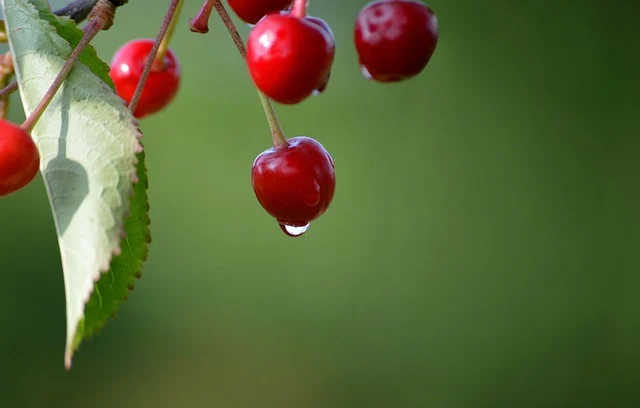
In Angiospermae, the term enclosed seed refers to the way seeds develop inside a protective structure rather than being exposed. In flowering plants, the ovules are enclosed within a carpel, which forms part of the flower. After fertilisation, this structure develops into a fruit that completely surrounds and protects the seeds.
This enclosed seed system is one of the defining features of Angiospermae and is the reason flowering plants produce fruit. The fruit may be fleshy, dry, soft, or hard, but its purpose is always the same: to protect the developing seeds and assist with their dispersal. This is fundamentally different from naked seed plants, where seeds remain exposed on cones or scales.
For bonsai growers, enclosed seed development has important practical implications. Flowering plants invest significant energy into producing flowers and fruit, which can slow vegetative growth if not managed correctly. In bonsai, this means that flowering and fruiting must be balanced with pruning, fertilisation, and structural development.
Enclosed seeds also explain why many Angiospermae bonsai display strong seasonal cycles. Spring flowering, summer leaf growth, fruit development, and autumn leaf drop are all connected to the reproductive process of flowering plants. Understanding this cycle allows bonsai artists to time pruning and feeding to support both health and aesthetics.
In bonsai cultivation, fruiting is often a choice rather than a necessity. Some growers allow flowers and fruit to develop for display, while others remove them to redirect energy into branch refinement and trunk thickening. Knowing how enclosed seed formation affects energy use helps bonsai growers make informed decisions when working with Angiospermae.
Key characteristics of Angiospermae plants
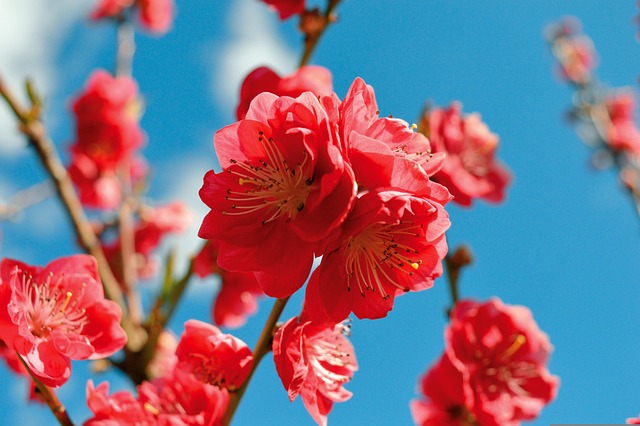
Angiospermae, commonly known as flowering plants, share a set of characteristics that distinguish them from naked seed plants and make them highly versatile in bonsai cultivation. These traits influence growth speed, pruning response, seasonal behaviour, and overall styling potential.
Flowers as reproductive structures
The defining feature of Angiospermae is the flower. Flowers serve as the reproductive organs of flowering plants, enabling fertilisation and the development of enclosed seeds. In bonsai, flowers add seasonal beauty and often carry cultural or symbolic meaning, but they also demand energy that must be managed carefully.
Enclosed seeds and fruit production
In flowering plants, seeds develop inside a fruit formed from the fertilised ovary. This enclosed seed structure protects the seed and supports dispersal. For bonsai, fruit production affects nutrient use and growth patterns, especially in fruiting Angiospermae such as apple, cherry, and pomegranate.
Faster growth and strong back-budding
Angiospermae generally grow faster than Gymnospermae and respond well to pruning. Many flowering plants back-bud readily on older wood, allowing for quicker refinement and easier correction of design mistakes. This makes Angiospermae more forgiving, particularly for beginners.
Broad leaves and leaf size reduction
Most Angiospermae have broad leaves rather than needles or scales. Through proper pruning, defoliation, and controlled feeding, many flowering plants can achieve reduced leaf size in bonsai, improving scale and refinement.
Wide range of growth habits
Angiospermae include trees, shrubs, vines, aquatic plants, and herbaceous species. In bonsai, this diversity allows for a wide range of styles, from elegant deciduous trees to evergreen broadleaf specimens, offering contrast and variety within a collection.
Major Angiospermae groups used in bonsai
Angiospermae include an enormous range of flowering plants, but only certain groups are commonly used in bonsai. These groups are selected for their woody growth, response to pruning, and ability to express seasonal change, flowers, or fruit in miniature form.
Deciduous trees
Deciduous Angiospermae are among the most popular flowering plants in bonsai. Species such as maples, elms, hornbeams, birch, and beech lose their leaves in winter, revealing fine branch structure and seasonal character. These trees respond well to pruning and are ideal for developing refined ramification.
Evergreen broadleaf trees
Evergreen broadleaf Angiospermae retain their leaves year-round, offering constant visual presence similar to conifers but with broader foliage. Common examples include fig, olive, boxwood, and azalea. These flowering plants are valued for their dense foliage and adaptability to both indoor and outdoor bonsai cultivation.
Flowering bonsai species
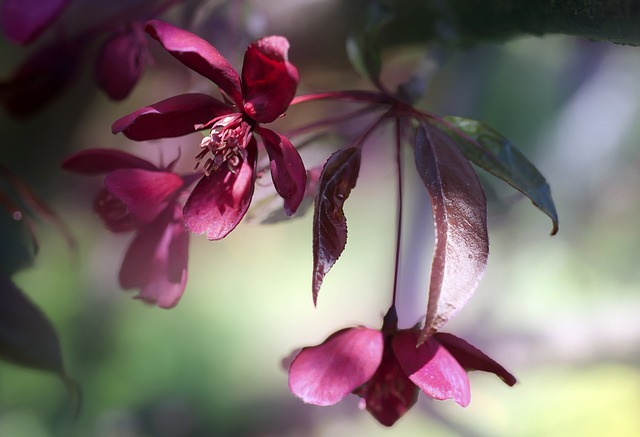
Many Angiospermae are grown specifically for their flowers. Azalea, cherry, wisteria, and crabapple are prized for their seasonal blooms, which add colour and visual drama to bonsai displays. Flowering species require careful timing of pruning to avoid removing flower buds.
Fruiting bonsai species
Fruiting Angiospermae produce decorative or edible fruit that develops from enclosed seeds. Apple, quince, pomegranate, and citrus bonsai are popular choices. These flowering plants demand balanced feeding and thinning to prevent fruit from weakening the tree.
Climbing and vine species
Some Angiospermae used in bonsai grow naturally as climbers or vines, such as wisteria and bougainvillea. While not trees in the traditional sense, these flowering plants can be trained into bonsai forms using supports and careful pruning.
Angiospermae vs Gymnospermae in bonsai
Angiospermae and Gymnospermae form the two major seed plant groups used in bonsai, but they differ fundamentally in how they grow, reproduce, and express character over time. Understanding these differences helps bonsai growers choose suitable species and apply the right techniques for long-term success.
Flowers and fruit vs cones and naked seeds
The most obvious distinction is reproduction. Angiospermae are flowering plants that produce enclosed seeds within fruit. Gymnospermae produce naked seeds, typically on cones or exposed structures.
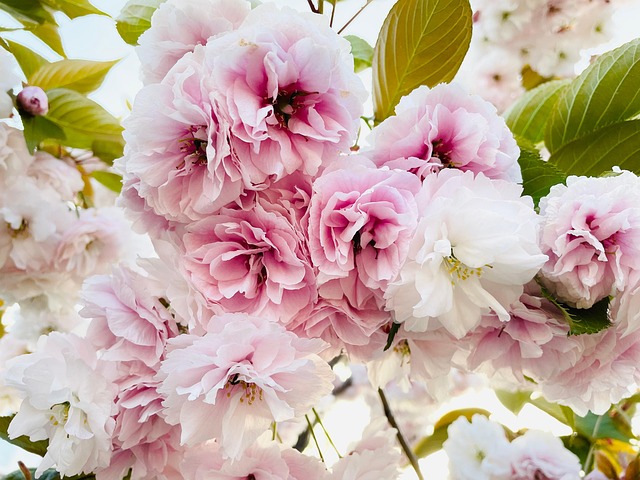
In bonsai, flowering plants often invest energy into blossoms and fruit, creating seasonal displays that must be carefully managed. Gymnospermae, by contrast, focus energy on wood, foliage, and structure rather than flowering cycles, which supports long-term refinement.
Growth speed and pruning response
Angiospermae generally grow faster and back-bud more readily than Gymnospermae. This allows quicker development, easier correction of design mistakes, and faster refinement of branch structure. As a result, flowering plants are often more forgiving for beginners.
Gymnospermae grow more slowly and predictably. Many species do not back-bud freely on old wood, requiring careful planning and patience. This slower pace encourages disciplined bonsai techniques and long-term vision.
Wood structure and longevity
Gymnospermae develop dense, durable wood and are naturally long-lived. These traits allow for dramatic trunk movement, aged bark, and deadwood features such as jin and shari. This makes naked seed plants ideal for expressing endurance and age.
Angiospermae vary widely in wood strength and lifespan. While many develop excellent ramification and elegant structure, deadwood features often decay more quickly and require protection.
Seasonal behaviour and visual impact
Angiospermae often provide strong seasonal interest, including spring flowers, summer foliage, autumn colour, and winter silhouettes. This seasonal rhythm adds variety and visual storytelling to bonsai collections.
Most Gymnospermae are evergreen, maintaining foliage year-round. This gives them a constant visual presence and reinforces their association with timelessness and stability in bonsai traditions.
Role in bonsai traditions
Gymnospermae dominate classical bonsai traditions due to their longevity, resilience, and structural strength. Angiospermae complement this foundation by introducing flowers, fruit, and seasonal change, creating balance and diversity within bonsai practice.
Neither group is superior. Together, Angiospermae and Gymnospermae represent two distinct but equally important paths in bonsai, one focused on seasonal beauty and adaptability, the other on endurance, structure, and time.
Why Angiospermae matter in bonsai traditions
While Gymnospermae form the structural backbone of classical bonsai, Angiospermae bring balance, expression, and seasonal rhythm to bonsai traditions. Flowering plants have long been used to complement conifers by introducing colour, movement, and change, elements that reflect the natural cycles of life.
One of the most important contributions of Angiospermae to bonsai is seasonal expression. Flowering plants mark the passage of time through spring blossoms, summer foliage, autumn colour, and winter silhouettes. This changing appearance adds emotional depth to bonsai displays and allows artists to tell different visual stories throughout the year.
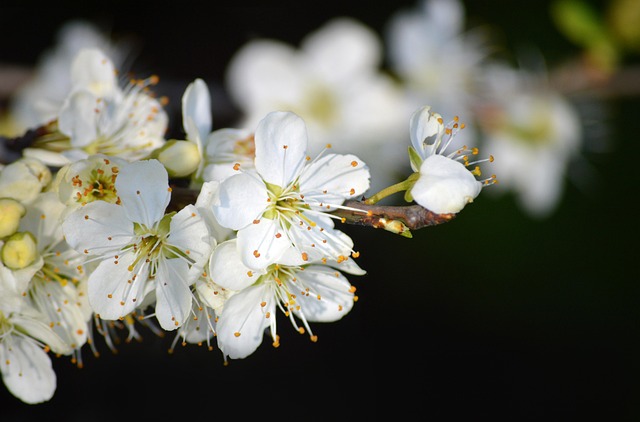
Angiospermae also expand the aesthetic language of bonsai. Flowers and fruit introduce softness and elegance that contrast with the rugged, enduring forms of naked seed plants. Species such as cherry, azalea, and wisteria emphasise beauty, renewal, and transience, themes deeply rooted in bonsai philosophy.
From a practical perspective, flowering plants often offer faster development. Many Angiospermae back-bud readily and respond well to pruning, making them suitable for refinement within shorter timeframes. This accessibility has helped broaden bonsai practice beyond traditional conifer specialists.
Culturally, Angiospermae have strong symbolic value. Blossoms often represent renewal, impermanence, and harmony with nature, while fruiting bonsai symbolise abundance and balance. These meanings have shaped how flowering plants are displayed in exhibitions and seasonal showcases.
Angiosperms also play a key role in modern bonsai practice. As bonsai spreads globally, flowering plants adapted to local climates allow growers to engage with bonsai using native or regionally suited species. This has expanded bonsai traditions while preserving their philosophical foundations.
Together with Gymnospermae, Angiospermae ensure bonsai remains a living art form, rooted in tradition yet expressive, diverse, and responsive to the natural world.
Common Angiospermae bonsai trees
Angiosperms include many of the most popular and recognisable bonsai trees. These flowering plants are valued for their ability to produce blossoms, fruit, fine ramification, and seasonal colour, adding contrast and variety to bonsai collections dominated by conifers.
Maples (Acer)
Maples are among the most widely cultivated Angiosperm bonsai trees. They are prized for their elegant leaf shapes, fine branch structure, and striking autumn colour. Japanese maples, in particular, respond well to pruning and develop excellent ramification over time.
Elms (Ulmus)
Elms are classic flowering plants in bonsai, known for their small leaves, strong back-budding, and tolerance of pruning. They are ideal for developing refined silhouettes and are often used in informal upright and broom styles.
Figs (Ficus)
Ficus species are evergreen broadleaf Angiosperms commonly grown as indoor bonsai. They are hardy, forgiving, and respond exceptionally well to pruning and wiring. Their aerial roots and smooth bark add unique character, especially in tropical-style bonsai.
Azaleas (Rhododendron)
Azaleas are highly valued flowering bonsai trees due to their vibrant seasonal blooms. While they require specific soil and careful pruning to protect flower buds, they reward growers with dramatic floral displays that few other bonsai can match.
Olives (Olea europaea)
Olives are evergreen Angiosperm bonsai trees with narrow leaves, textured bark, and a strong Mediterranean character. They are well suited to warm climates and develop rugged, aged appearances over time.
Cherry (Prunus)
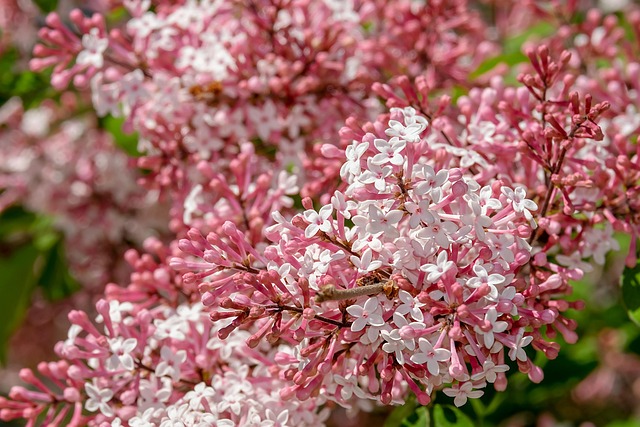
Cherry bonsai are grown primarily for their spring blossoms. These flowering plants symbolise renewal and impermanence and are often displayed during bloom season. Careful timing of pruning is essential to preserve flower buds.
Apple and crabapple (Malus)
Apple and crabapple bonsai are popular fruiting Angiosperms. They offer flowers, fruit, and autumn colour, making them visually dynamic throughout the year. Fruit thinning is often necessary to maintain tree health.
Pomegranate (Punica granatum)
Pomegranate bonsai are prized for their bright flowers, decorative fruit, and naturally gnarled trunks. These flowering plants tolerate heat well and develop strong character with age.
Conservation and sustainability of Angiospermae
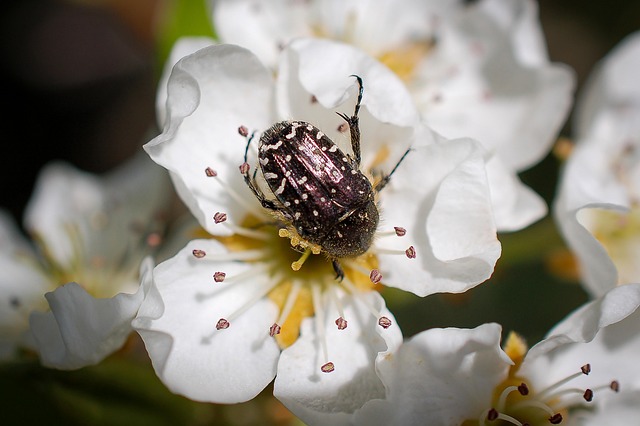
Angiosperms make up the largest and most diverse group of plants on Earth, yet they are also increasingly vulnerable. Habitat destruction, climate change, invasive species, and unsustainable harvesting threaten many flowering plant species worldwide. For bonsai practitioners, understanding conservation and sustainability is an important part of working responsibly with Angiospermae.
Threats to flowering plants worldwide
Many Angiosperm species face pressure from land clearing, agriculture, urban expansion, and deforestation. Because flowering plants occupy almost every ecosystem, these changes can lead to rapid population declines. Climate change further intensifies the problem by altering temperature, rainfall patterns, and seasonal cycles that flowering plants depend on for reproduction.
Some Angiosperms used in bonsai, particularly flowering and fruiting trees, are affected by overcollection in the wild, especially when visually striking specimens are removed for ornamental use. This loss reduces genetic diversity and weakens natural populations.
Ethical sourcing in bonsai cultivation
Sustainable bonsai practice begins with ethical sourcing. Responsible growers choose nursery-grown Angiosperms, propagated cuttings, or seedlings rather than collecting trees from natural habitats. Many flowering plants propagate easily through seed, cuttings, or air-layering, making sustainable cultivation more accessible than with slow-growing naked seed plants.
By supporting reputable nurseries and propagation programmes, bonsai enthusiasts help reduce pressure on wild populations while ensuring healthy, adaptable material for training.
Bonsai and conservation awareness
Bonsai can play a positive role in conservation by fostering appreciation for flowering plants and their life cycles. Angiospermae bonsai showcase flowers, fruit, and seasonal change up close, helping people understand the complexity and beauty of these plants.
Living collections, botanical gardens, and private bonsai growers also act as informal conservation reservoirs, maintaining genetic material and raising awareness about threatened species.
Sustainable care and long-term responsibility
Sustainability also extends to daily care. Proper watering, soil management, and pruning reduce stress and prolong the life of Angiospermae bonsai trees. Viewing bonsai as long-term living companions rather than decorative objects encourages careful stewardship.
By practising ethical sourcing and responsible care, bonsai growers help ensure that Angiosperms, the flowering plants that bring colour and seasonality to bonsai traditions, continue to thrive both in cultivation and in the wild.
Exploring Angiospermae bonsai further
Angiospermae offer an expansive and rewarding path for bonsai growers. As flowering plants, they bring seasonal rhythm, colour, and diversity to bonsai collections, complementing the timeless structure of naked seed plants. Exploring Angiospermae bonsai beyond surface-level care opens the door to deeper understanding and more refined results.
Each Angiosperm family, genus, and species behaves differently in bonsai. Some prioritise flowers, others fruit, and many focus on fine ramification and autumn colour. By learning these differences, bonsai practitioners can select species that match their climate, experience level, and aesthetic goals.
To continue exploring Angiospermae bonsai, growers can dive into:
- Angiospermae families, to understand shared traits among flowering plants
- Genus-level guides, such as Acer, Ulmus, Ficus, and Prunus
- Species profiles, offering detailed care, pruning, and seasonal guidance
- Care sheets, covering watering, fertilisation, defoliation, and flowering management
This structured approach allows bonsai growers to build knowledge step by step, transforming flowering plants into refined bonsai through patience and observation.
Angiospermae reward attention to timing and seasonal awareness. By observing how flowering plants respond throughout the year, bonsai artists develop a stronger connection to natural cycles and gain greater control over both health and aesthetics.
As you explore further, Angiospermae bonsai become more than decorative trees. They become living expressions of growth, change, and balance, reinforcing why flowering plants remain essential to bonsai traditions alongside Gymnospermae.