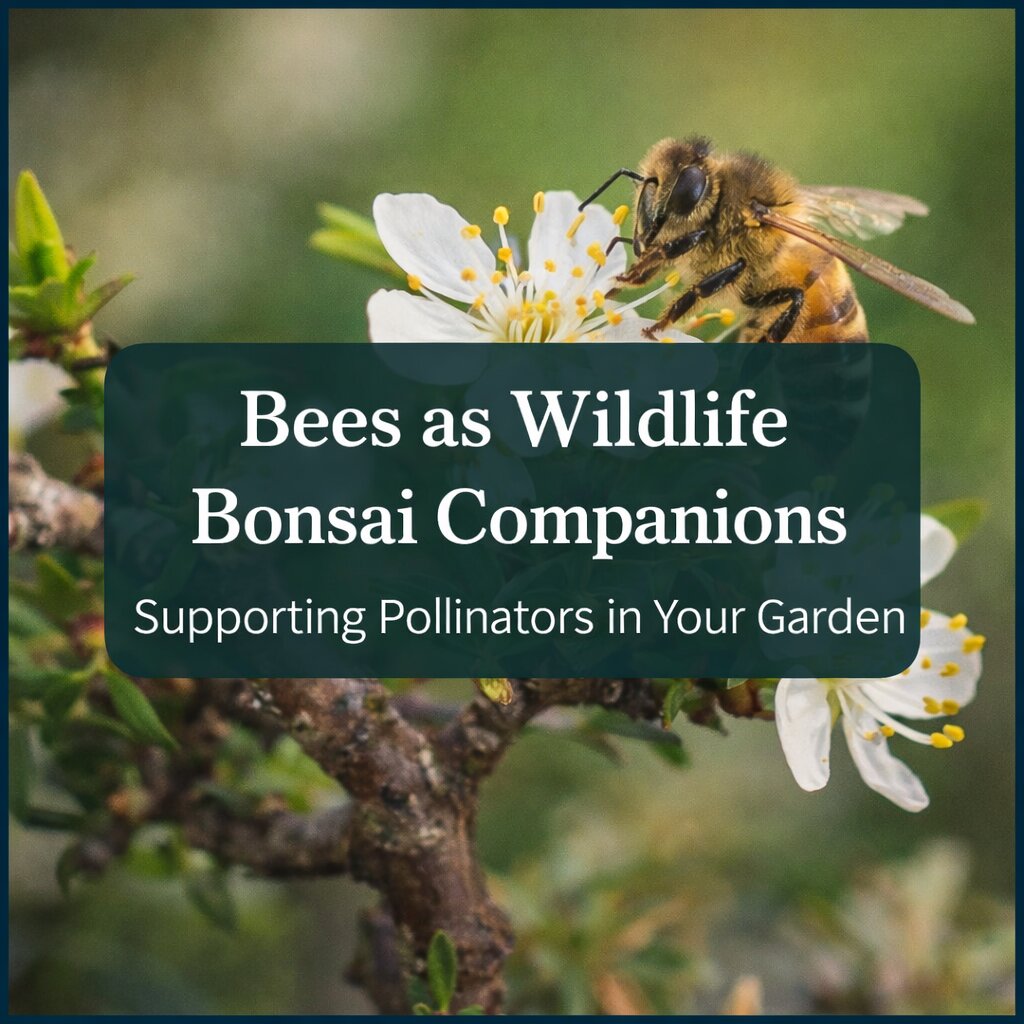
Creating a thriving bonsai garden isn’t just about shaping miniature trees. It’s also about encouraging life around them. Bees play a vital role in this ecosystem, acting as natural pollinators that support plant health and biodiversity. By welcoming these tiny visitors, your bonsai space becomes more than a display; it becomes a living, breathing environment.
When you design your garden with bees in mind, you’re contributing to a broader ecological balance. Pollinators help flowering plants reproduce, improve growth, and even enhance the overall vitality of your bonsai companions. Whether you’re a beginner or an experienced enthusiast, understanding how to attract and support these insects can elevate your bonsai journey.
In this guide, we explore how bees function as wildlife bonsai companions and how you can create a space that benefits both your trees and the surrounding environment.
The role of pollinators in bonsai ecosystems
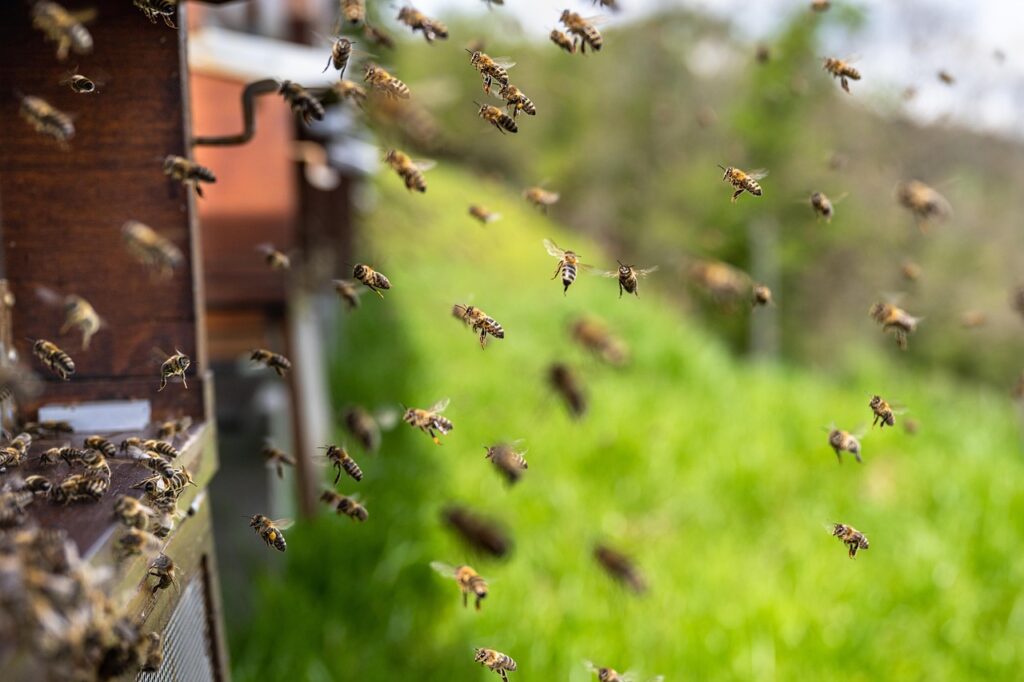
Although bonsai trees are often the focal point, the surrounding ecosystem plays an equally important role. Bees are among the most important pollinators, transferring pollen between flowers and enabling plant reproduction. This process supports the health of companion plants that share space with your bonsai.
Incorporating flowering species around your bonsai helps attract bees, which in turn boosts the vitality of your garden. Plants that rely on pollination often produce stronger blooms and healthier growth when these insects are present. This creates a cycle where both plants and pollinators benefit.
Beyond pollination, the presence of wildlife adds a sense of harmony and natural beauty. Watching bees move from flower to flower brings your bonsai garden to life, making it feel more like a natural landscape than a curated display.
Best plants to attract bees to your bonsai garden
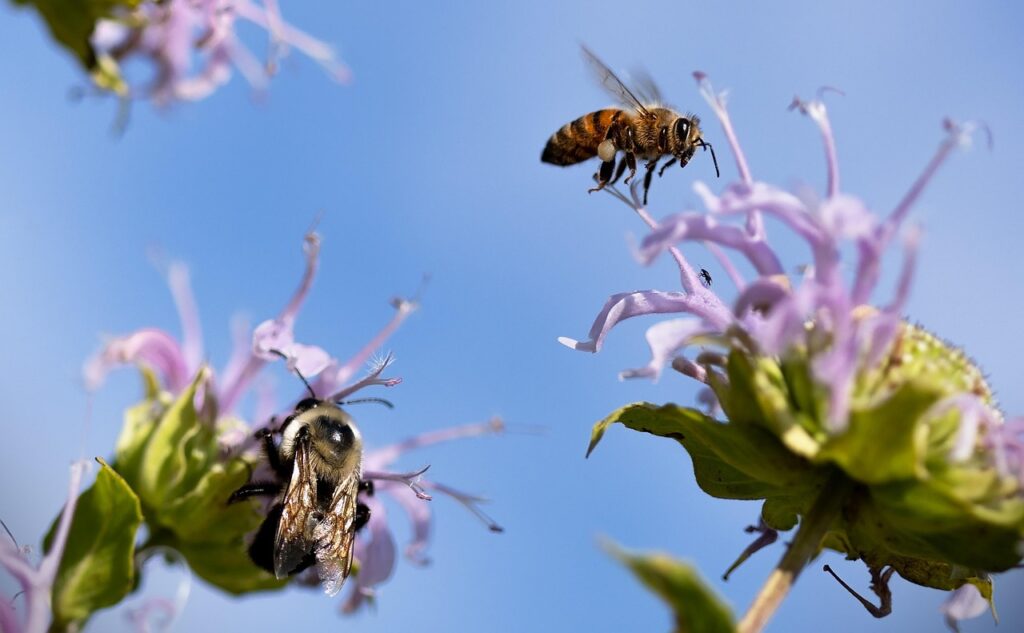
To encourage bees to visit your bonsai space, it’s essential to include plants that provide nectar and pollen. Companion planting is key, as most bonsai trees themselves are not the primary food source for pollinators.
Flowering herbs and small plants work particularly well alongside bonsai. Lavender, thyme, sage, and rosemary are all known to attract bees while remaining manageable in size. These plants also complement the aesthetic of a bonsai garden, adding texture and colour.
Seasonal blooms are equally important. By selecting plants that flower at different times of the year, you ensure a consistent food source for bees. This not only supports pollinators but also keeps your garden visually engaging throughout the seasons.
Creating a bee-friendly bonsai environment
A successful bonsai ecosystem goes beyond plant selection. Providing a safe and welcoming environment is essential for attracting and supporting bees. This includes access to water, shelter, and a pesticide-free space.
Here are some practical ways to create a bee-friendly bonsai garden:
- Plant a variety of nectar-rich flowers
- Provide shallow water sources with stones for landing
- Avoid chemical pesticides and harmful treatments
- Include natural materials for shelter, such as wood or hollow stems
- Ensure continuous blooms throughout the year
By implementing these steps, you create a habitat where bees can thrive while enhancing the overall health of your bonsai companions.
Balancing aesthetics and ecology
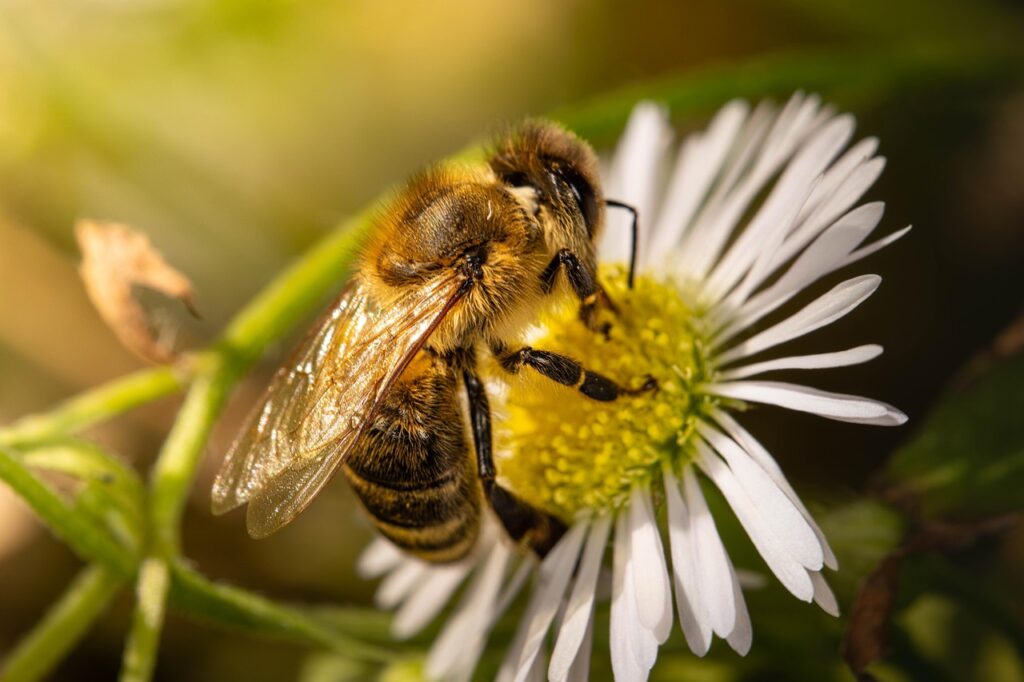
One of the challenges for bonsai enthusiasts is maintaining a balance between design and nature. While the art of bonsai focuses on precision and control, introducing wildlife requires a more organic approach. Fortunately, bees integrate seamlessly into this balance.
Carefully selected companion plants can enhance the visual appeal of your bonsai display while still supporting pollinators. Soft colours, delicate flowers, and natural textures all contribute to a cohesive design that feels both intentional and alive.
Allowing a degree of natural growth can also benefit your garden. While strict pruning is essential for bonsai trees, companion plants can be given a bit more freedom, creating a contrast that highlights the artistry of your bonsai while supporting bees.
Supporting biodiversity through bonsai gardening
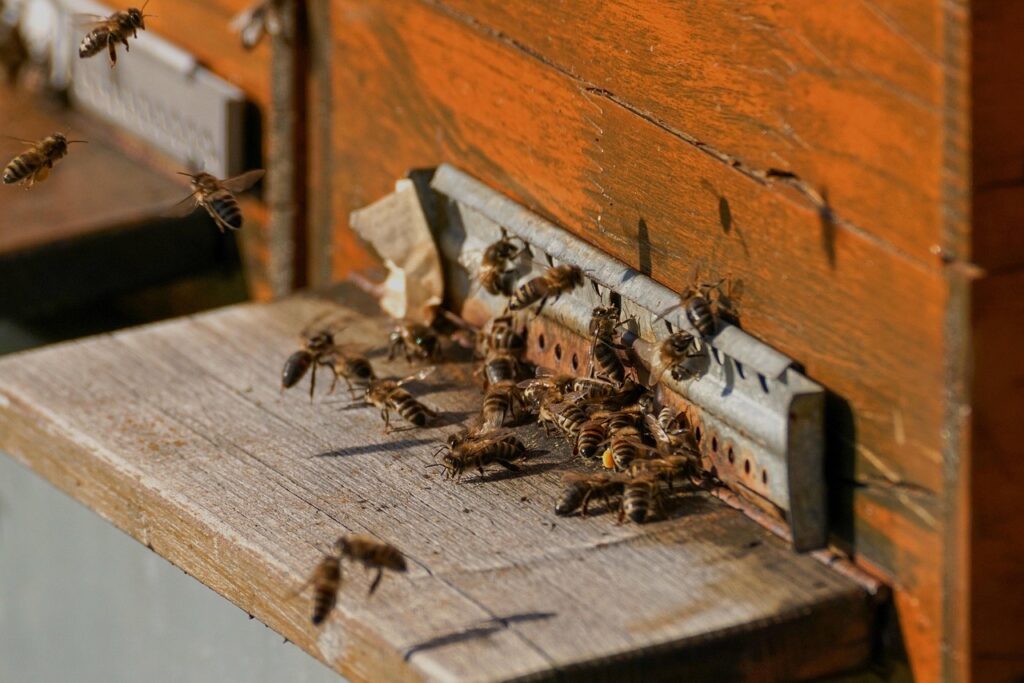
Bonsai gardening offers a unique opportunity to contribute to environmental sustainability. By creating spaces that attract bees, you are supporting local biodiversity and helping to protect essential pollinators.
Urban environments, in particular, benefit from small green spaces that provide food and shelter for wildlife. Even a modest bonsai setup can become a refuge for bees, demonstrating that conservation efforts don’t always require large-scale changes.
As awareness of environmental issues grows, gardeners are increasingly looking for ways to make a positive impact. Integrating bees into your bonsai ecosystem is a simple yet powerful step towards a more sustainable future.
Bringing life to your bonsai garden
Welcoming wildlife into your bonsai space transforms it from a static display into a dynamic ecosystem. Bees are among the most valuable companions you can attract, offering both ecological benefits and visual charm.
By selecting the right plants, creating a supportive environment, and embracing a balance between design and nature, you can cultivate a bonsai garden that thrives on multiple levels. The result is a space that not only showcases your trees but also supports the delicate balance of life around them.
In doing so, your bonsai garden becomes more than an art form; it becomes a living sanctuary for both plants and pollinators.