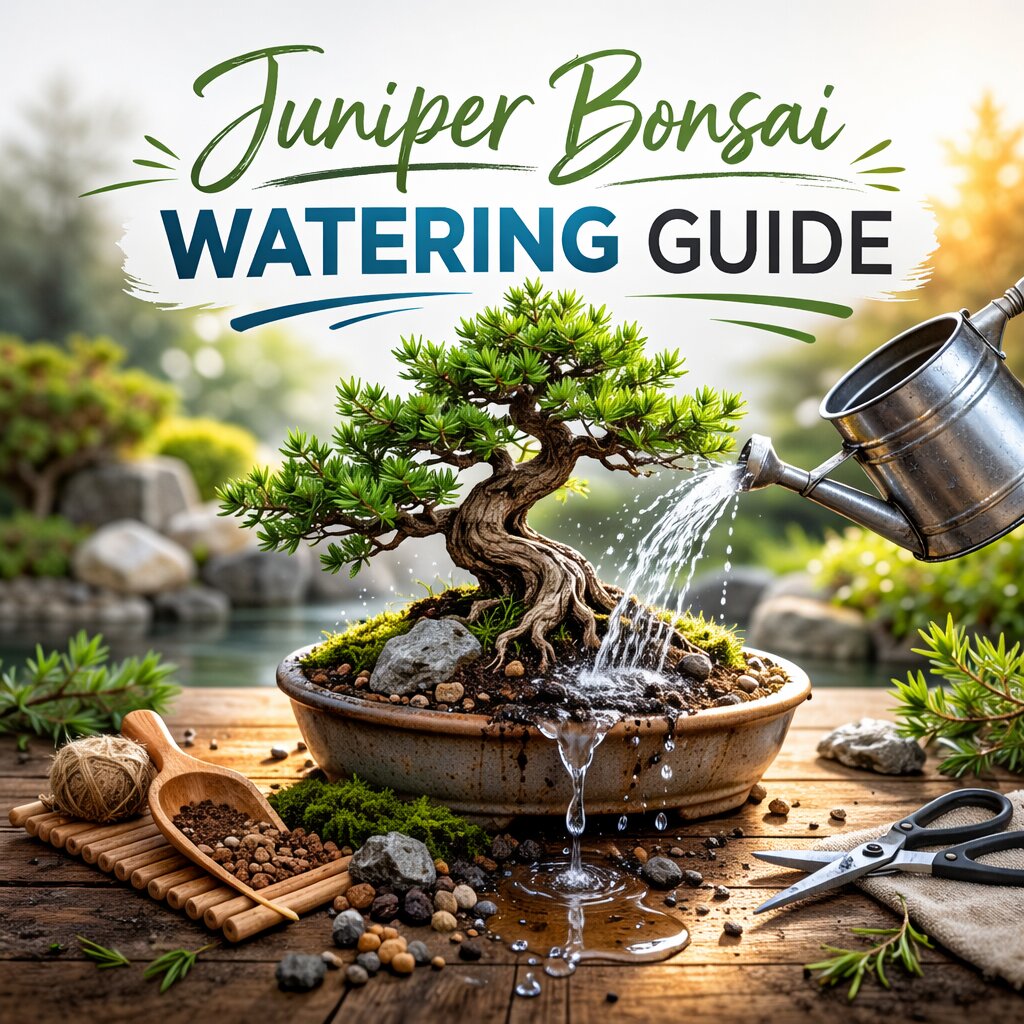
Juniper bonsai watering is one of the most misunderstood aspects of caring for these resilient conifers. While junipers are known for their drought tolerance in the wild, bonsai cultivation places them in confined containers where natural moisture regulation no longer applies.
Understanding how to water a juniper bonsai correctly is essential to prevent root rot, dehydration, and long-term stress. Although this guide applies to the genus as a whole, it is important to remember that watering requirements can vary slightly between different juniper species, climates, soil mixes, and pot sizes.
This comprehensive juniper bonsai watering guide will help you develop a practical, species-aware approach that supports healthy root systems and vibrant foliage.
Understanding Juniper Roots in a Bonsai Pot
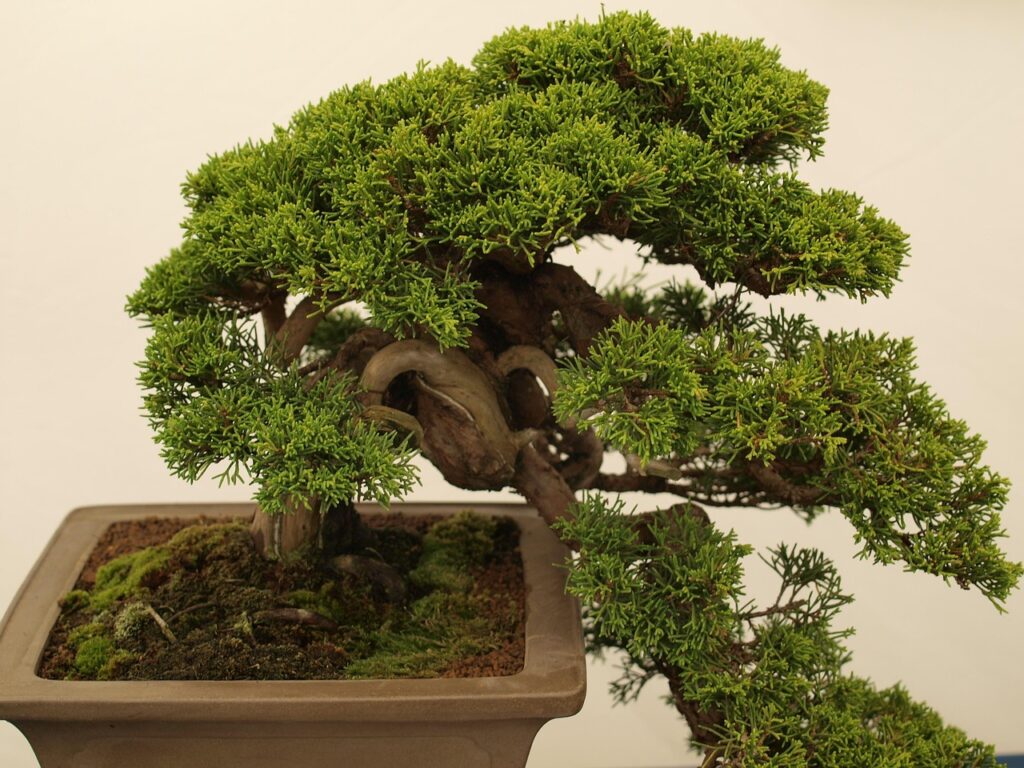
In nature, junipers develop deep and wide-reaching root systems. In a bonsai container, those roots are intentionally restricted. This dramatically changes how water behaves around the plant.
Bonsai soil is designed to drain quickly. Unlike regular garden soil, it contains granular components such as akadama, pumice, or lava rock. This promotes airflow and prevents compaction, but it also means moisture does not linger for long.
Juniper bonsai watering must therefore balance two priorities: allowing the soil to dry slightly between watering while never permitting the root ball to become bone dry. Roots need oxygen, but they also require consistent hydration.
How Often Should You Water a Juniper Bonsai?

There is no fixed watering schedule for juniper bonsai watering. The correct frequency depends on:
- Species
- Climate
- Season
- Pot size
- Soil composition
- Tree maturity
As a general guideline, water when the top layer of soil begins to feel dry, but before the entire root ball dries out completely.
In hot summer conditions, especially in regions like Cape Town where dry heat can be intense, watering may be required daily. In winter, when growth slows and evaporation reduces, watering frequency decreases significantly.
The key principle is observation, not routine.
Seasonal Differences in Juniper Bonsai Watering
Summer
During active growth and high temperatures, juniper bonsai watering must be consistent and thorough. Heat increases evaporation, and small bonsai containers dry rapidly.
However, even in summer, junipers do not like constantly soggy soil. Ensure proper drainage and avoid shallow surface watering.
Winter
In cooler months, junipers enter a semi-dormant state. Water consumption decreases, and overwatering becomes the biggest risk.
Always check moisture levels before watering in winter. Cold, wet soil can quickly lead to root problems.
Species Differences Within the Juniper Genus
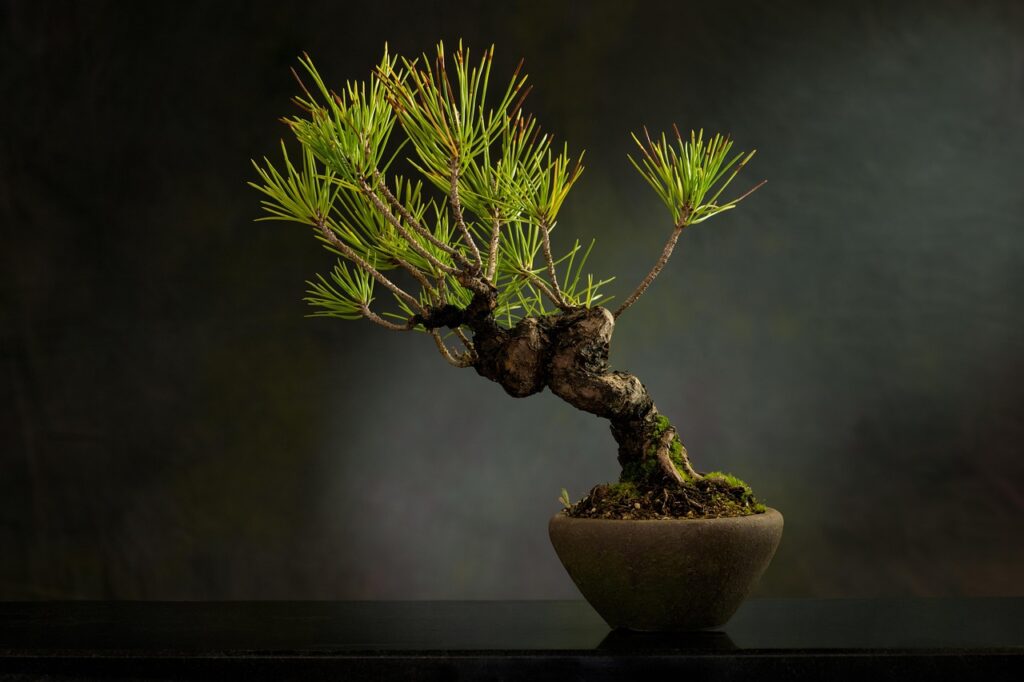
Although general watering principles apply across the genus, species variations do exist.
For example:
- Some procumbens varieties tolerate slightly drier conditions.
- Certain Chinese juniper cultivars prefer consistent but moderate moisture.
- Mountain-native species may handle cooler, moist conditions better than lowland types.
This is why understanding your specific species is important. While juniper bonsai watering guidelines remain broadly similar, subtle adjustments can improve health and longevity.
Proper Watering Technique
Effective juniper bonsai watering is not just about frequency, but technique.
Water thoroughly until water runs freely from the drainage holes. This ensures the entire root ball is hydrated and helps flush out salt build-up from fertilisers.
Avoid misting as a replacement for proper watering. Surface misting does not hydrate roots and can create false confidence.
Using a fine rose watering can or gentle hose attachment prevents soil displacement and protects the root structure.
Signs of Overwatering and Underwatering
Overwatering Signs
- Yellowing foliage
- Soft, weak growth
- Foul-smelling soil
- Blackened roots (in advanced cases)
Underwatering Signs
- Browning or crisping foliage
- Brittle branches
- Dry, compacted soil pulling from pot edges
Junipers can sometimes show stress weeks after improper watering. Consistency is more important than dramatic correction.
Climate Considerations
Juniper bonsai watering must adapt to local climate conditions.
In dry, windy regions, trees lose moisture faster through transpiration. In humid coastal areas, soil may retain moisture longer.
Sun exposure also plays a major role. A juniper in full sun will dry much faster than one in partial shade.
Always adjust watering practices based on environmental conditions rather than following rigid instructions.
Soil and Drainage Matter
Watering cannot be separated from soil structure. A well-draining bonsai mix makes proper juniper bonsai watering possible.
If soil retains too much moisture, even careful watering will cause problems. Conversely, extremely coarse soil may require more frequent watering.
Healthy juniper bonsai care always combines correct soil composition with attentive watering.
Developing an Instinct for Juniper Bonsai Watering
Mastering juniper bonsai watering takes observation and patience. Over time, you will learn to recognise the weight of a properly hydrated pot, the colour shift of drying soil, and the subtle changes in foliage texture.
Rather than chasing a fixed schedule, aim to understand your tree’s signals. Water thoroughly, allow slight drying, and adjust according to species and season.
Junipers are resilient trees, but in bonsai form they rely entirely on you to replicate balanced natural conditions. With consistent attention, proper drainage, and climate awareness, you can maintain strong, healthy juniper bonsai across a wide range of species.