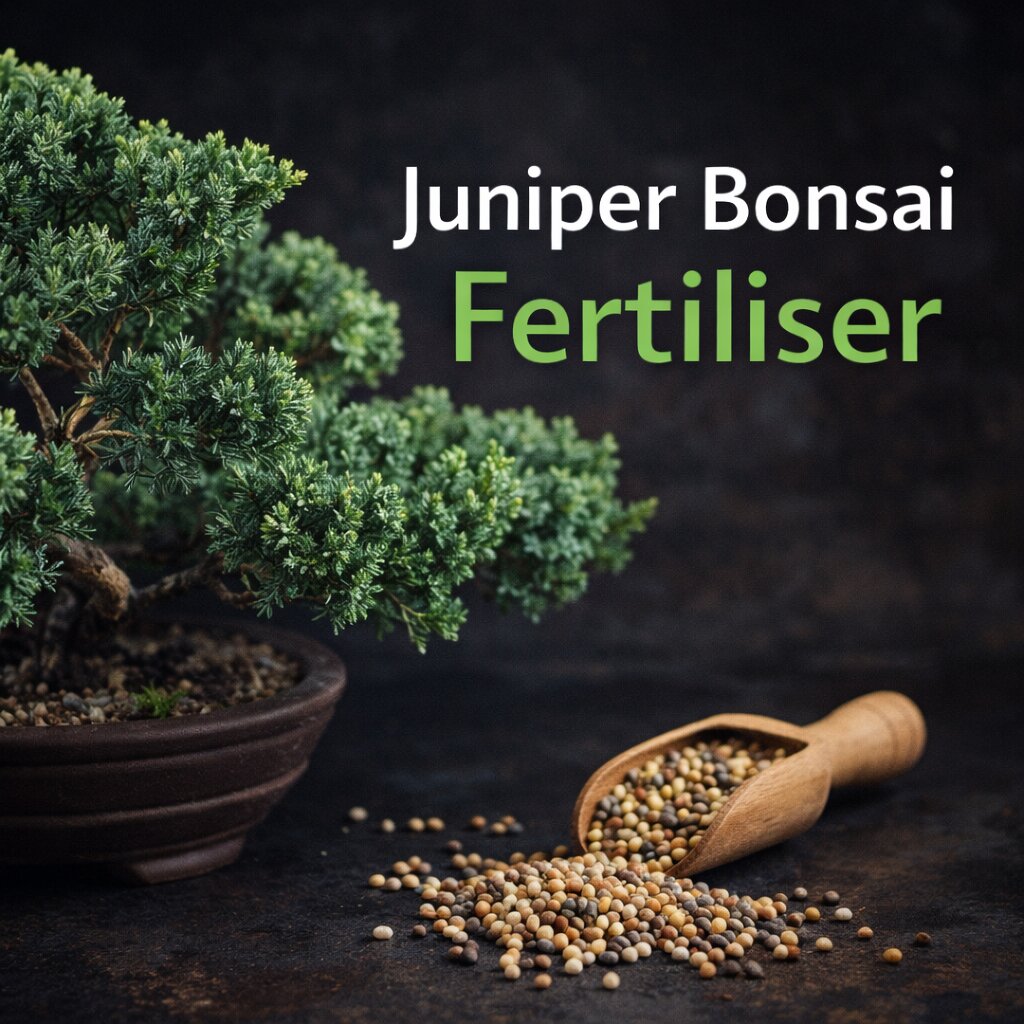
Choosing the right juniper bonsai fertiliser is essential for healthy foliage, strong root development, and long-term structural growth. While junipers are hardy and forgiving, improper feeding can lead to weak growth, leggy foliage, or excessive top growth at the expense of root strength.
Understanding when to fertilise, what type of fertiliser to use, and how to adjust feeding throughout the seasons will dramatically improve the health and refinement of your juniper bonsai.
Understanding Juniper Nutrient Needs
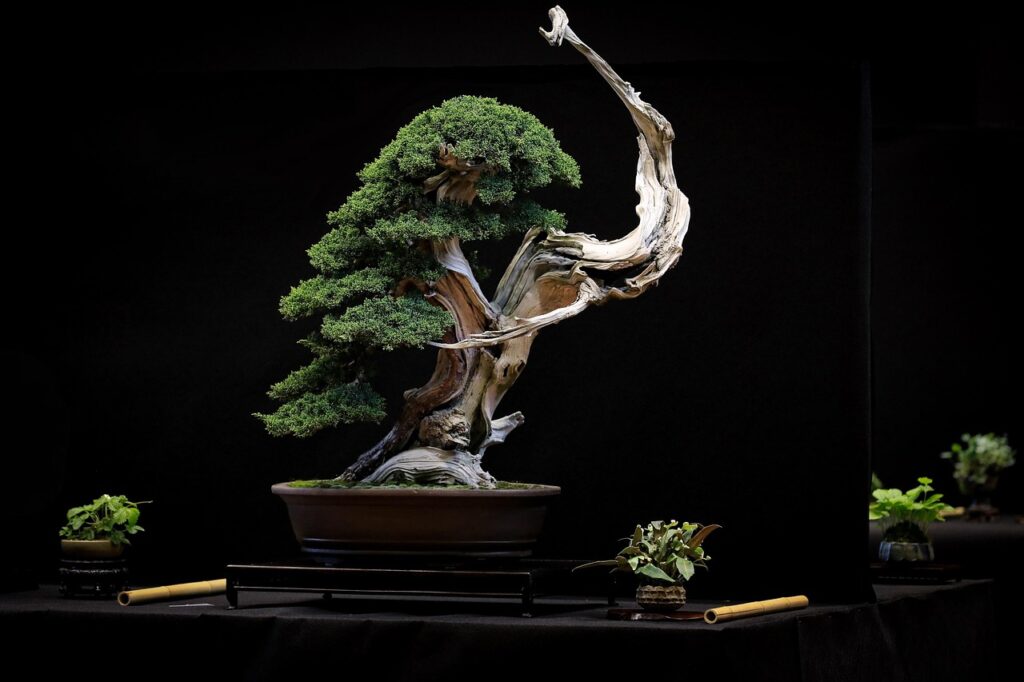
Junipers are evergreen conifers that rely on steady, moderate nutrient intake rather than heavy feeding cycles. Unlike fast-growing deciduous species, they do not require aggressive fertilisation to thrive.
A balanced juniper bonsai fertiliser typically includes nitrogen (N), phosphorus (P), and potassium (K). Nitrogen promotes foliage growth, phosphorus supports root development, and potassium strengthens overall plant health and stress resistance.
Because bonsai trees grow in confined soil environments, nutrients are depleted faster than in ground-planted trees. Regular, controlled feeding replenishes these nutrients and maintains vigour without overwhelming the tree.
Best NPK Ratios for Juniper Bonsai Fertiliser
A balanced fertiliser such as 10-10-10 or 12-12-12 works well during active growing periods. These ratios provide steady growth without forcing excessive elongation.
During early spring, a slightly higher nitrogen ratio can encourage fresh growth. However, once structural growth is established, switching to a balanced or slightly lower nitrogen blend helps maintain compact foliage.
In late summer to early autumn, reducing nitrogen and using a fertiliser slightly higher in potassium supports winter hardiness and strengthens the tree before dormancy.
Organic fertilisers are often preferred in bonsai cultivation because they release nutrients slowly and improve soil biology. Liquid fertilisers can also be effective when diluted properly and applied consistently.
Adjusting Juniper Bonsai Fertiliser for Development vs Refinement
The stage of development your juniper bonsai is in should influence your fertilising strategy.
If the tree is in a growth phase, building trunk thickness, extending branches, or recovering from heavy styling, slightly stronger feeding can support structural development. In this stage, balanced fertilisers applied consistently will encourage stronger extension growth and improved root mass.
However, if your juniper bonsai is in a refinement stage, particularly when developing compact foliage pads, feeding should be moderated. Excess nitrogen during refinement can cause elongated shoots that disrupt silhouette and density. In these cases, lighter, controlled feeding helps maintain tight growth while preserving overall health.
Understanding this difference allows you to use juniper bonsai fertiliser as a development tool rather than simply a routine maintenance practice.
When to Apply Juniper Bonsai Fertiliser
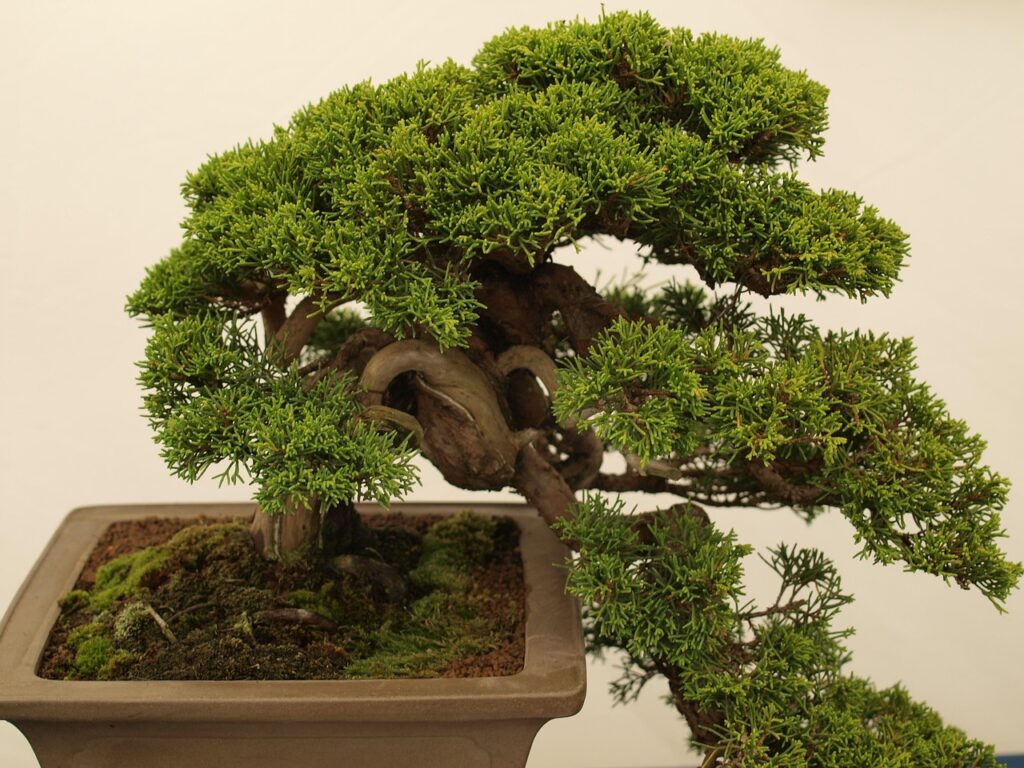
Junipers should be fertilised during their active growing season, typically from early spring through early autumn.
Begin feeding once new growth starts to appear in spring. Apply fertiliser every two to four weeks depending on the strength of the product and the tree’s growth stage.
Avoid fertilising during deep winter dormancy. Feeding during this time provides little benefit and may stress the tree.
Newly repotted junipers should not be fertilised immediately. Allow the roots to recover for several weeks before reintroducing fertiliser.
How to Apply Fertiliser Correctly
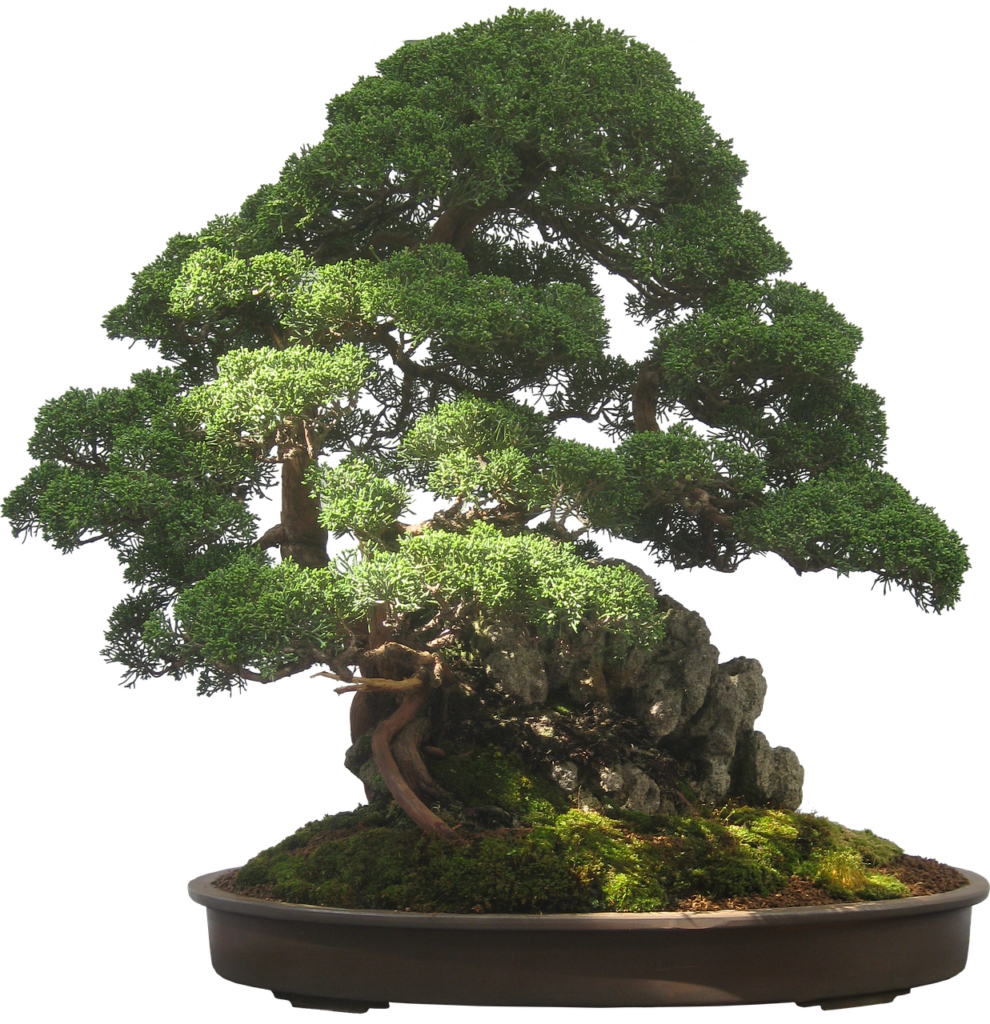
Apply juniper bonsai fertiliser to moist soil rather than dry soil. This prevents root burn and ensures even nutrient absorption.
If using liquid fertiliser, always dilute according to manufacturer guidelines. It is safer to feed slightly weaker solutions more frequently than to over-fertilise.
For solid organic fertilisers, place small portions evenly across the soil surface. Avoid piling fertiliser against the trunk.
Regular watering will gradually break down organic fertilisers and carry nutrients into the root zone.
Common Fertilising Mistakes
Overfeeding is one of the most common errors in juniper bonsai fertiliser care. Excess nitrogen can cause coarse growth and reduce foliage density, making refinement difficult.
Another mistake is inconsistent feeding. Long gaps followed by heavy fertilisation create unstable growth patterns.
Using high-nitrogen fertiliser late in the season can encourage soft growth that is vulnerable to cold damage.
Finally, fertilising weak or stressed trees without addressing underlying issues such as poor drainage, pests, or root rot will not solve the problem.
Soil Type and Fertiliser Interaction
The soil mix you use significantly affects how juniper bonsai fertiliser behaves.
Free-draining bonsai mixes such as akadama, pumice, lava rock, or similar inorganic blends do not retain nutrients for long. This means feeding must be regular and consistent because nutrients flush out quickly during watering.
If your soil mix contains more organic components, nutrients may remain available slightly longer. However, organic-heavy soils can also increase the risk of overfertilisation if feeding is too frequent.
Because most bonsai are grown in fast-draining substrates, controlled, repeated feeding is generally more effective than heavy, infrequent applications.
Seasonal Climate Considerations
Climate plays an important role in juniper bonsai fertiliser decisions. In warmer regions where junipers may continue light growth into autumn, fertiliser schedules may extend slightly longer than in colder climates.
In very hot summer conditions, especially during heatwaves, reduce fertiliser strength. High temperatures combined with strong feeding can stress the root system. During extreme heat, maintaining hydration is more important than pushing growth.
In colder regions, stop fertilising once consistent dormancy begins. Feeding during low metabolic activity provides minimal benefit and may disrupt natural seasonal cycles.
Adapting your juniper bonsai fertiliser schedule to your local climate ensures healthier and more predictable growth.
Organic vs Chemical Fertiliser: Which Is Better?
Many bonsai growers prefer organic fertilisers because they release nutrients gradually and support beneficial soil biology. This steady release reduces the risk of sudden nutrient spikes and encourages balanced growth.
Chemical or synthetic fertilisers provide faster nutrient availability. They can be useful during recovery or active development stages but require careful dilution and monitoring to avoid root damage.
There is no single “best” option. The choice depends on your growing goals, experience level, and maintenance routine. The key is consistency and moderation rather than product type alone.
Species-Specific Fertilising Considerations
Not all junipers respond identically to feeding. Some species are more vigorous and tolerate slightly stronger fertiliser regimes, while others benefit from lighter, more controlled applications.
Growth patterns, needle type, and natural habitat conditions can influence how each species responds to nutrients. For this reason, we recommend reviewing our Juniper bonsai species care sheets for detailed guidance tailored to individual species.
Species-specific information helps refine your fertilising schedule and ensures you are supporting the natural growth habits of your particular juniper bonsai.
Supporting Healthy Growth Long-Term
Proper juniper bonsai fertiliser practices support steady, compact growth and improve resistance to stress. Combined with correct watering, pruning, and repotting techniques, balanced feeding keeps your juniper strong and visually refined.
Healthy feeding is not about pushing growth. It is about maintaining balance within the confined bonsai environment.
If you want your juniper bonsai to develop dense foliage pads and strong structure over time, consistent and seasonal fertilisation is key.