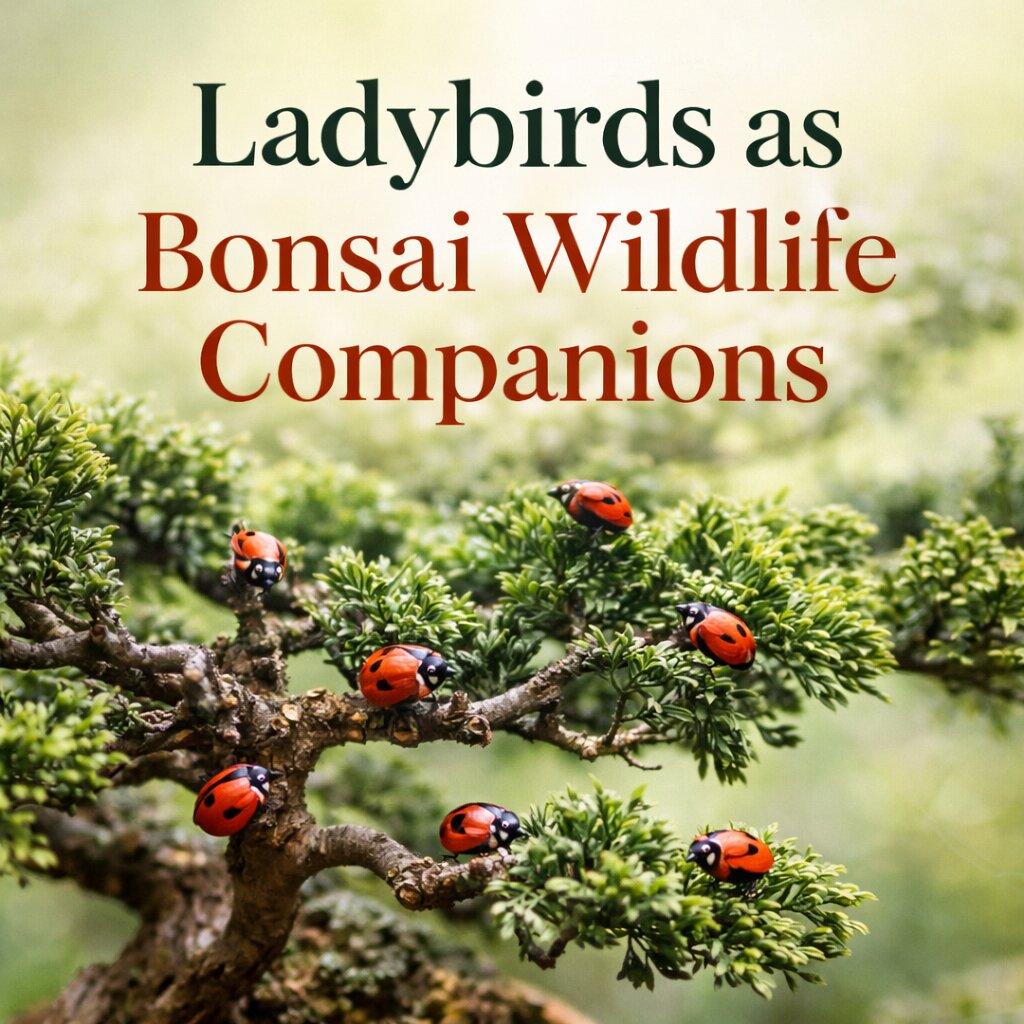
Ladybirds are one of the most beneficial insects you can introduce to your bonsai environment. These small beetles are known for their role in protecting plants, making them a perfect addition to any bonsai ecosystem.
By encouraging ladybirds into your space, you create a natural defence system that helps maintain tree health. Instead of relying on chemicals, bonsai growers can use ladybirds to support a more balanced and sustainable approach.
How ladybirds support bonsai health
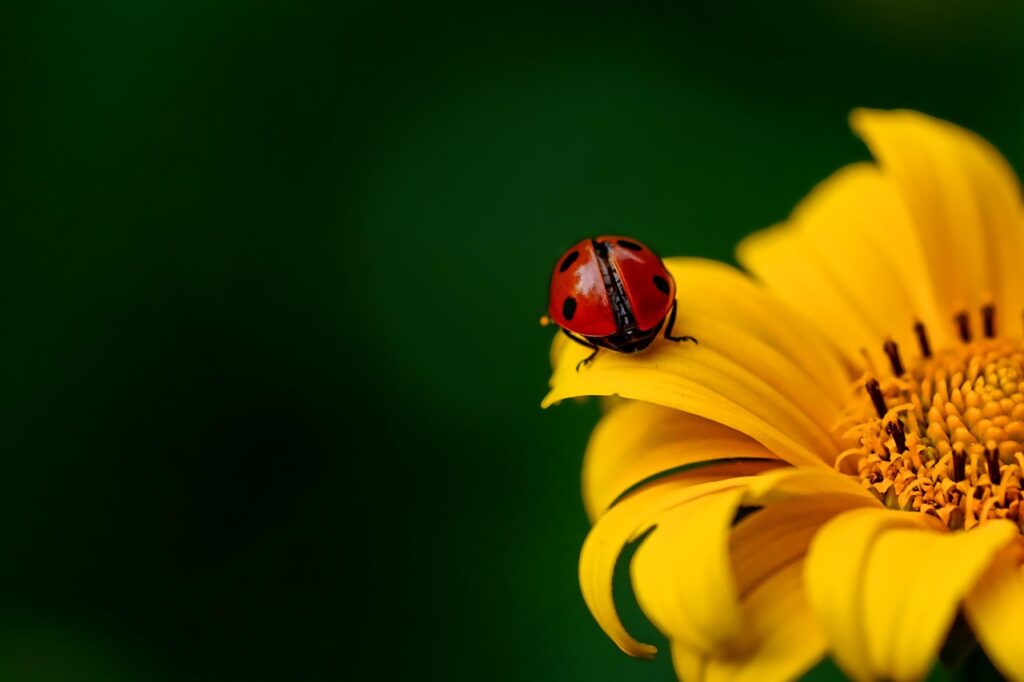
Ladybirds play a key role in controlling pest populations that commonly affect bonsai trees. Aphids are their primary food source, but they also feed on other soft-bodied insects that damage leaves and stems.
When ladybirds are present, infestations are often reduced before they become serious. This allows your bonsai to focus on growth rather than recovery, improving overall vitality.
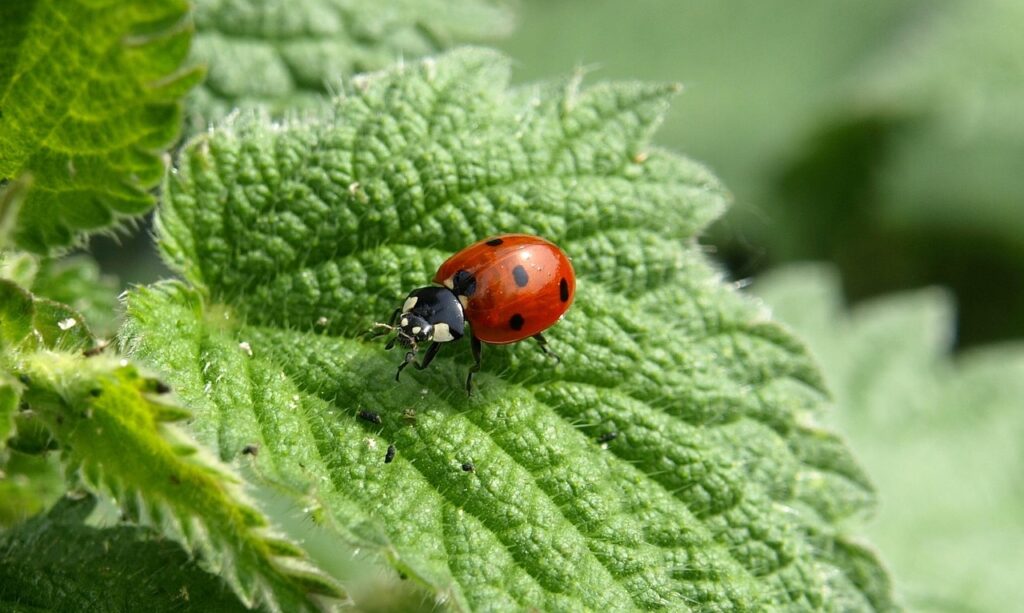
Both adult insects and their larvae are effective hunters, making ladybirds one of the most reliable natural solutions for pest control.
Key benefits for your bonsai ecosystem
- Natural control of aphids and similar pests
- Reduced need for chemical treatments
- Healthier foliage and improved growth
- Support for a balanced garden environment
- Long-term, sustainable pest management
Attracting ladybirds to your bonsai space
Creating the right environment is essential if you want ladybirds to settle in your garden. They are attracted to areas where food is available and where they can find shelter.
Planting small flowering herbs and companion plants nearby can help draw ladybirds in. Even if your bonsai does not produce flowers, surrounding vegetation can make your space more inviting.
Avoiding pesticides is also important, as chemical treatments can harm ladybirds and disrupt the balance you are trying to create.
Understanding their life cycle
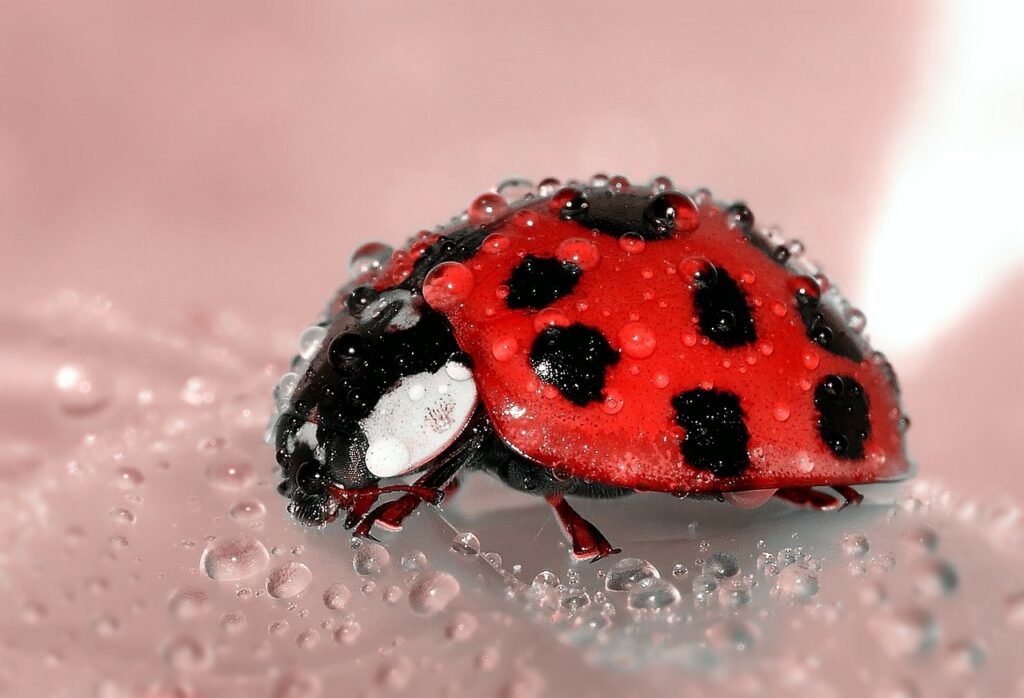
A ladybird goes through several life stages, each contributing to pest control. Eggs are usually laid near pest colonies, ensuring that newly hatched larvae have immediate access to food.
The larvae may look unfamiliar, but they are highly effective at feeding on pests. Many growers mistake them for harmful insects, but these young ladybirds are actually essential to maintaining control.
As they mature, these cute bugs continue feeding and reproducing, helping to sustain their population within your bonsai environment.
Companion planting and placement
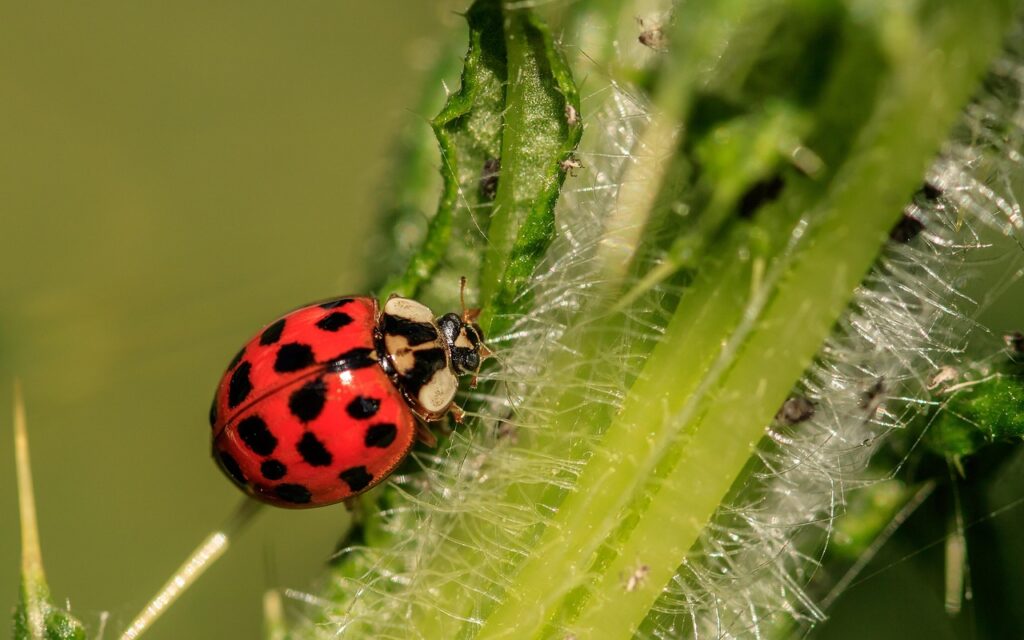
Since bonsai trees are often displayed in controlled settings, adding companion plants nearby can help support beneficial insects. Herbs and small flowering plants are particularly effective.
This type of setup encourages a ladybird to remain in the area, creating a more stable and self-sustaining ecosystem. Over time, your bonsai benefits from this natural balance.
A symbol of harmony in bonsai care
The ladybird is often associated with luck and balance, which aligns well with the philosophy of bonsai. Their presence is a sign that your environment is healthy and functioning as it should.
By working with natural systems, you create conditions that support both plant and insect life in harmony.
Let nature take the lead
Encouraging these cute bugs into your bonsai routine shifts your approach from control to cooperation. Instead of constantly managing pests, you allow nature to maintain balance for you.
This results in healthier trees, fewer interventions, and a more rewarding bonsai experience.