
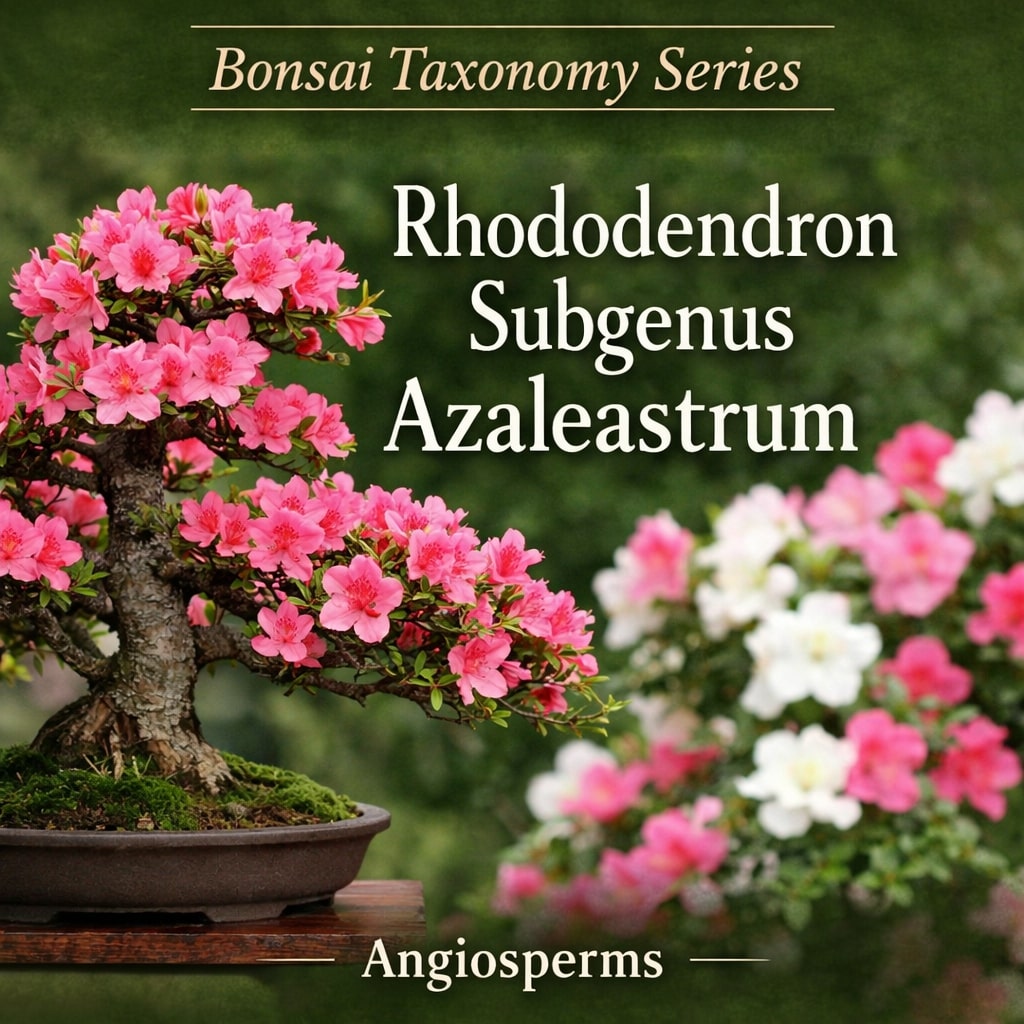
Subgenus Azaleastrum represents one of the most intriguing and often overlooked groups within the broader Rhododendron lineage. Positioned at the crossroads between evergreen rhododendrons and what many gardeners recognise as azaleas, this subgenus helps clarify long-standing taxonomic confusion within the genus.
While not as species-rich or widely discussed as other groups, Rhododendron Subgenus Azaleastrum plays an important role in understanding how azaleas evolved, diversified, and adapted to a range of environments. Its classification has shifted over time as botanical research and phylogenetic studies refined the relationships between rhododendrons and azalea-forming lineages.
Exploring Subgenus Azaleastrum provides valuable insight into rhododendron taxonomy, evolutionary history, and horticultural potential, particularly for growers and bonsai enthusiasts interested in the origins of modern azaleas and their close relatives.
Table of Contents
Taxonomy
– Kingdom: Plantae (Plant Kingdom)
— Clade: Embryophytes (Land Plants)
— Clade: Polysporangiophytes (Multiple Sporangia)
—- Clade: Tracheophytes (Vascular Plants)
—– Superdivision: Spermatophytes (Seed Plants)
—— Clade: Angiospermae (Flowering Plants)
——- Division: Eudicots (True Dicotyledons)
——– Subdivision: Core Eudicots
——— Class: Superasterids (Advanced Flowering Plants)
———- Subclass: Asterids (Unified-Flowering Plants)
———– Order: Ericales (Heath and Tea)
———— Family: Ericaceae (Heath)
————- Subfamily: Ericoideae (Heath)
————– Tribe: Rhodoreae (Rhododendron)
————— Genus: Rhododendron
————— Subgenus: Azaleastrum (Evergreen Azalea Rhododendrons)
What Is Subgenus Azaleastrum?
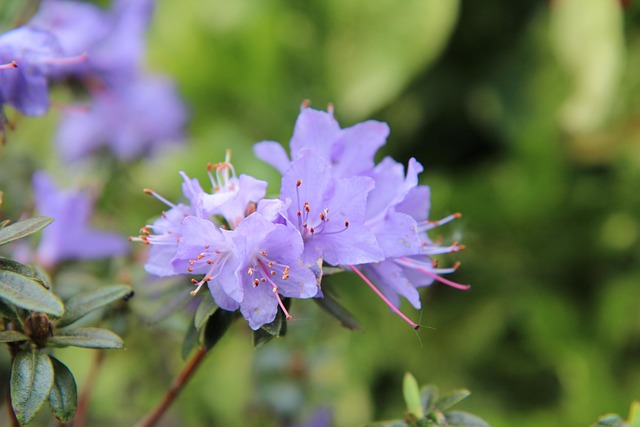
Subgenus Azaleastrum is a formally recognised subgenus within the genus Rhododendron, grouping together a selection of species that bridge the botanical gap between traditional rhododendrons and azaleas. Rather than representing a single, uniform type, this subgenus acts as a taxonomic framework that helps botanists organise several closely related evolutionary lineages.
Historically, many plants now placed in Subgenus Azaleastrum were scattered across different groups or loosely referred to as azaleas based on appearance alone. As botanical classification advanced, researchers recognised that certain species shared deeper structural and genetic traits that justified placing them together under a single subgenus. This helped clarify relationships that were previously blurred by horticultural naming conventions.
Today, Subgenus Azaleastrum is defined less by popular garden terminology and more by scientific characteristics such as floral structure, leaf arrangement, and evolutionary lineage. It includes both evergreen and semi-evergreen species and plays a key role in understanding how azalea-like plants fit into the broader rhododendron family tree.
Although it contains fewer species than some other subgenera, Subgenus Azaleastrum remains important for taxonomic clarity. It provides a reference point for studying the origin of modern azaleas, the diversification of rhododendrons, and the evolutionary steps that connect these closely related plant groups.
Taxonomic Position of Subgenus Azaleastrum Within the Rhododendron Genus
Within the genus Rhododendron, Subgenus Azaleastrum occupies a distinctive taxonomic position that helps bridge older horticultural concepts with modern botanical classification. The genus itself is large and complex, containing hundreds of species with wide variation in leaf type, flower structure, and growth habit. Subgenera are used to organise this diversity into biologically meaningful groups.
Subgenus Azaleastrum is one of several recognised subgenera and is defined by shared morphological and evolutionary traits rather than garden usage. Unlike the traditional split between “azaleas” and “rhododendrons” commonly used by gardeners, botanical taxonomy places all azaleas within the Rhododendron genus, with Subgenus Azaleastrum accounting for specific lineages that do not fit neatly into other subgeneric groupings.
Taxonomically, Azaleastrum contains species that were historically difficult to classify. Some showed evergreen characteristics, while others shared floral or reproductive traits with deciduous azaleas. The establishment of this subgenus allowed botanists to group these species more accurately based on genetic relationships and structural features rather than superficial appearance.
The current classification of Subgenus Azaleastrum includes three recognised sections: Azaleastrum, Sciadorhodion, and Tsutsusi. These sections reflect further refinement within the subgenus, grouping species with closer evolutionary ties. This hierarchical structure illustrates how Subgenus Azaleastrum functions as an intermediate taxonomic layer, clarifying relationships within one of the most diverse plant genera in the Ericaceae family.
Evolutionary Background of Subgenus Azaleastrum

The evolutionary background of Subgenus Azaleastrum reflects the broader diversification of the genus Rhododendron as it adapted to changing climates, varied habitats, and geographic isolation. Rather than evolving as a single, linear lineage, Azaleastrum represents a convergence of several evolutionary branches that share common ancestral traits while adapting in different directions over time.
This subgenus provides valuable insight into how azalea-like plants emerged and diversified within Rhododendron, particularly in relation to leaf habit, flowering behaviour, and environmental tolerance.
Early divergence within the Rhododendron lineage
Subgenus Azaleastrum is believed to have diverged relatively early within the Rhododendron evolutionary tree. Fossil evidence is limited, but molecular studies suggest that these lineages separated as ancestral rhododendrons began spreading across East Asia and surrounding regions. Geographic isolation played a major role, allowing populations to adapt independently to local conditions.
These early divergences helped establish the foundational traits seen in Azaleastrum species today, including variations in evergreen behaviour and floral structure that distinguish them from other subgenera.
Adaptation to diverse climates and habitats
Species within Subgenus Azaleastrum evolved across a wide range of environments, from temperate forests to mountainous regions. This environmental diversity encouraged adaptations such as seasonal leaf retention, specialised flowering times, and tolerance to varying soil conditions.
These adaptations explain why the subgenus includes both evergreen and semi-evergreen species and why it exhibits traits associated with both classic rhododendrons and azaleas. Evolution favoured flexibility, allowing these plants to occupy ecological niches that other groups could not.
Relationship to modern azaleas
One of the most significant aspects of the evolutionary history of Subgenus Azaleastrum is its close relationship to modern azaleas. Many traits associated with azaleas, particularly those found in East Asian species, are thought to have developed along evolutionary pathways represented within this subgenus.
This makes Azaleastrum a key reference point for understanding how azaleas emerged as a recognisable horticultural group, even though they remain botanically embedded within Rhododendron rather than standing as a separate genus.
Insights from molecular phylogenetics
Advances in DNA analysis have greatly improved the understanding of Subgenus Azaleastrum’s evolutionary origins. Molecular phylogenetic studies confirmed that several species previously grouped elsewhere shared closer genetic relationships, justifying their placement within this subgenus.
These findings also led to taxonomic revisions, including the reassignment of certain sections and the elevation of others to subgenus rank. As genetic research continues, Subgenus Azaleastrum remains an important case study in how modern science reshapes plant classification and evolutionary understanding.
Key Morphological Traits of Subgenus Azaleastrum
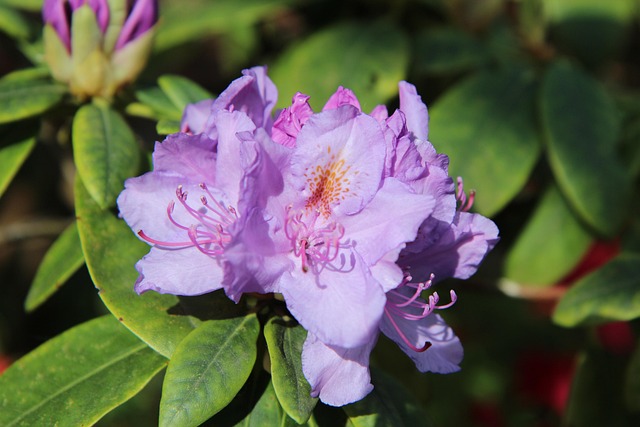
The key morphological traits of Subgenus Azaleastrum reflect its position between traditional rhododendrons and azaleas, combining features seen across both groups. These traits are essential for botanical identification and help explain why species within this subgenus were historically difficult to classify.
Rather than relying on a single defining feature, Subgenus Azaleastrum is recognised through a combination of leaf characteristics, flower structure, and growth habits that together distinguish it within the genus Rhododendron.
Leaf structure and growth habit
Species in Subgenus Azaleastrum display a mix of evergreen and semi-evergreen leaf habits. Leaves are generally smaller and thinner than those found in large-leaved rhododendrons, often resembling classic azalea foliage in shape and texture.
Leaf surfaces are typically smooth and lack the dense scales seen in lepidote rhododendrons. Growth habits range from compact shrubs to more open, spreading forms, reflecting adaptation to diverse ecological conditions.
Floral characteristics and blooming patterns
Flowers within Subgenus Azaleastrum tend to be funnel-shaped or tubular, with a structure closely aligned to azaleas rather than large-flowered rhododendrons. Blooming often occurs in profusion, with multiple flowers produced per stem, creating dense floral displays.
Colour ranges widely, including whites, pinks, reds, and purples, depending on species and section. Flowering time varies by habitat and climate, but many species are adapted to bloom in spring, coinciding with favourable pollinator activity.
Reproductive and structural features
From a reproductive standpoint, Subgenus Azaleastrum shares traits common to azalea-forming lineages, including flower arrangement and stamen count. These features assist botanists in distinguishing Azaleastrum species from other subgenera during flowering seasons.
Seed capsules and branching structures also follow patterns consistent with azalea-type rhododendrons, reinforcing the evolutionary and taxonomic link between these plants. Together, these morphological traits form a cohesive profile that defines Subgenus Azaleastrum within the broader rhododendron family.
Primary Sections Within Subgenus Azaleastrum
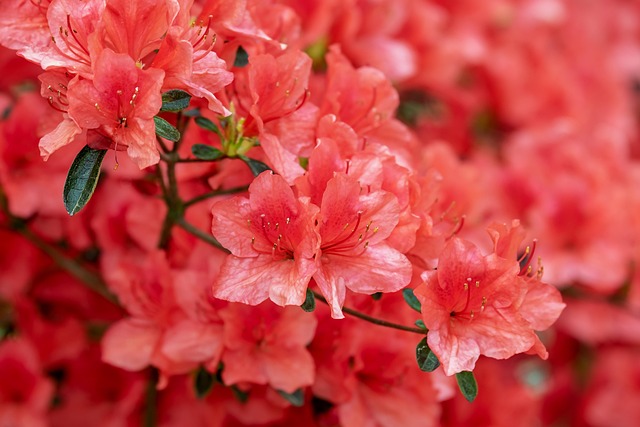
Subgenus Azaleastrum is currently divided into three recognised sections, each representing a distinct evolutionary lineage within the genus Rhododendron. These sections help botanists organise species based on shared morphological traits, genetic relationships, and geographic patterns.
Together, they illustrate the internal diversity of the subgenus and clarify how azalea-like species are structured within modern rhododendron taxonomy.
Azaleastrum sect. Azaleastrum
Section Azaleastrum is the namesake section of the subgenus and contains a relatively small number of species. These plants typically exhibit traits that sit firmly between classic rhododendrons and azaleas, which historically made their classification challenging.
Species in this section often show evergreen tendencies and floral characteristics that align closely with azalea-type blooms. Their limited species count makes them less prominent horticulturally, but they are important taxonomically as a reference point for defining the subgenus as a whole.
Azaleastrum sect. Sciadorhodion
Section Sciadorhodion includes a moderate number of species and represents a more specialised evolutionary branch within Subgenus Azaleastrum. Plants in this section are often associated with specific regional habitats and display adaptations linked to local environmental conditions.
Morphologically, Sciadorhodion species can show subtle differences in leaf form, growth habit, and flowering behaviour when compared to other sections. These distinctions support their separation at sectional level while maintaining their placement within Azaleastrum.
Azaleastrum sect. Tsutsusi
Section Tsutsusi is by far the largest and most significant section within Subgenus Azaleastrum, containing the majority of species. This section includes many plants commonly recognised as evergreen azaleas, particularly those native to East Asia.
Tsutsusi species are especially important in horticulture and bonsai due to their compact growth, prolific flowering, and adaptability to cultivation. Their dominance within the subgenus highlights the strong evolutionary success of this lineage and explains why azaleas are so prominent in gardens worldwide.
Phylogenetic Revisions and Modern Classification of Subgenus Azaleastrum
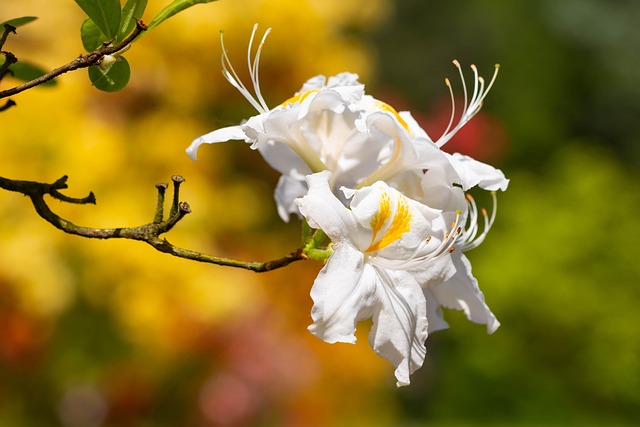
The modern classification of Subgenus Azaleastrum is the result of significant phylogenetic revision driven by advances in molecular biology and genetic analysis. For much of botanical history, rhododendrons and azaleas were classified primarily by visible characteristics such as leaf habit and flower form, which often led to inconsistent or conflicting groupings.
As DNA sequencing techniques became more widely used, researchers were able to examine evolutionary relationships within the genus Rhododendron at a genetic level. These studies revealed that several species previously placed in separate sections or loosely grouped as azaleas shared closer genetic ties than their morphology alone suggested.
One of the most important outcomes of this research was the reorganisation of subgeneric boundaries. In 2005, the former section Choniastrum was elevated to subgenus rank after genetic data demonstrated that it represented a distinct evolutionary lineage. To maintain taxonomic clarity, sections Sciadorhodion and Tsutsusi were reassigned to Subgenus Azaleastrum, reshaping the internal structure of the group.
These phylogenetic revisions confirmed that Subgenus Azaleastrum is not an artificial or convenience-based grouping, but a genetically coherent subgenus. The updated classification reflects evolutionary history more accurately, aligning morphological traits with underlying genetic relationships rather than horticultural naming traditions.
Ongoing phylogenetic research continues to refine the understanding of rhododendron relationships, and further adjustments remain possible as new data emerges. Subgenus Azaleastrum stands as a clear example of how modern classification systems evolve, balancing historical knowledge with contemporary scientific evidence.
Geographic Distribution and Natural Habitats of Subgenus Azaleastrum

Subgenus Azaleastrum is primarily distributed across East and Southeast Asia, a region that has played a central role in the diversification of the genus Rhododendron. The concentration of species in this part of the world reflects a long evolutionary history shaped by complex geography, varied climates, and periods of isolation that encouraged speciation.
Although the subgenus is not as geographically widespread as some other rhododendron groups, its distribution overlaps with areas recognised as global biodiversity hotspots, particularly in mountainous and forested regions.
Many species within Subgenus Azaleastrum are native to Japan, China, Korea, and parts of Southeast Asia, where they occupy woodland margins, forest understories, and upland slopes. These habitats typically provide acidic soils, good drainage, and filtered light, conditions that favour rhododendron growth and flowering.
Altitude plays an important role in habitat selection. Some Azaleastrum species thrive at lower elevations in temperate forests, while others are adapted to higher, cooler mountain environments. This altitudinal variation has contributed to differences in growth habit, leaf persistence, and flowering times across the subgenus.
Moisture availability is another defining ecological factor. Many species prefer regions with consistent rainfall and high humidity, though well-drained soils remain essential to prevent root rot. Seasonal climate patterns, including cold winters and mild springs, have also influenced the development of deciduous or semi-evergreen traits in certain lineages.
The natural habitats of Subgenus Azaleastrum help explain its horticultural popularity. Plants adapted to forest edges and slopes often respond well to cultivation when similar conditions are replicated, particularly in gardens and bonsai settings. Understanding where these species grow naturally provides valuable guidance for their care, propagation, and long-term health.
Can Subgenus Azaleastrum Species Be Grown as Bonsai?
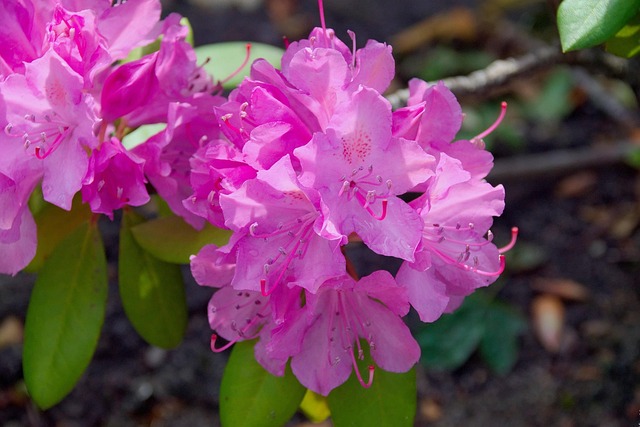
Yes, many species within Subgenus Azaleastrum can be grown successfully as bonsai, and some are among the most popular flowering bonsai plants worldwide. Their naturally small leaves, fine branching, and prolific flowering make them especially well suited to miniature cultivation.
Species from Azaleastrum sect. Tsutsusi, in particular, are highly valued in bonsai practice. These evergreen azaleas respond well to pruning, develop dense ramification over time, and produce dramatic floral displays when properly maintained. Their growth habits allow bonsai artists to create compact, balanced forms without excessive intervention.
From a horticultural perspective, Azaleastrum species share many care requirements that align with bonsai cultivation. They prefer acidic soil, consistent moisture, and protection from extreme heat or frost. Regular pruning after flowering encourages new growth and helps maintain shape, while careful root management supports long-term health in shallow containers.
One of the key challenges when growing Subgenus Azaleastrum as bonsai is managing flowering without exhausting the plant. While abundant blooms are desirable, allowing a tree to flower too heavily year after year can weaken growth. Successful bonsai cultivation involves balancing aesthetic goals with structural development and vitality.
Overall, Subgenus Azaleastrum holds a respected place in bonsai, bridging botanical interest with practical artistry. Its species offer both visual impact and manageable growth traits, making them a rewarding choice for beginners and experienced bonsai practitioners alike.
Subgenus Azaleastrum in Horticulture and Bonsai Practice
Subgenus Azaleastrum occupies an important position in both horticulture and bonsai, combining botanical significance with strong ornamental appeal. Its species, particularly those commonly recognised as evergreen azaleas, have shaped garden design, nursery cultivation, and bonsai traditions for generations.
In horticulture, Azaleastrum species are valued for their compact growth, seasonal colour, and adaptability to a range of temperate climates. They are widely used in ornamental gardens, landscape plantings, and container cultivation, where their predictable flowering cycles and manageable size make them reliable choices. Their preference for acidic soils and partial shade aligns well with woodland-style planting schemes.
Within bonsai practice, Subgenus Azaleastrum stands out as one of the most refined flowering groups available to growers. Its fine branching structure, responsive growth, and ability to produce dense floral displays on small trees make it especially suitable for artistic training. Over time, well-maintained specimens can develop aged trunks and intricate forms while retaining their characteristic blooms.
Beyond aesthetics, Azaleastrum plays a broader educational role. It helps growers and enthusiasts understand the close relationship between azaleas and rhododendrons, reinforcing the value of taxonomy in practical cultivation. By studying Subgenus Azaleastrum, horticulturists and bonsai artists gain insight into plant evolution, classification, and how natural traits influence long-term care.
As interest in flowering bonsai and botanical accuracy continues to grow, Subgenus Azaleastrum remains a cornerstone group. Its blend of scientific relevance and horticultural excellence ensures it will continue to influence both gardens and bonsai collections for years to come.