
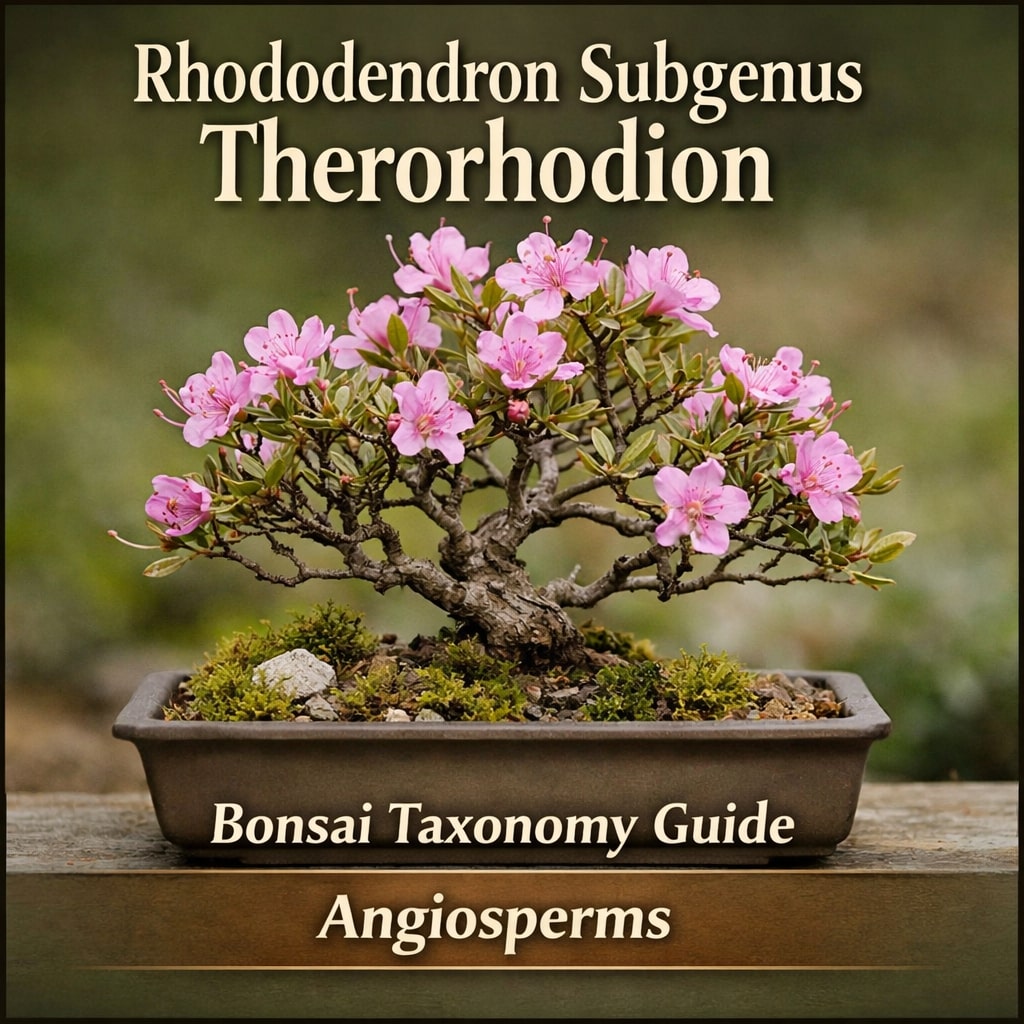
Rhododendron Subgenus Therorhodion represents one of the smallest, most unusual, and evolutionarily intriguing groups within the Rhododendron genus. Long treated by some botanists as a separate genus due to its distinctive traits, Therorhodion is now generally recognised as a distinct subgenus based on modern phylogenetic research. Its limited number of species, cold-adapted ecology, and atypical flowering behaviour set it apart from all other rhododendrons.
Unlike the large, diverse subgenera commonly encountered in horticulture, Subgenus Therorhodion is defined by its rarity and specialisation. Species within this group are low-growing, deciduous shrubs adapted to harsh, northern environments, with flowers that emerge on the current season’s growth rather than from overwintering buds. These characteristics make Therorhodion an important lineage for understanding the evolutionary history of Rhododendron as a whole, as well as a fascinating subject for collectors, botanists, and advanced bonsai enthusiasts.
In this article, we explore the taxonomic position, evolutionary background, morphology, distribution, and horticultural relevance of Subgenus Therorhodion, with particular attention to its role within modern rhododendron classification and its potential in bonsai practice.
Table of Contents
Taxonomy
– Kingdom: Plantae (Plant Kingdom)
— Clade: Embryophytes (Land Plants)
— Clade: Polysporangiophytes (Multiple Sporangia)
—- Clade: Tracheophytes (Vascular Plants)
—– Superdivision: Spermatophytes (Seed Plants)
—— Clade: Angiospermae (Flowering Plants)
——- Division: Eudicots (True Dicotyledons)
——– Subdivision: Core Eudicots
——— Class: Superasterids (Advanced Flowering Plants)
———- Subclass: Asterids (Unified-Flowering Plants)
———– Order: Ericales (Heath and Tea)
———— Family: Ericaceae (Heath)
————- Subfamily: Ericoideae (Heath)
————– Tribe: Rhodoreae (Rhododendron)
————— Genus: Rhododendron
————— Subgenus: Therorhodion (Kamchatka Rhododendrons)
What Is Subgenus Therorhodion?
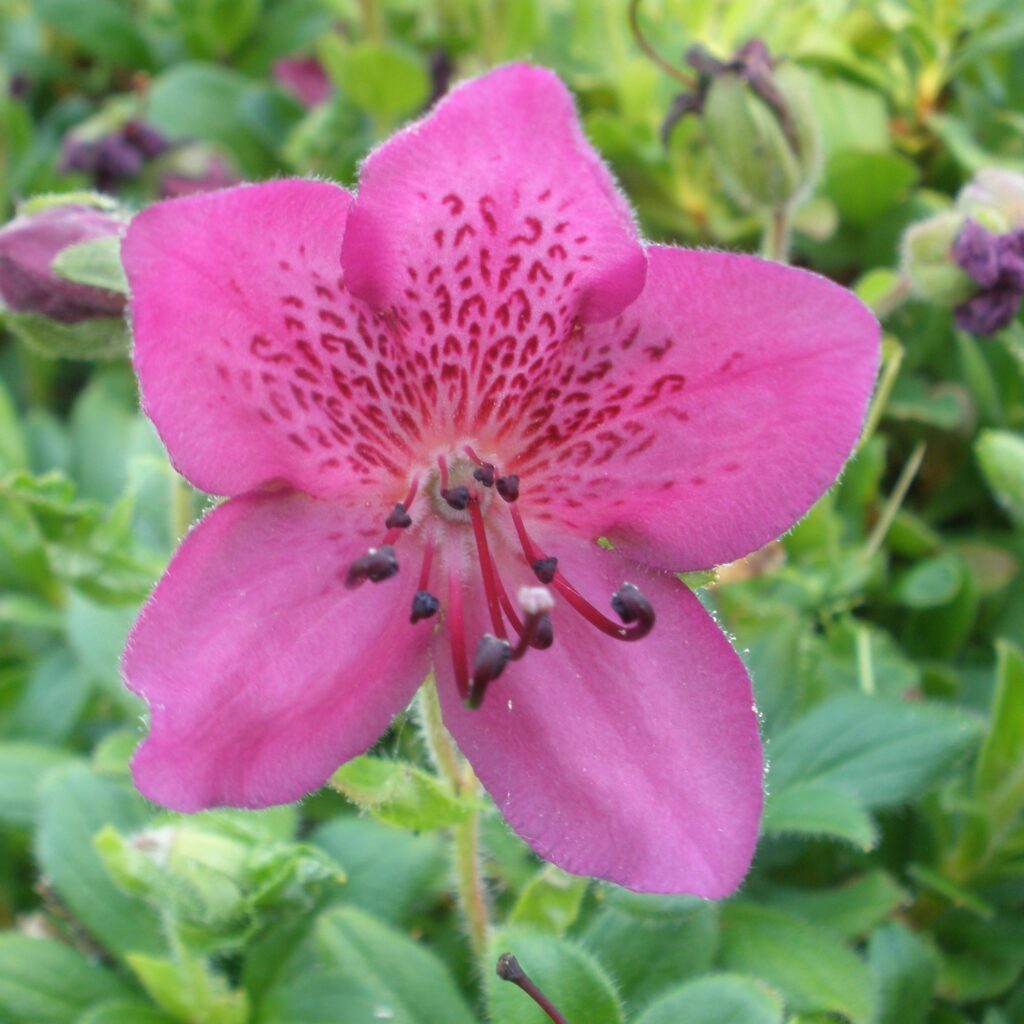
Subgenus Therorhodion is a small, highly distinctive group within the genus Rhododendron, recognised for its unique evolutionary position and unusual morphological traits. It contains only a few species, most notably Rhododendron camtschaticum and Rhododendron redowskianum, which differ markedly from the majority of rhododendrons in growth habit, flowering behaviour, and adaptation to climate.
Historically, plants in this group were often treated as a separate genus, Therorhodion, because they do not fit neatly into the traditional lepidote or elepidote categories used for most rhododendrons. Modern molecular studies, however, have shown that these species belong within Rhododendron as a basal and distinct lineage, leading to their current placement as a separate subgenus rather than a standalone genus.
One of the defining features of Subgenus Therorhodion is its flowering pattern. Unlike most rhododendrons, which form specialised flower buds in the previous growing season, Therorhodion species produce flowers at the tips of the current year’s leafy shoots. This trait, combined with their deciduous nature and low, spreading growth form, reflects their adaptation to cold, short growing seasons in northern and alpine regions.
As a result of these characteristics, Subgenus Therorhodion occupies a unique position within rhododendron taxonomy. It provides valuable insight into the early evolutionary history of the genus while also representing a highly specialised group with limited but significant horticultural and botanical interest.
Taxonomic Position of Subgenus Therorhodion Within the Rhododendron Genus
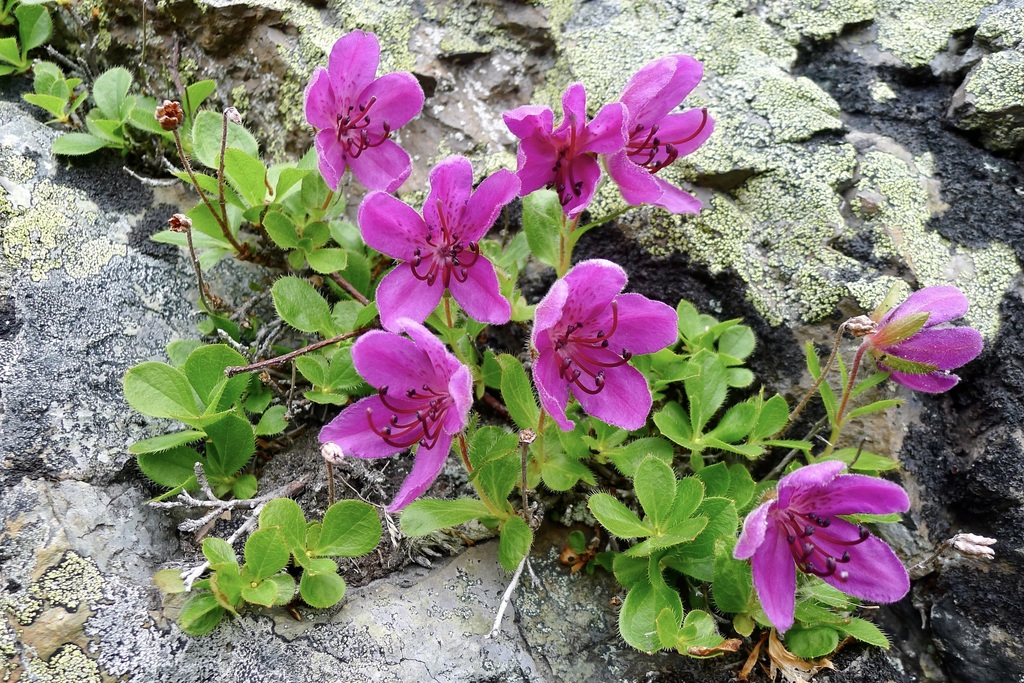
The taxonomic position of Subgenus Therorhodion within the Rhododendron genus has long been a subject of debate due to its distinct morphological traits and limited number of species. Early taxonomists often treated Therorhodion as a separate genus, reflecting how strongly it differed from the more familiar evergreen and deciduous rhododendrons. These differences included its unusual flowering habit, deciduous foliage, and atypical indumentum, which did not align cleanly with existing rhododendron groupings.
In traditional classification systems, particularly those based on morphological characteristics, Therorhodion stood apart from both lepidote (scaly-leaved) and elepidote (non-scaly) rhododendrons. This led to its separation at the generic level in some schemes, especially before the widespread use of molecular data. However, this approach relied heavily on visible traits rather than evolutionary relationships.
The introduction of molecular phylogenetic studies, including analyses using matK, ITS, and later RPB2 sequences, fundamentally reshaped rhododendron taxonomy. These studies confirmed that Rhododendron is a monophyletic genus and demonstrated that Therorhodion occupies a basal position within it. In particular, Rhododendron camtschaticum, the best-known species of the group, consistently appeared as a sister lineage to all other rhododendrons, indicating an early divergence rather than a separate evolutionary origin.
As a result, modern classification systems generally retain Therorhodion within Rhododendron as a distinct subgenus. Unlike several other subgenera that were merged, disassembled, or redefined following molecular revisions, Subgenus Therorhodion remained intact due to its clear genetic cohesion and unique evolutionary placement. Today, it is recognised as one of the few subgenera that preserves an ancient lineage within the genus, making it taxonomically significant despite its small size.
Evolutionary Background of Subgenus Therorhodion
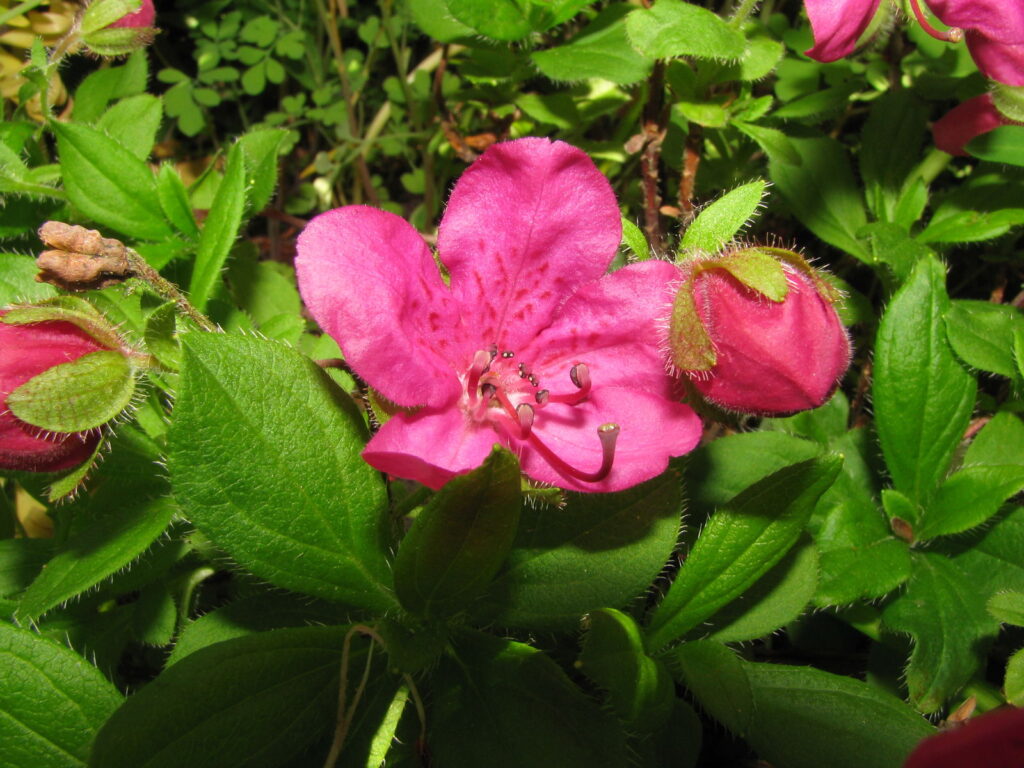
The evolutionary history of Subgenus Therorhodion is central to understanding the origin and diversification of the Rhododendron genus as a whole. Despite containing only a small number of species, Therorhodion occupies a uniquely important position in rhododendron evolution, representing one of the earliest diverging lineages within the genus. Its characteristics reflect ancient adaptations that differ markedly from those seen in more derived rhododendron groups.
Modern phylogenetic research has helped clarify how and when Therorhodion diverged, revealing why it has retained such distinctive traits while the rest of the genus diversified extensively.
Basal position within the Rhododendron lineage
Molecular studies have consistently shown that Subgenus Therorhodion occupies a basal position within Rhododendron. This means it diverged early from the common ancestor of all rhododendrons, before the major radiation that produced the large and diverse subgenera seen today.
In several phylogenetic analyses, Rhododendron camtschaticum appears as a sister lineage to all other rhododendrons. This placement suggests that Therorhodion preserves traits closer to the ancestral form of the genus, making it particularly valuable for reconstructing rhododendron evolutionary history.
Evidence from molecular phylogenetics
The shift from morphology-based classification to molecular phylogenetics was key to understanding Therorhodion’s evolutionary background. Studies using genetic markers such as matK, ITS, and RPB2 confirmed that Therorhodion belongs within Rhododendron, rather than representing a separate genus.
These analyses demonstrated that the distinct features of Therorhodion are the result of early divergence and long-term isolation, not a fundamentally different evolutionary origin. Unlike some other subgenera that proved to be polyphyletic and required restructuring, Therorhodion showed genetic consistency and remained intact as a natural evolutionary unit.
Survival through climatic and geographic isolation
The present-day distribution of Therorhodion species provides insight into their evolutionary persistence. Confined to cold, northern regions of East Asia and northwestern North America, these plants are adapted to harsh climates, short growing seasons, and extreme environmental conditions.
This geographic isolation likely played a major role in limiting diversification within the subgenus. While other rhododendron lineages expanded into a wide range of habitats and evolved diverse growth forms, Therorhodion remained specialised, retaining a low-growing, deciduous habit suited to alpine and subarctic environments.
Evolutionary significance within the genus
Although small in size, Subgenus Therorhodion holds disproportionate evolutionary significance. Its early divergence, unique flowering behaviour, and retention of ancestral traits make it a key reference point for understanding how modern rhododendrons evolved.
By studying Therorhodion, botanists gain insight into the structural and ecological characteristics that may have defined the earliest rhododendrons, as well as the evolutionary pathways that led to the vast diversity seen across the genus today.
Key Morphological Traits of Subgenus Therorhodion
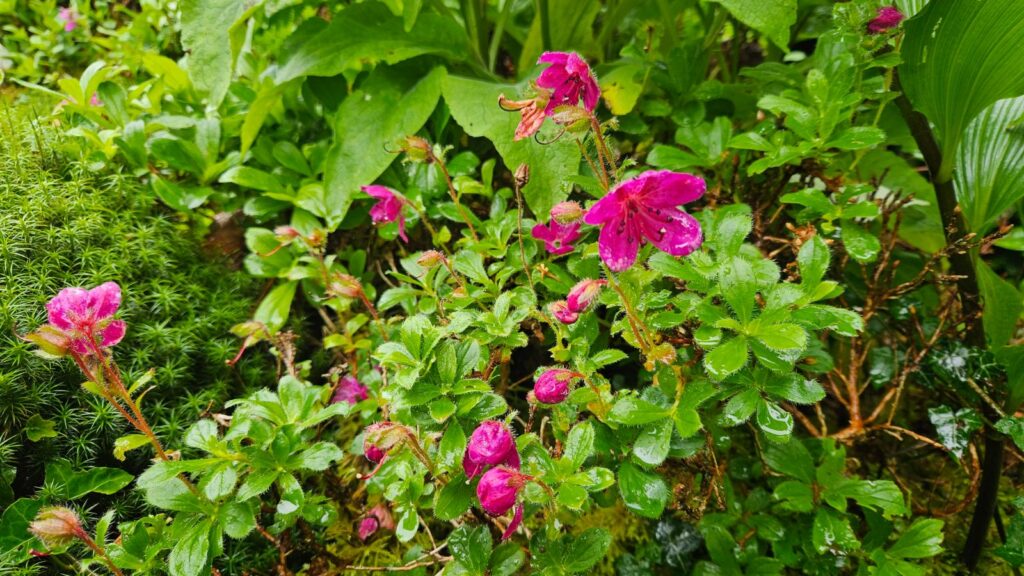
Subgenus Therorhodion is defined by a combination of morphological traits that clearly distinguish it from other rhododendron groups. These characteristics reflect both its early evolutionary divergence and its adaptation to cold, often harsh environments. While subtle at first glance, these features are taxonomically significant and help explain why Therorhodion was historically treated as a separate genus.
The following traits collectively define the unique morphology of this subgenus.
Growth habit and deciduous nature
Species within Subgenus Therorhodion are low-growing, spreading shrubs with a compact, ground-hugging form. Unlike many evergreen rhododendrons, Therorhodion species are fully deciduous, shedding their leaves annually in response to seasonal conditions.
This growth habit is well suited to alpine and subarctic environments, where exposure to wind, snow cover, and freezing temperatures favours plants that remain close to the ground and minimise winter damage.
Leaf structure and indumentum
The leaves of Therorhodion species are relatively thin and soft compared to those of many other rhododendrons. A key distinguishing feature is the nature of their leaf hairs, or indumentum. Rather than bearing the characteristic lepidote scales seen in many rhododendrons, or being entirely elepidote, Therorhodion species display a unique combination of glandular and non-glandular hairs.
This unusual indumentum pattern sets them apart from traditional rhododendron classifications and was one of the main reasons early botanists questioned their placement within the genus.
Flowering habit and bud development
One of the most distinctive traits of Subgenus Therorhodion is its flowering behaviour. Flowers are produced at the ends of the current season’s leafy shoots rather than from specialised flower buds formed during the previous year.
This contrasts sharply with most rhododendrons and reflects adaptation to short growing seasons, where flexibility in flowering timing provides a survival advantage. The flowers are typically showy in proportion to the plant’s size, enhancing their visibility to pollinators in sparse habitats.
Floral morphology
The flowers of Therorhodion species exhibit morphological features that differ subtly from those of other rhododendrons. The corolla often has a hairy outer surface, and floral structures tend to be less rigidly organised than in more derived subgenera.
These characteristics reinforce the subgenus’s distinct identity and support its recognition as an early-diverging lineage within Rhododendron.
Distinction from lepidote and elepidote groups
Traditional rhododendron classification relies heavily on the presence or absence of lepidote scales on the leaves. Subgenus Therorhodion does not fit neatly into either category, occupying an intermediate morphological position.
This ambiguity contributed to its long-standing taxonomic uncertainty but is now understood as evidence of its ancient evolutionary origin rather than an anomaly. As such, the morphological traits of Subgenus Therorhodion provide valuable insight into the early structural diversity of the Rhododendron genus.
Primary Species Within Subgenus Therorhodion
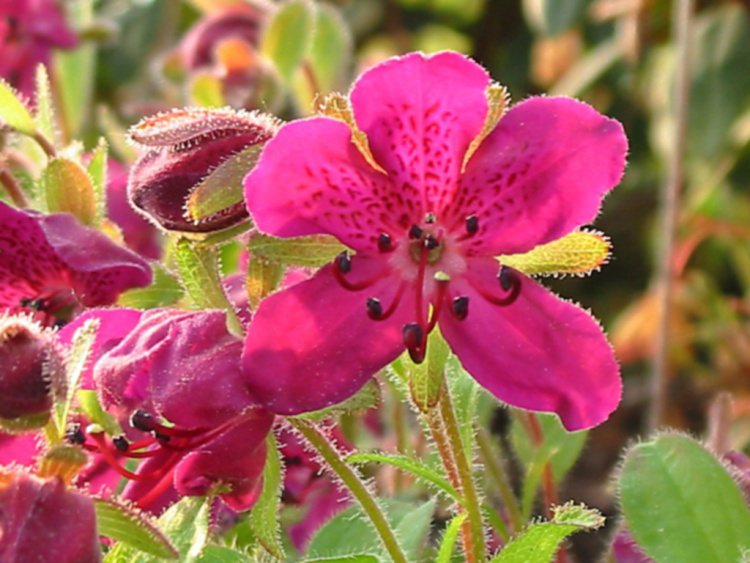
Subgenus Therorhodion is one of the smallest groupings within the Rhododendron genus, containing only a very limited number of species. Unlike other subgenera that are divided into sections and subsections, Therorhodion is best understood at the species level due to its narrow evolutionary scope and high degree of specialisation. Each species plays an important role in defining the subgenus as a whole.
Rhododendron camtschaticum
Rhododendron camtschaticum, commonly known as the Kamchatka rhododendron or Kamchatka rosebay, is the most widely recognised and well-studied species within Subgenus Therorhodion. It is a low-growing, deciduous shrub adapted to cold, alpine, and subarctic environments.
This species is notable for its flowers, which appear at the tips of the current year’s leafy shoots rather than from pre-formed buds. Its leaves lack typical rhododendron scales and instead display a distinctive hair structure. R. camtschaticum has a circumpolar distribution across parts of East Asia and northwestern North America, reflecting its ability to survive in extreme climates.
Rhododendron redowskianum
Rhododendron redowskianum is less widely known but is equally important from a taxonomic and evolutionary perspective. Like R. camtschaticum, it is deciduous and low-growing, with morphological traits that align closely with the defining characteristics of Subgenus Therorhodion.
This species is primarily distributed in northeastern Asia, where it occupies cold, mountainous habitats. Its restricted range and specialised ecological requirements make it of particular interest to botanists studying plant adaptation and survival in marginal environments.
Significance of limited species diversity
The extremely small number of species within Subgenus Therorhodion highlights its role as a relict lineage rather than a rapidly diversifying group. The limited diversification is likely the result of long-term geographic isolation and strict environmental constraints.
Together, Rhododendron camtschaticum and Rhododendron redowskianum define the morphological, ecological, and evolutionary boundaries of Subgenus Therorhodion, making them central to understanding this unique and ancient branch of the Rhododendron family.
Geographic Distribution and Natural Habitats of Subgenus Therorhodion
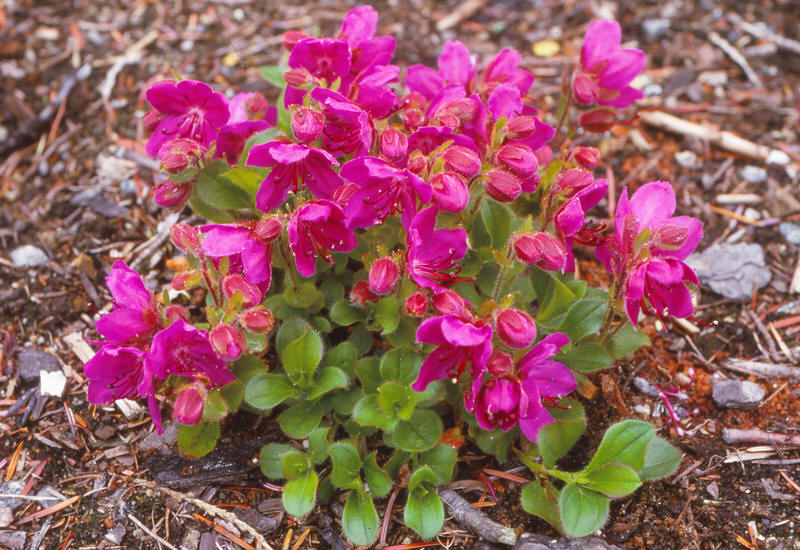
Subgenus Therorhodion is geographically restricted to cold, northern regions of the Northern Hemisphere, reflecting its strong adaptation to harsh climates and short growing seasons. Unlike many rhododendrons that thrive in temperate or subtropical forests, Therorhodion species are specialists of alpine, subarctic, and boreal environments.
Geographic distribution
- Northeastern Asia – Found in parts of Siberia, the Russian Far East, Kamchatka Peninsula, and northern Japan
- Northwestern North America – Occurs in Alaska, the Aleutian Islands, and adjacent regions
- Circumboreal pattern – The distribution of Rhododendron camtschaticum spans both Asia and North America, reflecting ancient land connections and long-distance dispersal
Natural habitats
- Alpine and subalpine zones with cool summers and long, cold winters
- Tundra margins where vegetation is low-growing and exposure to wind is high
- Rocky slopes and gravelly soils that offer good drainage despite frequent moisture
- Open woodland edges and coastal climates in northern regions with high humidity and cool temperatures
Environmental adaptations
- Cold tolerance allowing survival through freezing temperatures and snow cover
- Low, spreading growth habit that reduces wind damage and heat loss
- Deciduous foliage that limits winter desiccation and frost injury
- Flexible flowering timing adapted to short and unpredictable growing seasons
The geographic range and habitat preferences of Subgenus Therorhodion help explain both its limited species diversity and its distinctive morphology. These plants are finely tuned to environments where few woody shrubs can survive, reinforcing their status as a highly specialised and evolutionarily significant group within Rhododendron.
Cultivation and Horticultural Importance of Subgenus Therorhodion
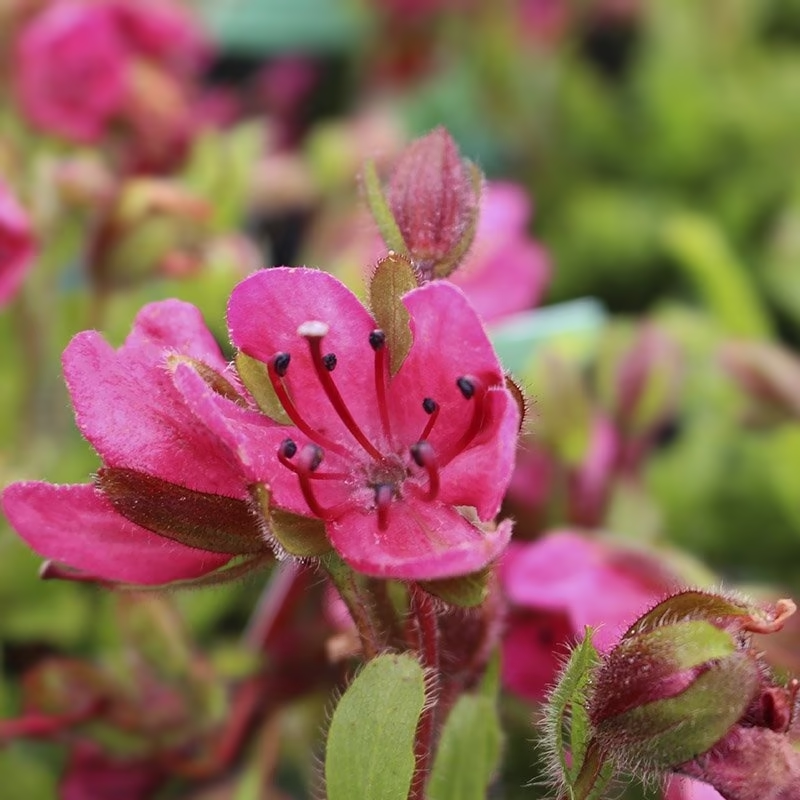
Although Subgenus Therorhodion is rarely encountered in mainstream horticulture, it holds a specialised but meaningful place among collectors, botanical gardens, and enthusiasts interested in cold-hardy plants. Its limited number of species, combined with specific environmental requirements, has kept it largely outside commercial cultivation, yet these same traits contribute to its botanical value and appeal.
Therorhodion species are best suited to cool climates that closely resemble their natural habitats. They prefer well-drained, acidic soils and environments with consistent moisture but without prolonged waterlogging. In regions with mild summers and cold winters, these plants can be grown successfully as ornamental shrubs, particularly in rock gardens, alpine plantings, and naturalistic landscapes.
From a horticultural perspective, Rhododendron camtschaticum is the most commonly cultivated species of the subgenus. Its compact growth habit and relatively large, showy flowers make it attractive despite its small stature. However, it requires careful site selection, as excessive heat, poor drainage, or unsuitable soil conditions can quickly lead to stress and decline.
The horticultural importance of Subgenus Therorhodion extends beyond ornamental use. Because it represents an early-diverging lineage within Rhododendron, it is of considerable interest to botanical institutions and researchers. These species are often maintained in living collections to support taxonomic studies, conservation efforts, and research into plant adaptation to extreme environments.
While not widely used in breeding programmes or commercial landscaping, Subgenus Therorhodion remains an important component of rhododendron diversity. Its cultivation contributes to the preservation of rare genetic lineages and provides valuable insight into the evolutionary history and ecological resilience of the genus.
Can Subgenus Therorhodion Species Be Grown as Bonsai?
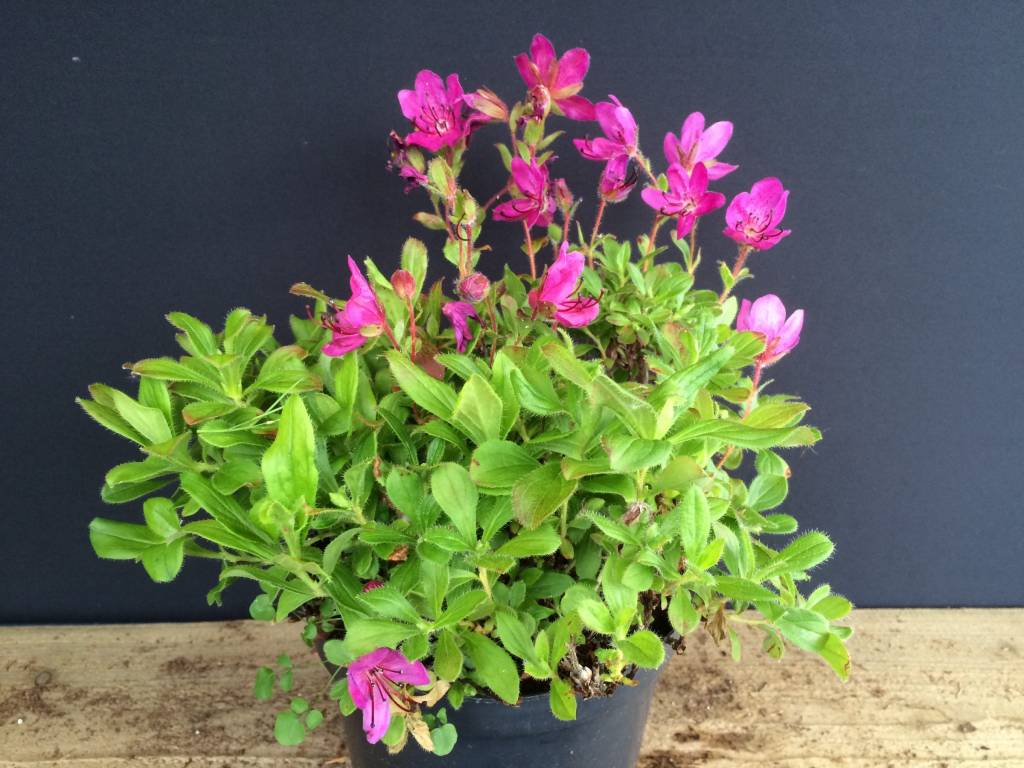
Growing species from Subgenus Therorhodion as bonsai is possible, but it is considered highly specialised and best suited to experienced growers. These plants differ significantly from more commonly used rhododendron and azalea species, both in their growth habits and environmental requirements, which present unique challenges in bonsai cultivation.
Therorhodion species are naturally low-growing and compact, traits that can work in favour of bonsai design. Their small stature and seasonal leaf drop lend themselves to informal, naturalistic styles rather than highly structured or dramatic forms. However, their slow growth rate and sensitivity to heat mean that development is gradual and requires patience.
Climate is one of the most critical factors. Subgenus Therorhodion is adapted to cool, often cold environments, and prolonged exposure to high temperatures can weaken or damage the plant. Successful bonsai cultivation therefore depends on providing a cool growing environment, excellent drainage, and protection from excessive summer heat.
Pruning and training must be approached cautiously. These species flower on the current season’s growth, which means heavy pruning at the wrong time can significantly reduce flowering. Wiring should be minimal, as branches tend to be fine and relatively delicate compared to those of more robust rhododendrons.
While Subgenus Therorhodion is not suitable for beginners, it offers a rewarding challenge for advanced bonsai practitioners interested in rare taxa and naturalistic forms. When grown under appropriate conditions, these plants can produce subtle, refined bonsai that highlight their unique evolutionary history rather than dramatic visual impact.
Subgenus Therorhodion in Bonsai Practice and Care
Subgenus Therorhodion occupies a unique and highly specialised place in bonsai practice. Rather than offering dramatic flowers or rapid structural development, these plants appeal to growers who value subtlety, restraint, and botanical authenticity. Their naturally compact form, deciduous habit, and seasonal character align well with naturalistic bonsai styles that emphasise landscape realism over spectacle.
Successful bonsai care for Therorhodion species depends on respecting their ecological origins. Cool temperatures, excellent drainage, acidic soil, and protection from excessive heat are essential. Maintenance should prioritise plant health over aggressive shaping, with light pruning, minimal wiring, and careful timing to preserve both structure and flowering potential.
While not widely cultivated or commercially promoted, Subgenus Therorhodion offers significant value to advanced bonsai practitioners and collectors interested in rare rhododendron lineages. Its presence in bonsai collections contributes to the preservation of an ancient evolutionary branch of the genus and encourages a deeper appreciation for diversity beyond more familiar azalea and rhododendron species.
In this way, Subgenus Therorhodion stands as a reminder that bonsai is not only an art of form, but also a practice rooted in horticultural understanding, patience, and respect for a plant’s natural history.