
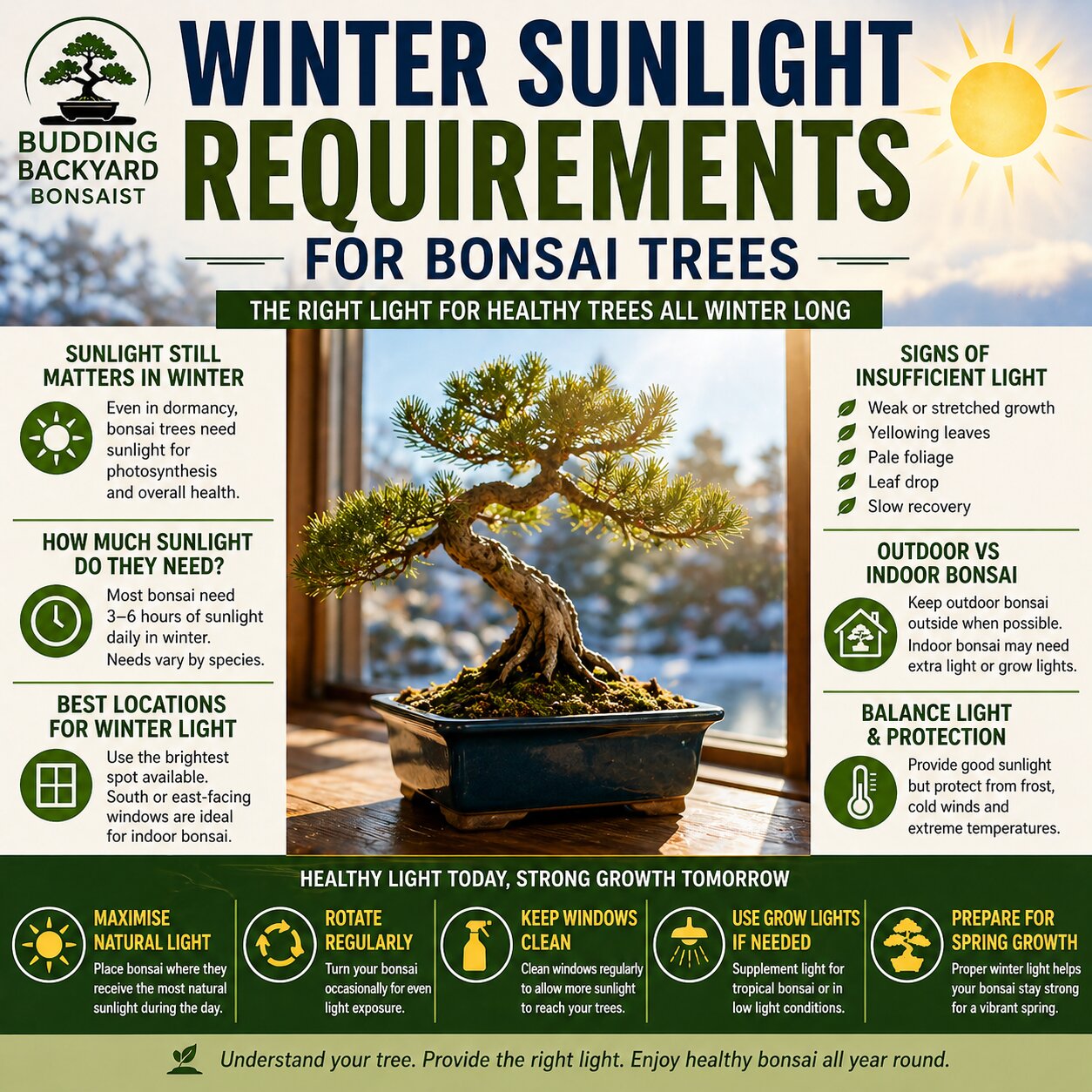
Different bonsai species respond differently to winter conditions. Deciduous trees may lose their leaves and enter dormancy, while evergreen and tropical bonsai trees often continue growing slowly throughout winter. Because of this, the ideal winter sunlight requirement can vary depending on the type of bonsai you own.
Many bonsai owners assume their trees need very little attention during colder months, but understanding the correct winter sunlight requirement for bonsai trees remains extremely important. Even during dormancy or slower growth periods, bonsai trees still rely on proper lighting to maintain health and prepare for spring growth.
Outdoor bonsai trees generally benefit from natural sunlight exposure during winter, especially in regions with mild climates. However, reduced daylight hours, overcast conditions, and cold weather can still affect growth and energy levels.
Indoor bonsai trees often face even greater challenges during winter. Shorter days and weaker sunlight entering through windows can reduce the amount of energy available for healthy development. Understanding the correct winter sunlight requirement helps prevent stress and poor growth.
How Much Winter Sunlight Bonsai Trees Need
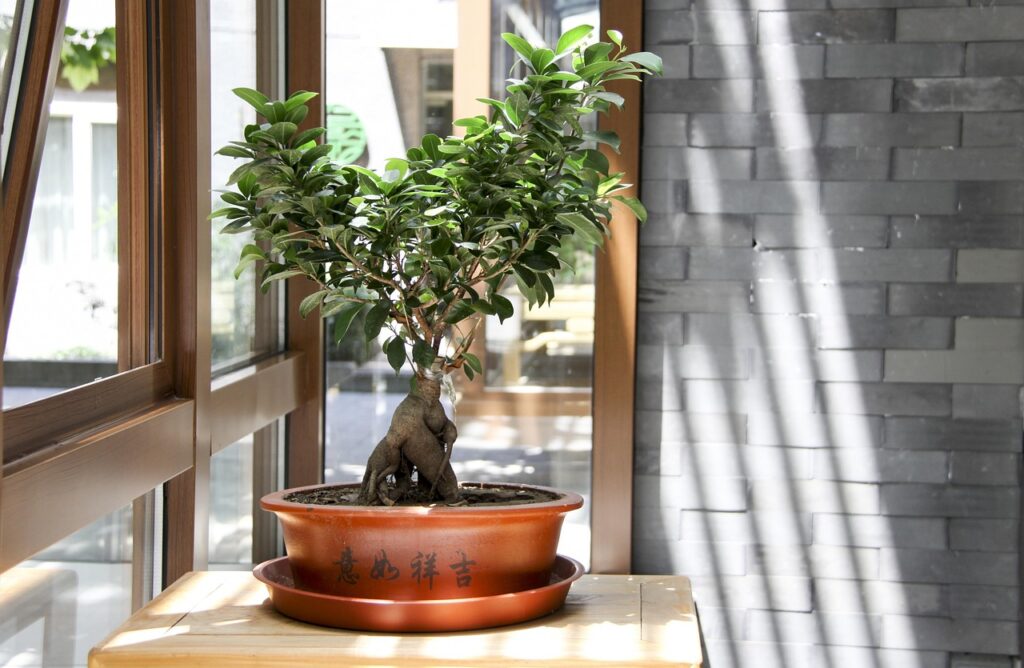
Most bonsai trees still require several hours of sunlight per day during winter. While growth slows down, sunlight remains essential for photosynthesis and overall tree health. The exact winter sunlight requirement depends heavily on whether the bonsai is tropical, evergreen, or deciduous.
Deciduous bonsai trees that lose their leaves generally need less direct sunlight while dormant. However, they still benefit from bright outdoor conditions and natural seasonal exposure. Keeping them in complete darkness is not recommended.
Evergreen bonsai trees continue photosynthesis throughout winter and usually require more consistent sunlight exposure. Junipers, pines, and similar species should still receive good outdoor light whenever possible.
Tropical bonsai trees often have the highest winter sunlight requirement because they do not experience true dormancy. These trees may struggle indoors if lighting becomes too weak during winter months.
Signs Your Bonsai Is Not Getting Enough Light
Poor lighting conditions can lead to several visible problems in bonsai trees during winter. Recognising these symptoms early helps owners make adjustments before long-term damage occurs.
Common signs include:
- Weak or stretched growth
- Yellowing leaves
- Premature leaf drop
- Pale foliage colour
- Slow recovery from watering
- Increased susceptibility to disease
- Reduced spring growth
Monitoring these warning signs can help determine whether your bonsai’s winter sunlight requirement is being met properly.
Best Locations For Winter Sunlight
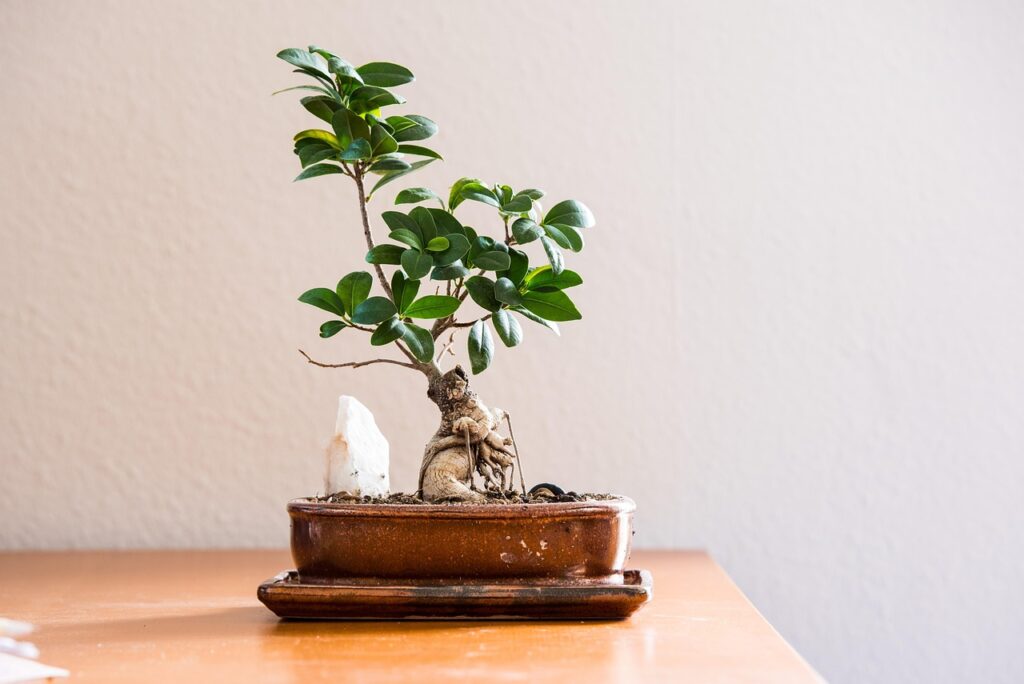
Choosing the right location is one of the most important parts of managing the winter sunlight requirement for bonsai trees. Outdoor bonsai should ideally remain in locations where they receive natural morning or midday sunlight while being protected from harsh frost or freezing winds.
Indoor bonsai trees benefit from bright windows that receive direct sunlight for several hours each day. North-facing windows may not provide enough light during winter, especially in some regions of South Africa.
Rotating indoor bonsai occasionally can help ensure balanced light exposure. Dusty windows should also be cleaned regularly to maximise available sunlight entering the room.
Some bonsai owners use grow lights to supplement natural lighting during winter. This can be especially useful for tropical species with a higher winter sunlight requirement when natural daylight becomes limited.
Balancing Light With Temperature Protection
While sunlight is important, bonsai owners must also avoid exposing trees to dangerous temperature extremes. Finding the right balance between light and protection becomes especially important during winter weather changes.
Outdoor bonsai may need temporary shelter during storms, frost, or extreme cold snaps. However, constantly moving trees indoors and outdoors can stress them due to sudden environmental changes.
Indoor heating systems can also affect bonsai trees negatively. Placing bonsai too close to heaters or fireplaces may dry out the soil and foliage quickly, even if the winter sunlight requirement is being met.
Careful monitoring helps maintain healthy winter conditions without creating additional stress for the tree.
Preparing Bonsai Trees For Healthy Spring Growth
Meeting the proper winter sunlight requirement helps bonsai trees maintain strength during colder months and prepares them for healthier growth once spring arrives. Even dormant trees benefit from proper seasonal lighting and environmental balance.
Understanding your bonsai species, monitoring light exposure, and adjusting placement when needed can make a significant difference in long-term tree health. Winter care is not simply about protecting bonsai from cold weather. It is also about maintaining the right conditions for recovery and future growth.
For more bonsai care guides, seasonal tips, and beginner-friendly advice, explore more through Budding Backyard Bonsaist.