
Superasterids are a major lineage of flowering plants that represent some of the most advanced and diverse angiosperms on Earth. This group includes an enormous range of trees, shrubs, herbs, and ornamentals that dominate modern ecosystems, agriculture, and horticulture.
Rather than being defined by a single visible trait, Superasterids are united by evolutionary relationships and shared structural innovations. These advanced flowering plants evolved sophisticated vascular systems, complex flowers, and highly efficient reproductive strategies that allowed them to rapidly diversify and outcompete earlier plant lineages.
In the context of bonsai and cultivation, Superasterids behave very differently from conifers and other ancient plant groups. Their faster growth, greater regenerative ability, and strong response to pruning make them well suited to techniques that rely on backbudding, ramification, and seasonal refinement.
Understanding Superasterids provides essential insight into why many popular flowering and deciduous bonsai species grow, heal, and respond the way they do. By viewing them through a taxonomic and evolutionary lens, growers gain a clearer framework for selecting techniques that align with the biology of advanced flowering plants rather than working against it.
Table of Contents
Taxonomy
– Kingdom: Plantae (Plant Kingdom)
— Clade: Embryophytes (Land Plants)
— Clade: Polysporangiophytes (Multiple Sporangia)
—- Clade: Tracheophytes (Vascular Plants)
—– Superdivision: Spermatophytes (Seed Plants)
—— Clade: Angiospermae (Flowering Plants)
——- Division: Eudicots (True Dicotyledons)
——– Subdivision: Core Eudicots
——— Class: Superasterids (Advanced Flowering Plants)
What are Superasterids?
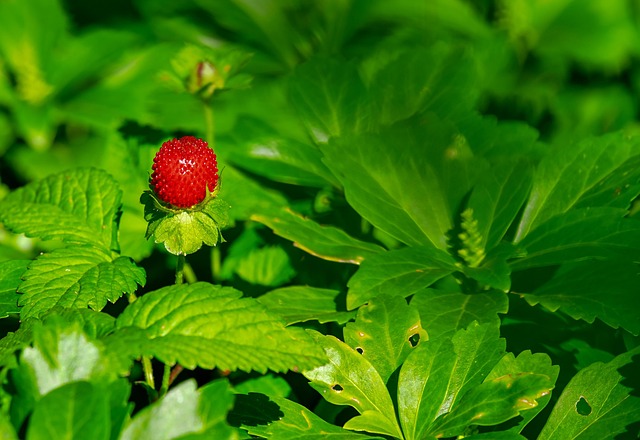
Superasterids are a large evolutionary clade of flowering plants that belong to the angiosperms, the group of plants that reproduce using flowers and enclosed seeds. They represent one of the most advanced branches of flowering plant evolution and include a vast range of trees, shrubs, herbs, and ornamentals found across the world.
Rather than being a traditional taxonomic rank such as class or family, Superasterids are defined by shared ancestry. They sit within the core eudicots and form part of a broader grouping known as the Pentapetalae, alongside other major flowering plant lineages. This clade contains tens of thousands of species spread across numerous orders and families, reflecting its immense diversity.
What distinguishes Superasterids is not a single visible feature but a collection of evolutionary advancements. These include more complex flower structures, improved vascular efficiency, and specialised chemical compounds that aid in defence and pollination. Many members also show faster growth rates and stronger regenerative abilities compared to older plant groups such as conifers.
For growers and bonsai practitioners, Superasterids encompass many familiar species used in cultivation. Understanding this group as a unified evolutionary lineage helps explain why flowering and deciduous trees respond quickly to pruning, backbud readily, and tolerate repeated shaping. Viewing them as advanced flowering plants provides a useful framework for predicting behaviour beyond individual species.
Superasterids as advanced flowering plants
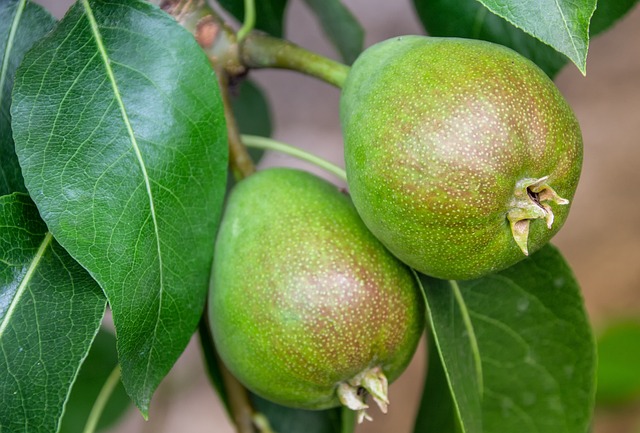
Superasterids are often described as advanced flowering plants because they represent a later and more specialised stage in the evolution of angiosperms. Compared to earlier flowering plant lineages, they developed structural, physiological, and reproductive features that allowed them to diversify rapidly and dominate modern ecosystems.
One of the key advances lies in flower design. Many species within this group exhibit more complex floral structures, including fused petals, specialised shapes, and coordinated arrangements that improve pollination efficiency. These features reflect close evolutionary relationships with insects and other pollinators, allowing for highly targeted and effective reproduction.
Internally, these plants benefit from improved vascular systems that support faster growth and more efficient water and nutrient transport. This efficiency enables them to respond quickly to favourable conditions, regenerate after pruning or damage, and sustain repeated growth cycles within a single season.
Chemical innovation is another defining trait. Many advanced flowering plants produce secondary compounds that deter herbivores, resist disease, or attract specific pollinators. These chemical defences and signals contribute to their ecological success and adaptability across a wide range of environments.
In bonsai and cultivation, these advanced traits translate into practical advantages. Faster wound healing, reliable backbudding, and flexible growth patterns make many species within this group well-suited to intensive training and refinement. Understanding Superasterids as advanced flowering plants helps align cultivation techniques with the biological strengths that define this lineage.
Evolutionary background of Superasterids
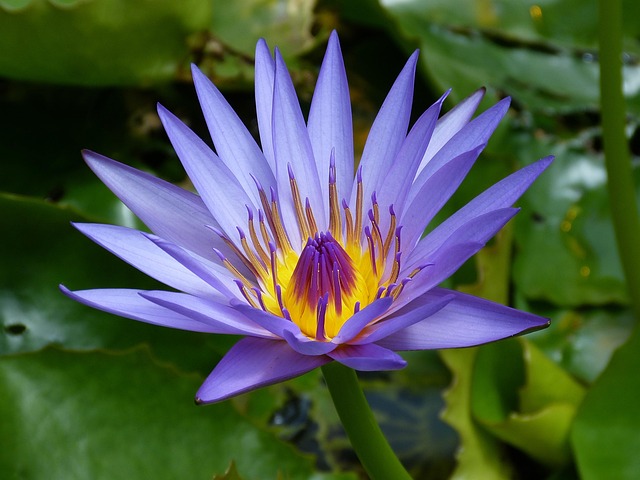
The evolutionary rise of Superasterids marks a turning point in the history of flowering plants. This lineage emerged after earlier angiosperms had already established the basic flower–seed system, building upon that foundation with greater complexity, efficiency, and adaptability. Their success reshaped plant communities and set the template for many of the flowering plants seen today.
Origins within core eudicots
Superasterids originated within the core eudicots, a group defined by shared floral and pollen traits. As part of this lineage, they inherited stable structural foundations that allowed further evolutionary experimentation. This positioning provided the framework for the development of more specialised flowers and growth strategies.
Within the core eudicots, Superasterids diverged alongside other major lineages, eventually forming a distinct evolutionary branch characterised by rapid diversification and innovation.
Connection to the Pentapetalae
This group forms a major component of the Pentapetalae, a vast assemblage of flowering plants defined by five-part floral structures or their derivatives. Inclusion in this grouping reflects shared developmental pathways that influenced flower symmetry, organ arrangement, and reproductive efficiency.
These shared traits allowed Superasterids to explore a wide range of ecological niches while maintaining a consistent underlying floral architecture.
Rapid diversification and adaptive success
Unlike conifers, which evolved slowly and conservatively, advanced flowering plants underwent rapid diversification. Superasterids expanded quickly into new habitats, adapting to different climates, soils, and pollination strategies.
This evolutionary speed allowed them to outcompete many older plant lineages, especially in temperate and tropical regions where ecological complexity favoured flexible growth and reproduction.
A legacy of evolutionary refinement
The evolutionary background of Superasterids explains their modern dominance. Rather than relying on longevity alone, they succeeded through adaptability, innovation, and close ecological relationships with animals and insects.
For growers and bonsai practitioners, this background provides context for their vigorous growth, regenerative ability, and responsiveness to training, traits rooted in millions of years of evolutionary refinement.
Major lineages within Superasterids
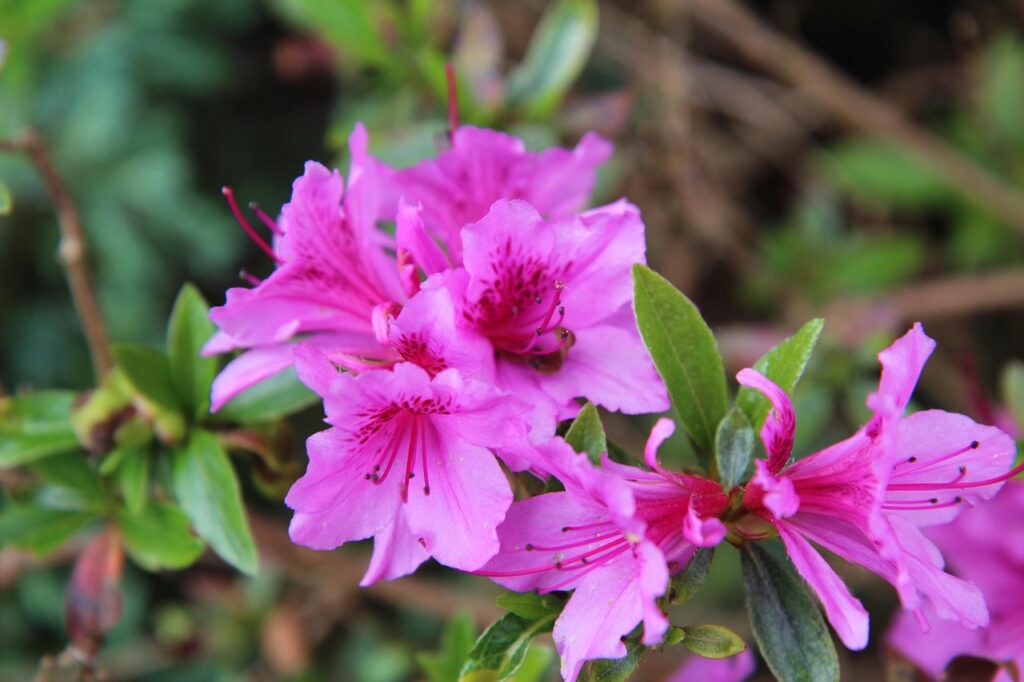
Superasterids are composed of several distinct evolutionary lineages that reflect how advanced flowering plants diversified over time. These lineages are not based on appearance alone but on shared ancestry and developmental pathways that shaped modern angiosperm diversity.
Early-diverging superasterid lineages
At the base of the Superasterids are several early-diverging lineages that split off before the rise of the highly specialised asterids. These groups retain a mix of ancestral and derived traits, offering insight into transitional stages of flowering plant evolution.
Although they contain fewer species, these early lineages are important for understanding how advanced flowering plants began experimenting with new chemical defences, growth forms, and ecological strategies. Their survival reflects early successes that paved the way for later diversification.
Asterids as the core lineage
The asterids form the central and most influential lineage within Superasterids. This group is defined by shared floral development patterns, particularly the tendency toward fused petals and coordinated flower structures.
Asterids account for a large proportion of modern flowering plant species and include many familiar trees, shrubs, and herbaceous plants. Their success is closely tied to efficient pollination strategies, chemical specialisation, and strong ecological adaptability.
Lamiids (euasterids I)
Lamiids represent one of the two major branches within the asterids. This group includes many plants with opposite leaves, strong chemical compounds, and flexible growth habits.
Lamiids are especially important in cultivation and bonsai because they often respond quickly to pruning, backbud readily, and tolerate repeated shaping. Their evolutionary emphasis on regeneration and adaptability makes them well suited to intensive horticultural techniques.
Campanulids (euasterids II)
Campanulids form the second major asterid branch and are often characterised by more complex floral structures and organised inflorescences. Many species in this group developed specialised pollination relationships and distinctive growth forms.
This lineage includes numerous woody plants and ornamentals, making it highly relevant to bonsai and landscape cultivation. Campanulids balance structural refinement with reliable growth, reflecting a different evolutionary pathway from their lamiid counterparts.
Why lineage-level understanding matters
Recognising these major lineages helps explain why advanced flowering plants can behave very differently despite sharing a common evolutionary origin. Growth rate, pruning response, flowering behaviour, and structural development often follow lineage-level patterns rather than being purely species-specific.
For bonsai practitioners and growers, understanding these divisions allows for more informed technique selection and long-term planning, aligning cultivation practices with the evolutionary strengths of each group.
Structural and physiological traits of Superasterids
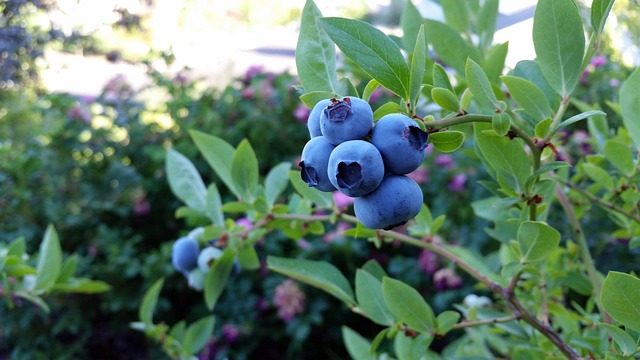
Advanced flowering plants share a set of structural and physiological traits that distinguish them from earlier plant lineages and explain their widespread success. These traits support faster growth, greater adaptability, and more efficient use of resources, allowing them to thrive in a wide range of environments.
One defining structural feature is an efficient vascular system. Compared to gymnosperms, these plants rely on vessel elements rather than tracheids for water transport. This allows for faster movement of water and nutrients, supporting higher growth rates and quicker recovery after pruning or damage. The trade-off is reduced tolerance to extreme cold or drought, but in favourable conditions, this efficiency offers a significant advantage.
Leaf structure also reflects this evolutionary shift. Broad leaves with complex venation maximise photosynthesis and allow plants to respond rapidly to changing light conditions. Many species can adjust leaf size, thickness, or orientation within a single growing season, a level of flexibility rarely seen in ancient plant groups.
Physiologically, these plants are highly responsive to environmental signals. Growth hormones regulate branching, flowering, and dormancy with precision, enabling quick transitions between growth phases. This responsiveness supports repeated cycles of growth and refinement, particularly under cultivation.
Another important trait is chemical versatility. Many species produce a wide range of secondary compounds that deter herbivores, resist disease, or attract specific pollinators. These chemicals also contribute to scent, flavour, and medicinal properties, reinforcing the ecological and human significance of this group.
In bonsai and horticulture, these structural and physiological traits translate into practical benefits. Faster wound closure, reliable backbudding, and flexible growth patterns make many flowering trees and shrubs ideal candidates for shaping and refinement. Understanding these traits helps growers work with the natural strengths of advanced flowering plants rather than imposing techniques better suited to slower, more conservative trees.
Flower structure and reproductive strategy
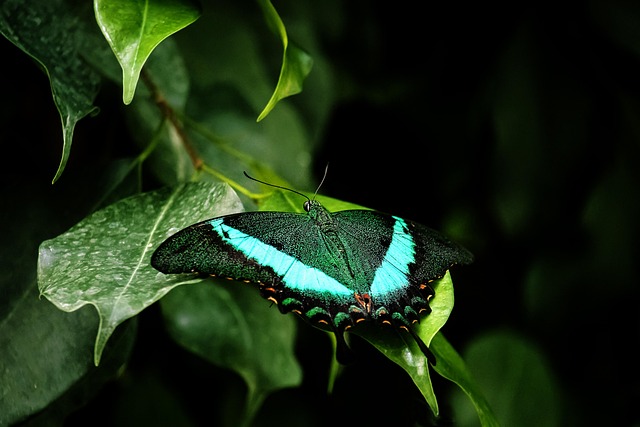
One of the defining features of advanced flowering plants is the sophistication of their flowers and reproductive systems. These plants evolved complex floral structures that improved pollination efficiency and increased reproductive success across diverse environments.
Flowers in this group often show a high degree of organisation. Petals are frequently fused, forming tubular or structured shapes that guide pollinators toward nectar and pollen. This fusion allows for precise interaction with insects, birds, or other animals, reducing wasted pollen and increasing the likelihood of successful fertilisation.
Reproductive strategies are closely tied to pollinator relationships. Many species evolved alongside specific pollinators, developing colours, scents, and flower shapes that attract particular insects or animals. This co-evolution led to highly specialised pollination systems, which helped drive rapid diversification and species richness.
Unlike gymnosperms, seeds are enclosed within fruits. This adaptation protects developing seeds and enables a wide range of dispersal methods, including wind, water, and animal transport. Fruits can be fleshy, dry, winged, or hardened, each strategy suited to a different ecological niche.
From a cultivation perspective, these reproductive traits influence growth and seasonal behaviour. Flowering often coincides with energy peaks, and seed or fruit production can temporarily slow vegetative growth. In bonsai, flowering and fruiting are usually managed carefully, as excessive reproduction can weaken structure or delay refinement.
Understanding flower structure and reproductive strategy provides insight into why many flowering trees respond quickly to pruning, rebalance energy efficiently, and tolerate repeated shaping. These traits reflect an evolutionary focus on adaptability and reproduction, rather than long-term structural endurance alone.
Ecological roles of Superasterids
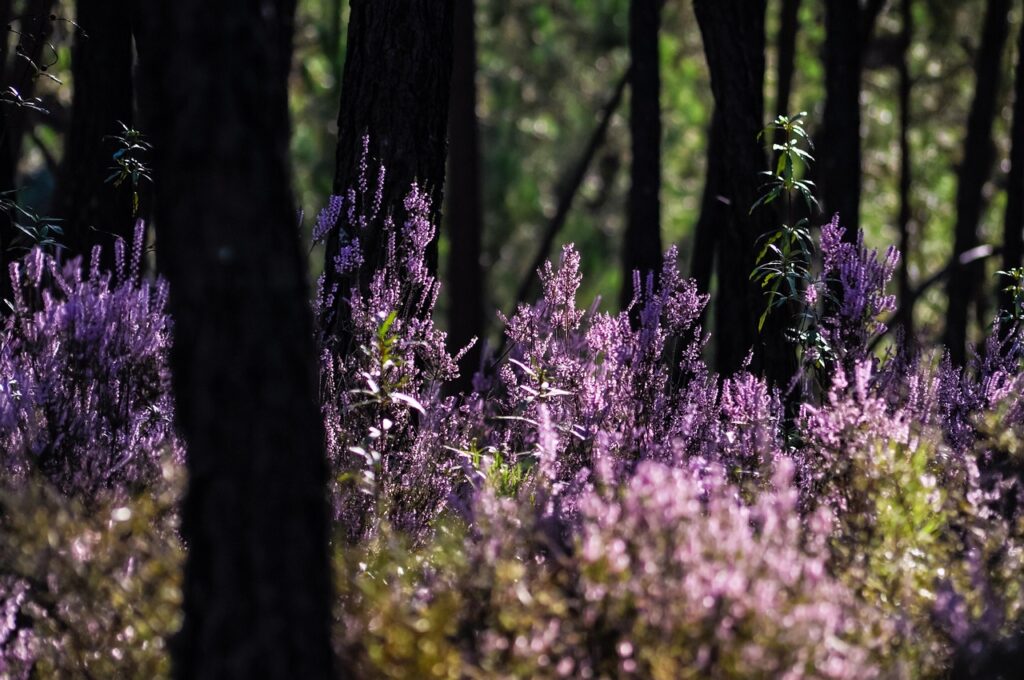
Advanced flowering plants play a central role in shaping modern ecosystems. Their evolutionary flexibility, rapid growth, and specialised relationships with animals have allowed them to dominate many terrestrial environments and support complex ecological networks.
Dominance in modern ecosystems
Superasterid lineages are major contributors to forests, grasslands, shrublands, and tropical ecosystems worldwide. Their ability to grow quickly, reproduce efficiently, and adapt to varied climates allows them to occupy ecological spaces that older plant groups cannot sustain long term.
In many regions, these plants form the structural backbone of ecosystems, influencing soil stability, water cycles, and habitat formation.
Support of pollinator networks
One of the most significant ecological roles of advanced flowering plants is their close relationship with pollinators. Flowers provide nectar and pollen resources that sustain insects, birds, and mammals, while pollinators enable successful reproduction.
This mutual dependence has led to highly interconnected ecological systems. Changes affecting flowering plants often ripple outward, impacting entire pollinator communities and the species that rely on them.
Food webs and species interactions
Fruits, seeds, leaves, and flowers from these plants feed a wide range of organisms. Herbivores, decomposers, and predators all depend indirectly on flowering plant productivity, making them foundational to food webs.
Their chemical diversity also shapes interactions by deterring some species while attracting others, influencing biodiversity patterns at both local and global scales.
Adaptability and environmental change
Advanced flowering plants are particularly effective at responding to environmental disturbance. Many species recover quickly after damage, colonise open ground, and adjust growth patterns in response to changing conditions.
This adaptability makes them influential during ecological succession, where they often replace slower-growing plant groups and reshape landscapes over time.
Understanding these ecological roles highlights why advanced flowering plants are so widespread and influential. Their success is not limited to individual species, but reflects a broader evolutionary strategy centred on flexibility, interaction, and rapid response to environmental opportunity.
Superasterids in bonsai and cultivation
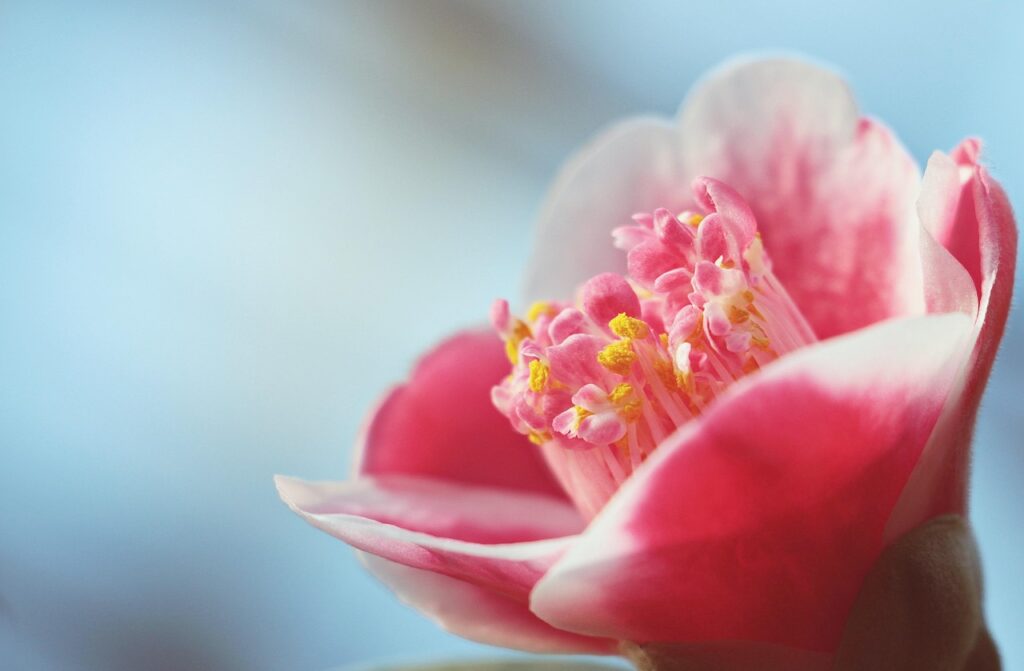
Advanced flowering plants are central to modern bonsai practice and horticulture. Many of the most popular deciduous and flowering bonsai species belong to this group, valued for their responsiveness, versatility, and visual refinement.
One of their greatest strengths in cultivation is regenerative ability. These plants typically backbud readily, heal wounds quickly, and tolerate repeated pruning and wiring. This allows growers to build structure and ramification at a faster pace than is possible with conifers, making them well-suited to refinement-focused bonsai styles.
Seasonal growth patterns also work in favour of training. Strong spring and summer growth cycles provide predictable windows for shaping, defoliation, and structural correction. In many species, energy can be redirected efficiently after pruning, allowing for controlled development without long recovery periods.
Flowering and fruiting add another layer of interest. While these features require careful management to avoid weakening the tree, they offer seasonal highlights that enhance the character and maturity of a bonsai. Understanding the balance between vegetative growth and reproduction is key to long-term success.
In general cultivation, these plants adapt well to container growth, soil modification, and controlled environments. Their evolutionary emphasis on flexibility makes them forgiving of experimentation, provided basic biological needs are met.
For bonsai practitioners, recognising advanced flowering plants as a distinct evolutionary group helps explain why certain techniques work reliably. By aligning training methods with their natural growth behaviour, growers can achieve faster progress while maintaining tree health and long-term stability.
Superasterids as the framework of modern flowering plants
Superasterids form the evolutionary framework upon which much of the modern flowering plant world is built. Their advanced structures, efficient physiology, and flexible reproductive strategies allowed them to diversify rapidly and occupy ecological roles that now define many of today’s landscapes.
These plants succeeded not through longevity alone, but through adaptability. Faster growth, reliable regeneration, and close relationships with pollinators gave them a competitive edge in changing environments. As a result, they became dominant across forests, gardens, agricultural systems, and cultivated landscapes worldwide.
In bonsai and horticulture, this framework explains why flowering and deciduous trees behave so differently from conifers. Their responsiveness to pruning, capacity for repeated refinement, and seasonal growth cycles reflect evolutionary priorities centred on renewal rather than endurance.
Understanding Superasterids as advanced flowering plants connects individual species to a broader biological context. It allows growers to see beyond surface traits and work with the underlying systems that drive growth, structure, and reproduction. In doing so, cultivation becomes more informed, efficient, and aligned with the natural strengths of modern flowering plants.