
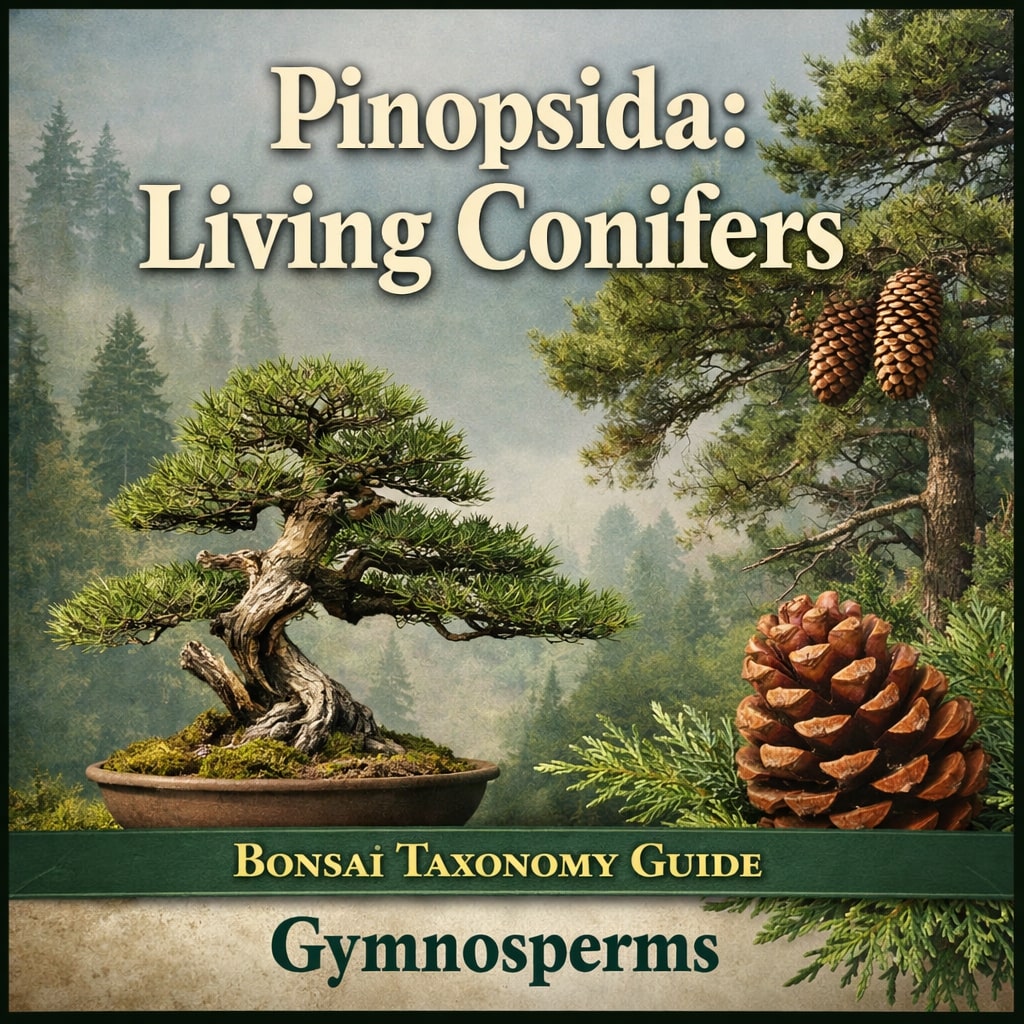
Pinopsida is the botanical class that contains all living conifers, making it one of the most important and enduring groups of trees on Earth. While flowering plants dominate many modern landscapes, conifers belonging to Pinopsida continue to define forests, mountains, and ancient ecosystems across the globe.
Often overlooked in favour of more familiar taxonomic ranks such as family or genus, Pinopsida sits at a critical level of plant classification. It unites diverse conifer groups, including subclasses such as Cupressidae and Pinidae, under a shared evolutionary and structural framework. Understanding this class helps explain why conifers behave the way they do, from their slow growth and strong apical dominance to their remarkable longevity.
For bonsai practitioners, Pinopsida provides essential context. These living conifers are not simply slow-growing trees; they are survivors shaped by deep evolutionary time. By recognising Pinopsida as the living conifer class, growers gain insight into why conifer bonsai require different techniques, timelines, and expectations compared to flowering trees.
Table of Contents
Taxonomy
– Kingdom: Plantae (Plant Kingdom)
— Clade: Embryophytes (Land Plants)
— Clade: Polysporangiophytes (Multiple Sporangia)
—- Clade: Tracheophytes (Vascular Plants)
—– Superdivision: Spermatophytes (Seed Plants)
—— Clade: Gymnospermae (Naked Seeds)
——- Division: Pinophyta (Conifers)
——– Class: Pinopsida (Living Conifers)
What is Pinopsida?
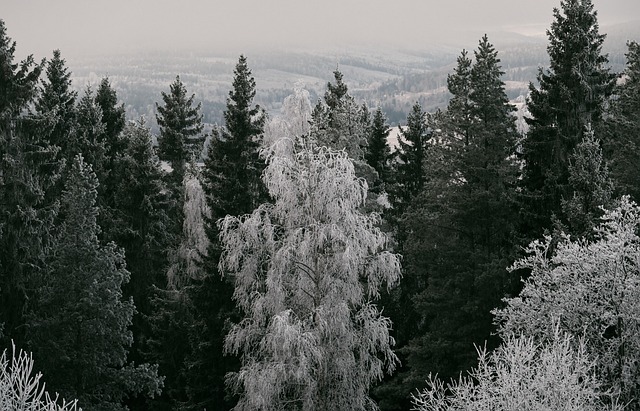
Pinopsida is the botanical class that contains all living conifers. It represents the modern, surviving lineage of coniferous trees and shrubs, including pines, cypresses, junipers, firs, spruces, yews, and their close relatives. In plant taxonomy, Pinopsida sits below the division Pinophyta and above the subclass level, where groups such as Cupressidae and Pinidae are defined.
As a class, Pinopsida brings together conifers that share core structural and reproductive traits. These include woody growth, evergreen or long-lived foliage, resin production, and reproduction through cones rather than flowers. Unlike flowering plants, conifers in Pinopsida are gymnosperms, meaning their seeds are not enclosed within fruit but are instead exposed on cone scales.
Pinopsida is often described as the class of “living conifers” because it excludes extinct conifer lineages known only from fossils. The trees within this class are direct descendants of ancient conifers that once dominated Earth’s forests long before flowering plants evolved. Despite massive environmental changes over millions of years, Pinopsida has persisted with relatively slow evolutionary change.
For bonsai and horticulture, Pinopsida defines a group of trees with predictable behaviours. Slow growth, strong apical dominance, limited backbudding, and exceptional longevity are all class-level traits rather than quirks of individual species. Understanding Pinopsida therefore provides a deeper framework for working with conifer bonsai, beyond simply learning the care requirements of a single tree.
Pinopsida and the concept of living conifers
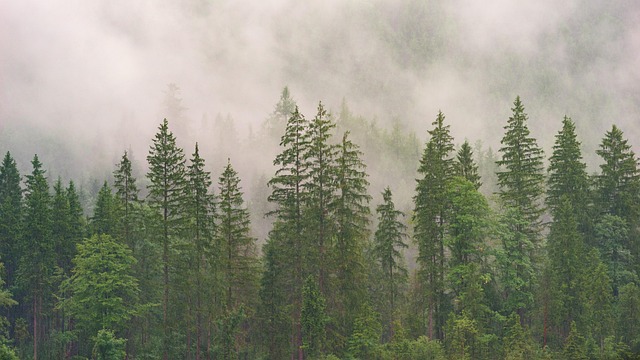
Pinopsida is best understood as the class that represents all living conifers, a term used to distinguish modern conifer species from the many conifer lineages that exist only in the fossil record. While ancient conifers once formed vast and diverse forests across prehistoric landscapes, only certain evolutionary branches survived long enough to reach the present day. Those survivors are grouped together within Pinopsida.
The concept of living conifers highlights continuity rather than variety. Trees within Pinopsida are not radically new forms but refined versions of ancient designs that proved resilient through dramatic climate shifts, mass extinctions, and the rise of flowering plants. Their persistence is the result of traits such as durable wood, efficient water transport, evergreen foliage, and the ability to thrive in nutrient-poor or harsh environments.
Unlike flowering plants, which underwent rapid diversification, conifers evolved slowly. This slow pace of evolutionary change is one reason Pinopsida remains a coherent and recognisable class. Many modern conifers still resemble their ancient ancestors in form and structure, making them living representatives of deep botanical history rather than recent innovations.
For bonsai practitioners, the idea of living conifers carries practical meaning. Trees in Pinopsida are not designed for rapid regeneration or aggressive pruning responses. Their growth patterns favour long-term survival over quick recovery, which explains their slow development, strong apical control, and cautious backbudding. Viewing conifer bonsai as living conifers rather than miniature deciduous trees helps align expectations with biological reality, encouraging patience, restraint, and long-term planning.
Evolutionary background of Pinopsida
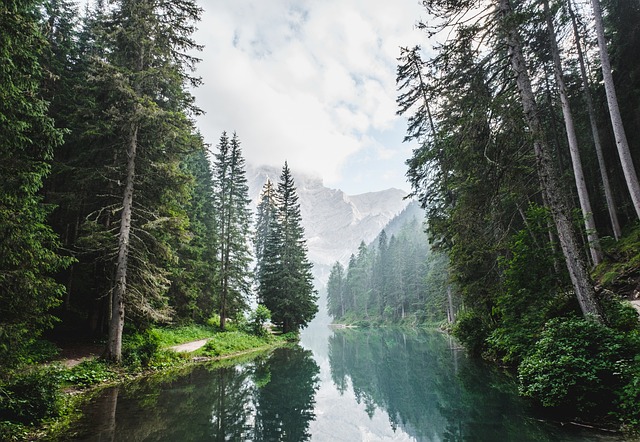
The evolutionary history of Pinopsida stretches back hundreds of millions of years, long before flowering plants reshaped Earth’s ecosystems. Understanding this background explains why living conifers behave so differently from most modern trees and why their growth patterns remain conservative, durable, and slow.
Origins in deep geological time
The ancestors of Pinopsida emerged during the late Paleozoic era, when early gymnosperms began to dominate terrestrial landscapes. These primitive conifers evolved in a world marked by extreme climate fluctuations, limited soils, and frequent environmental stress. Survival depended on efficiency, durability, and long-term resilience rather than rapid growth or reproduction.
Over time, certain conifer lineages refined these survival traits, eventually giving rise to the groups that would become part of modern Pinopsida. Many other conifer forms disappeared, leaving behind only fossil evidence of their existence.
Survival through mass extinctions
Pinopsida is remarkable for its ability to persist through multiple mass extinction events, including those that eliminated vast numbers of plant and animal species. Traits such as thick bark, resin production, protected buds, and flexible reproductive strategies allowed conifers to withstand prolonged cold, drought, fire, and ecological disruption.
While flowering plants later diversified rapidly and outcompeted conifers in many environments, Pinopsida retained dominance in regions where resilience mattered more than speed, such as high latitudes, mountains, and poor soils.
Slow evolution as a strength
One defining feature of Pinopsida is its slow evolutionary rate. Unlike angiosperms, which frequently adapt through rapid genetic and structural changes, conifers tend to retain successful designs for extremely long periods. This evolutionary conservatism results in trees that are stable, predictable, and long-lived.
For bonsai growers, this deep evolutionary background explains why conifers respond slowly to change. Their biology is tuned for centuries of survival rather than seasonal reinvention, making patience and long-term vision essential when working with trees from the Pinopsida class.
Subclasses within Pinopsida
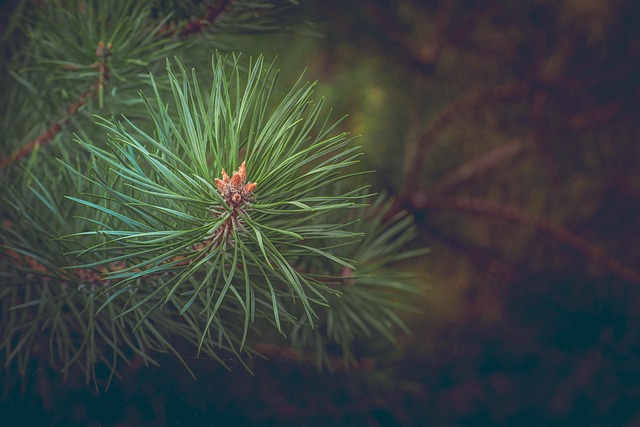
Within the class Pinopsida, living conifers are further organised into subclasses that reflect major evolutionary divisions. These subclasses group conifers by shared structural traits, growth habits, and evolutionary history, helping botanists and growers understand why certain conifers behave similarly despite belonging to different families or genera.
Why Pinopsida is divided into subclasses
As conifers diversified over deep time, distinct lineages emerged that adapted to different environments and survival strategies. These differences were significant enough to warrant classification below the class level but above families and genera.
Subclasses allow scientists to track these evolutionary pathways more accurately. Rather than grouping all living conifers as a single uniform mass, subclasses highlight meaningful divergence while still recognising their shared conifer identity.
Cupressidae: scale-bearing and adaptive conifers
Cupressidae includes many conifers characterised by scale-like foliage or highly reduced needles. This subclass contains families such as cypresses, junipers, and redwoods, many of which are valued in bonsai for their compact foliage and dramatic deadwood potential.
Trees within Cupressidae often show strong tolerance to pruning, drought, and environmental stress. Their foliage can shift between juvenile and adult forms, especially under bonsai cultivation, making understanding this subclass particularly important for long-term styling decisions.
Pinidae: needle-bearing conifers
Pinidae represents the classic needle-bearing conifers, including pines, firs, spruces, and larches. These trees are typically associated with colder climates and mountainous regions, where needle foliage reduces water loss and snow damage.
In bonsai, Pinidae species are known for strong apical dominance, seasonal growth flushes, and clearly defined energy cycles. Their predictable structure and longevity make them foundational species in traditional conifer bonsai practice.
Why subclass-level understanding matters
Recognising subclasses within Pinopsida helps bridge the gap between broad classification and practical care. Many growth behaviours, foliage responses, and pruning limitations are shared at the subclass level rather than being unique to individual species.
For bonsai practitioners, this knowledge allows techniques to be transferred intelligently across related conifers, improving outcomes while respecting the biological limits shaped by millions of years of evolution.
How Pinopsida differs from other gymnosperms
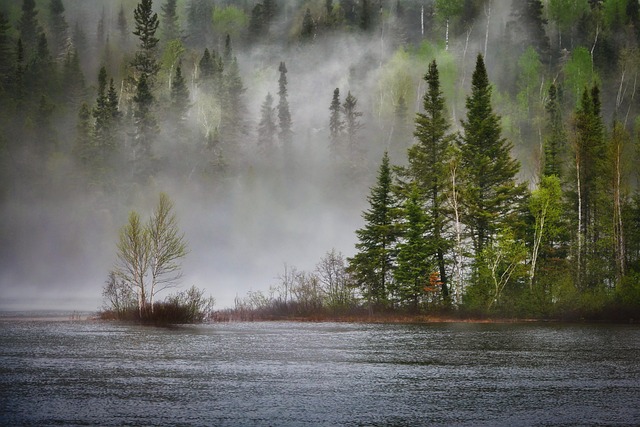
Pinopsida belongs to the broader group of gymnosperms, a category of seed-producing plants that do not form flowers or enclosed fruits. While all gymnosperms share this basic reproductive trait, Pinopsida differs from other gymnosperm groups in structure, ecology, and long-term survival success.
One key distinction is dominance. Pinopsida is the only gymnosperm class that continues to form vast, self-sustaining forests across the globe. Other gymnosperms, such as cycads and ginkgo, survive today as isolated or relict species rather than ecosystem-defining trees. Conifers within Pinopsida remain ecologically competitive, particularly in cold, dry, or nutrient-poor environments.
Structurally, Pinopsida trees are optimised for height, longevity, and mechanical strength. Their wood is composed primarily of tracheids rather than vessels, allowing efficient water transport while maintaining resistance to freezing and air embolisms. This wood structure supports extreme height and lifespan, traits far less common in other gymnosperm groups.
Foliage also sets Pinopsida apart. Needle-like or scale-like leaves reduce surface area and water loss, enabling survival in harsh climates where cycads or ginkgo would struggle. Many conifers retain their foliage year-round, allowing photosynthesis whenever conditions permit rather than being limited to a short growing season.
Reproductively, Pinopsida has refined cone-based strategies that balance efficiency with resilience. Male and female cones are typically produced separately, with wind pollination allowing reproduction across large distances. While cycads rely heavily on specialised pollinators and ginkgo represents a single surviving lineage, conifers diversified their reproductive strategies without abandoning simplicity.
From a bonsai perspective, these differences explain why conifers behave so differently from other gymnosperms. Pinopsida trees are built for endurance rather than regeneration speed, responding slowly but steadily to training. Their dominance among living gymnosperms is not accidental; it is the result of evolutionary designs that favour survival over millions of years rather than rapid adaptation.
Growth Behaviour, Structure, and Reproduction in Pinopsida
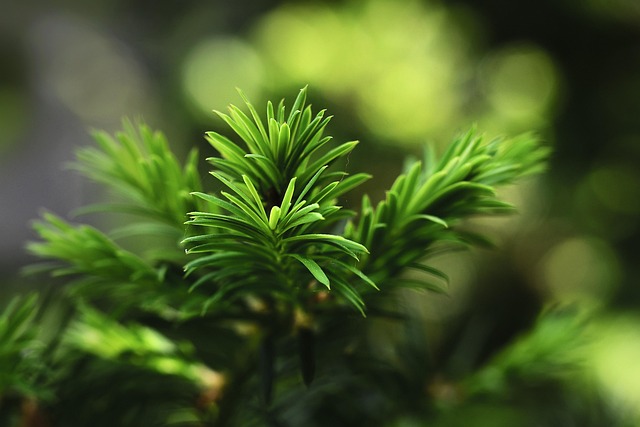
Pinopsida trees share a suite of growth and survival traits that reflect their deep evolutionary history. These characteristics shape how living conifers grow, respond to stress, and reproduce, and they explain why conifer bonsai require a fundamentally different approach from flowering trees.
Growth behaviour of Pinopsida trees
Trees within Pinopsida exhibit strong apical dominance, meaning the central leader naturally controls growth direction and energy distribution. This trait allows conifers to grow tall and straight in natural forests but limits their ability to freely backbud on old wood.
Growth in Pinopsida is typically seasonal and pulse-based rather than continuous. Many conifers produce one or two major growth flushes per year, after which energy is redirected toward wood strengthening and root development. This slow, deliberate growth strategy prioritises long-term stability over rapid expansion.
Wood structure and survival traits
The wood of Pinopsida trees is composed primarily of tracheids rather than vessels, a structure that improves resistance to freezing, drought, and air blockages in water transport. This wood anatomy supports exceptional longevity, with many conifers living for centuries or even millennia.
Resin production is another defining survival trait. Resin seals wounds, deters pests, and slows decay, allowing conifers to survive injuries that would prove fatal to many flowering trees. This natural durability also explains why deadwood features such as jin and shari persist so well on conifer bonsai.
Foliage types within Pinopsida
Pinopsida includes both needle-bearing and scale-bearing foliage forms. Needle foliage is common in subclasses such as Pinidae and is adapted to reduce water loss and shed snow efficiently. Scale foliage, found in many Cupressidae species, allows dense branching and compact structure but often transitions through juvenile foliage stages.
Juvenile foliage is common in cultivated conifers and may appear after heavy pruning or stress. Understanding this foliage shift is essential in bonsai, as it reflects the tree’s survival response rather than a permanent change in form.
Reproduction within Pinopsida
Reproduction in Pinopsida occurs through male and female cones rather than flowers. Seeds are exposed rather than enclosed, reflecting the gymnosperm condition. Cone production is often slow and irregular, especially in cultivated or heavily trained trees.
In bonsai, reproduction is typically secondary to structure and health. While cones can add character and age to a tree, Pinopsida bonsai are valued primarily for their form, foliage, and longevity rather than their reproductive display.
Together, these traits reveal Pinopsida as a class defined by endurance, efficiency, and restraint. Living conifers are not built for rapid change, but for survival across deep time, a reality that shapes every aspect of their care and cultivation.
Ecological roles of Pinopsida
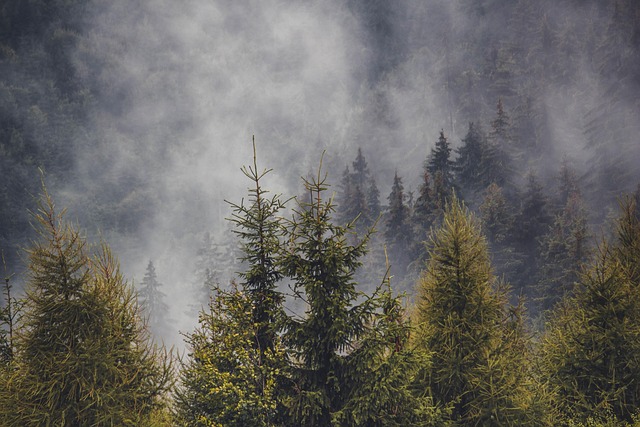
Conifers play a defining role in many of the world’s most important ecosystems. From vast boreal forests to high-altitude mountain ranges, these trees shape landscapes, regulate climate, and support complex ecological networks that depend on their long-term stability.
One of their most significant contributions is forest formation in harsh environments. Conifer-dominated forests thrive where many other tree groups struggle, including cold regions, poor soils, steep terrain, and areas with limited rainfall. Their ability to tolerate frost, drought, and nutrient scarcity allows them to stabilise land and prevent erosion on a massive scale.
These forests also act as critical carbon sinks. Long-lived conifer trees store carbon for centuries within their wood, roots, and surrounding soils. In colder regions, slow decomposition further enhances this effect, making conifer forests an important buffer against atmospheric carbon accumulation.
Wildlife relies heavily on conifer ecosystems. Dense canopies provide shelter, while seeds, cones, and resin-rich bark support a wide range of birds, mammals, insects, and fungi. Many species have evolved in close association with conifer forests and depend on them for survival.
Fire ecology is another area where conifers exert influence. Some species are adapted to withstand fire through thick bark or elevated canopies, while others rely on fire to trigger cone opening and seed release. These adaptations allow conifer-dominated ecosystems to recover and regenerate after disturbance rather than collapse.
In a broader sense, conifers function as ecological anchors. Their slow growth, longevity, and structural stability create environments that persist over long timescales. This same endurance is what makes them so compelling in bonsai, where each tree reflects the resilience and ecological importance its full-sized counterpart provides in nature.
Why understanding Pinopsida matters in bonsai
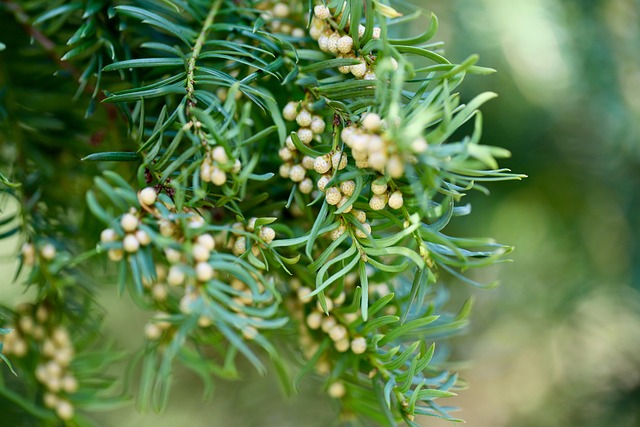
A deep understanding of Pinopsida provides clarity for anyone working with conifer bonsai. Many challenges encountered when training conifers stem from treating them like flowering trees rather than recognising their unique biological framework.
Conifers are built for endurance, not rapid regeneration. Their growth patterns favour long-term survival, strong apical control, and gradual development. When this is not understood, techniques such as aggressive pruning, repeated wiring, or forced backbudding can weaken or permanently damage the tree. Recognising class-level traits helps growers work with the tree’s natural tendencies instead of against them.
Understanding this class also improves species selection. Many conifers share behavioural traits regardless of genus or family, allowing bonsai practitioners to anticipate how unfamiliar species may respond. This predictive understanding reduces trial-and-error and leads to more consistent results across different conifer types.
Long-term planning is especially important. Conifer bonsai often develop over decades rather than years, with structure built slowly and refined incrementally. Appreciating this timeline encourages patience and restraint, both of which are essential for success with conifer bonsai.
Ultimately, understanding Pinopsida shifts bonsai practice from technique-based experimentation to informed cultivation. It transforms conifers from difficult or unforgiving subjects into living systems with clear rules, rhythms, and limitations shaped by millions of years of evolution.
Pinopsida as the living conifer foundation
This class represents the biological foundation upon which all living conifers are built. It unites diverse species under a shared evolutionary framework defined by endurance, efficiency, and long-term stability. These trees are not fast innovators, but refined survivors whose designs have proven successful across vast spans of geological time.
Seeing conifers through this lens brings clarity. Their slow growth, strong structure, and cautious responses to change are not limitations but deliberate strategies shaped by survival in demanding environments. These traits explain why conifers dominate cold forests, high mountains, and poor soils, and why they continue to thrive where many other tree groups cannot.
In bonsai, this foundation matters. Working with conifers becomes less about forcing results and more about guiding a living system that operates on its own timescale. Understanding the class-level identity of living conifers encourages patience, respect for natural growth patterns, and thoughtful long-term design.
Pinopsida is not just a taxonomic label. It is the framework that explains how conifers grow, endure, and persist. By understanding it, bonsai practitioners connect their miniature trees to the vast forests and deep evolutionary history from which they originate.