
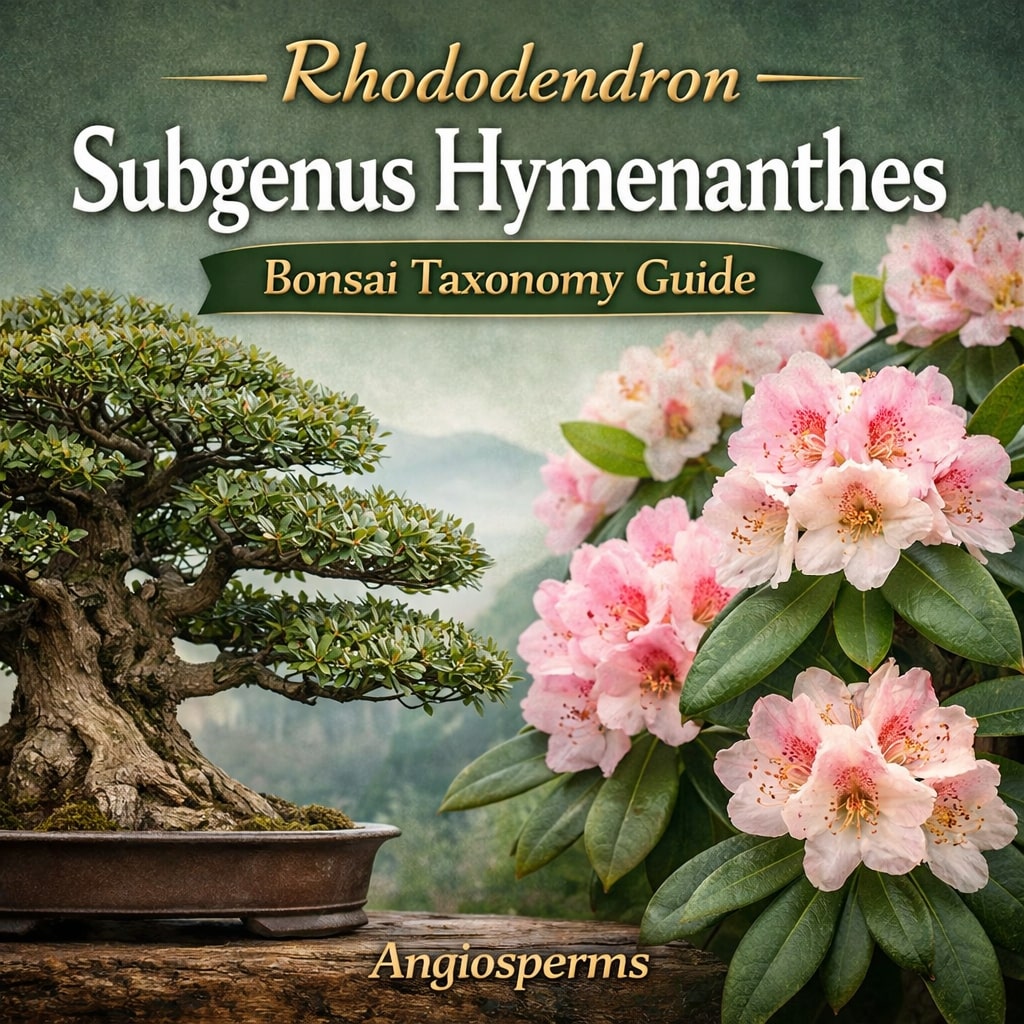
Rhododendron Subgenus Hymenanthes represents some of the largest, most striking, and botanically significant members of the Rhododendron genus. This subgenus includes the classic large-leaved evergreen rhododendrons that many gardeners associate with mountainous forests, cool climates, and dramatic spring flower displays. Native primarily to the temperate Northern Hemisphere, these plants range from compact shrubs to imposing trees reaching heights of up to 20 metres in the wild.
Characterised by their evergreen habit, substantial leathery leaves, and large trusses of showy flowers, species within Subgenus Hymenanthes are adapted to cooler, moist environments and acidic soils. Many develop distinctive leaf indumentum on the underside, an important identifying feature that also provides protection against cold, wind, and moisture loss. These adaptations reflect their long evolutionary history in high-altitude and temperate woodland ecosystems.
From a bonsai and horticultural perspective, Subgenus Hymenanthes occupies an important but often misunderstood position. While many species are grown widely as ornamental landscape plants, their size, growth habits, and environmental requirements demand careful consideration when applied to container culture or bonsai practice. Understanding the taxonomy, morphology, and natural ecology of this subgenus is the foundation for appreciating both its beauty and its challenges in cultivation.
Table of Contents
Taxonomy
– Kingdom: Plantae (Plant Kingdom)
— Clade: Embryophytes (Land Plants)
— Clade: Polysporangiophytes (Multiple Sporangia)
—- Clade: Tracheophytes (Vascular Plants)
—– Superdivision: Spermatophytes (Seed Plants)
—— Clade: Angiospermae (Flowering Plants)
——- Division: Eudicots (True Dicotyledons)
——– Subdivision: Core Eudicots
——— Class: Superasterids (Advanced Flowering Plants)
———- Subclass: Asterids (Unified-Flowering Plants)
———– Order: Ericales (Heath and Tea)
———— Family: Ericaceae (Heath)
————- Subfamily: Ericoideae (Heath)
————– Tribe: Rhodoreae (Rhododendron)
————— Genus: Rhododendron
————— Subgenus: Hymenanthes (Elepidote Rhododendrons)
What Is Subgenus Hymenanthes?
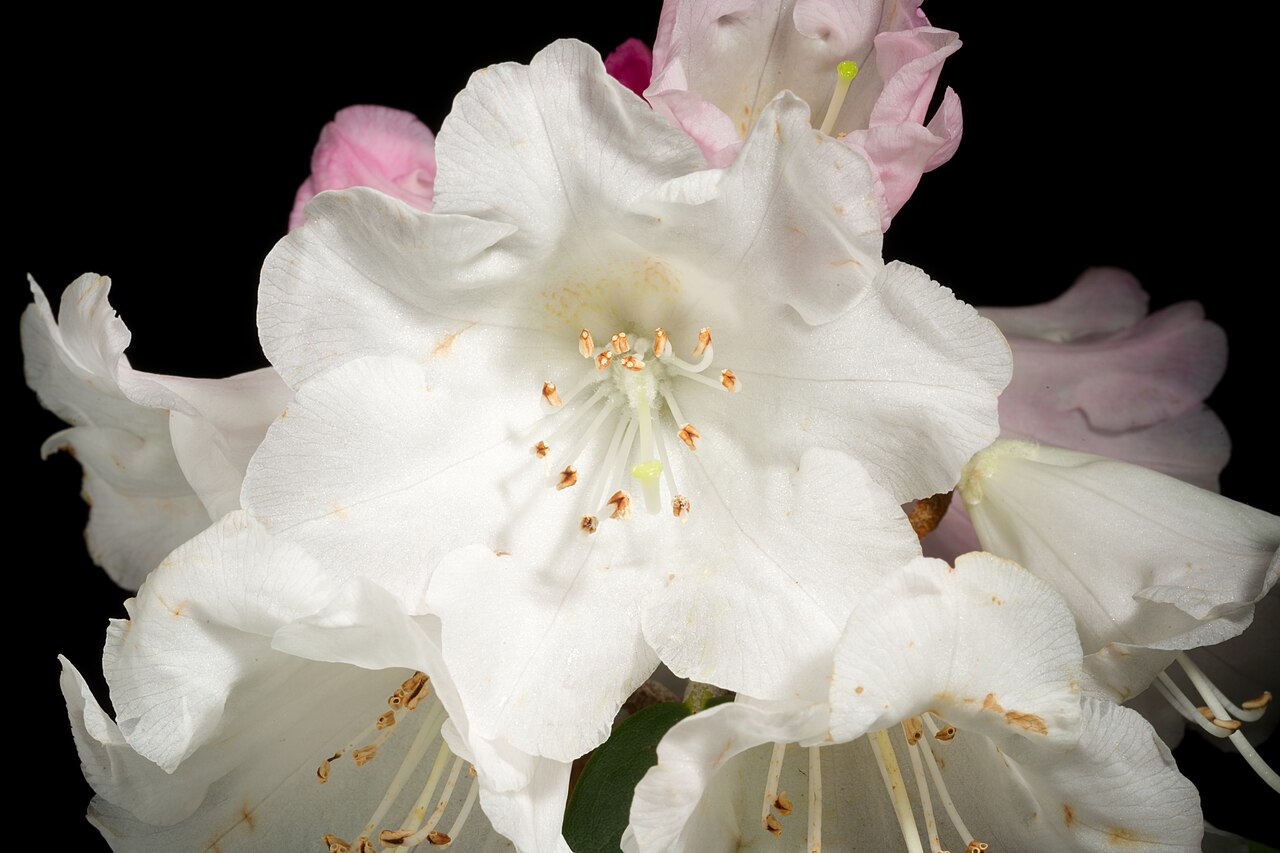
Subgenus Hymenanthes is a major taxonomic division within the genus Rhododendron, encompassing many of the large-leaved evergreen rhododendrons commonly cultivated in gardens and landscapes around the world. This group is often referred to as the elepidote rhododendrons, a term that reflects the absence of scaly glands on the undersides of the leaves.
Species within Subgenus Hymenanthes range from dense, upright shrubs to small and medium-sized trees, some reaching heights of up to 20 metres in their natural habitats. They are best known for their bold evergreen foliage, substantial leathery leaves, and large, showy flowers that appear in terminal trusses, often containing five to forty individual blooms.
Botanically, Subgenus Hymenanthes is defined by both structural and reproductive traits. The lack of lepidote scales, combined with the presence of smooth or hairy leaf undersides known as indumentum, distinguishes these plants from the smaller-leaved lepidote rhododendrons found in subgenus Rhododendron. These features also play an important role in protecting the plants from cold, moisture loss, and environmental stress.
From a taxonomic perspective, Subgenus Hymenanthes includes two recognised sections: section Ponticum, which contains the majority of evergreen species, and section Pentanthera, which includes deciduous azalea-type rhododendrons. This makes the subgenus a key link between traditional evergreen rhododendrons and deciduous azaleas, highlighting its importance in both botanical classification and horticultural practice.
Taxonomic Position of Subgenus Hymenanthes Within the Rhododendron Genus
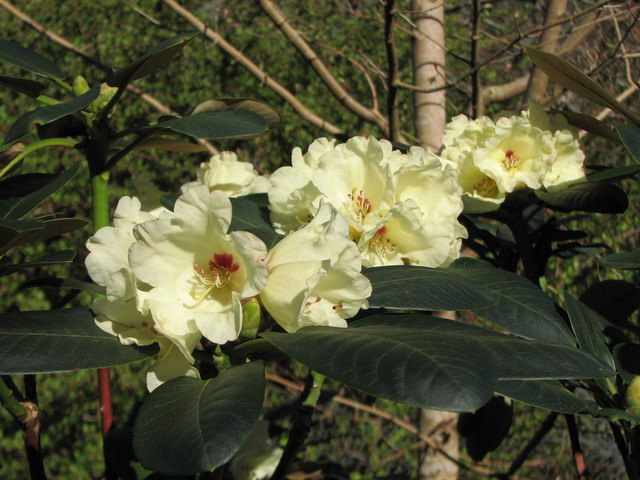
Within the family Ericaceae, the genus Rhododendron is one of the largest and most complex, encompassing hundreds of species adapted to a wide range of climates and habitats. To manage this diversity, botanists divide the genus into several subgenera based on shared morphological, reproductive, and genetic traits. Subgenus Hymenanthes represents one of the most prominent and easily recognisable of these groupings.
Subgenus Hymenanthes sits alongside other major subgenera such as Rhododendron (the lepidote rhododendrons) and Azaleastrum (evergreen azalea-type rhododendrons). Its defining position within the genus is based primarily on leaf anatomy, flower structure, and growth habit. The absence of lepidote scales on the leaf undersides, combined with large evergreen foliage and prominent floral trusses, clearly separates Hymenanthes from the lepidote subgenus Rhododendron.
From a classification standpoint, Subgenus Hymenanthes is further divided into two recognised sections: section Ponticum and section Pentanthera. Section Ponticum contains the majority of evergreen, large-leaved rhododendrons and includes a wide range of subsections that reflect regional and morphological variation. Section Pentanthera, by contrast, consists of deciduous azalea-type rhododendrons, linking Hymenanthes taxonomically to the broader azalea lineage within the genus.
Modern molecular and phylogenetic studies have largely supported this taxonomic structure, confirming that species grouped within Subgenus Hymenanthes share a common evolutionary lineage despite their wide geographic distribution. As a result, Hymenanthes occupies a central position within the Rhododendron genus, bridging evergreen rhododendrons and deciduous azaleas and playing a key role in understanding the evolutionary relationships across the entire group.
Evolutionary Background of Subgenus Hymenanthes
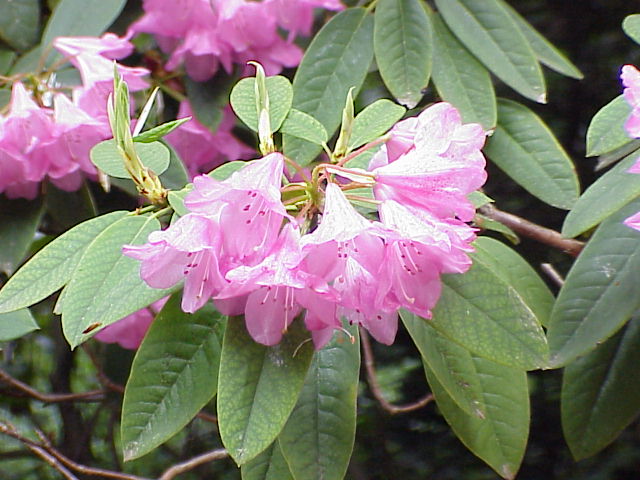
The evolutionary history of Subgenus Hymenanthes is closely tied to the geological and climatic changes that shaped the temperate regions of the Northern Hemisphere. Over millions of years, shifting mountain ranges, glacial cycles, and changing rainfall patterns created a wide range of ecological niches. Species within this subgenus evolved specialised traits that allowed them to thrive in cool, moist, and often mountainous environments where competition and environmental stress favoured resilience and adaptability.
As a result, Subgenus Hymenanthes displays a remarkable balance between stability and diversity. While its members share clear structural traits, they also exhibit significant variation in leaf size, growth form, and habitat preference, reflecting a long and complex evolutionary process.
Origins in temperate and montane ecosystems
The earliest ancestors of Subgenus Hymenanthes are believed to have evolved in temperate forest regions, particularly in areas that now form parts of East Asia. These regions provided stable, humid conditions that supported evergreen growth and the development of large, leathery leaves capable of year-round photosynthesis.
Mountain-building events further diversified these populations by isolating groups across elevations and valleys. This geographic separation encouraged speciation, leading to the wide range of forms seen today, from compact shrubs to tall forest trees.
Adaptation to evergreen growth strategies
One of the defining evolutionary traits of Subgenus Hymenanthes is its predominantly evergreen habit. Retaining leaves throughout the year provided a competitive advantage in environments with short growing seasons, allowing plants to photosynthesise whenever conditions permitted.
The thick, leathery leaves and protective indumentum found in many species evolved as responses to cold temperatures, high rainfall, and wind exposure. These features reduce moisture loss and protect leaf tissue, contributing to the long-term survival of the plants in challenging climates.
Divergence between evergreen and deciduous lineages
Although Subgenus Hymenanthes is best known for its evergreen species, evolutionary divergence within the group led to the development of deciduous lineages, now classified under section Pentanthera. These species adapted to seasonal climates by shedding their leaves during unfavourable periods, reducing energy loss.
This divergence highlights the flexibility of the subgenus and its ability to respond to environmental pressures. The presence of both evergreen and deciduous strategies within Hymenanthes underscores its importance in understanding the broader evolutionary history of the Rhododendron genus.
Influence of glacial cycles and geographic isolation
Repeated glacial cycles during the Ice Ages played a significant role in shaping the distribution and diversity of Subgenus Hymenanthes. Advancing glaciers fragmented populations, while retreating ice allowed recolonisation of new areas.
These cycles of isolation and expansion promoted genetic diversification, particularly in mountainous regions such as the Himalayas and southwestern China. Many of today’s species-rich subsections reflect this history of isolation, adaptation, and evolutionary refinement.
Key Morphological Traits of Subgenus Hymenanthes
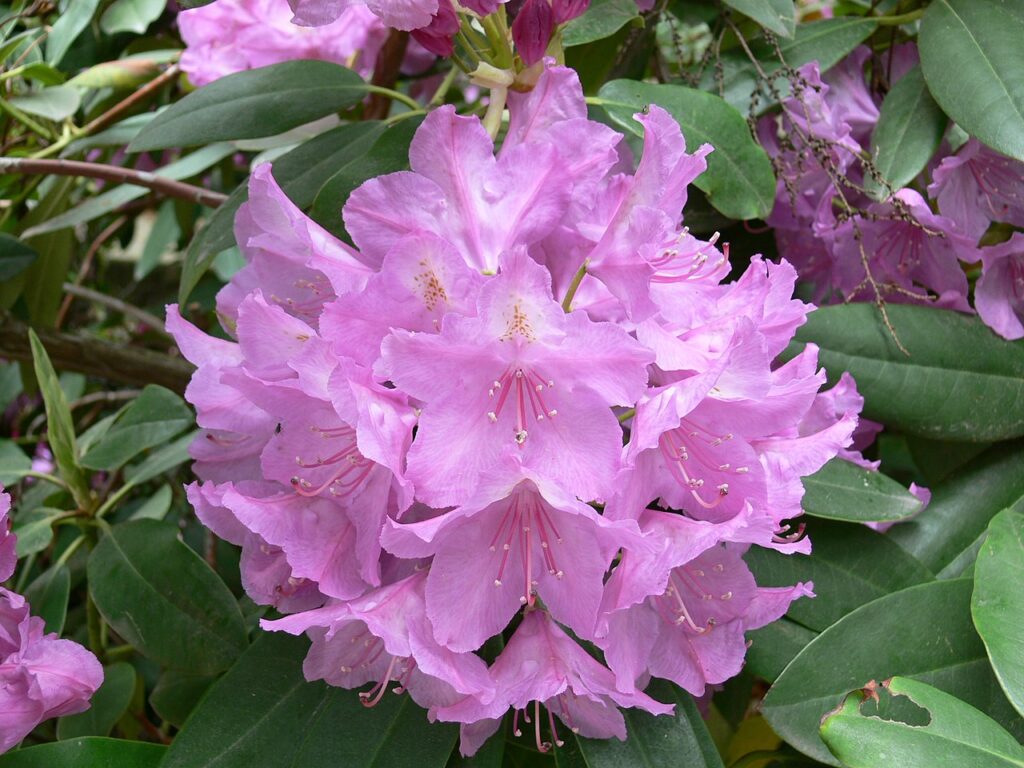
The defining characteristics of Subgenus Hymenanthes are largely structural, making this group one of the most visually recognisable within the Rhododendron genus. These traits reflect long-term adaptation to cool, moist, and often mountainous environments and help distinguish Hymenanthes from both lepidote rhododendrons and azalea-type groups.
From foliage and flowers to growth habit and bark, the morphological features of this subgenus are consistent enough to support clear classification, while still allowing for considerable diversity among species.
Evergreen growth habit and plant form
Most species within Subgenus Hymenanthes are evergreen, maintaining foliage throughout the year. Growth forms range from dense, multi-stemmed shrubs to upright small or medium-sized trees, depending on species and habitat.
In natural settings, many species develop a strong central framework with spreading branches, allowing them to occupy forest margins and understories. This structural robustness contributes to their longevity and resilience in challenging climates.
Leaf size, texture, and indumentum
Leaves are one of the most distinctive features of Subgenus Hymenanthes. They are typically medium to very large, thick, and leathery, with some species producing leaves exceeding 40 centimetres in length.
The underside of the leaves often displays indumentum, which may appear smooth, felted, woolly, or hairy. This feature replaces the lepidote scales found in other rhododendron subgenera and serves both protective and diagnostic purposes.
Flower structure and inflorescence
Flowers in Subgenus Hymenanthes are large and showy, produced in terminal trusses that may contain between five and forty individual blooms. This clustered arrangement creates the dramatic floral displays for which these plants are widely admired.
Individual flowers are often bell-shaped or funnel-shaped and vary in colour across whites, pinks, reds, purples, and yellows. Their size and prominence reflect evolutionary adaptation to pollinators in forested and montane environments.
Bark, stems, and woody structure
Stems and branches in Subgenus Hymenanthes are generally robust, supporting the weight of large leaves and flower trusses. Bark texture varies by species, ranging from smooth to peeling or slightly roughened in older specimens.
In tree-form species, bark characteristics can become an important identifying feature. The woody structure also influences how these plants respond to pruning, shaping, and long-term cultivation, particularly in horticultural and bonsai contexts.
Primary Sections Within Subgenus Hymenanthes
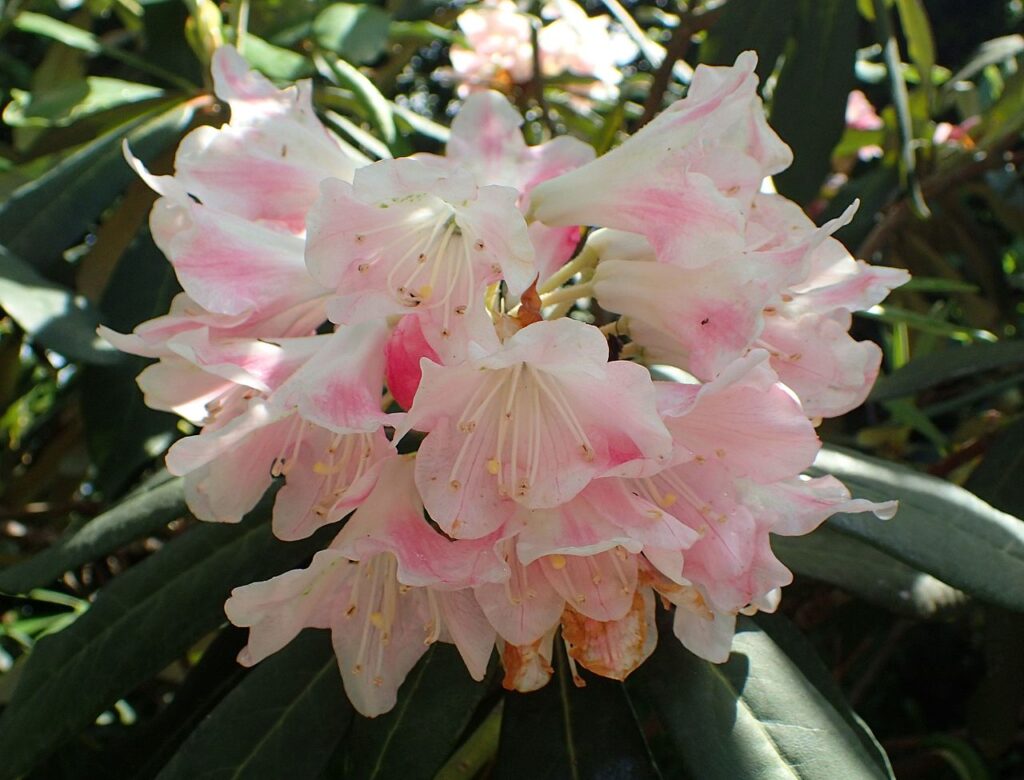
Within Subgenus Hymenanthes, species are organised into primary sections that reflect major evolutionary, morphological, and ecological divisions. These sections form the backbone of the subgenus and provide a clearer framework for understanding the vast diversity found within it. While numerous subsections exist, the primary sections represent the most meaningful taxonomic level for broad classification and study.
Subgenus Hymenanthes is divided into two principal sections, each with distinct growth habits, ecological strategies, and horticultural significance. Understanding these sections is essential before exploring the more detailed subdivision into subsections and species.
Section Ponticum
Section Ponticum is the largest and most diverse section within Subgenus Hymenanthes. It contains the majority of the evergreen, large-leaved rhododendrons traditionally associated with the classic image of rhododendrons in gardens and wild mountain forests.
Species in this section range from compact shrubs to tall trees and exhibit wide variation in leaf size, indumentum, and flower form. To manage this diversity, section Ponticum is further divided into numerous subsections that group species by shared morphological traits and geographic origin. These subsections reflect adaptations to specific environments, particularly in East Asia and the Himalayan region.
Ecologically, section Ponticum species are typically found in cool, moist, forested habitats, often at mid to high elevations. Their evergreen habit and robust leaf structure allow them to thrive in regions with high rainfall and seasonal temperature fluctuations.
Section Pentanthera
Section Pentanthera represents a distinct evolutionary branch within Subgenus Hymenanthes and is composed primarily of deciduous azalea-type rhododendrons. Unlike the evergreen members of section Ponticum, species in this section shed their leaves seasonally, an adaptation to climates with pronounced cold or dry periods.
Morphologically, Pentanthera species tend to have thinner leaves, a more open growth habit, and flowers that often appear before or alongside new foliage. These traits align them closely with what are commonly known as deciduous azaleas, many of which are native to North America, Europe, and parts of Asia.
Although section Pentanthera contains fewer species than section Ponticum, it plays a crucial role in understanding the evolutionary flexibility of Subgenus Hymenanthes. It also holds significant horticultural importance, as many cultivated azaleas and hybrids trace their lineage to this section.
Geographic Distribution and Natural Habitats of Subgenus Hymenanthes
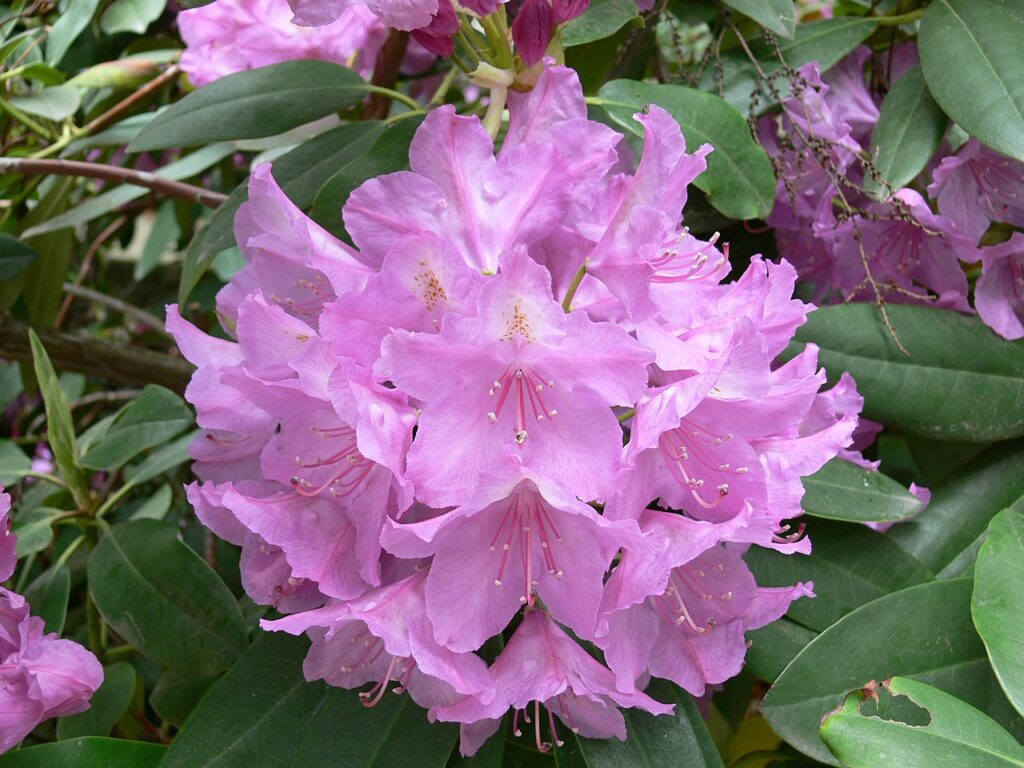
Subgenus Hymenanthes has a broad but uneven geographic distribution, concentrated primarily across the temperate regions of the Northern Hemisphere. Its greatest diversity is found in Asia, particularly in mountainous areas where complex terrain and varied microclimates have driven extensive speciation. These regions provide the cool temperatures, high humidity, and acidic soils that most species require.
While individual species vary widely in range and habitat preference, the subgenus as a whole is strongly associated with forested and montane ecosystems. Many species occur naturally at mid to high elevations, where environmental conditions favour evergreen growth and long-lived woody plants.
In East Asia, especially in southwestern China, the Himalayas, and adjacent regions, Subgenus Hymenanthes reaches its peak diversity. Here, species inhabit mixed forests, cloud forests, and woodland edges, often growing beneath taller canopy trees or along forest margins. Steep slopes, valleys, and ridgelines create isolated populations, contributing to the high number of locally endemic species.
Beyond Asia, species of Subgenus Hymenanthes also occur in parts of Europe, North America, and western Asia. In these regions, they are typically found in cooler, moist environments such as mountain ranges, temperate woodlands, and coastal forests. Some species have adapted to lower elevations, particularly in regions with mild, maritime climates.
Natural habitats of Subgenus Hymenanthes are characterised by well-drained but moisture-retentive soils, usually acidic and rich in organic matter. High rainfall, frequent mist, and protection from extreme heat are common features of these environments. These ecological preferences explain both the success of many species in suitable garden settings and the challenges they face when grown outside their natural climatic range.
Understanding the geographic distribution and natural habitats of Subgenus Hymenanthes provides essential context for cultivation, conservation, and bonsai practice. By recognising the environmental conditions in which these plants evolved, growers can make more informed decisions about soil, placement, watering, and long-term care.
Cultivation and Horticultural Importance of Subgenus Hymenanthes
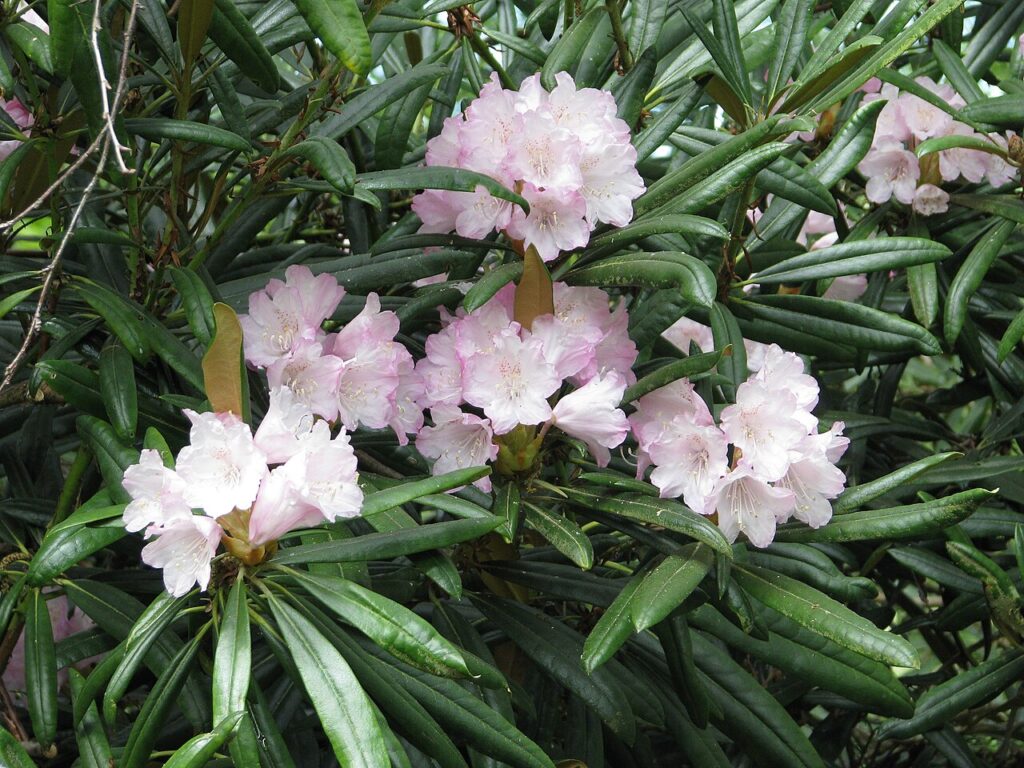
Subgenus Hymenanthes holds a central place in horticulture, representing many of the large evergreen rhododendrons most commonly grown in gardens, parks, and botanical collections worldwide. Their dramatic foliage, impressive flower trusses, and long-lived woody structure have made them cornerstone plants in temperate landscape design.
Successful cultivation of Subgenus Hymenanthes depends on understanding their natural ecological preferences and growth habits. When these requirements are met, many species and hybrids can thrive for decades.
Key cultivation requirements
- Climate: Cool to mild temperate climates with protection from extreme heat and drying winds
- Soil: Acidic, well-drained soil rich in organic matter
- Moisture: Consistently moist soil without waterlogging
- Light: Dappled shade or filtered sunlight, particularly in warmer regions
- Mulching: Organic mulches to maintain soil moisture and root health
Horticultural significance
- Includes the majority of large-flowered evergreen rhododendrons used in ornamental planting
- Forms the genetic foundation for countless garden hybrids and cultivars
- Widely planted in woodland gardens, estate landscapes, and public parks
- Valued for spring flowering displays and year-round evergreen structure
Landscape and garden use
- Effective as specimen plants due to their size and visual impact
- Suitable for woodland and forest-style gardens
- Often used for screening and structure in large gardens
- Long-lived plants that improve in appearance with age
Challenges and considerations
- Sensitive to alkaline soils and poor drainage
- Susceptible to root stress in hot, dry climates
- Some species, such as Rhododendron ponticum, have become invasive in certain regions outside their native range
The horticultural importance of Subgenus Hymenanthes lies not only in its ornamental value but also in its role as a genetic reservoir for breeding and conservation. Its species continue to shape modern rhododendron cultivation and remain essential to understanding the broader diversity of the genus.
Can Subgenus Hymenanthes Species Be Grown as Bonsai?
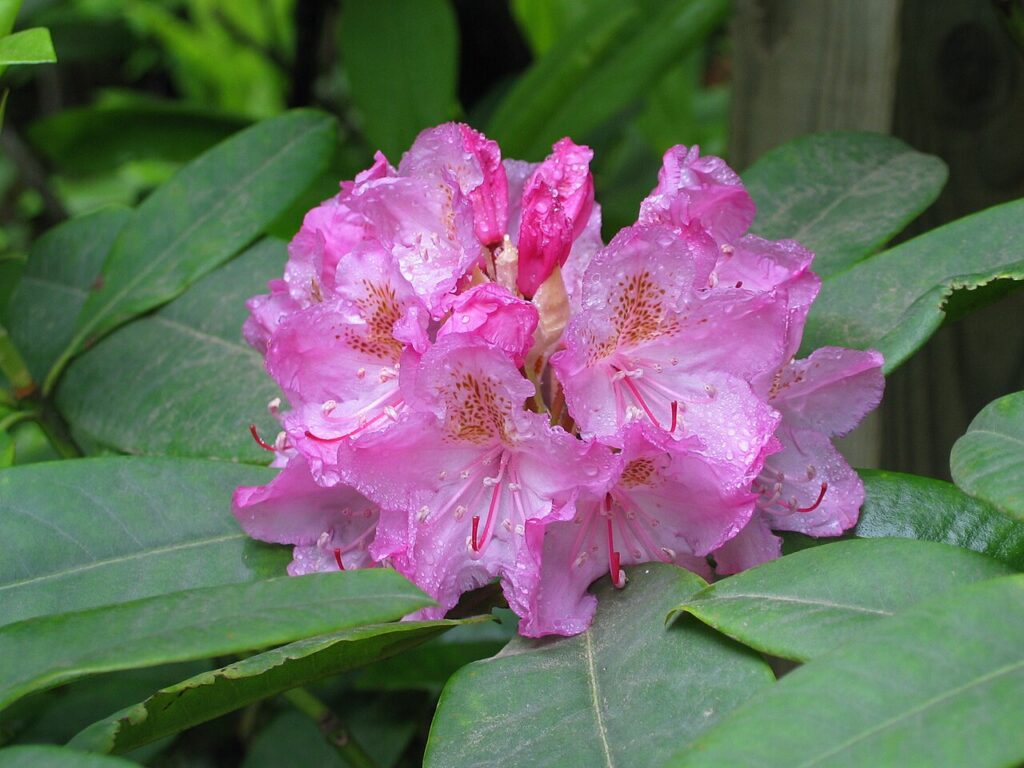
Species within Subgenus Hymenanthes can be grown as bonsai, but they present more challenges than many other rhododendron groups and are generally better suited to experienced practitioners. Their large leaves, vigorous growth, and natural tendency toward shrub or tree form require careful species selection and long-term planning.
From a bonsai perspective, the primary limitation is leaf size. Many Hymenanthes species produce very large leaves that are difficult to reduce significantly, which can overwhelm smaller bonsai forms. However, some species and cultivars respond better to pruning and controlled growth, making them more viable candidates for larger bonsai or container-grown specimens.
Factors that influence bonsai suitability
- Species selection: Smaller-leaved or naturally compact species perform better
- Scale: More suitable for medium to large bonsai rather than shohin or mame
- Growth rate: Vigorous growth requires consistent pruning and root control
- Climate control: Cool, humid conditions are essential for long-term health
Bonsai advantages of Subgenus Hymenanthes
- Evergreen structure provides year-round visual interest
- Thick trunks and mature bark can develop strong character over time
- Large flower trusses offer striking seasonal displays
Bonsai challenges
- Limited leaf size reduction compared to azalea-type rhododendrons
- Sensitivity to root disturbance and soil conditions
- Slower refinement process requiring patience
In practice, Subgenus Hymenanthes species are often better approached as container trees or large-scale bonsai rather than traditional miniature forms. With appropriate care, suitable species can be developed into impressive specimens that emphasise natural form, trunk presence, and seasonal flowering rather than extreme miniaturisation.
For beginners, azalea-type rhododendrons are usually a more forgiving starting point. For experienced bonsai artists seeking a challenge and long-term project, Subgenus Hymenanthes offers rewarding possibilities when its limitations are respected.
Subgenus Hymenanthes in Bonsai Practice and Care
Subgenus Hymenanthes occupies a distinctive place in bonsai practice, bridging the worlds of traditional rhododendron cultivation and advanced container tree design. While its species are not the easiest rhododendrons to train as bonsai, they reward patience, planning, and respect for their natural growth habits.
Successful bonsai cultivation of Subgenus Hymenanthes relies on working with the plant rather than forcing extreme refinement. Larger bonsai sizes, naturalistic forms, and gradual development suit these species far better than aggressive miniaturisation. When grown in appropriate conditions, their evergreen foliage, strong woody structure, and seasonal flowering can create powerful and enduring compositions.
Care practices should closely reflect the subgenus’ natural ecology. Acidic, free-draining soils, consistent moisture, and protection from heat and drying winds are essential. Root work must be approached conservatively, and pruning should focus on structure rather than constant leaf reduction. Long-term health and stability should always take precedence over rapid aesthetic results.
In both bonsai and broader horticultural practice, Subgenus Hymenanthes represents depth rather than immediacy. It offers practitioners the opportunity to engage with botanical history, ecological adaptation, and patient craftsmanship. For those willing to invest the time and care required, these elepidote rhododendrons can become striking, long-lived bonsai that reflect both the character of the species and the skill of the grower.