The Garden Juniper bonsai is one of the most resilient and beginner-friendly bonsai trees you can grow. Originally developed from hardy landscape juniper varieties, it adapts beautifully to training while retaining the rugged character that makes junipers so iconic in bonsai art.
With its evergreen foliage, flexible branching structure, and strong tolerance for pruning, the Garden Juniper bonsai is ideal for outdoor cultivation. Whether you are shaping your first bonsai or refining a mature specimen, this species offers both durability and artistic potential.
In this care sheet, we will explore how to properly care for your Garden Juniper bonsai, from light and watering requirements to pruning, shaping, and seasonal maintenance.
Table of Contents
TL:DR Quick Garden Juniper Bonsai Care Overview
The Garden Juniper bonsai is a hardy outdoor evergreen that thrives in full sun and well-draining soil. It is drought-tolerant once established, responds well to pruning and wiring, and is ideal for growers who want a resilient, classic conifer bonsai with rugged character.
Below is a quick-reference care table tailored specifically to Garden Juniper bonsai.
| Care aspect | Garden Juniper Bonsai |
|---|---|
| Scientific name | Juniperus procumbens (commonly used variety) |
| Common name | Garden Juniper |
| Bonsai type | Evergreen conifer |
| Light | Full sun. Requires strong direct light for compact growth and dense foliage. |
| Watering | Water thoroughly, then allow partial drying before rewatering. Avoid constant wet soil. Drought tolerant once established. |
| Soil | Fast-draining bonsai mix (akadama, pumice, lava rock). Slightly acidic to neutral preferred. |
| Fertiliser | Balanced fertiliser such as 10-10-10 during spring and summer. Reduce feeding in late autumn and winter. Avoid overfeeding in extreme heat. |
| Pruning | Regular pinching to maintain shape. Structural pruning during active growth. Avoid heavy pruning in winter. |
| Wiring | Wire in spring or early autumn. Monitor closely as bark can mark if wire is left too long. |
| Difficulty | Easy to moderate. Suitable for beginners and intermediate growers. |
| Rarity | Common in cultivation and widely available in garden centres. |
| Climate sensitivity | Prefers temperate climates. Protect from severe frost and prolonged freezing conditions. |
| Growth habit | Low-spreading, cascading or ground-covering form with flexible branches and rugged trunk potential. |
Garden Juniper Bonsai Care Guide
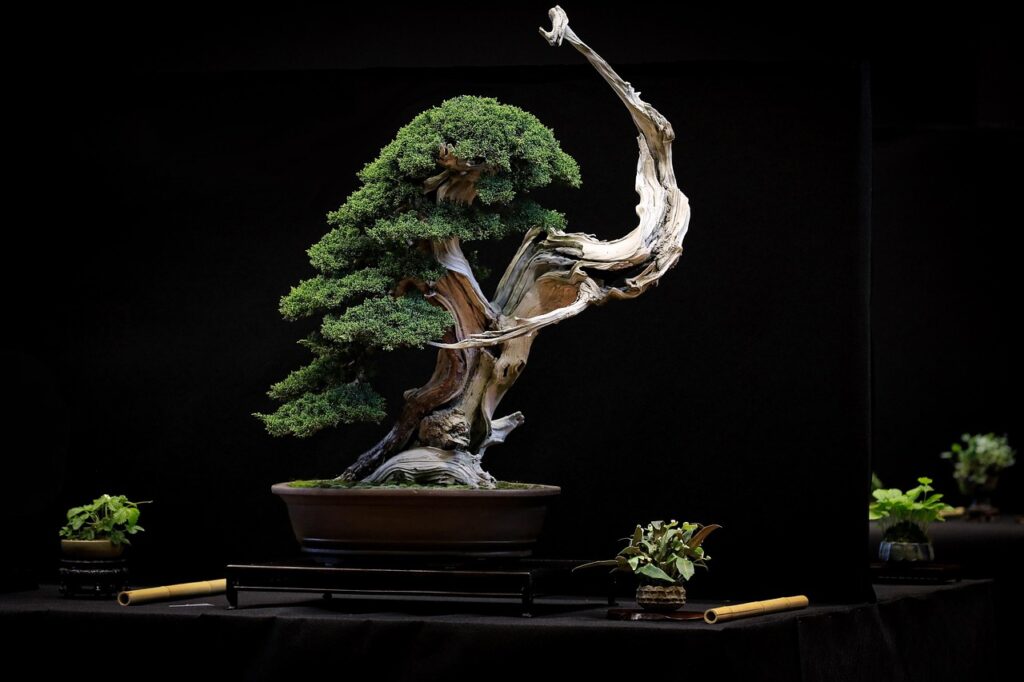
The Garden Juniper bonsai is a hardy outdoor evergreen that combines resilience with strong artistic potential. While it is often recommended for beginners, developing a refined specimen requires understanding how junipers grow, respond to pruning, and handle seasonal changes. Proper care ensures dense foliage pads, healthy roots, and long-term trunk development.
Unlike many indoor bonsai species, Garden Juniper bonsai must live outdoors year-round. They rely on natural seasonal cycles to remain healthy. With correct light exposure, watering discipline, and structural training, they can become powerful, rugged trees with impressive character over time.
Light
Garden Juniper bonsai require full, direct sunlight to maintain compact growth and healthy foliage. At least six hours of strong sun daily encourages tight needle clusters and prevents weak, elongated growth. Without sufficient light, inner foliage will thin and branches will gradually lose strength.
In very hot climates, such as parts of South Africa during peak summer, strong afternoon sun can stress shallow bonsai pots. Morning sun with good airflow is ideal. If foliage begins to yellow in intense heat, evaluate watering consistency before assuming light is the issue.
Watering
Water thoroughly until water runs freely from the drainage holes. This ensures the entire root mass is hydrated and prevents dry pockets within the soil. Always allow the top layer of soil to begin drying before watering again.
Overwatering is the most common mistake with Garden Juniper bonsai. Constantly wet soil deprives roots of oxygen and leads to root rot. While mature junipers are drought tolerant in the ground, bonsai pots dry faster and require balanced, attentive watering.
Pruning
Regular pruning maintains structure and encourages dense foliage pads. Rather than cutting randomly, selectively pinch or trim growing tips to promote back-budding and tighter branching. This helps prevent long, leggy extensions.
Structural pruning is best done in spring when the tree is entering active growth. Avoid heavy pruning in winter or during extreme heat, as this can weaken the tree. Always maintain some healthy foliage on each branch to support recovery.
Shaping
Garden Juniper bonsai are extremely versatile and suitable for informal upright, cascade, semi-cascade, and windswept styles. Their natural low-spreading habit makes them excellent candidates for dramatic movement and layered branch pads.
When shaping, focus on revealing trunk lines and creating depth between foliage pads. Avoid shearing like a hedge. Instead, prune selectively to develop structure and allow light into interior growth areas.
Soil
A fast-draining bonsai mix is essential for healthy root development. A typical blend of akadama, pumice, and lava rock provides aeration while retaining sufficient moisture. Good drainage prevents waterlogging and fungal problems.
Garden Juniper bonsai prefer slightly acidic to neutral soil conditions. Avoid dense garden soil or peat-heavy mixes, as these retain too much water and restrict airflow around roots.
Repotting
Young Garden Juniper bonsai should be repotted every two to three years to refresh soil and manage root growth. Mature specimens can be repotted less frequently, typically every three to five years.
Early spring, just before active growth begins, is the ideal time for repotting. Remove no more than one third of the root mass at a time. Excessive root pruning can shock the tree and slow recovery.
Wiring
Wiring allows you to guide branch movement and refine your tree’s silhouette. Garden Juniper branches are flexible when young but become more rigid as they mature, so timing is important.
Wire in spring or early autumn and check frequently for wire bite. Juniper bark can mark quickly if wire is left on too long. Remove wire before it cuts into the bark to avoid permanent scarring.
Fertiliser
Feed with a balanced fertiliser during the growing season, typically spring through mid-summer. A formulation such as 10-10-10 supports steady, controlled growth without excessive elongation.
Reduce feeding in late autumn and winter when growth slows. Over-fertilising, especially with high nitrogen during extreme heat, can produce weak, overly soft growth that is difficult to refine.
Propagation
Garden Juniper bonsai propagate reliably from semi-hardwood cuttings. Take cuttings in late spring or early summer when growth has partially matured but remains flexible.
Dip cuttings in rooting hormone and plant in a well-draining medium. Maintain humidity without saturating the soil. With patience, roots typically develop within several weeks under stable conditions.
Seasonal Care
In summer, monitor watering closely, especially during heatwaves or water restriction periods. Increased airflow helps reduce fungal risk and heat stress in dense foliage.
In winter, Garden Juniper bonsai tolerate cool conditions but should be protected from severe frost if grown in shallow containers. Prolonged freezing can damage roots more than foliage.
Pests
Spider mites are the most common pest, especially in hot, dry conditions. Regular misting and inspection can help prevent infestations before they become severe.
Scale insects and aphids may also appear. Early treatment with appropriate horticultural oils or insecticidal solutions prevents long-term damage.
Diseases
Root rot is the primary disease risk and is almost always linked to poor drainage or overwatering. Ensuring a fast-draining soil mix dramatically reduces this risk.
Fungal issues can develop in humid conditions with limited airflow. Keep foliage dry overnight and avoid overcrowding trees to maintain a healthy growing environment.
How to Identify a Garden Juniper Bonsai
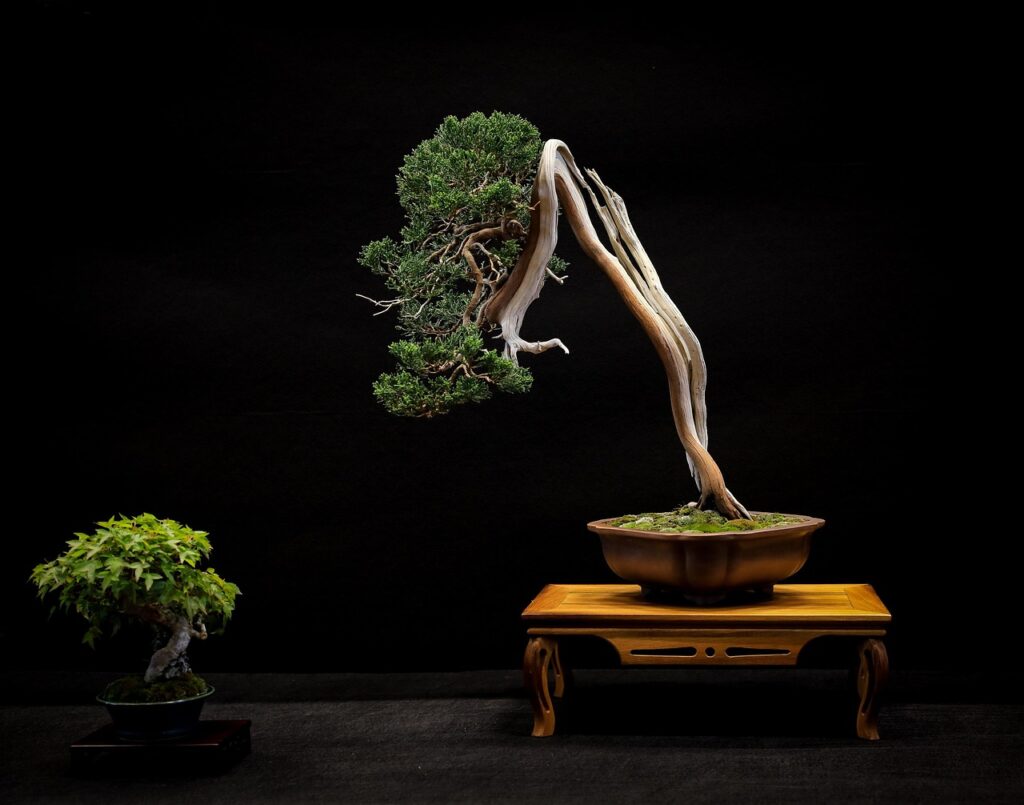
Correct identification is essential when working with any juniper bonsai. Garden Juniper bonsai are often confused with other juniper species, especially Chinese Juniper and similar nursery varieties. However, careful observation of foliage texture, bark development, and berry formation can help you distinguish it accurately.
Because Garden Juniper bonsai are typically cultivated forms of Juniperus procumbens or related low-growing junipers, they show specific growth traits that differ from upright landscape varieties. Below are the key identification markers.
Leaf Identification
Garden Juniper bonsai primarily display juvenile needle-like foliage rather than mature scale foliage. The needles are sharp to the touch, arranged in whorls of three, and often show a bluish-green or deep green tone depending on cultivar.
The needles are short and compact when grown in strong light. If the tree is stressed or pruned heavily, it may temporarily produce slightly longer juvenile growth. Unlike Chinese Juniper, Garden Juniper rarely transitions fully to soft scale foliage.
Flower Gallery
Junipers do not produce showy flowers like deciduous trees. Instead, they form small reproductive cones. Male cones are tiny and release pollen in early spring, often appearing as small yellowish structures at branch tips.
Female cones are much less noticeable at first and develop slowly over time. Because Garden Juniper bonsai are often maintained through pruning, flowering may not be prominent every year.
Fruit Identification
The “berries” on a Garden Juniper bonsai are actually seed cones. They begin as small green structures and mature over one to two years into bluish-black cones with a powdery surface.
Not all Garden Juniper bonsai produce visible fruit. Fruiting depends on whether both male and female plants are present nearby, as most junipers are dioecious, meaning male and female cones grow on separate plants.
Seeds and Pods
Inside the mature berry-like cones are small hard seeds. These seeds are typically used for propagation in natural settings, though bonsai growers more commonly use cuttings for consistency.
The cones are round, smooth, and firm when mature. They are usually less than one centimetre in diameter and may remain attached to the branches for extended periods.
Bark Textures
Young Garden Juniper bonsai have smooth, reddish-brown bark. As the tree matures, the bark becomes fibrous and begins to peel in thin strips, revealing textured layers beneath.
This peeling bark contributes to the rugged, aged appearance that makes junipers so desirable in bonsai design. Mature specimens develop a weathered, slightly cracked surface that enhances trunk character.
Seasonal Changes
Garden Juniper bonsai remain evergreen year-round. However, foliage colour may shift slightly with the seasons. In winter, needles can take on a duller or slightly bronze tone, especially in colder climates.
During active growth in spring and early summer, the foliage appears brighter and more vibrant. Seasonal colour shifts are normal and not necessarily a sign of poor health unless accompanied by dieback or brittleness.
Bonsai Styles Suited to Garden Juniper Bonsai

The Garden Juniper bonsai is exceptionally versatile when it comes to styling. Its natural low-growing habit, flexible young branches, and strong tolerance for pruning make it suitable for both traditional Japanese forms and more expressive modern designs. Because it responds well to shaping and wiring, it is often one of the first species used to teach foundational bonsai structure.
That said, not every style suits its growth habit equally. Understanding how the species naturally behaves will help you choose a design that feels authentic rather than forced.
Informal Upright (Moyogi)
The informal upright style is one of the most common and effective approaches for Garden Juniper bonsai. The trunk moves gently from side to side while tapering upward, creating a natural, tree-like silhouette.
Garden Juniper’s flexible young growth allows you to introduce subtle curves early in development. Over time, careful pruning builds layered foliage pads that emphasise depth and trunk movement.
Cascade (Kengai)
Cascade styling suits Garden Juniper particularly well because of its natural tendency to spread and trail. In this design, the trunk bends downward below the base of the pot, simulating a tree clinging to a cliff face.
The species’ strength and resilience allow it to handle the dramatic wiring needed for this style. However, maintaining strong upper growth is essential to keep the tree balanced and healthy.
Semi-Cascade (Han-Kengai)
Semi-cascade offers a slightly less dramatic version of the cascade form. The trunk descends below the rim of the pot but not below the pot’s base.
Garden Juniper’s flexible branching makes it easy to create graceful downward movement. This style works especially well in coastal or windswept-inspired designs.
Windswept (Fukinagashi)
The windswept style gives the illusion that the tree has grown under constant strong wind. All branches flow in one direction, and the trunk often leans to emphasise the effect.
Because Garden Juniper tolerates directional pruning and shaping, it adapts well to this expressive style. Care must be taken to maintain structural balance so the design does not appear artificial.
Slanting (Shakan)
The slanting style features a trunk that grows at a pronounced angle, as if shaped by natural forces. Surface roots should appear to anchor the tree firmly on one side.
Garden Juniper’s hardy root system and tolerance for shaping allow for convincing slanted designs. Proper root exposure during repotting enhances realism.
Literati (Bunjin)
While less common, Garden Juniper can be styled into a literati form. This style features a tall, slender trunk with minimal foliage, emphasising line and movement.
Because Garden Juniper tends to produce dense foliage, achieving a refined literati requires disciplined pruning and careful long-term planning. When done correctly, it produces an elegant and minimalist silhouette.
Why Garden Juniper Is So Adaptable
The adaptability of Garden Juniper bonsai lies in its biology. It tolerates pruning, wiring, and structural adjustments better than many deciduous species. Its evergreen foliage also ensures year-round visual interest.
When choosing a style, always work with the tree’s natural movement rather than forcing a rigid design. The most convincing bonsai reflect how the species would grow in nature, simply refined through careful training.
Symbolism and Cultural Significance
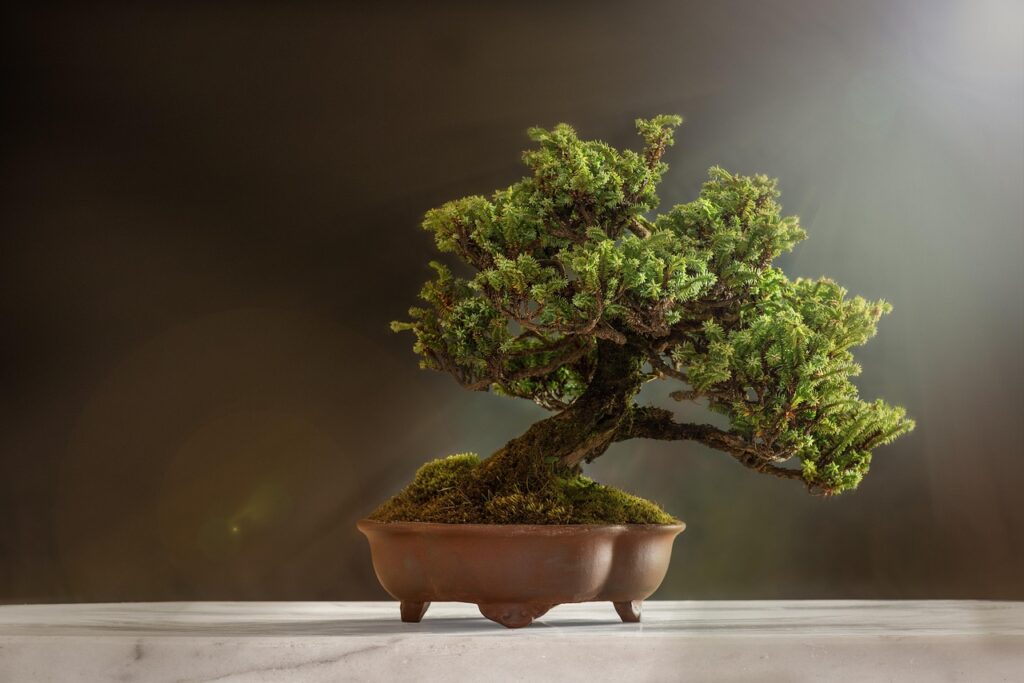
The Garden Juniper bonsai carries deep symbolic meaning rooted in ancient traditions. Junipers have long been associated with protection, endurance, and spiritual cleansing across various cultures. In many regions, juniper branches were burned to purify spaces and ward off negative influences, reinforcing the tree’s reputation as a guardian plant.
In bonsai art, the Garden Juniper represents resilience. Its ability to survive harsh winds, rocky soils, and extreme conditions mirrors the human capacity to endure hardship and grow stronger through adversity. This symbolism makes it a meaningful choice for growers who appreciate trees that reflect strength and perseverance.
In Japanese bonsai culture, junipers are among the most respected species. They are often used to create dramatic designs that evoke mountain landscapes, ancient cliffs, and windswept coastlines. The textured bark and rugged trunk lines symbolise age, wisdom, and the quiet dignity of nature shaped by time.
For modern growers, the Garden Juniper bonsai also represents accessibility. It is one of the species that has introduced countless enthusiasts to the art of bonsai. Its forgiving nature allows beginners to learn shaping and pruning techniques without constant fear of failure, while still offering depth for advanced artists seeking refinement.
Ultimately, the Garden Juniper bonsai embodies endurance, protection, and natural beauty. It stands as a reminder that strength often comes from adapting to the elements rather than resisting them, a fitting metaphor for both bonsai cultivation and life itself.
Companion Plants and Wildlife Attraction
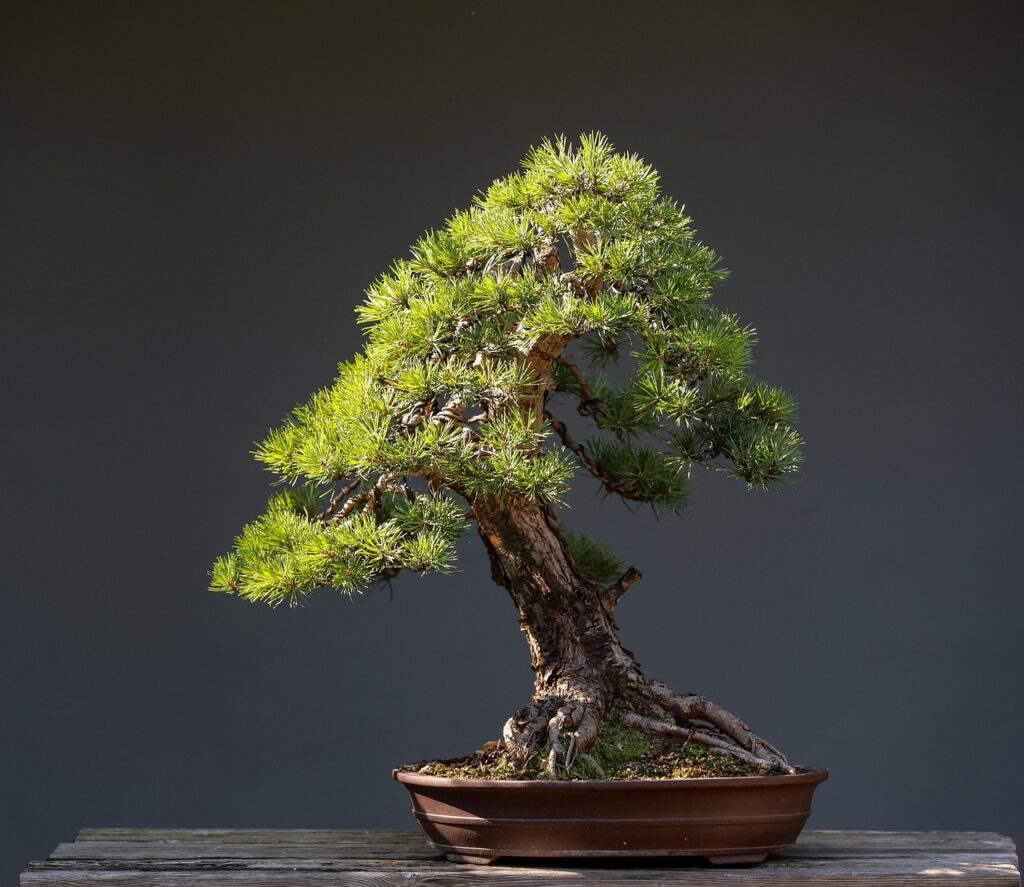
The Garden Juniper bonsai benefits from carefully chosen companion plants that reflect similar environmental needs. Because it thrives in full sun and well-draining soil, any companions should tolerate bright exposure and moderate watering. The goal is not to compete with the bonsai, but to enhance its landscape illusion and support a balanced micro-ecosystem.
When selected thoughtfully, companions can improve surface moisture control, introduce seasonal interest, and attract beneficial wildlife without compromising root health.
Moss
Moss adds maturity and visual depth to a Garden Juniper bonsai display. Species such as Hypnum cupressiforme create soft, natural mats that suggest woodland terrain, while Bryum argenteum is more tolerant of sun and urban conditions. These species can be used sparingly across the soil surface to soften the composition.
It is important not to overapply moss. While it helps reduce evaporation, excessive coverage can trap moisture against the trunk and increase the risk of fungal issues. In warmer climates, especially during humid summers, patch application is far safer than full carpeting.
Flowers
Low-growing flowering plants provide subtle seasonal contrast to the evergreen foliage of a Garden Juniper bonsai. White stonecrop is an excellent choice because it tolerates sun and drier soil, producing small white blooms that complement the juniper’s rugged structure.
Mexican fleabane adds delicate daisy-like flowers that soften the display without overpowering it. Sweet alyssum offers compact growth and gentle fragrance, making it a pleasant accent plant. These flowering companions are best grown in separate pots to prevent root competition and watering conflicts.
Herbs
Hardy herbs can create a miniature landscape effect when displayed alongside a Garden Juniper bonsai. Creeping thyme is particularly suitable due to its drought tolerance and low, spreading growth habit. It reinforces the sense of scale while thriving in similar conditions.
Prostrate rosemary also works well in sunny environments and adds movement to a display. Even oregano can serve as a practical and aromatic accent plant, provided it is kept in its own container to avoid interfering with the bonsai’s root system.
Wildlife Attraction
Although a single bonsai will not transform your garden into a wildlife haven, it can contribute to a healthy outdoor environment. Flowering companions such as thyme and sweet alyssum naturally attract bees and butterflies, supporting pollination.
Maintaining a balanced garden without excessive chemical sprays encourages beneficial insects like ladybirds, which help control aphids. If your Garden Juniper produces cones, small birds may occasionally forage nearby, adding quiet life to your growing space.
Companion planting should always enhance the bonsai, not compete with it. When selected thoughtfully, these plants create harmony, texture, and subtle biodiversity around your Garden Juniper bonsai.
Care Summary and Practical Notes
The Garden Juniper bonsai is a resilient and rewarding outdoor tree that thrives on sunlight, disciplined watering, and thoughtful pruning. It prefers full sun, fast-draining soil, and a watering routine that allows slight drying between sessions. Most problems arise not from neglect but from overwatering or poor drainage, so root health should always remain a priority.
Consistency matters more than complexity. Regular light pruning maintains shape, seasonal feeding supports steady growth, and occasional wiring refines structure over time. Avoid dramatic changes during extreme heat or deep winter, and always allow the tree to recover gradually from major work such as repotting or structural pruning.
Above all, the Garden Juniper bonsai rewards patience. Its rugged bark, layered foliage pads, and natural movement develop over years, not weeks. When cared for properly, it becomes more than a beginner’s tree; it becomes a long-term companion that reflects resilience, balance, and quiet strength in your garden space.