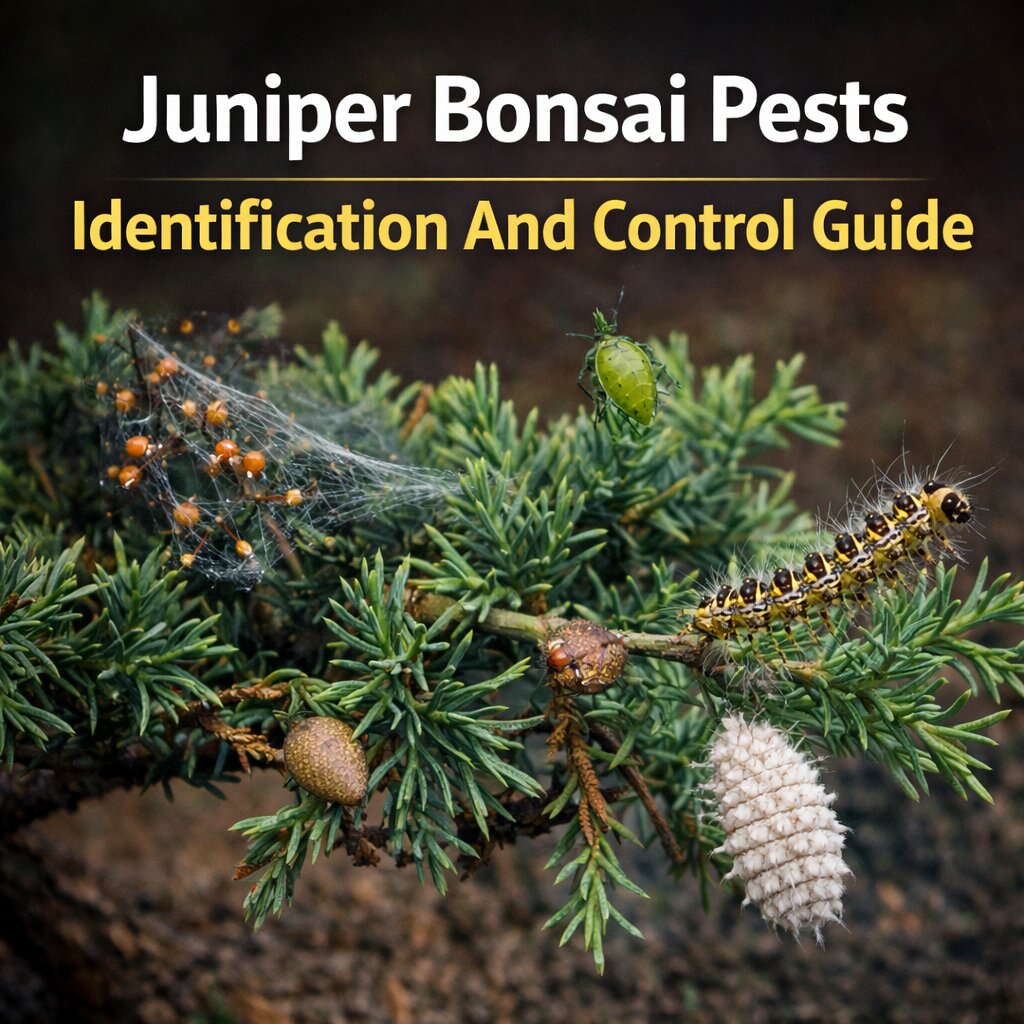
Juniper bonsai pests are one of the most common problems faced by bonsai growers. While junipers are generally hardy and resilient trees, they can still attract insects and mites that damage foliage, weaken branches, and reduce the overall health of the tree.
Because bonsai trees are grown in small containers, pest infestations can spread quickly if they are not addressed early. Limited soil and close foliage growth make it easier for insects to establish themselves if regular inspections are not performed.
Understanding the most common juniper bonsai pests helps bonsai growers identify issues quickly and take action before serious damage occurs. Early detection often makes the difference between a minor treatment and a long-term health problem for the tree.
With proper care, monitoring, and treatment, most pest problems can be controlled while keeping your juniper bonsai healthy and thriving.
Why Juniper Bonsai Attract Pests
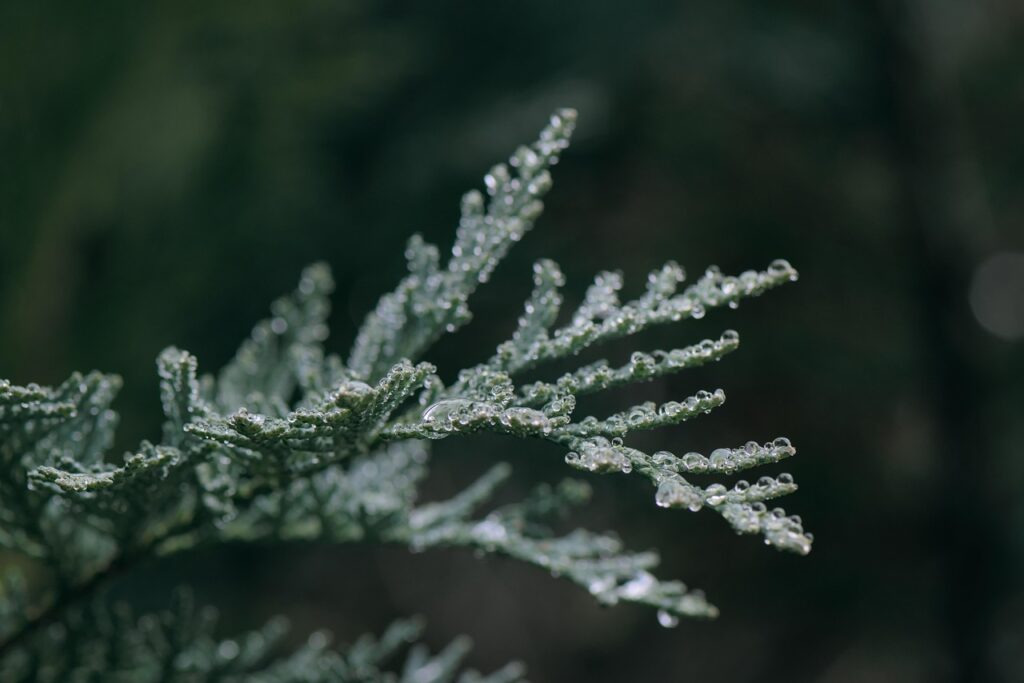
Juniper bonsai can become vulnerable to pests when environmental conditions stress the tree. Poor airflow, overwatering, weak sunlight exposure, or neglected maintenance can create ideal conditions for insects to multiply.
When a juniper becomes stressed, its natural defences weaken, making it easier for pests to feed on foliage or sap. Indoor bonsai environments can sometimes make the situation worse because natural predators are absent.
Regular observation is one of the best defences against juniper bonsai pests. By checking foliage, branches, and soil frequently, growers can detect early signs of pest activity before infestations become severe.
Healthy bonsai trees that receive proper watering, sunlight, and pruning are generally far more resistant to pest attacks.
Common Juniper Bonsai Pests
Several insects and mites are commonly responsible for juniper bonsai pests problems. Recognising these pests early helps growers treat infestations before significant damage occurs.
Common juniper bonsai pests include:
- Spider Mites: Tiny red or green mites that feed on needles, causing yellowing foliage and fine webbing between branches. They thrive in hot, dry conditions.
- Aphids: Small green, black, or yellow insects that gather on new growth and suck sap from the plant. They leave behind sticky honeydew that can attract ants.
- Scale Insects: Small, oval-shaped armoured pests that attach to bark or foliage and feed on sap. Heavy infestations can weaken branches and slow growth.
- Mealybugs: White, cotton-like insects often found in branch joints or needle clusters. They feed on plant sap and can weaken the tree over time.
- Caterpillars: Leaf-eating larvae that chew needles and young foliage. They can quickly strip sections of the tree if not controlled.
- Juniper Webworms: Larvae that spin webs between needles while feeding, causing visible webbing and browning foliage.
- Juniper Needle Miners: Larvae that tunnel inside juniper needles, causing them to turn brown and hollow before eventually falling off.
- Root Pests: Fungus gnat larvae and occasionally small snails can damage roots in overly wet soil conditions.
Spider mites are among the most frequent pests affecting juniper bonsai. These tiny insects feed on plant cells, often leaving behind pale or yellowish foliage.
Scale insects and mealybugs attach themselves to branches and feed on sap, weakening the tree over time if left untreated.
Signs Of Pest Infestation
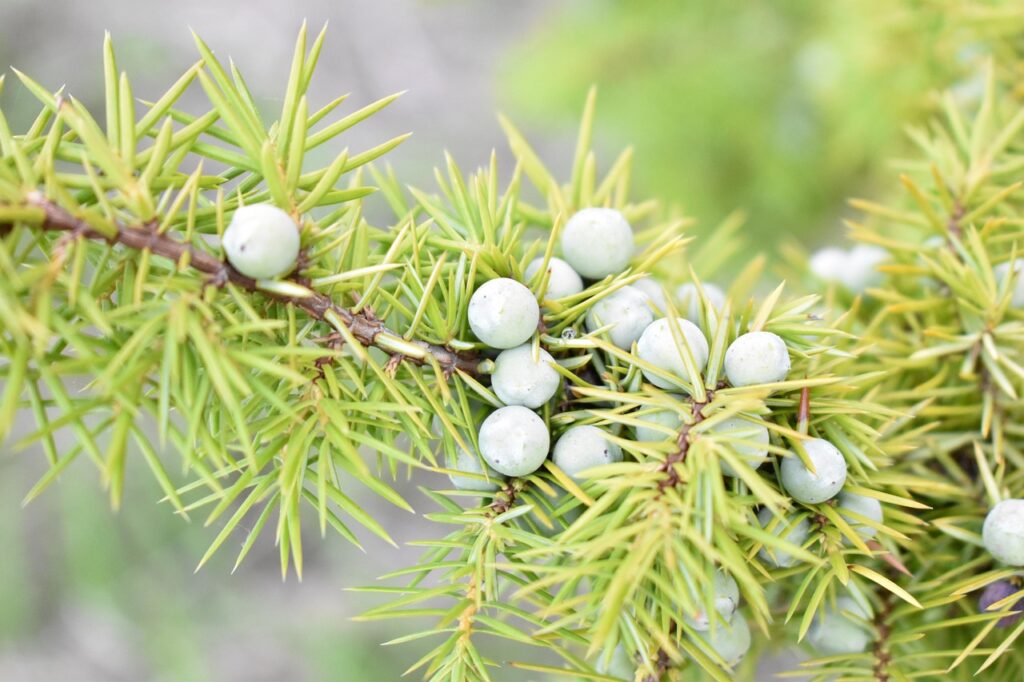
Identifying the symptoms of juniper bonsai pests is an important skill for bonsai growers. Many pests are extremely small and may not be immediately visible to the naked eye.
One of the first warning signs is discoloured foliage. Yellowing needles, brown patches, or fading colour can indicate feeding damage from insects or mites.
Sticky residue on branches or leaves can also signal pest activity, particularly from aphids or scale insects. This residue, known as honeydew, may also attract ants.
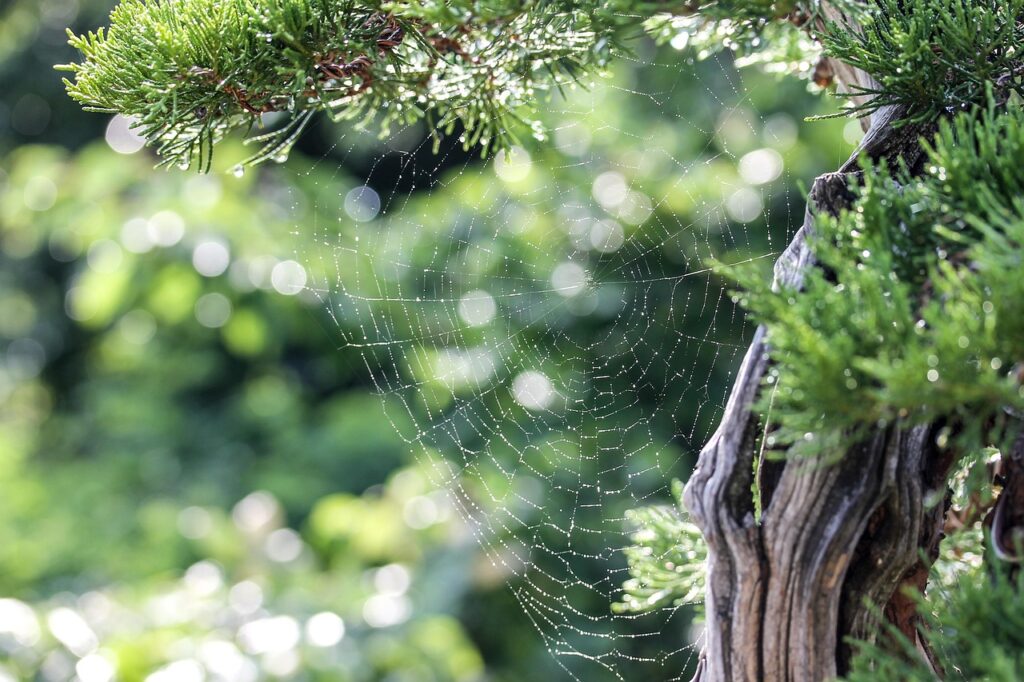
Another common sign is webbing between foliage or branches. This is often caused by spider mites or webworms that spin silk while feeding on the plant.
How To Treat Juniper Bonsai Pests
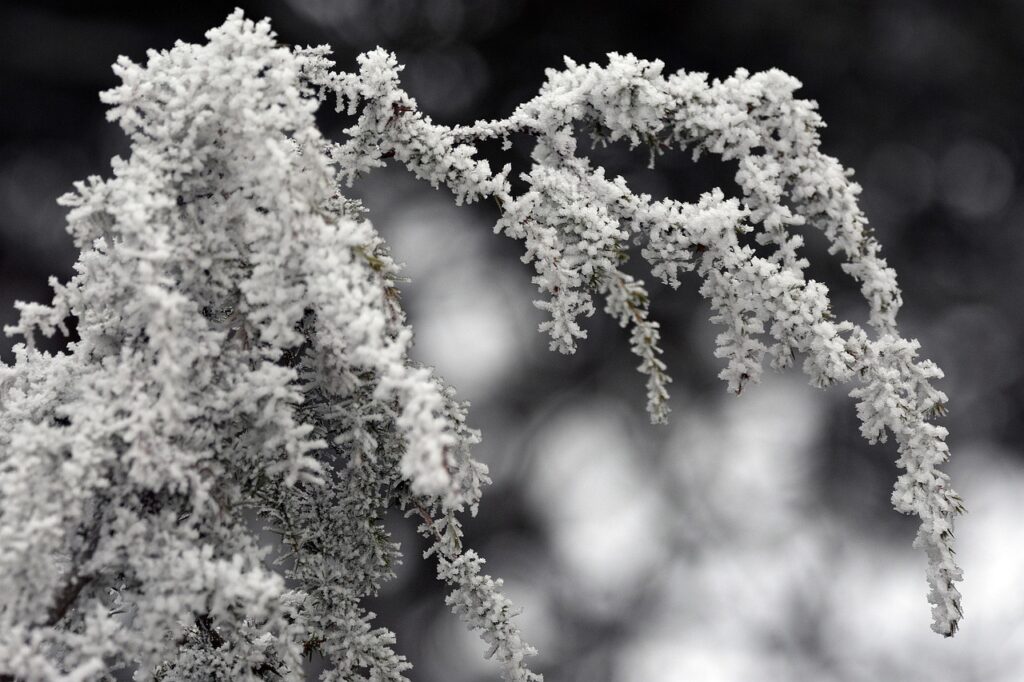
Treating juniper bonsai pests depends on the severity of the infestation and the type of insect involved. Early infestations can often be controlled with simple treatments.
Many bonsai growers begin by washing the foliage gently with water to remove insects and eggs. This method can reduce pest populations without using chemicals.
Horticultural oils and insecticidal soaps are also widely used to treat bonsai pests. These treatments suffocate insects without harming the tree when applied correctly.
For more severe infestations, targeted insecticides may be required. However, these should always be used carefully to avoid damaging the bonsai or surrounding plants.
Preventing Future Pest Problems
Preventing juniper bonsai pests is far easier than treating a full infestation. Regular care and maintenance are the most effective ways to keep pests away.
Good airflow around the tree reduces the likelihood of mites and fungal issues. Avoid overcrowding bonsai trees and ensure they receive adequate sunlight.
Routine inspections should be part of every bonsai care routine. Checking foliage, branch junctions, and soil surfaces helps growers detect problems early.
Maintaining overall tree health through proper watering, pruning, and fertilising also strengthens the bonsai’s natural defences against pests.
For species-specific care tips, growers can also explore our Juniper bonsai species care sheets to better understand the needs of different juniper varieties.