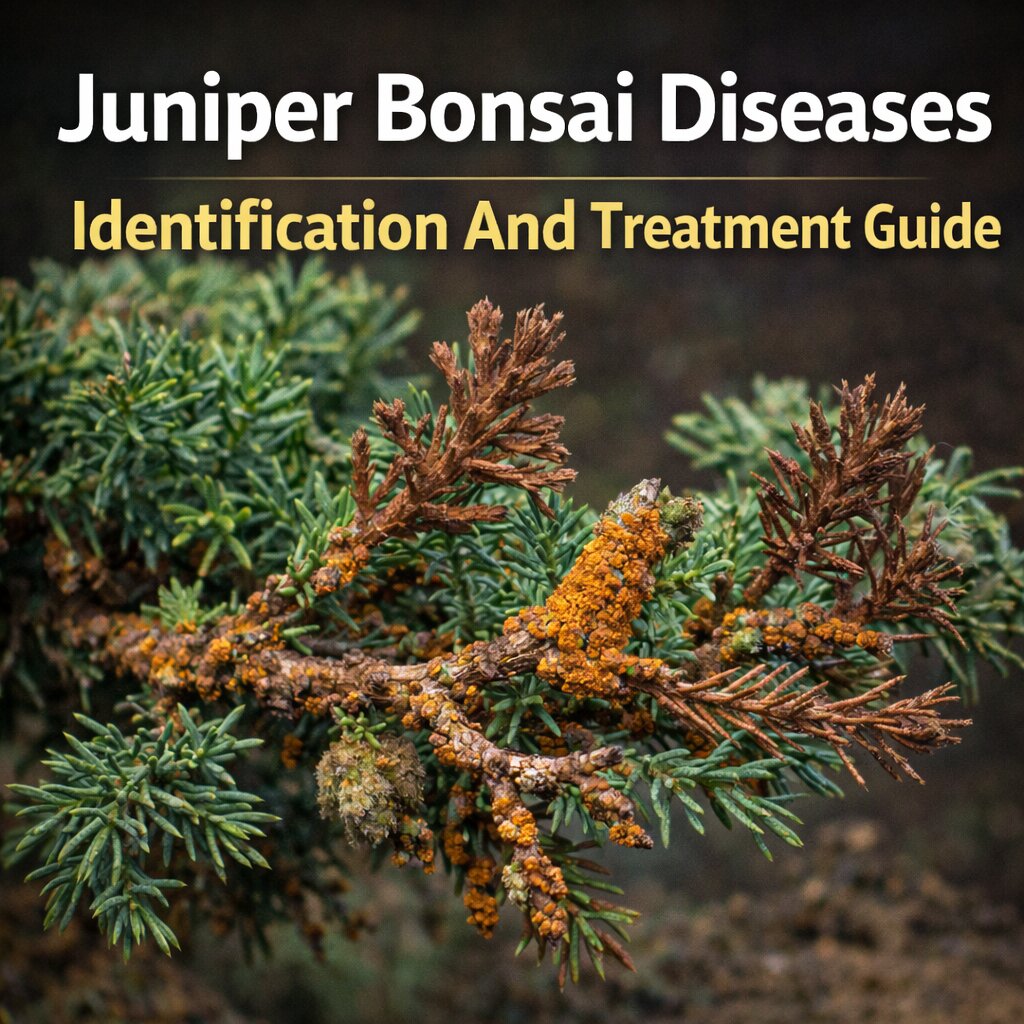
Juniper bonsai diseases can affect the health, growth, and appearance of your tree if they are not detected early. While junipers are generally hardy and resilient bonsai species, they can still suffer from fungal infections, root problems, and environmental stress that lead to disease.
Because bonsai trees grow in small containers with limited soil, diseases can spread quickly if conditions become favourable for pathogens. Poor drainage, excessive humidity, and inadequate airflow can all contribute to the development of disease in juniper bonsai.
Understanding the most common juniper bonsai diseases helps bonsai growers recognise early symptoms and apply appropriate treatments before the problem becomes severe. Early intervention is often the key to saving an affected tree.
With proper bonsai care, monitoring, and preventative practices, most disease problems can be avoided or managed effectively.
Why Juniper Bonsai Develop Diseases
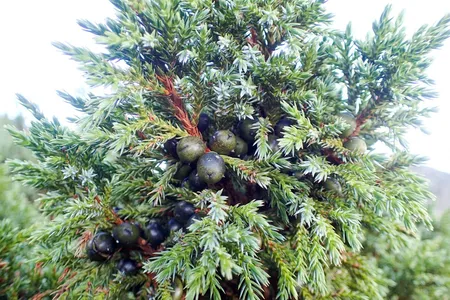
Several environmental and care-related factors can contribute to the development of juniper bonsai diseases. Stress is one of the most common triggers that weakens a tree’s natural defences and allows infections to take hold.
Overwatering is a major cause of disease in juniper bonsai. When soil remains constantly wet, it creates conditions that allow harmful fungi and root pathogens to thrive. Poor soil drainage can worsen the problem and lead to root damage.
Humidity and poor airflow can also contribute to fungal diseases affecting foliage and branches. When moisture remains on needles for extended periods, fungal spores can spread rapidly across the tree.
Maintaining proper watering practices, good airflow, and healthy soil conditions is essential for preventing juniper bonsai diseases.
Common Juniper Bonsai Diseases
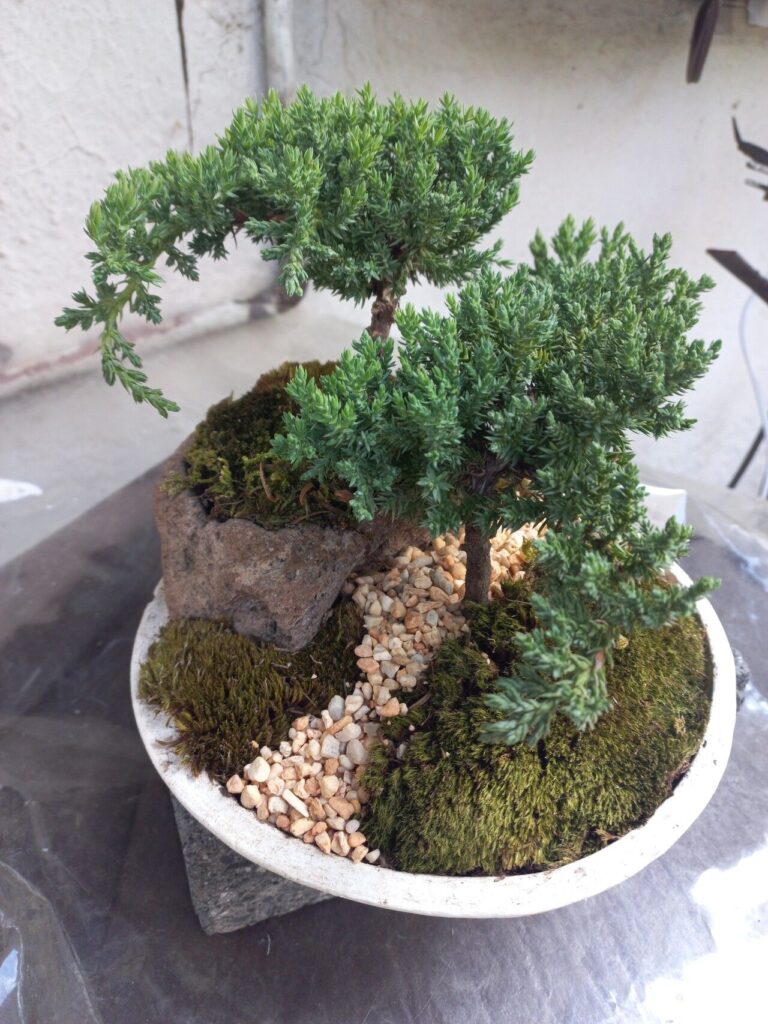
Several fungal and root-related conditions are commonly associated with juniper bonsai diseases. Recognising the symptoms early can help prevent serious damage.
Common juniper bonsai diseases include:
- Juniper Tip Blight: A fungal disease that causes branch tips to turn brown and die back, often starting on younger shoots.
- Phomopsis Blight: A disease that affects new growth, causing yellowing, browning, and eventual dieback of young branches.
- Cercospora Needle Blight: A fungal infection that causes needles to turn purple or brown before dropping from the tree.
- Root Rot: Often caused by overwatering or poorly draining soil, root rot damages the root system and can eventually kill the tree.
- Rust Diseases: Certain fungal infections that create orange or brown spore masses on foliage or branches.
Early treatment is essential when dealing with juniper bonsai diseases, as infections can spread quickly if ignored.
Signs Of Disease In Juniper Bonsai
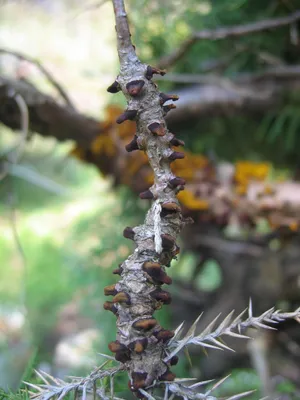
Identifying the symptoms of juniper bonsai diseases requires careful observation of the tree’s foliage, branches, and growth patterns.
One of the most common warning signs is discoloured needles. Browning tips, yellow patches, or purple needles can indicate fungal infections or root issues affecting the tree.
Another sign of disease is dieback on branch tips. When new growth suddenly turns brown or brittle, it may indicate blight or fungal damage.
Weak growth, needle drop, or a general decline in the tree’s health may also suggest root-related diseases. Checking soil moisture and root health can help identify the underlying cause.
Regular inspections help bonsai growers detect juniper bonsai diseases before they become severe.
How To Treat Juniper Bonsai Diseases
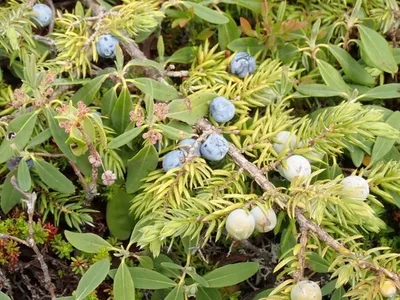
Treating juniper bonsai diseases depends on the type of infection and how early the problem is detected. Early-stage fungal infections can often be controlled with pruning and improved environmental conditions.
Removing infected foliage or branches is usually the first step. This helps stop the spread of fungal spores to healthy parts of the tree.
Fungicides may also be used to treat certain fungal diseases affecting juniper bonsai. However, they should be applied carefully and according to product instructions.
If root rot is suspected, improving soil drainage and adjusting watering practices is critical. In severe cases, repotting the bonsai into fresh, well-draining soil may be necessary.
Preventing Disease In Juniper Bonsai
Prevention is the most effective way to manage juniper bonsai diseases. Healthy trees are naturally more resistant to infections and environmental stress.
Ensuring proper watering practices is one of the most important preventative measures. Junipers prefer soil that dries slightly between watering rather than remaining constantly wet.
Providing adequate sunlight and airflow also helps reduce the risk of fungal infections. Good airflow allows moisture to evaporate from foliage more quickly.
Routine inspection of your bonsai helps detect early signs of problems before they spread. Regular pruning and proper soil conditions also support overall tree health.
For species-specific care recommendations, growers can also explore our Juniper bonsai species care sheets to understand how different juniper varieties respond to disease risks.