
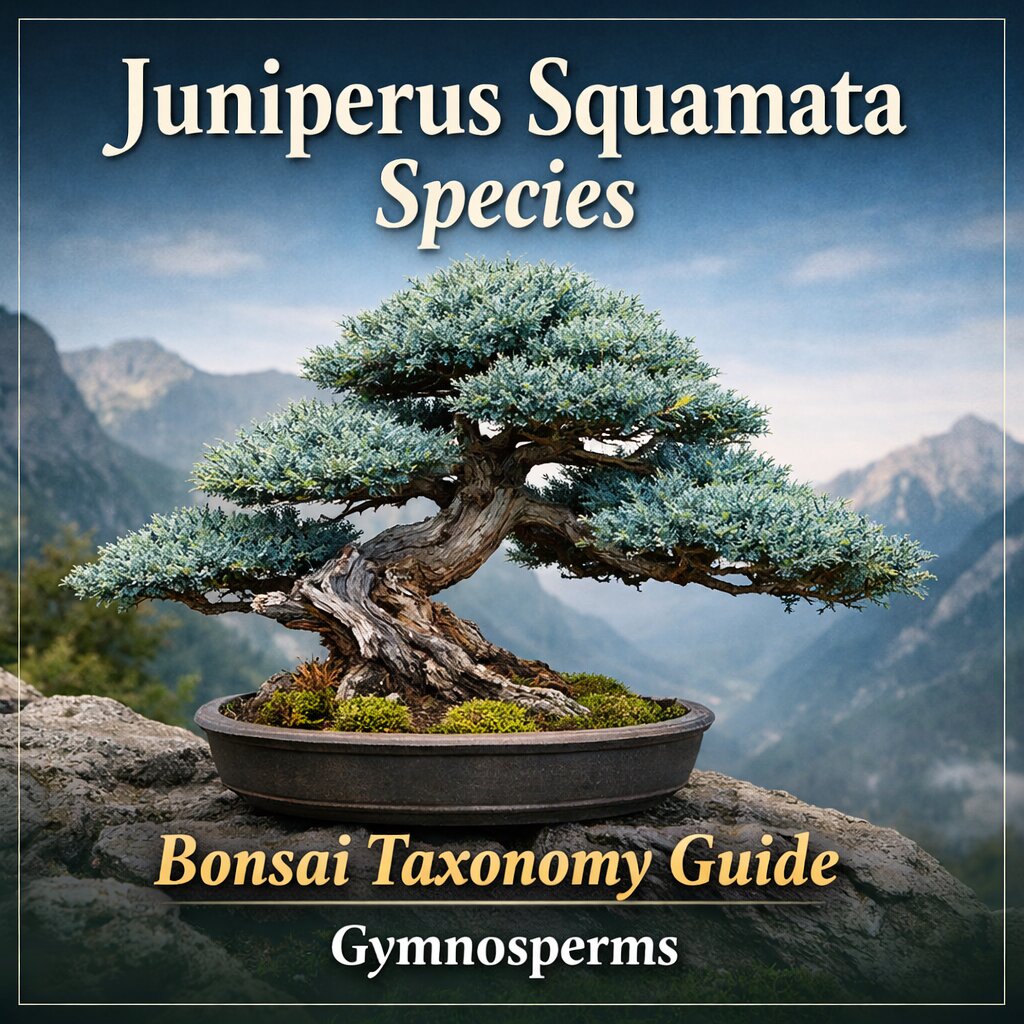
Juniperus squamata is a hardy evergreen conifer species valued for its striking blue-green foliage, rugged mountain adaptations, and versatility in horticulture. Commonly known as the flaky juniper, singleseed juniper, or Himalayan juniper, Juniperus squamata belongs to the cypress family Cupressaceae and naturally occurs across a vast mountainous region stretching from Afghanistan through the Himalayas and into western China and Taiwan. Its tolerance for cold climates, poor soils, and exposed high-altitude environments has allowed this species to thrive in some of Asia’s most challenging landscapes.
In botanical taxonomy and horticulture, Juniperus squamata is particularly notable for its needle-like foliage arranged in whorls of three, as well as its characteristic berry-like cones that typically contain a single seed. These features distinguish it from several other juniper species and contribute to its scientific name, where the Latin epithet squamata refers to the plant’s small scale-like structures. Over time, this resilient species has also become an important ornamental plant, giving rise to popular cultivars such as ‘Blue Star’ and ‘Blue Carpet’ that are widely used in landscaping and bonsai culture.
Understanding Juniperus squamata from a taxonomic and botanical perspective provides valuable insight into its identification, growth patterns, ecological adaptations, and horticultural uses. This guide explores the classification, structural characteristics, natural distribution, and cultivated varieties of Juniperus squamata, offering a comprehensive overview of one of the most distinctive species within the Juniperus genus.
Table of Contents
Taxonomy
– Kingdom: Plantae (Plant Kingdom)
— Clade: Embryophytes (Land Plants)
— Clade: Polysporangiophytes (Multiple Sporangia)
—- Clade: Tracheophytes (Vascular Plants)
—– Superdivision: Spermatophytes (Seed Plants)
—— Clade: Gymnospermae (Naked Seeds)
——- Division: Pinophyta (Conifers)
——– Class: Pinopsida (Living Conifers)
——— Subclass: Cupressidae (Evergreen Conifers)
———- Order: Cupressales (Cypress)
———– Family: Cupressaceae (Cypress)
———— Subfamily: Cupressoideae (Cypress)
————- Genus: Juniperus (Juniper)
————– Section: Sabina (Scale-Leaf Junipers)
————— Species: Juniperus squamata (Himalayan Juniper)
What is Juniperus squamata?
Juniperus squamata is a species of evergreen conifer belonging to the cypress family Cupressaceae. Native to mountainous regions of Central and East Asia, Juniperus squamata grows naturally across a wide range that includes Afghanistan, the Himalayas, western China, and Taiwan. The species is commonly known as the flaky juniper or Himalayan juniper, names that reflect both its distinctive bark and its natural high-altitude habitat.
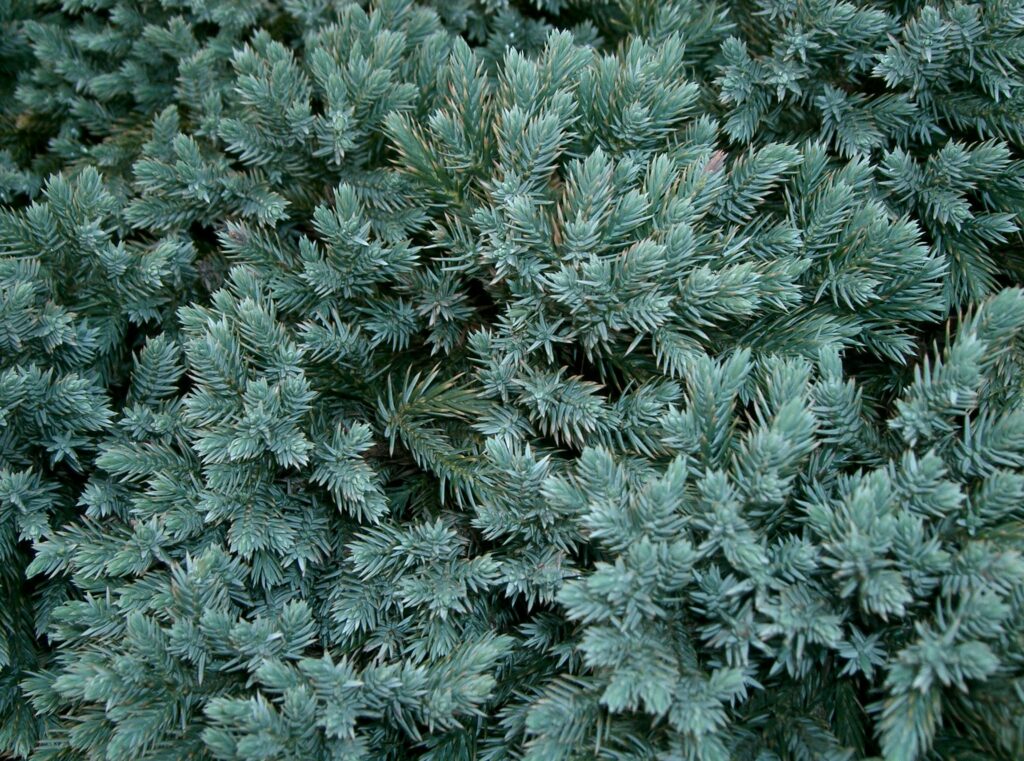
In the wild, Juniperus squamata typically grows as a shrub but can occasionally develop into a small tree depending on environmental conditions. Mature plants generally reach heights between 2 and 10 metres, although exceptional specimens may grow taller. The species is easily recognised by its sharply pointed needle-like leaves that appear in whorls of three and often display a bluish or glaucous green colour.
One of the defining botanical traits of Juniperus squamata is its berry-like cones, which usually contain a single seed. These cones develop over a period of roughly 18 months, gradually changing from green to a glossy dark purple or black when fully mature. This single-seed characteristic is the reason the plant is sometimes called the singleseed juniper.
Today, Juniperus squamata is valued not only for its ecological role in mountainous ecosystems but also for its ornamental appeal in landscaping and horticulture. Many cultivated varieties have been developed for gardens and bonsai, making Juniperus squamata one of the most recognisable juniper species in modern horticulture.
Taxonomic classification of Juniperus squamata within Cupressaceae
Juniperus squamata belongs to the cypress family Cupressaceae, a large group of coniferous plants that includes cypresses, redwoods, arborvitae, and junipers. Within this family, Juniperus squamata is part of the genus Juniperus, which consists of more than 60 species distributed across the Northern Hemisphere. Members of this genus are known for their evergreen foliage, aromatic wood, and distinctive berry-like cones.
Within the genus, Juniperus squamata is classified in Juniperus section Sabina, a group characterised by species that typically produce needle-like juvenile foliage and scale-like mature foliage, along with berry-like seed cones. Species in this section often show strong adaptability to harsh environments, including rocky slopes, dry soils, and high-altitude habitats. This ecological resilience is one of the defining characteristics shared among many junipers in this group.
Taxonomists have identified several varieties within Juniperus squamata, although the exact number and classification may vary depending on the botanical authority. Some recognised varieties include Juniperus squamata var. squamata, Juniperus squamata var. fargesii, Juniperus squamata var. hongxiensis, and Juniperus squamata var. parviflora. These variations typically differ in needle length, growth form, and geographic distribution.
The species name squamata originates from Latin and refers to small scale-like structures, a reference to the plant’s foliage characteristics and surface texture. This taxonomic framework helps botanists and horticulturists correctly identify Juniperus squamata and distinguish it from closely related juniper species used in landscaping and bonsai cultivation.
Botanical description and diagnostic identification features of Juniperus squamata
Accurately identifying Juniperus squamata requires understanding several key botanical traits that distinguish it from other species within the Juniperus genus. Native to high mountain environments, this species displays structural adaptations that allow it to survive in cold, exposed, and nutrient-poor habitats. These characteristics influence its growth form, bark texture, foliage structure, and reproductive features.
Botanically, Juniperus squamata is recognised for its sharply pointed needle leaves arranged in whorls of three, its flaky brown bark, and its distinctive berry-like cones that typically contain a single seed. Together, these features provide clear diagnostic markers that help botanists, horticulturists, and bonsai enthusiasts identify the species in both natural and cultivated environments.
Growth form and overall structure
In its natural habitat, Juniperus squamata usually grows as an evergreen shrub, although under favourable conditions it may develop into a small tree. Mature plants typically reach heights between 2 and 10 metres, though exceptional specimens may grow taller. The crown is often irregular or loosely conical, reflecting the species’ adaptation to windy mountain slopes and uneven terrain.
The branching structure tends to be dense but somewhat uneven, with branchlets spreading outward or slightly drooping. This irregular form is one of the features that differentiates Juniperus squamata from some more symmetrical juniper species used in ornamental landscapes.
Bark and trunk characteristics
One of the most distinctive features of Juniperus squamata is its bark. The bark is typically brown to reddish-brown and exfoliates in thin papery flakes. This characteristic peeling appearance gives rise to the common name “flaky juniper.”
As the plant matures, the trunk and older branches may develop a rougher texture as the bark layers continue to separate. The flaky bark not only provides an important identification trait but also helps the plant adapt to harsh environmental conditions by shedding outer layers damaged by cold or wind.
Needle foliage and colour variation
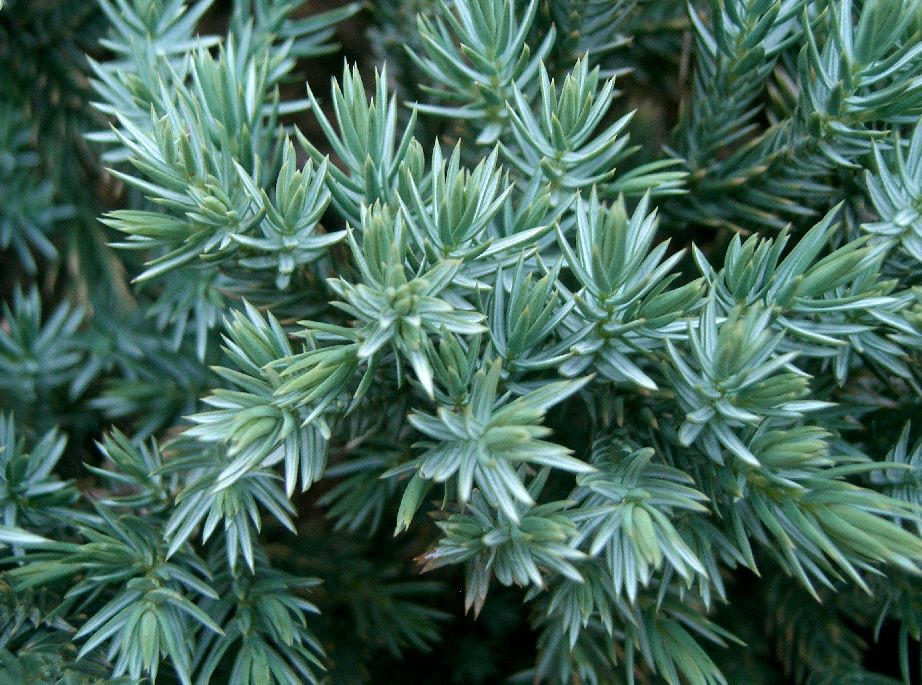
The foliage of Juniperus squamata consists primarily of stiff, needle-like leaves rather than scale leaves. These needles are usually between 3 and 9 millimetres long and are arranged in alternating whorls of three around the stem. Each needle is sharply pointed, giving the plant a slightly prickly texture.
A defining visual characteristic of Juniperus squamata is its blue-green to silver-blue colouration. The needles often display a pale or gray-white band along the inner surface, creating a distinctive glaucous appearance. This bluish colour is one of the reasons the species and its cultivars are highly valued in ornamental landscaping.
Seed cones and reproductive structures
The reproductive structures of Juniperus squamata are small, berry-like cones that resemble berries rather than traditional pine cones. These cones are usually globose to slightly ovoid and measure around 4 to 9 millimetres in length.
Initially green or reddish-brown, the cones mature over approximately 18 months and turn a glossy dark purple or black when fully developed. Each cone typically contains a single seed, which is why the species is sometimes referred to as the singleseed juniper.
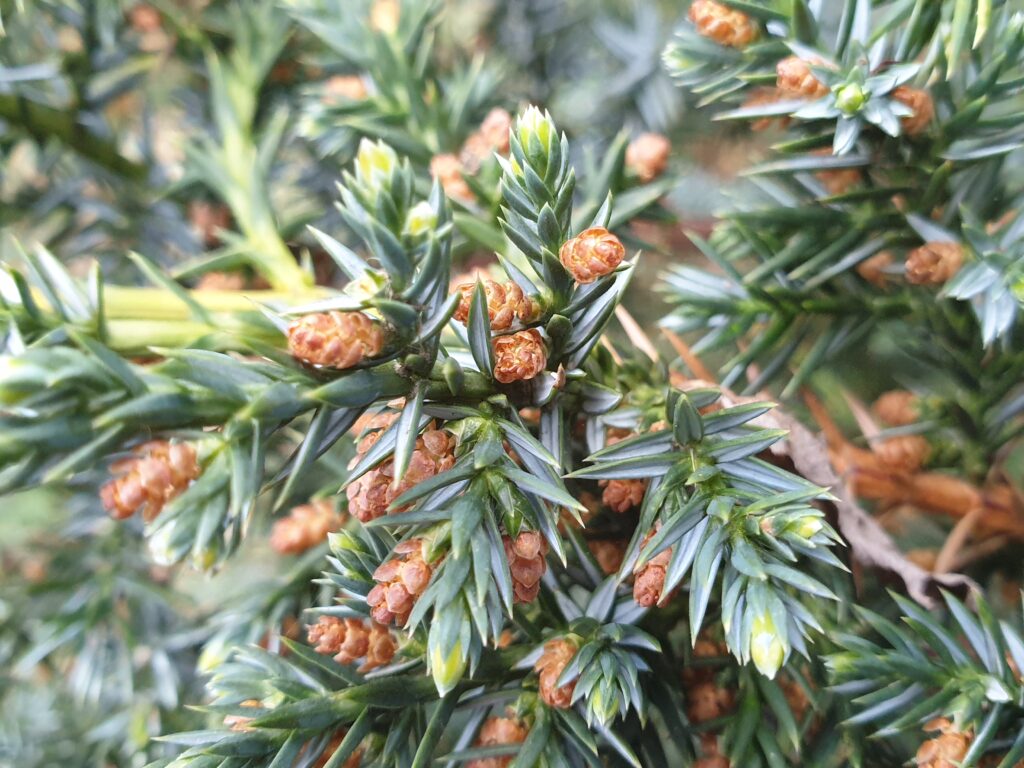
Like many juniper species, Juniperus squamata is largely dioecious, meaning that male and female cones are produced on separate plants. Male cones release pollen in early spring, while female cones develop gradually after pollination.
Growth habit, structural variability, and longevity potential of Juniperus squamata
The growth habit of Juniperus squamata reflects its natural adaptation to harsh mountainous environments. Found at elevations ranging from roughly 1,600 to nearly 4,900 metres, the species has developed a flexible growth structure that allows it to survive strong winds, rocky soils, and cold climates. These conditions have contributed to the remarkable structural variability observed across different populations of Juniperus squamata.
In cultivation and horticulture, this adaptability also makes Juniperus squamata a versatile species. Depending on environmental conditions and cultivar selection, it may appear as a low spreading shrub, a dense mound, or a small upright tree. Understanding these growth patterns is important for landscape design, bonsai cultivation, and long-term plant management.
Natural growth forms in the wild
In its natural range, Juniperus squamata most commonly grows as an evergreen shrub with spreading or irregular branching. Plants may develop wide, open crowns that allow them to capture sunlight efficiently in mountainous terrain where surrounding vegetation can be sparse.
Some individuals grow in a prostrate or ground-hugging form, especially in areas exposed to strong winds or extreme weather conditions. This growth habit helps the plant conserve energy and avoid damage from heavy snow or harsh alpine winds.
Under favourable conditions, particularly in sheltered valleys or slopes, Juniperus squamata may develop into a small tree with a more upright structure. These tree forms can reach heights between 10 and 15 metres, although such growth is relatively uncommon compared to the more typical shrub form.
Structural variability across environments
One of the defining characteristics of Juniperus squamata is its structural variability. Environmental conditions such as altitude, soil composition, moisture availability, and sunlight exposure can influence the plant’s shape and branching pattern.
In high-altitude environments with limited soil depth, Juniperus squamata often develops compact or low spreading growth forms. This adaptation helps stabilise the plant against rocky slopes and strong winds. The flexible branching structure also reduces damage during winter storms or heavy snowfall.
In cultivation, especially in gardens or managed landscapes, Juniperus squamata can exhibit more predictable growth patterns. Many horticultural cultivars have been selectively bred to emphasise compact forms, dense foliage, or distinctive colouration, making them popular choices for ornamental planting.
Longevity and long-term growth potential
Like many conifer species, Juniperus squamata has the potential to live for several decades under favourable conditions. In natural habitats, individuals may survive for long periods thanks to their tolerance of poor soils, cold climates, and low-nutrient environments.
The species grows relatively slowly, particularly in higher altitudes where growing seasons are short. This slow growth contributes to its long lifespan and dense wood structure, which helps protect the plant against environmental stress.
In managed landscapes or bonsai cultivation, the longevity of Juniperus squamata can be even more pronounced when proper care is provided. With careful pruning, well-drained soil, and sufficient sunlight, mature specimens can remain healthy and visually striking for many years.
Foliage structure, needle morphology, and distinctive blue-green colouration
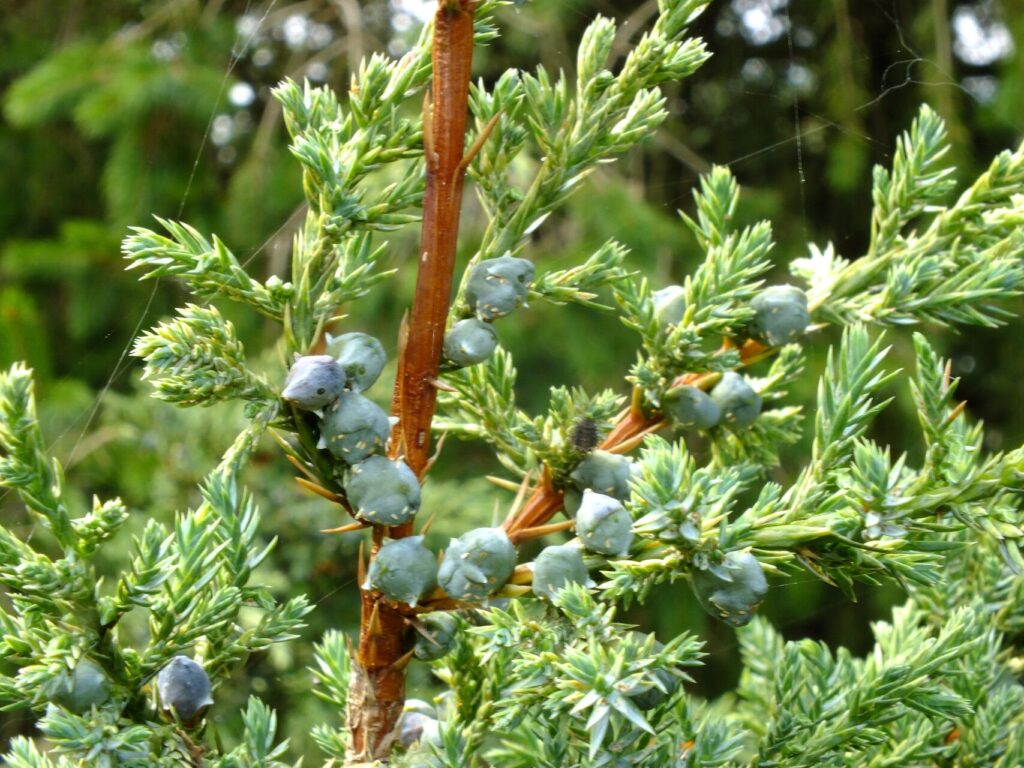
The foliage of Juniperus squamata is one of its most recognisable and attractive features. Unlike many other juniper species that develop scale-like leaves as they mature, Juniperus squamata largely retains needle-like foliage throughout its life. This consistent needle structure gives the plant a coarse, textured appearance that distinguishes it from several other members of the Juniperus genus.
Another defining characteristic of Juniperus squamata is its striking colour. The foliage typically displays a blue-green to silvery-blue tone that stands out in both natural landscapes and cultivated gardens. This distinctive colouration is one of the reasons the species and its cultivars are highly valued in ornamental horticulture and bonsai design.
Needle arrangement and structure
The needles of Juniperus squamata are stiff, sharply pointed, and typically measure between 3 and 9 millimetres in length. These needles grow in alternating whorls of three around the stem, forming a symmetrical radial pattern that contributes to the plant’s dense foliage structure.
Each needle has a triangular cross-section and tapers to a fine point, giving the plant a slightly prickly texture. The rigid structure of the needles helps the species withstand harsh environmental conditions such as strong mountain winds and heavy snowfall.
This needle arrangement is an important diagnostic feature when identifying Juniperus squamata, particularly when distinguishing it from species that transition from juvenile needles to mature scale foliage.
Blue-green colouration and glaucous surface
The colour of Juniperus squamata foliage ranges from deep blue-green to a silvery or glaucous blue. Many needles display a pale or gray-white band on their inner surface, which contributes to the plant’s distinctive shimmering appearance when viewed in sunlight.
This glaucous colouration is caused by a waxy coating on the needle surface. The coating helps protect the plant from environmental stress by reducing water loss and reflecting intense sunlight in high-altitude environments.
Because of this striking colour, Juniperus squamata has become a popular ornamental species in landscaping. Cultivars such as ‘Blue Star’ and ‘Blue Carpet’ are specifically valued for their intense blue foliage and compact growth habits.
Foliage density and seasonal appearance
The foliage of Juniperus squamata typically forms dense clusters along the branches, creating a textured and layered appearance. The tight needle arrangement helps protect the plant’s inner structure from cold temperatures and drying winds.
Unlike deciduous plants, Juniperus squamata retains its foliage year-round, providing consistent colour and structure in landscapes during all seasons. This evergreen characteristic makes it especially valuable in garden design, where it adds visual interest even during winter months.
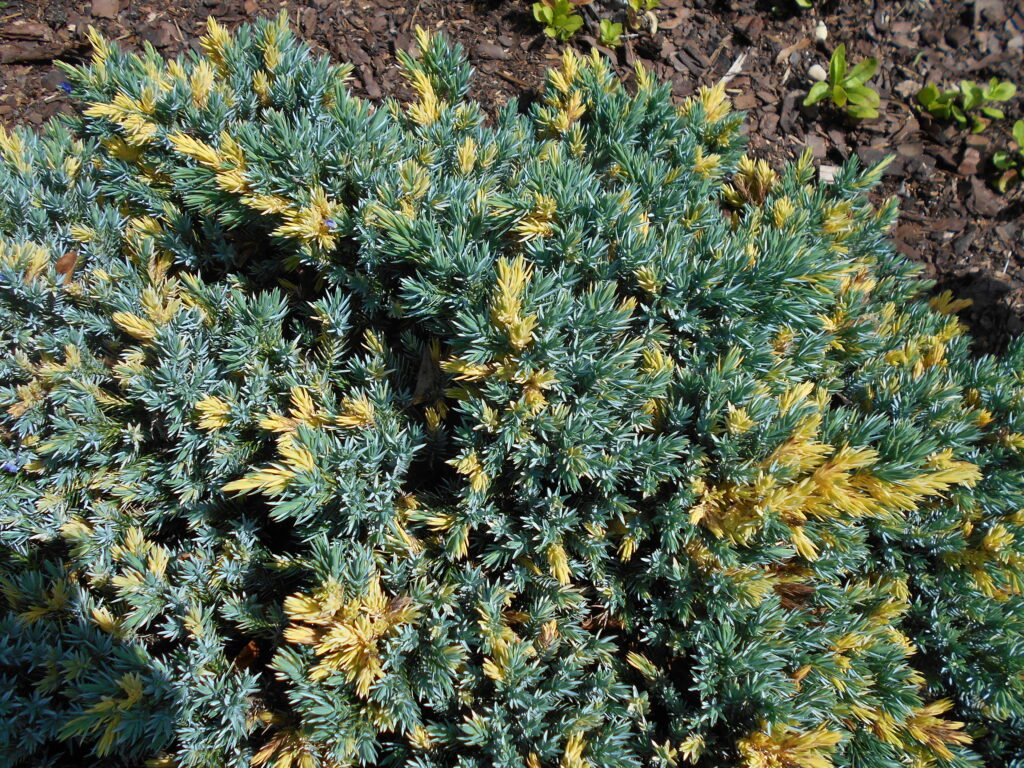
In some cultivars, new growth may appear slightly brighter or more vibrant than older foliage, creating subtle colour contrasts that enhance the plant’s ornamental appeal. This combination of colour, texture, and evergreen foliage makes Juniperus squamata one of the most visually distinctive juniper species.
Reproductive biology, dioecious traits, and single-seeded cone development
The reproductive biology of Juniperus squamata follows the typical pattern seen in many juniper species within the Cupressaceae family. Like other conifers, Juniperus squamata reproduces through seed cones rather than flowers. These cones are often described as berry-like due to their fleshy appearance, which differs from the woody cones commonly associated with pine trees.
A key feature of Juniperus squamata reproduction is its largely dioecious nature, meaning that male and female reproductive structures usually occur on separate plants. This separation encourages cross-pollination and genetic diversity within natural populations. The reproductive cycle also involves a relatively slow cone development process, with seeds maturing over an extended period.
Dioecious reproductive structure
Most populations of Juniperus squamata are dioecious, with individual plants producing either male pollen cones or female seed cones. Male plants produce small pollen cones that release pollen during early spring. These cones are typically yellowish to tan and appear in clusters near the ends of branchlets.
Female plants develop seed cones that eventually form the berry-like structures associated with many junipers. Because male and female cones are produced on separate plants, successful pollination relies on pollen being carried by wind from male plants to nearby female plants.
Although dioecy is the most common reproductive strategy in Juniperus squamata, some individuals may occasionally produce both male and female cones. This condition, known as monoecy, is less common but can occur in certain environmental conditions.
Pollination and cone development
Pollination in Juniperus squamata is primarily wind-driven. During early spring, male cones release large quantities of pollen into the air. Wind currents carry this pollen to receptive female cones located on nearby plants.
Once pollination occurs, the female cone begins a slow maturation process. Unlike many flowering plants that produce seeds within a single season, Juniperus squamata cones typically require about 18 months to fully mature. During this period, the cones gradually enlarge and change colour as the seed develops inside.
The slow maturation process is characteristic of many juniper species and reflects their adaptation to environments where growing seasons can be short or unpredictable.
Single-seeded berry-like cones
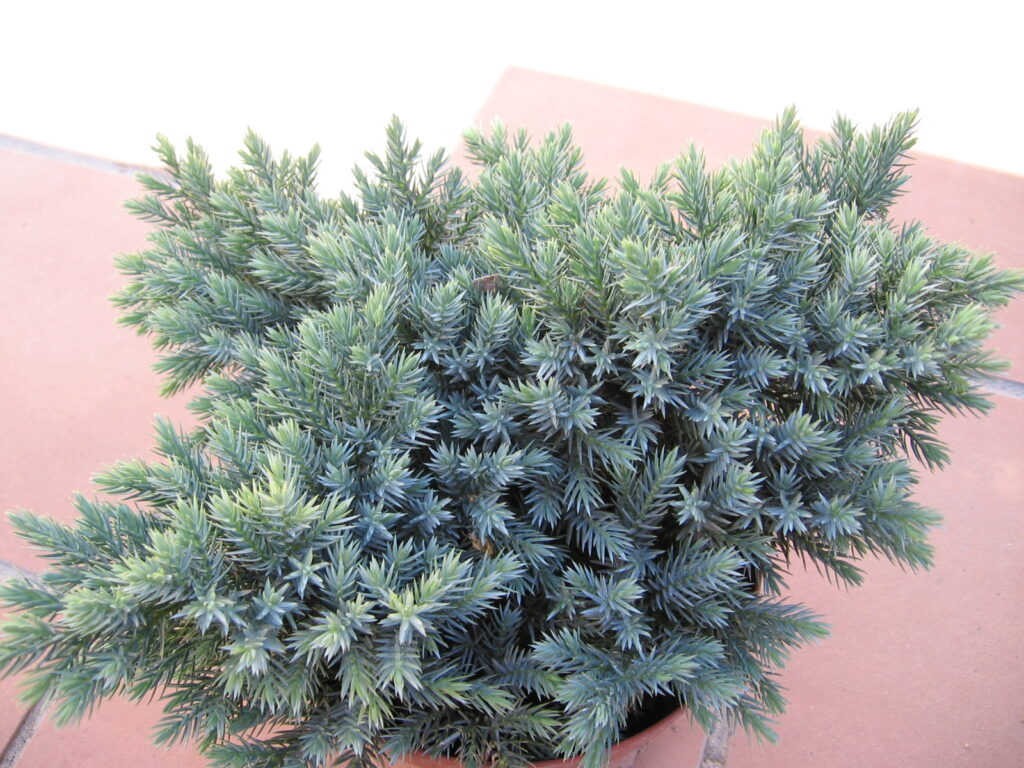
One of the most distinctive reproductive traits of Juniperus squamata is its single-seeded cone structure. The small, fleshy cones are usually globose to slightly ovoid and measure approximately 4 to 9 millimetres in diameter.
When immature, the cones are typically green or reddish-brown. As they mature, they darken to a glossy black or deep purplish-black colour. Inside each cone is typically a single seed, which gives the species its common name singleseed juniper.
These berry-like cones may play a role in seed dispersal by attracting birds and other wildlife that consume the fleshy outer layer. After ingestion, the seeds may be dispersed to new locations, helping the species colonise suitable habitats across mountainous regions of Asia.
Native distribution, high-altitude habitat, and ecological adaptations
Juniperus squamata is naturally distributed across a vast mountainous region of Central and East Asia. The species occurs from northeastern Afghanistan through the Himalayan mountain range and into western and central China, with additional populations found in Taiwan. This broad geographic range reflects the remarkable adaptability of Juniperus squamata to cold climates, steep terrain, and high-altitude environments.
The natural habitats of Juniperus squamata are typically rugged and exposed landscapes where many other plant species struggle to survive. Its ability to grow in rocky soils, tolerate cold winters, and endure strong mountain winds has allowed the species to establish stable populations in some of Asia’s most challenging ecosystems.
Geographic distribution across Asia
The native range of Juniperus squamata stretches across several mountainous regions of Asia. It occurs naturally in Afghanistan, northern Pakistan, Nepal, Bhutan, and large areas of western China, including provinces such as Yunnan, Sichuan, and Gansu. Smaller or isolated populations also extend eastward into parts of Fujian and onto the island of Taiwan.
This distribution largely follows the high mountain systems of the Himalayas and surrounding ranges. These environments provide the cool temperatures and well-drained soils that favour the growth of Juniperus squamata.
Because of its ornamental value, the species has also been introduced to parts of Europe and North America. In cultivated landscapes, Juniperus squamata is widely used in gardens and parks for its distinctive blue foliage and hardy growth habit.
High-altitude mountain habitats
In the wild, Juniperus squamata typically grows at elevations ranging from approximately 1,600 to 4,900 metres above sea level. At these elevations, the climate is often harsh, with strong winds, intense sunlight, and large temperature fluctuations between day and night.
The plant is commonly found on rocky slopes, mountain ridges, and open alpine forests. In many areas, Juniperus squamata grows alongside other hardy mountain species that are adapted to thin soils and short growing seasons.
These environments often provide excellent drainage, which is important for the species. Like many junipers, Juniperus squamata does not tolerate waterlogged soil and performs best in well-drained substrates such as gravelly or sandy mountain soils.
Ecological adaptations to extreme environments
The success of Juniperus squamata in high-altitude environments is supported by several ecological adaptations. Its dense needle foliage helps reduce moisture loss while protecting the plant from cold winds and intense sunlight.
The glaucous blue coating on the needles reflects excess sunlight and reduces water evaporation, which is particularly beneficial in dry alpine climates. This protective wax layer is one of the reasons the species displays its distinctive silvery-blue colour.
The root system of Juniperus squamata is also well adapted to rocky terrain. It is capable of anchoring into shallow soils and crevices between rocks, allowing the plant to stabilise itself on steep slopes where other species may struggle to establish.
These adaptations make Juniperus squamata not only an important species in mountain ecosystems but also a highly resilient plant for cultivation in gardens and bonsai collections around the world.
Cultivars and infraspecific variation of Juniperus squamata
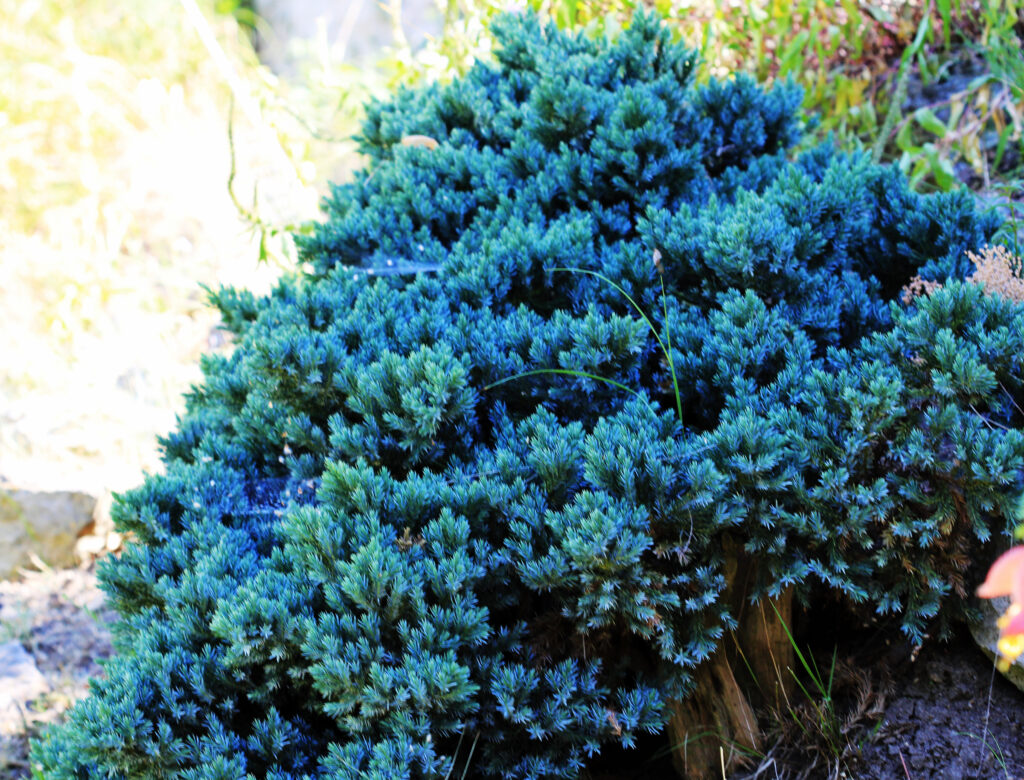
Like many species within the Juniperus genus, Juniperus squamata displays a notable degree of natural variation across its wide native range. Botanists have identified several infraspecific varieties that differ slightly in leaf size, growth structure, and geographic distribution. These variations reflect the species’ adaptation to different mountain environments across Central and East Asia.
Taxonomic interpretation of these varieties can vary depending on the botanical authority. Some researchers recognise three to five varieties within Juniperus squamata, while others treat certain forms as part of the main species variation rather than distinct botanical varieties. The most commonly referenced forms include:
- Juniperus squamata var. squamata – The standard form of the species found across most of its natural range. It typically features needle leaves measuring about 5–9 millimetres in length and displays the classic blue-green foliage associated with the species.
- Juniperus squamata var. fargesii – Found primarily in eastern China, this variety tends to have slightly shorter needles, generally measuring 3–5 millimetres.
- Juniperus squamata var. hongxiensis – Sometimes treated as a separate variety, though many taxonomists include it within var. squamata.
- Juniperus squamata var. parviflora – Another regional variant occasionally recognised by some botanical classifications.
In addition to these varieties, a related taxon from Taiwan, Juniperus morrisonicola, has historically been treated by some authors as a variety of Juniperus squamata. However, modern genetic studies suggest that it is better classified as a distinct species due to differences in DNA and morphological characteristics.
While the natural species and its varieties are important for botanical study, Juniperus squamata is best known in horticulture through its cultivated ornamental forms. Several cultivars have been developed and are widely used in landscaping and bonsai culture because of their compact growth habits and striking blue foliage.
Popular horticultural cultivars include:
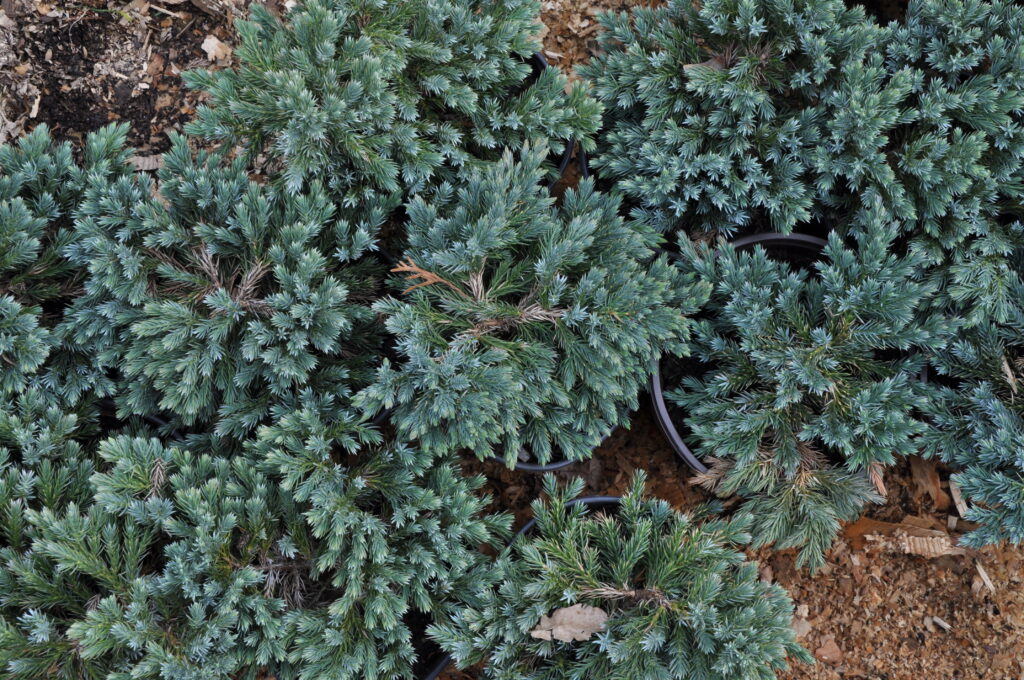
- ‘Blue Star’ – A slow-growing dwarf cultivar with dense, star-like clusters of silver-blue needles. It typically forms a compact mound reaching about 60–90 cm in height and is one of the most widely planted ornamental junipers.
- ‘Blue Carpet’ – A low-growing, spreading cultivar often used as a ground cover in landscaping projects. Its broad horizontal growth and blue foliage make it popular for rock gardens and slopes.
- ‘Meyeri’ – An upright cultivar that can grow into a large shrub or small tree. It features drooping branchlets and blue-grey needles, giving it a soft, layered appearance.
- ‘Holger’ – Known for its distinctive contrast between mature blue-green foliage and bright yellow new growth in spring.
These cultivated forms have played a significant role in expanding the horticultural popularity of Juniperus squamata. Their adaptability, ornamental colour, and structural diversity make them valuable choices for landscaping, container planting, and bonsai cultivation.
Juniperus squamata in horticulture, landscaping, and bonsai cultivation
Because of its resilience, striking foliage, and structural versatility, Juniperus squamata has become an important species in horticulture and ornamental landscaping. Its distinctive blue-green to silver-blue needles provide year-round colour and texture, making it a valuable addition to gardens, parks, and landscape designs. The species performs particularly well in sunny locations with well-drained soil, conditions that mimic the Rocky Mountain environments where Juniperus squamata naturally thrives.
In landscaping, Juniperus squamata is frequently used in rock gardens, slopes, and low-maintenance plantings where drought tolerance and evergreen structure are desirable. Compact cultivars such as ‘Blue Star’ and spreading varieties like ‘Blue Carpet’ are especially popular for ground cover or decorative focal points. Their dense growth and attractive colour contrast well with flowering plants, ornamental grasses, and other conifers.
The adaptability of Juniperus squamata has also made it a respected species in bonsai cultivation. Its naturally rugged character, flexible branching, and strong foliage colour allow artists to create dramatic miniature landscapes that reflect the harsh mountain habitats where the species evolved. When trained as bonsai, Juniperus squamata can produce powerful trunk movement, layered foliage pads, and aged bark textures that are highly valued in bonsai aesthetics.
For enthusiasts and horticulturists alike, Juniperus squamata represents a species that combines botanical interest with practical garden value. Its durability, ornamental beauty, and suitability for creative plant design ensure that Juniperus squamata will continue to be appreciated in landscapes and bonsai collections around the world.