

The Himalayan Juniper bonsai is a striking evergreen that brings the rugged beauty of high mountain landscapes into miniature form. Native to the Himalayan region, this juniper species has evolved to survive in harsh conditions, including strong winds, cold temperatures and rocky soils. These characteristics make it a resilient and visually dramatic choice for bonsai enthusiasts.
As a Himalayan Juniper bonsai, the tree is admired for its fine needle-like foliage, textured bark and naturally aged appearance. Its growth habit often reflects the windswept conditions of its native environment, making it particularly suited for expressive bonsai styles such as informal upright, slanting and windswept designs.
Caring for a Himalayan Juniper bonsai requires an understanding of its natural preferences for sunlight, soil drainage and seasonal growth cycles. In this care sheet, we explore the essential techniques for maintaining a healthy tree, including watering, pruning, soil selection and general bonsai care to help your tree thrive.
Table of Contents
TL:DR Quick Himalayan Juniper Bonsai Care Overview
The Himalayan Juniper bonsai is a hardy evergreen conifer known for its rugged appearance and mountain origins. Native to high-altitude regions of the Himalayas, this species is naturally adapted to strong sunlight, well-draining soils and cooler climates. These traits make it well-suited for bonsai cultivation, especially for enthusiasts who appreciate trees with a naturally windswept or aged character.
As a bonsai, the Himalayan Juniper bonsai responds well to careful pruning, wiring and seasonal care. Like most junipers, it thrives outdoors where it can receive full sunlight and natural airflow. With the right balance of watering, soil drainage and shaping, this species can develop beautiful foliage pads and strong branch structure over time.
Below is a quick overview of the most important care requirements for maintaining a healthy Himalayan Juniper bonsai.
| Care aspect | Himalayan Juniper Bonsai |
|---|---|
| Scientific name | Juniperus squamata |
| Common name | Himalayan Juniper |
| Bonsai type | Evergreen conifer |
| Light | Full sun. Requires strong direct sunlight for compact foliage and healthy growth. |
| Watering | Water thoroughly, then allow the soil to partially dry before watering again. Avoid constantly wet soil. Moderately drought tolerant once established. |
| Soil | Fast-draining bonsai soil mix such as akadama, pumice and lava rock. Slightly acidic to neutral soil preferred. |
| Fertiliser | Balanced fertiliser such as 10-10-10 during spring and summer. Reduce feeding in late autumn and winter. Avoid heavy feeding during extreme heat. |
| Pruning | Regular pinching and trimming to maintain foliage pads. Structural pruning during active growing seasons. Avoid heavy pruning during winter dormancy. |
| Wiring | Wire in spring or early autumn. Monitor regularly as branches thicken to avoid bark scarring. |
| Difficulty | Easy to moderate. Suitable for beginners with basic bonsai care knowledge. |
| Rarity | Less common than Chinese Juniper but available through specialised bonsai nurseries and collectors. |
| Climate sensitivity | Prefers temperate climates. Tolerates cool conditions but protect from extreme frost or prolonged freezing temperatures. |
| Growth habit | Water thoroughly, then allow the soil to partially dry before watering again. Avoid constantly wet soil. Moderately drought-tolerant once established. |
Himalayan Juniper Bonsai Care Guide
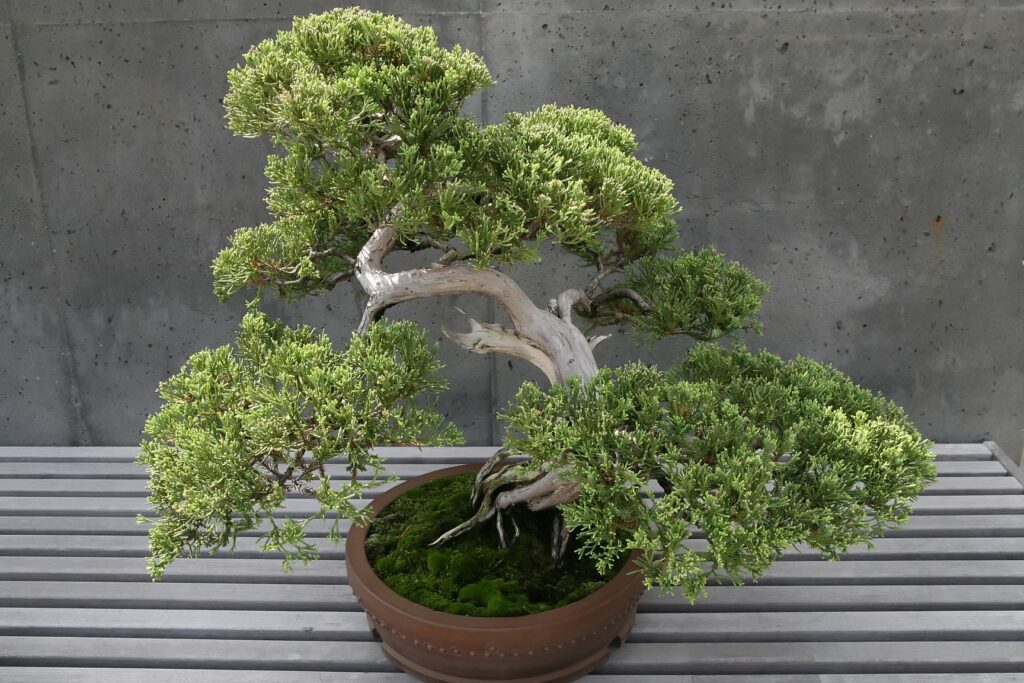
The Himalayan Juniper bonsai is valued for its rugged character, dense needle foliage and the natural windswept look that reflects its origins in the harsh Himalayan mountains. In nature, this juniper species grows in rocky soils at high altitudes where strong sunlight, cool temperatures and well-drained ground are common. These conditions influence how the tree should be cared for when cultivated as a bonsai.
As a Himalayan Juniper bonsai, the tree thrives outdoors where it can receive plenty of sunlight and fresh air. Like most junipers, it is relatively hardy and forgiving, making it suitable for both beginners and experienced bonsai growers. With proper watering, pruning and soil management, this species can develop beautiful foliage pads and a strong, aged appearance over time.
The following care guide covers the essential techniques for maintaining a healthy Himalayan Juniper bonsai, helping you keep the tree vigorous while shaping it into an elegant miniature landscape tree.
Light
A Himalayan Juniper bonsai requires full sunlight to grow properly. Strong direct light helps maintain compact foliage and encourages healthy branch development.
Ideally, the tree should receive at least six hours of direct sunlight per day. Outdoor placement is recommended, as indoor environments typically do not provide sufficient light or airflow for juniper species.
In very hot climates, some light afternoon shade may help prevent stress during extreme summer heat.
Watering
Watering should follow a soak-and-dry approach. Thoroughly water the Himalayan Juniper bonsai until water drains freely from the bottom of the pot, then allow the soil to partially dry before watering again.
Junipers dislike constantly wet soil, so proper drainage is essential. Overwatering can weaken the roots and increase the risk of fungal problems.
During warmer months, watering may be required more frequently, while winter watering should be reduced as the tree’s growth slows.
Pruning
Pruning is important for maintaining the shape and health of a Himalayan Juniper bonsai. Regular trimming encourages dense foliage pads and prevents the tree from becoming overly leggy.
New growth can be pinched back during the growing season to control the tree’s shape. Structural pruning of thicker branches should be done carefully to preserve the overall design.
Avoid heavy pruning during winter dormancy, as the tree recovers more slowly during colder months.
Shaping
Shaping a Himalayan Juniper bonsai allows the artist to highlight the tree’s natural rugged character. This species is particularly suited to styles that mimic mountain trees exposed to strong winds.
Popular styles include informal upright, slanting and windswept designs. These styles complement the species’ natural growth pattern and fine needle foliage.
When shaping the tree, aim to create balanced foliage pads that allow light and air to reach the inner branches.
Soil
A fast-draining soil mix is essential for maintaining a healthy Himalayan Juniper bonsai. Junipers prefer soil that allows water to pass through quickly while still retaining enough moisture for the roots.
A typical bonsai mix may include akadama, pumice and lava rock. This combination provides excellent drainage while supporting root health.
Heavy garden soil should be avoided because it retains too much moisture and can suffocate the roots.
Repotting
Repotting a Himalayan Juniper bonsai is typically done every two to three years for younger trees and less frequently for mature specimens.
The best time to repot is early spring just before active growth begins. During repotting, prune the roots carefully to maintain a healthy root system.
After repotting, protect the tree from strong sun and wind for a short period while it recovers.
Wiring
Wiring is commonly used to guide the branches of a Himalayan Juniper bonsai into the desired shape. Aluminium or copper wire can be wrapped around branches to gradually reposition them.
Wiring is often done during spring or early autumn when the branches remain flexible. Regular monitoring is important because juniper bark can scar if wire is left on too long.
Remove or adjust the wire as soon as the branches hold their new position.
Fertiliser
A balanced fertiliser supports healthy growth in a Himalayan Juniper bonsai. Feeding during spring and summer helps the tree produce strong foliage and maintain energy reserves.
Organic fertilisers or balanced formulas such as 10-10-10 can be used. Fertilising should be reduced during late autumn and winter when the tree enters a slower growth phase.
Avoid excessive fertiliser, as overly vigorous growth can disrupt the refined structure of the bonsai.
Propagation
A Himalayan Juniper bonsai can be propagated through cuttings or seeds, although cuttings are the most common method for bonsai cultivation.
Semi-hardwood cuttings taken during the growing season can root successfully when placed in well-draining soil and kept in a humid environment.
Propagation allows bonsai enthusiasts to develop new trees while maintaining desirable characteristics from parent plants.
Seasonal Care
Seasonal adjustments are important for maintaining the health of a Himalayan Juniper bonsai.
During spring and summer, the tree will experience its most active growth period. This is the ideal time for pruning, wiring and fertilising.
Autumn is often used for light shaping and preparing the tree for cooler conditions. In winter, growth slows significantly, and watering should be reduced while protecting the tree from extreme frost.
Pests
Like many juniper species, the Himalayan Juniper bonsai may occasionally attract pests.
Common pests include aphids, spider mites and scale insects. These pests feed on the tree’s sap and can weaken foliage if left untreated.
Regular inspection of the foliage and branches helps detect pest problems early. Horticultural oils or appropriate pest treatments can usually resolve infestations.
Diseases
Diseases affecting a Himalayan Juniper bonsai are often related to poor drainage or excessive moisture.
Root rot is one of the most common issues and usually occurs when the soil remains constantly wet. Ensuring proper soil drainage and careful watering can prevent this problem.
Fungal infections may also appear in humid conditions. Good airflow, proper sunlight and healthy watering practices help reduce disease risk and keep the tree strong.
How to Identify a Himalayan Juniper Bonsai
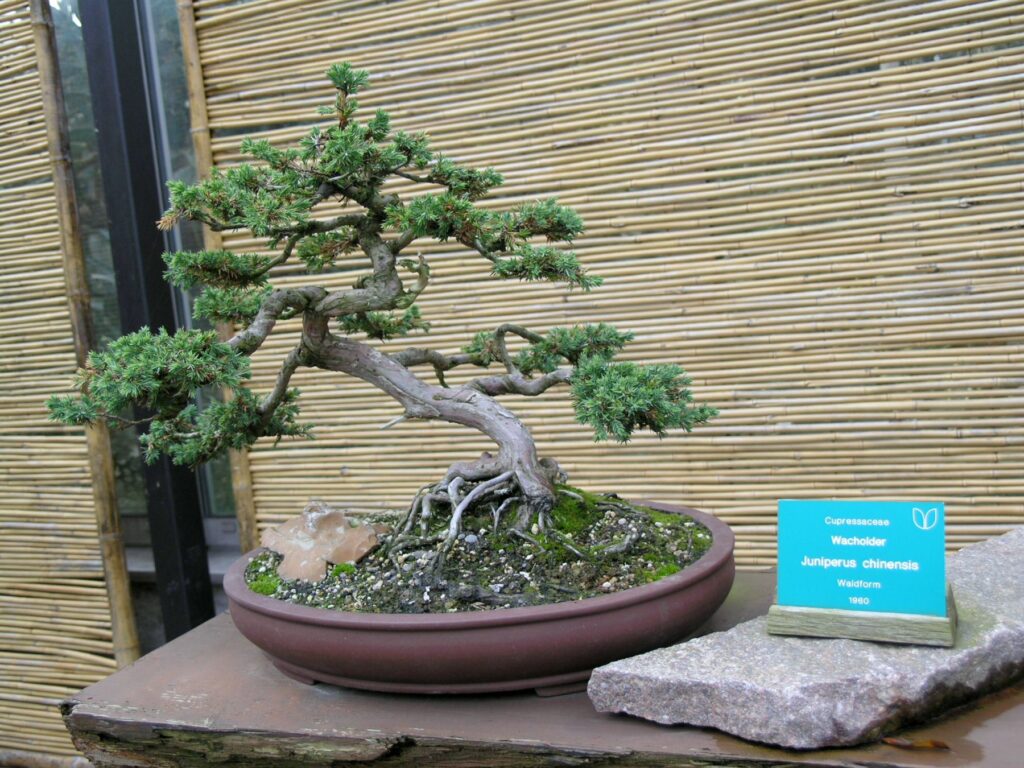
Correctly identifying a Himalayan Juniper bonsai is important for proper care, as different juniper species can have slightly different growth habits and foliage characteristics. The Himalayan Juniper is known for its rugged mountain heritage, dense needle foliage and weathered bark appearance, which together create the dramatic aesthetic often sought after in bonsai.
In its natural environment, this species grows in rocky, high-altitude regions of the Himalayas, which influences many of its visual traits. When cultivated as a Himalayan Juniper bonsai, these characteristics remain visible in its foliage, bark and growth structure.
Below are several features that help identify a Himalayan Juniper bonsai.
Leaf Identification
The Himalayan Juniper bonsai typically has fine, needle-like foliage that forms dense clusters along the branches. The needles are usually short and sharp compared with the scale-like foliage found on some other juniper species.
The foliage colour can range from deep green to a slightly bluish-green tone depending on the specific variety and growing conditions. In cooler weather, the foliage may appear slightly darker or take on subtle grey tones.
Unlike some junipers that develop mature scale foliage over time, Himalayan Junipers often retain a strong needle-like appearance throughout much of their life, which contributes to their rugged mountain look.
Flower Gallery
Junipers do not produce traditional flowers like many flowering plants. Instead, the Himalayan Juniper bonsai produces small reproductive structures known as cones.
Male cones are usually small and yellowish, releasing pollen during the reproductive period. Female cones develop into berry-like structures that are more noticeable as they mature.
These reproductive structures are generally subtle and may not always be visible on bonsai specimens.
Fruit Identification
The fruit of the Himalayan Juniper bonsai appears as small, round, berry-like cones. These fruits typically develop after successful pollination of the female cones.
They are usually dark blue to purple when mature and may have a slightly powdery or waxy coating on their surface. These berries contain the seeds of the plant and are a common identifying feature of many juniper species.
On bonsai trees, fruit production is less common but may occur on mature and well-established specimens.
Seeds and Pods
Inside the berry-like cones of the Himalayan Juniper bonsai are small seeds that allow the species to reproduce naturally. These seeds are typically hard and protected within the fleshy cone structure.
Each cone may contain one or more seeds depending on the species and pollination success. In natural environments, birds often help disperse these seeds after consuming the berries.
Although seed production is possible in bonsai cultivation, most growers prefer propagation through cuttings for more predictable results.
Bark Textures
The bark of a Himalayan Juniper bonsai becomes increasingly attractive as the tree matures. Young trees often have smoother bark with a light brown or grey appearance.
As the tree ages, the bark begins to develop a rough, fibrous texture that may peel or split in thin strips. This weathered bark contributes to the aged and rugged appearance that makes junipers popular in bonsai.
Older specimens may develop dramatic bark features that enhance the visual impression of an ancient mountain tree shaped by wind and time.
Bonsai Styles Suited to Himalayan Juniper Bonsai
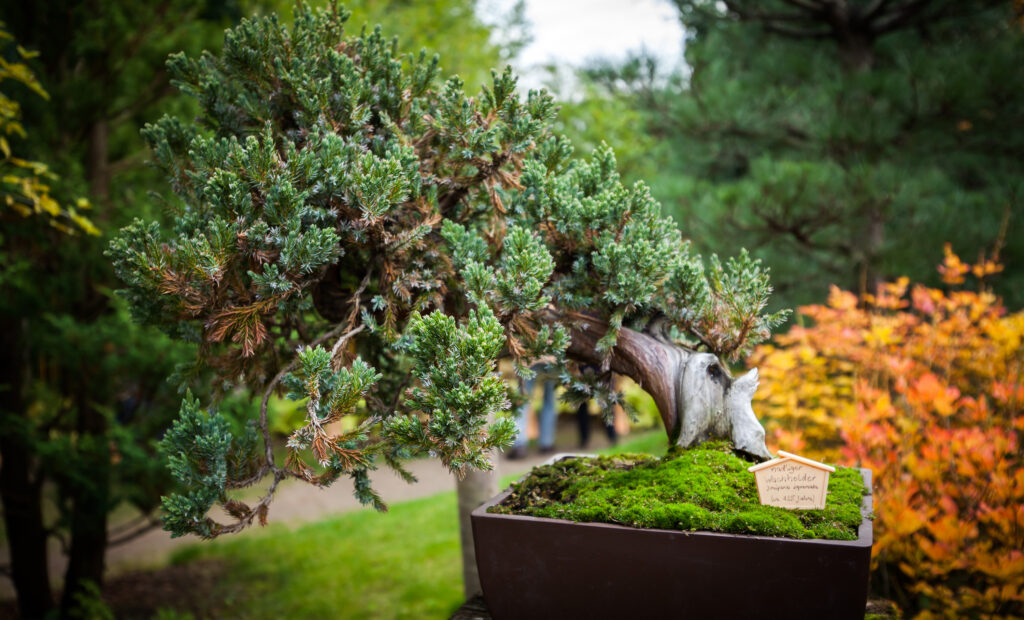
The Himalayan Juniper bonsai is highly valued for its rugged growth habit, fine needle foliage and natural mountain-tree appearance. In its native Himalayan environment, this species often grows on rocky slopes exposed to strong winds and harsh weather. These conditions create twisted trunks, dramatic lean angles and naturally layered branches.
Because of this natural character, the Himalayan Juniper bonsai is particularly well suited to expressive bonsai styles that reflect age, resilience and movement. Its flexible branches and dense foliage pads make it ideal for shaping into both traditional and dramatic bonsai forms.
Below are several bonsai styles that work especially well with this species.
Informal Upright (Moyogi)
The informal upright style is one of the most natural-looking forms for a Himalayan Juniper bonsai. In this design, the trunk grows upward while gently curving from side to side.
This style reflects the natural growth patterns of trees exposed to uneven light or environmental conditions. The curves of the trunk create movement while the foliage pads are arranged in balanced layers along the trunk.
Because Himalayan Junipers often develop naturally curved trunks, this style is commonly used for this species.
Slanting (Shakan)
The slanting style works well with the Himalayan Juniper bonsai because it reflects how trees grow on mountain slopes or in windy conditions.
In this style, the trunk grows at an angle rather than straight upward. The roots on one side of the tree are often more prominent, helping visually anchor the tree in the soil.
The branches typically extend outward in a balanced arrangement to create a sense of stability despite the angled trunk.
Windswept (Fukinagashi)
The windswept style perfectly captures the mountain origins of the Himalayan Juniper bonsai. In this design, all branches and foliage appear to be pushed in one direction by constant wind.
This style creates dramatic movement and a sense of environmental storytelling. The trunk may lean slightly while the branches flow strongly in the same direction.
Himalayan Junipers are especially suited for windswept designs because their natural habitats often produce trees shaped by strong mountain winds.
Cascade (Kengai)
The cascade style mimics trees that grow on cliffs where branches and trunks extend downward toward the ground. In this style, the Himalayan Juniper bonsai grows below the rim of the pot, creating a flowing downward shape.
This style requires deeper bonsai pots to support the dramatic growth pattern. The trunk curves downward while foliage pads are arranged along the cascading line.
Because junipers have flexible branches and strong growth habits, they adapt well to cascade designs.
Semi-Cascade (Han-Kengai)
The semi-cascade style is similar to the cascade form but less extreme. In this style, the Himalayan Juniper bonsai trunk bends downward but typically does not extend below the base of the pot.
This design still suggests a tree growing on a rocky slope while maintaining a more balanced and compact structure.
Semi-cascade styles are popular for growers who want a dramatic appearance without the full commitment of a deep cascade pot.
Literati (Bunjin)
The literati style emphasises elegance and minimalism. In this style, the Himalayan Juniper bonsai has a tall, slender trunk with sparse foliage concentrated near the top.
The trunk often twists dramatically, creating a sense of age and artistic movement. This style highlights the trunk line rather than dense foliage.
Because Himalayan Junipers can develop striking trunk shapes over time, they can make excellent candidates for literati bonsai designs.
By selecting a style that complements the tree’s natural growth habit, growers can highlight the rugged beauty of the Himalayan Juniper bonsai while creating a visually compelling miniature landscape.
Symbolism and Cultural Significance
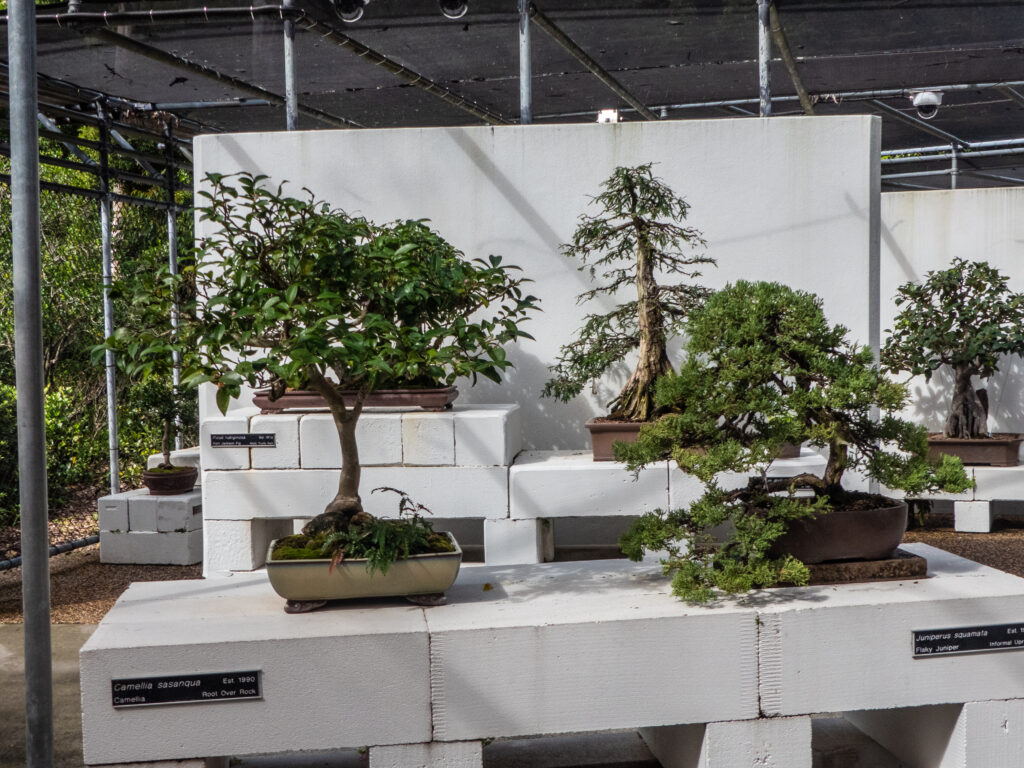
The Himalayan Juniper bonsai carries deep symbolic meaning rooted in the rugged landscapes of the Himalayas where the species naturally grows. These trees survive in harsh mountain environments marked by strong winds, rocky terrain and extreme temperatures. Because of this resilience, the Himalayan Juniper is often associated with endurance, strength and the ability to thrive despite adversity.
In many cultures across the Himalayan region, juniper trees are considered sacred and spiritually significant. Juniper branches are traditionally burned as incense in Buddhist and Tibetan rituals, where the fragrant smoke is believed to purify spaces and carry prayers to the heavens. This practice has contributed to the tree’s symbolism of purification, protection and spiritual connection.
As a Himalayan Juniper bonsai, the tree often represents perseverance and the passage of time. The twisted trunks and weathered bark commonly seen in older specimens evoke the image of ancient trees shaped by centuries of wind and harsh weather. In bonsai art, these features symbolise wisdom, patience and the quiet strength gained through life’s challenges.
The bonsai itself also reflects harmony between nature and human creativity. By carefully shaping and nurturing a Himalayan Juniper bonsai, growers participate in a tradition that values balance, mindfulness and respect for natural forms. Over time, the tree becomes not only a living artwork but also a reminder of resilience, longevity and the enduring power of nature.
Companion Plants and Wildlife Attraction
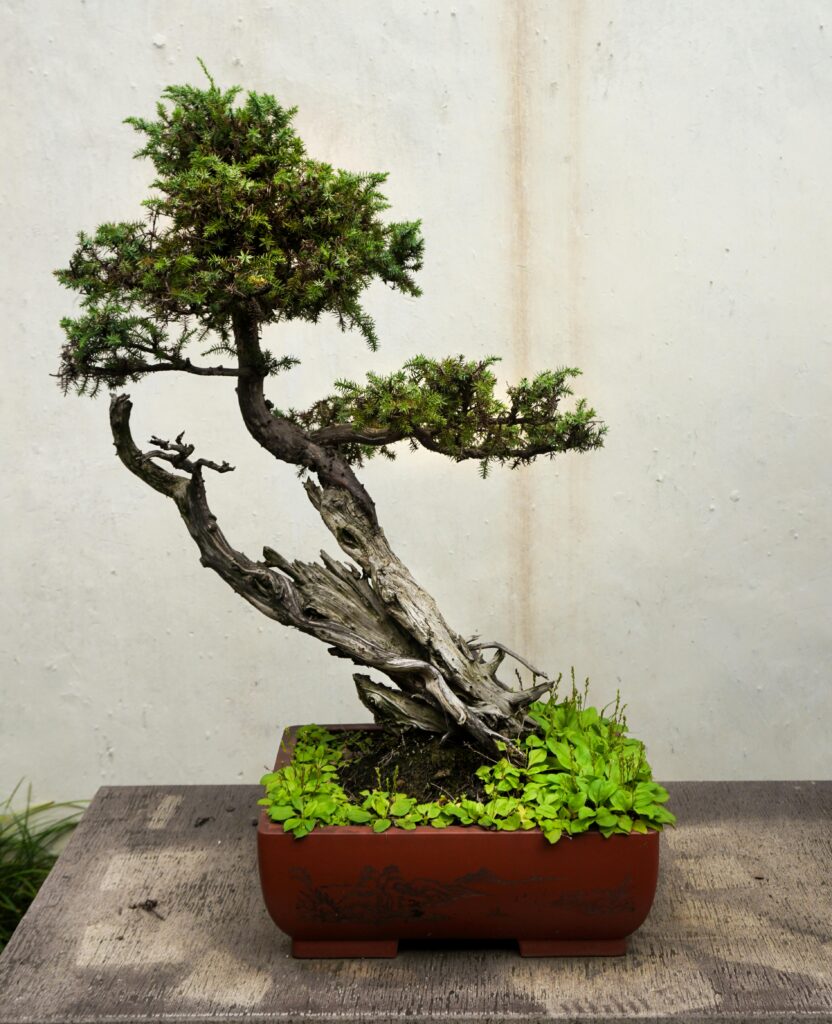
A Himalayan Juniper bonsai can be beautifully complemented by carefully selected companion plants that enhance the feeling of a miniature mountain landscape. In bonsai display culture, these companion plants (often called kusamono or shitakusa) help create a natural setting that reflects the tree’s native habitat.
Since the Himalayan Juniper bonsai originates from rocky, high-altitude environments, the best companions are hardy, low-growing plants that thrive in similar conditions. These plants should remain visually subtle so that the bonsai remains the main focal point.
In addition to aesthetic value, companion plants can also attract beneficial wildlife such as pollinators and helpful insects that support a healthy garden ecosystem.
Moss
Moss is one of the most traditional companions for a Himalayan Juniper bonsai, helping recreate the appearance of a natural forest or mountain floor.
Suitable moss species include:
- Sheet Moss (Hypnum cupressiforme)
- Cushion Moss (Leucobryum glaucum)
- Haircap Moss (Polytrichum commune)
These mosses provide texture and visual softness around the base of the bonsai. They also help create a natural transition between the soil surface and the trunk.
However, moss should be used lightly on juniper bonsai. Excess moss can retain too much moisture, which junipers generally dislike.
Flowers
Small flowering plants can add seasonal colour to a Himalayan Juniper bonsai display while maintaining the alpine aesthetic of the tree’s natural environment.
Good flowering companions include:
- Alpine Forget-Me-Not (Myosotis alpestris)
- Alpine Aster (Aster alpinus)
- Dwarf Dianthus (Dianthus deltoides)
- Alpine Phlox (Phlox subulata)
These plants remain compact and provide delicate blooms that enhance the overall display without overwhelming the bonsai.
Herbs
Low-growing herbs can also serve as excellent companions for a Himalayan Juniper bonsai, especially in outdoor bonsai gardens where fragrance and texture are welcome additions.
Suitable herbs include:
- Creeping Thyme (Thymus serpyllum)
- Alpine Savory (Satureja montana)
- Dwarf Oregano (Origanum vulgare ‘Compactum’)
These herbs stay relatively small and thrive in well-drained soil conditions similar to those preferred by junipers.
Wildlife Attraction
While a Himalayan Juniper bonsai itself does not strongly attract wildlife due to its small size, companion plants can help support beneficial garden activity.
Flowering companions such as Alpine Aster and Alpine Forget-Me-Not may attract:
- Bees
- Butterflies
- Small pollinating insects
These pollinators help maintain a healthy garden ecosystem and contribute to biodiversity around your bonsai growing area.
In larger gardens, mature juniper trees can also provide shelter for small birds, though this is less common with bonsai specimens.
Care Summary and Practical Notes
The Himalayan Juniper bonsai is a resilient and visually striking species that reflects the rugged beauty of its native mountain environment. With its dense needle foliage, textured bark and natural windswept character, it is an excellent choice for bonsai enthusiasts who appreciate trees that convey age, strength and movement.
Caring for a Himalayan Juniper bonsai largely revolves around recreating the conditions it would experience in nature. This means providing plenty of sunlight, well-draining soil and careful watering that avoids constantly wet roots. Regular pruning and thoughtful shaping help maintain balanced foliage pads while highlighting the natural character of the trunk and branches.
As with most juniper bonsai, the key to long-term success is patience and consistency. Monitoring watering habits, maintaining healthy soil conditions and protecting the tree from extreme environmental stress will ensure steady growth and longevity.
Over time, a well-cared-for Himalayan Juniper bonsai can develop the aged appearance and dramatic structure that make junipers some of the most admired trees in bonsai cultivation. With proper attention and seasonal care, this species can become a beautiful and enduring centrepiece in any bonsai collection.