
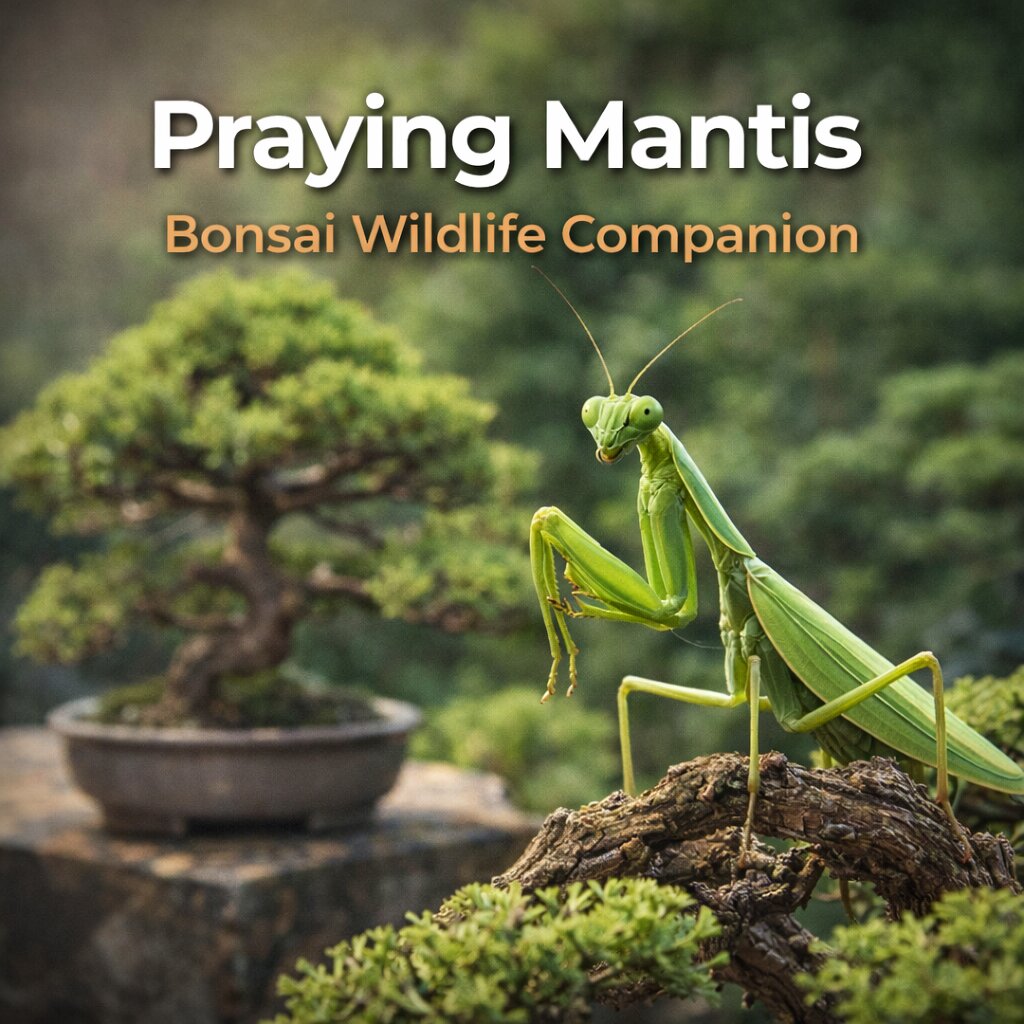
Praying mantis insects are fascinating and beneficial additions to any bonsai garden. Known for their distinctive posture and predatory nature, they play an important role in maintaining ecological balance. As bonsai wildlife companions, praying mantises help protect trees from harmful pests while adding a unique visual presence.
Understanding how they interact with your bonsai can help you create a healthier and more natural growing environment.
What is a praying mantis?
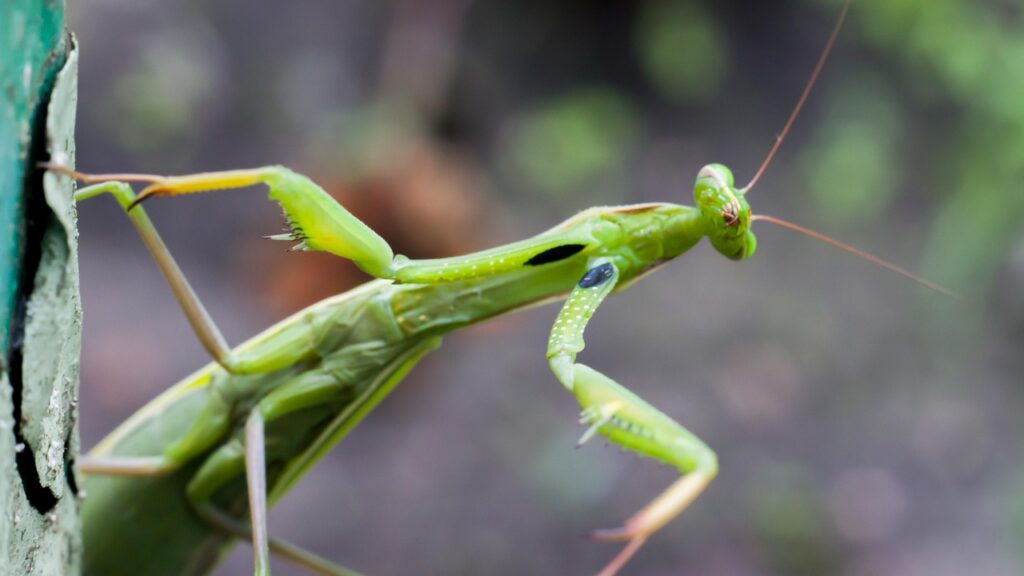
A praying mantis is a carnivorous insect recognised by its folded forelegs, which resemble a praying position. These insects are skilled hunters, relying on camouflage and quick reflexes to capture prey.
They are commonly found in gardens, shrubs, and trees, making bonsai environments a suitable microhabitat. Their presence is often a sign of a balanced ecosystem.
Praying mantises are harmless to humans and are widely considered beneficial insects.
Why praying mantises are good for bonsai
Praying mantises are natural pest controllers. They feed on a wide range of insects that can damage bonsai trees, including aphids, flies, caterpillars, and small beetles.
By introducing or encouraging these insects, you reduce the need for chemical pesticides. This supports a more organic approach to bonsai care.
Their role as predators makes them one of the most effective wildlife companions for maintaining plant health.
How to attract praying mantises to your bonsai space
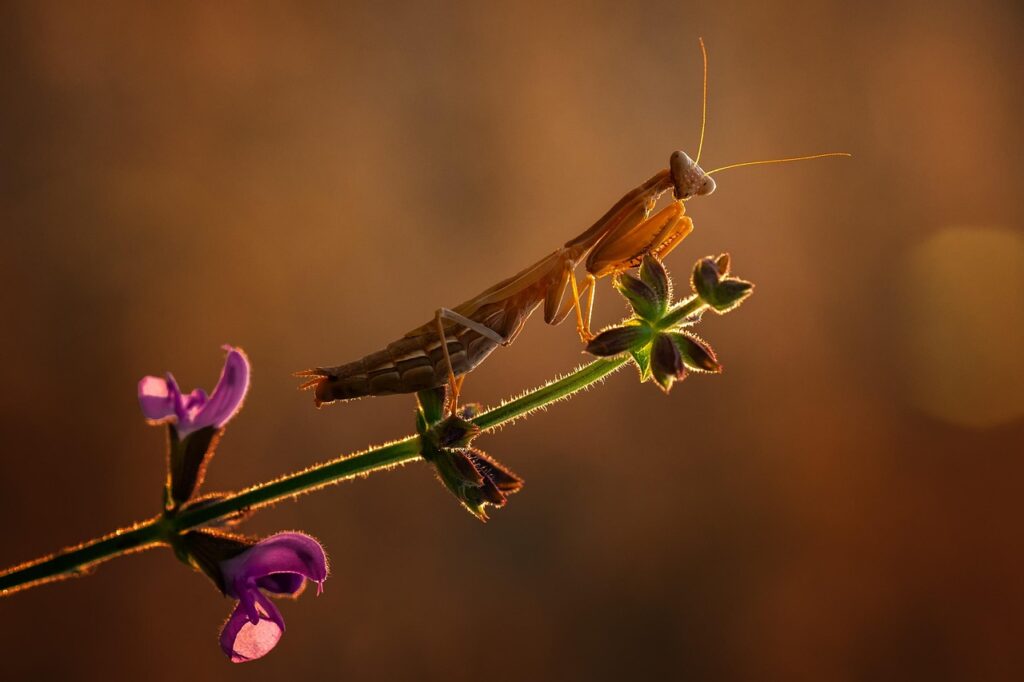
Creating the right environment can encourage praying mantises to settle near your bonsai collection. They prefer areas with good plant cover and access to prey.
To attract them, consider the following:
- Plant small flowering plants nearby to attract insects
- Avoid using chemical pesticides
- Provide shrubs or branches for shelter
- Maintain a natural garden environment
These conditions help support the presence of praying mantises in your bonsai area.
Bonsai trees that benefit most
Praying mantises are not specific to one tree species, but they are more likely to appear where insect activity is higher. Flowering bonsai and fruit-bearing species tend to attract more prey.
Examples include:
- Crabapple bonsai (Malus species)
- Bougainvillea bonsai
- Ficus bonsai
- Jade plant bonsai (Crassula ovata)
These trees create an active environment that supports both pests and their natural predators.
Companion plants to support mantis activity
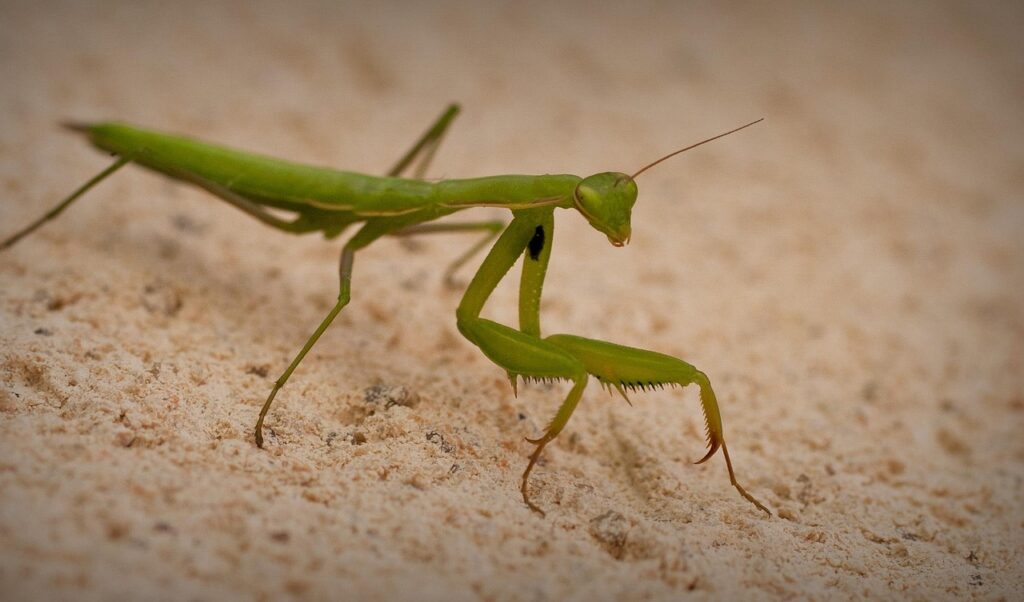
Adding companion plants around your bonsai can increase biodiversity and attract insects that mantises feed on.
Suitable companion plants include:
- Lavender
- Marigold
- Basil
- Rosemary
These plants help create a balanced ecosystem while also enhancing the visual appeal of your bonsai display.
Lifecycle and seasonal presence
Praying mantises go through three main life stages: egg, nymph, and adult. They lay egg cases, known as oothecae, on branches and stems.
In spring, nymphs emerge and begin hunting almost immediately. They grow through several stages before reaching adulthood in late summer.
During colder months, adults typically die off, but their eggs remain, ensuring the next generation continues the cycle.
Things to be aware of
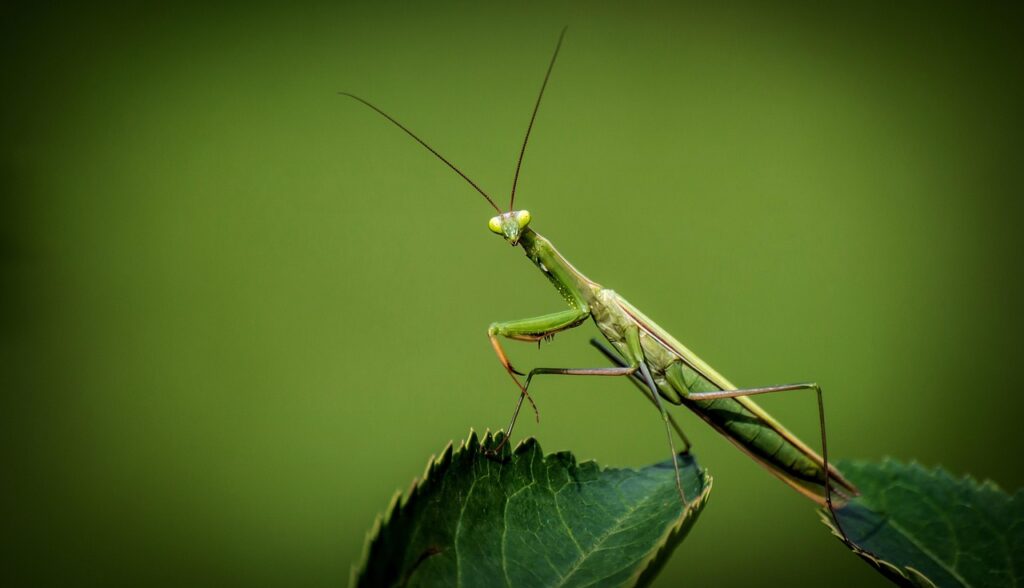
While praying mantises are beneficial, they are general predators. This means they may also consume helpful insects such as bees or butterflies.
However, their impact is usually balanced within a healthy ecosystem. It is best to observe rather than interfere, allowing nature to regulate itself.
Avoid handling them excessively, as they are delicate despite their predatory abilities.
A natural guardian for your bonsai
Praying mantises are more than just interesting insects. They act as natural guardians for your bonsai, helping to control pests and maintain ecological balance.
By encouraging these bonsai wildlife companions, you create a healthier, more sustainable environment for your trees. Their presence adds both function and character to your bonsai garden, making them a valuable part of your growing space.