
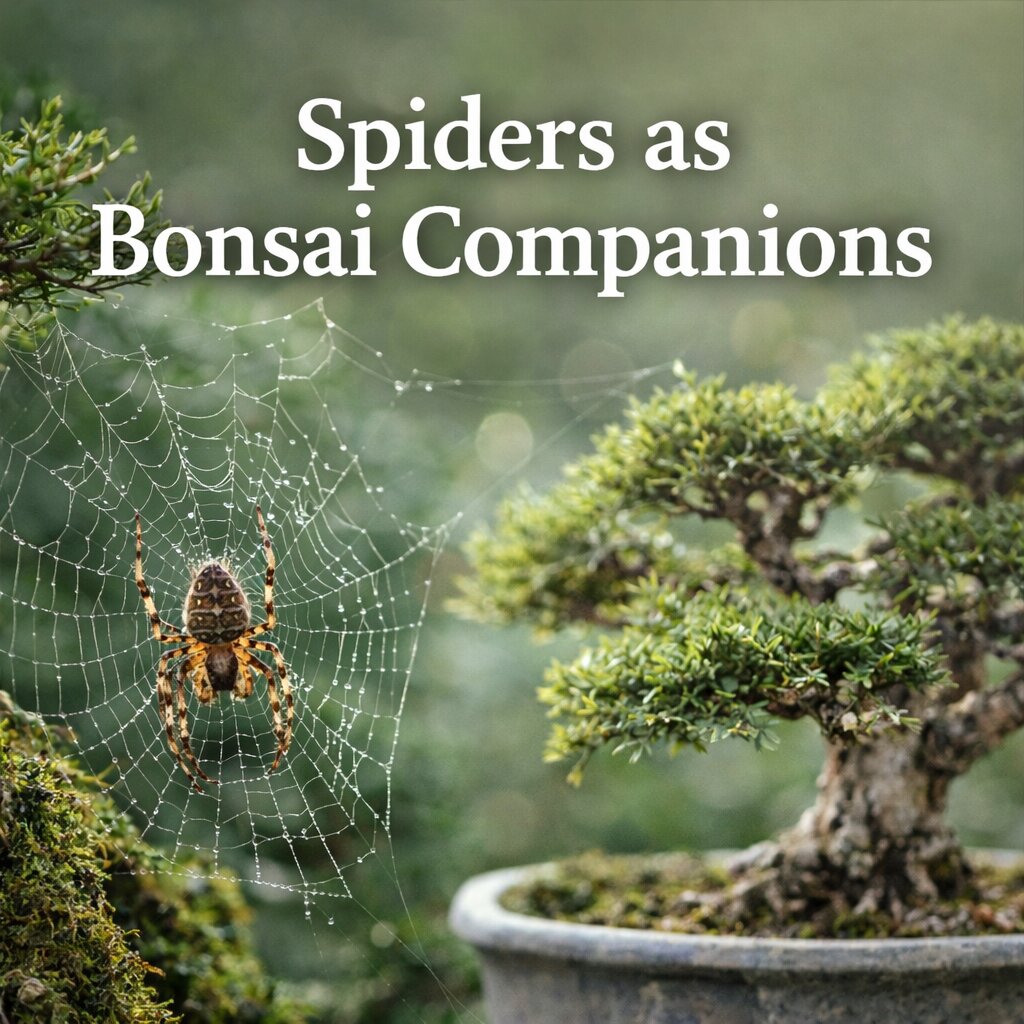
Spiders are often misunderstood, yet they play an essential role in maintaining a healthy bonsai environment. As natural predators, they help control pest populations that could otherwise damage delicate trees and companion plants. Instead of being seen as unwelcome guests, spiders should be recognised as valuable allies in your bonsai garden.
In a balanced ecosystem, spiders contribute to harmony by reducing the need for chemical pest control. Their presence signals a living, breathing environment where natural processes are at work. For bonsai enthusiasts aiming for sustainability, spiders are a quiet but powerful addition.
Understanding how spiders interact with bonsai setups allows growers to embrace their benefits while maintaining the aesthetic and health of their miniature landscapes.
Why spiders benefit bonsai ecosystems
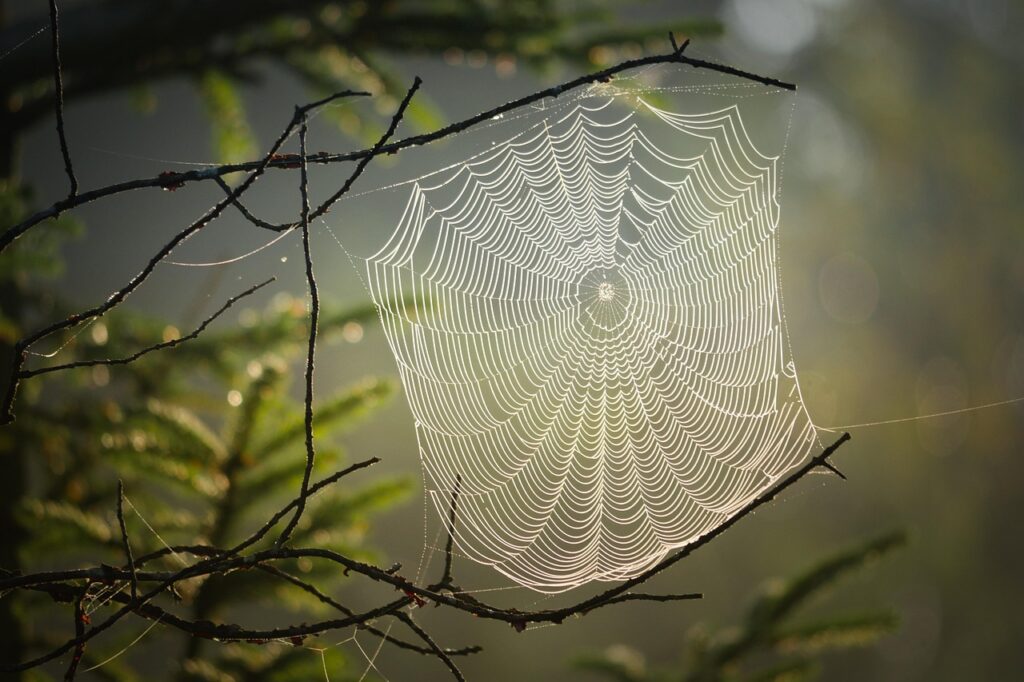
Spiders are highly effective at controlling pests such as aphids, flies, and small insects that can harm bonsai trees. By feeding on these unwanted visitors, they help prevent infestations before they become serious problems.
Their hunting methods vary depending on the species. Some build webs to trap insects, while others actively hunt across surfaces. This diversity ensures that different types of pests are managed across various parts of your bonsai display.
Incorporating spiders into your bonsai environment reduces the reliance on pesticides, which can harm both the tree and beneficial organisms. This creates a more natural and resilient ecosystem.
A bonsai garden that supports spiders often experiences fewer outbreaks of damaging insects, leading to healthier trees and less maintenance over time.
How spiders interact with bonsai setups
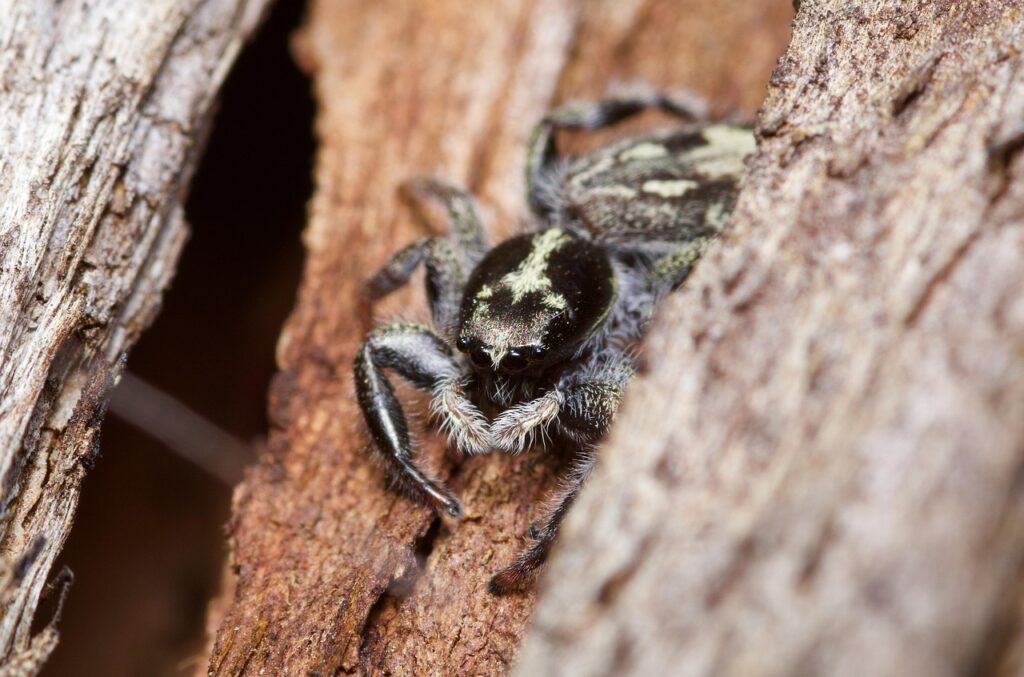
Spiders typically establish themselves in areas where they can find shelter and access to prey. In bonsai displays, this may include between branches, beneath leaves, or around pots and nearby structures.
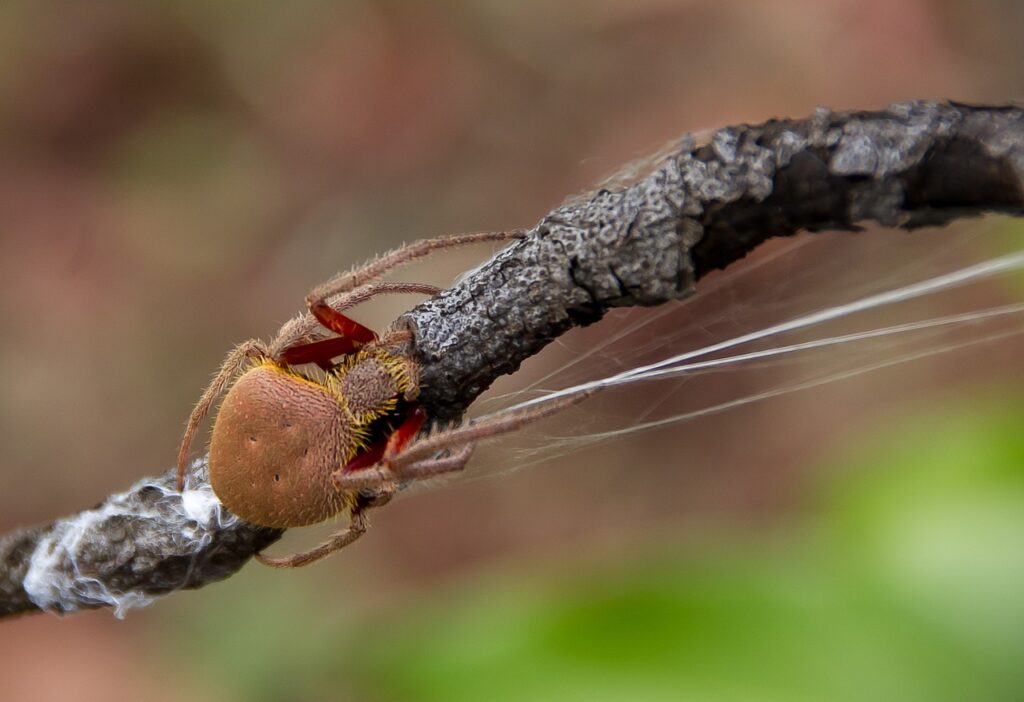
Web-building species may create delicate structures that catch flying insects, often forming in quiet corners of the display. While these webs may occasionally affect aesthetics, they can be carefully managed without removing the spiders entirely.
Active hunters move across the bonsai surface, searching for prey without relying on webs. These species are less visible but equally beneficial in maintaining pest control.
By observing how spiders behave in your bonsai environment, you can better understand their role and make small adjustments to support their presence without compromising your design.
Benefits of encouraging spiders in bonsai
- Natural pest control without chemicals
- Reduced risk of insect infestations
- Support for a balanced bonsai ecosystem
- Minimal maintenance once established
- Contribution to overall plant health
Creating a spider-friendly bonsai environment
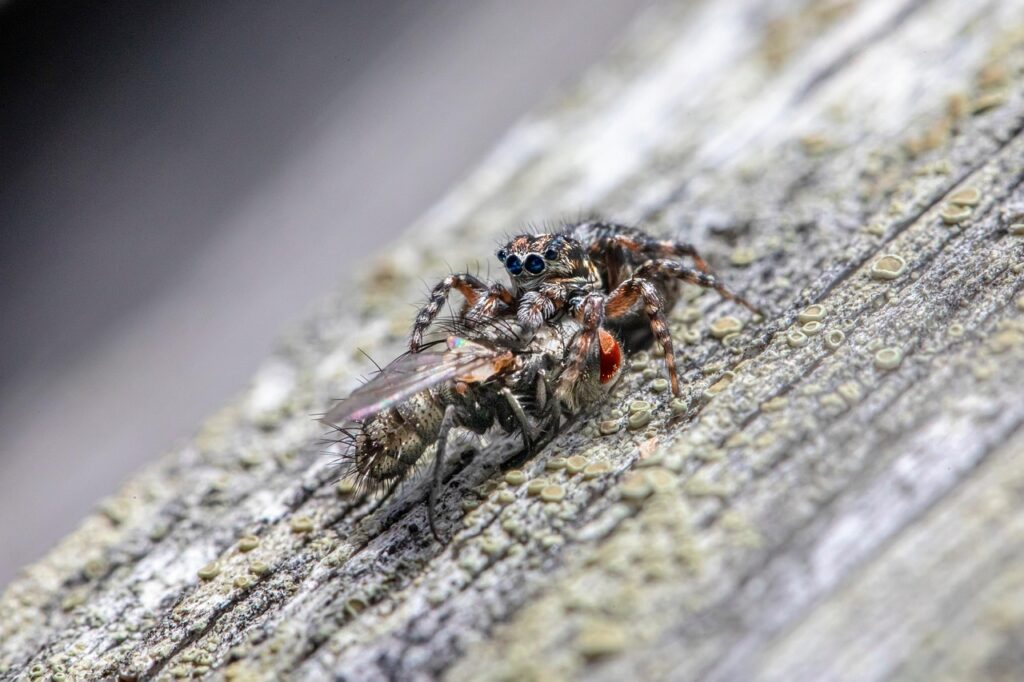
Encouraging a spider in your bonsai setup involves creating a space that supports biodiversity. Avoiding excessive pesticide use is one of the most important steps, as chemicals can disrupt the natural balance and drive away beneficial predators.
Providing a variety of plants and textures around your bonsai can also help. Companion plants, moss, and small decorative elements create microhabitats where spiders can thrive.
Lighting and moisture levels play a role as well. A well-maintained environment with moderate humidity and natural light supports the insects that spiders feed on, indirectly sustaining their population.
With the right approach, a spider will naturally establish itself, requiring little intervention from the grower.
A natural partner in bonsai care
Spiders are more than just inhabitants of your bonsai garden. They are active contributors to its health and sustainability. By controlling pests and supporting ecological balance, they enhance the overall quality of your bonsai environment.
Embracing a spider as a companion allows you to work with nature rather than against it. This approach not only benefits your trees but also creates a more dynamic and rewarding bonsai experience.
In the end, a bonsai garden that welcomes any spider is one that thrives through natural harmony and careful stewardship.
By allowing this natural predator to remain within your bonsai space, you create a system that regulates itself with minimal interference. Each small hunter contributes to reducing harmful insects, protecting leaves, bark, and new growth from damage. Over time, this leads to stronger, more resilient trees that require fewer corrective measures.
Rather than removing every web or sighting, consider observing and understanding their behaviour. This shift in mindset transforms your bonsai area into a living ecosystem rather than just a display. In doing so, you support long-term health, reduce maintenance, and cultivate a deeper connection with the natural processes shaping your miniature landscape.