
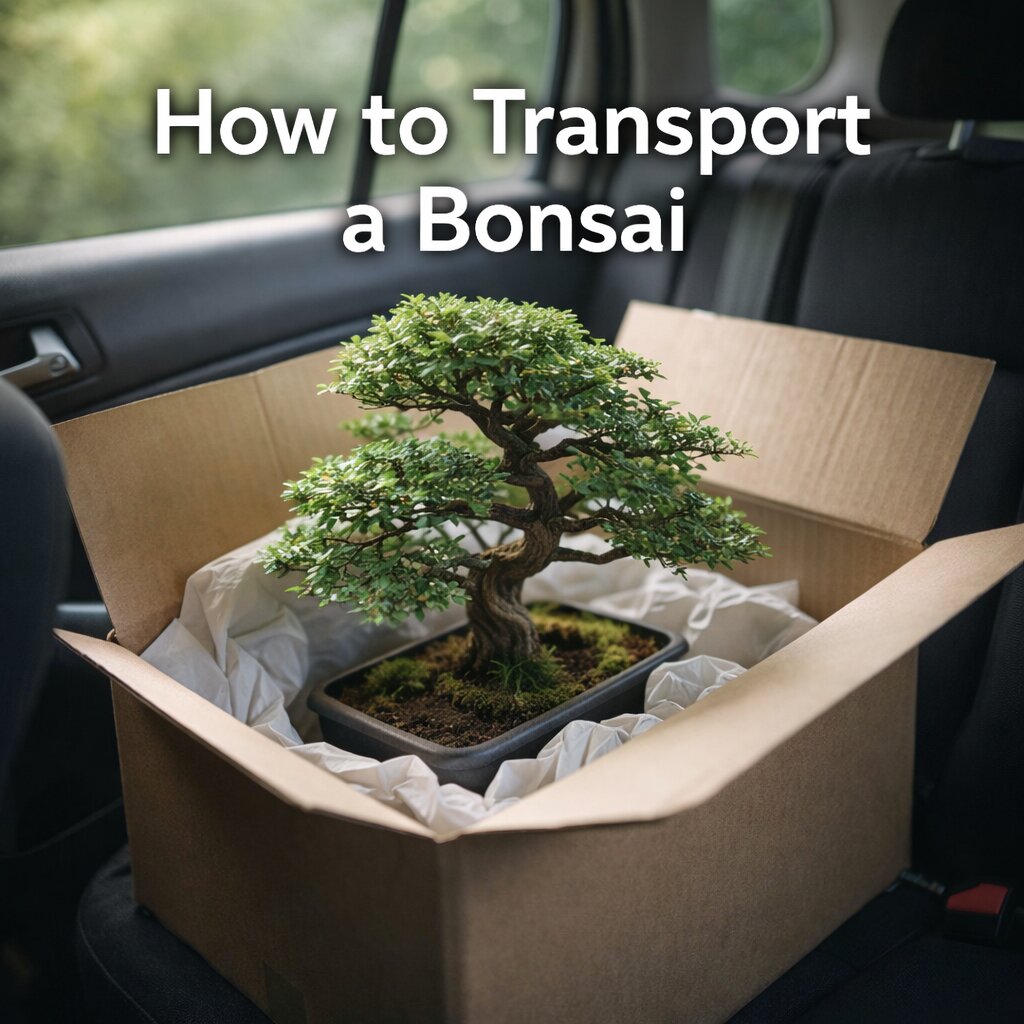
Moving a bonsai tree may seem simple, but it requires careful planning and handling. When you transport a bonsai, you are dealing with a delicate living sculpture, one that can easily suffer damage to its branches, roots, or soil structure if not handled correctly.
Whether you are relocating, attending an exhibition, or simply taking your bonsai home from a nursery, knowing how to transport a bonsai properly ensures that your tree remains healthy, stable, and stress-free throughout the journey. Here is our exciting bonsai guide below!
Why proper bonsai transport matters
A bonsai is not just a plant in a pot. It is a carefully trained tree with balanced roots, shaped branches, and a specific soil composition. Even minor disturbances during transport can disrupt this balance.
When you transport a bonsai, sudden movements can loosen the soil, damage fine roots, or snap carefully wired branches. Wind exposure during travel can also dry out foliage, especially for smaller or more delicate species.
Proper transport techniques help maintain moisture levels, protect structural integrity, and reduce stress. This ensures your bonsai can quickly settle back into its environment once the journey is complete.
Preparing your bonsai for the journey
Preparation is key before you transport a bonsai. A few simple steps can significantly reduce the risk of damage and make the process much smoother.
Start by lightly watering the tree a few hours before transport. The soil should be moist but not soaking wet, as excess water can cause instability and mess during movement. Secure loose soil with a layer of moss or a breathable covering if needed.
Prune or remove any dead or weak branches that may break during transit. If your bonsai has wiring, check that it is secure and not likely to shift. For taller trees, consider gently tying branches with soft ties to prevent movement.
Safe transport methods and tips
When you transport a bonsai, stability and protection should always be your top priorities. The goal is to keep the tree upright, secure, and shielded from external elements.
- Place the bonsai in a sturdy box or crate to prevent tipping
- Use padding like towels, foam, or newspaper to stabilise the pot
- Keep the tree upright at all times—never lay it on its side
- Avoid direct sunlight and strong wind during transport
- Secure the container in your vehicle to prevent sliding
- For long trips, check moisture levels and airflow periodically
These steps help ensure that your bonsai arrives in the same condition it left.
Transporting bonsai over short vs long distances

Short-distance transport, such as moving a bonsai across town, is generally straightforward. The main focus is keeping the tree stable and avoiding sudden movements during the trip.
For longer distances, extra precautions are necessary. You may need to protect the bonsai from temperature changes, especially if travelling in extreme heat or cold. Wrapping the pot and shielding the foliage can help maintain a stable environment.
If you need to transport a bonsai over several hours or days, consider ventilation and hydration. Avoid sealing the tree in airtight containers, as it still needs airflow to remain healthy.
Helping your bonsai recover after transport
Once you transport a bonsai to its destination, the process is not quite finished. The tree will need time to adjust and recover from the stress of movement.
Place the bonsai in a sheltered location with indirect light for a few days. Avoid immediate pruning, wiring, or repotting, as this can add additional stress. Check the soil moisture and water as needed to restore balance.
With proper care, your bonsai will quickly regain its strength and continue to thrive. A careful approach to transport ensures that your tree remains healthy, beautiful, and ready for its next stage of growth.