
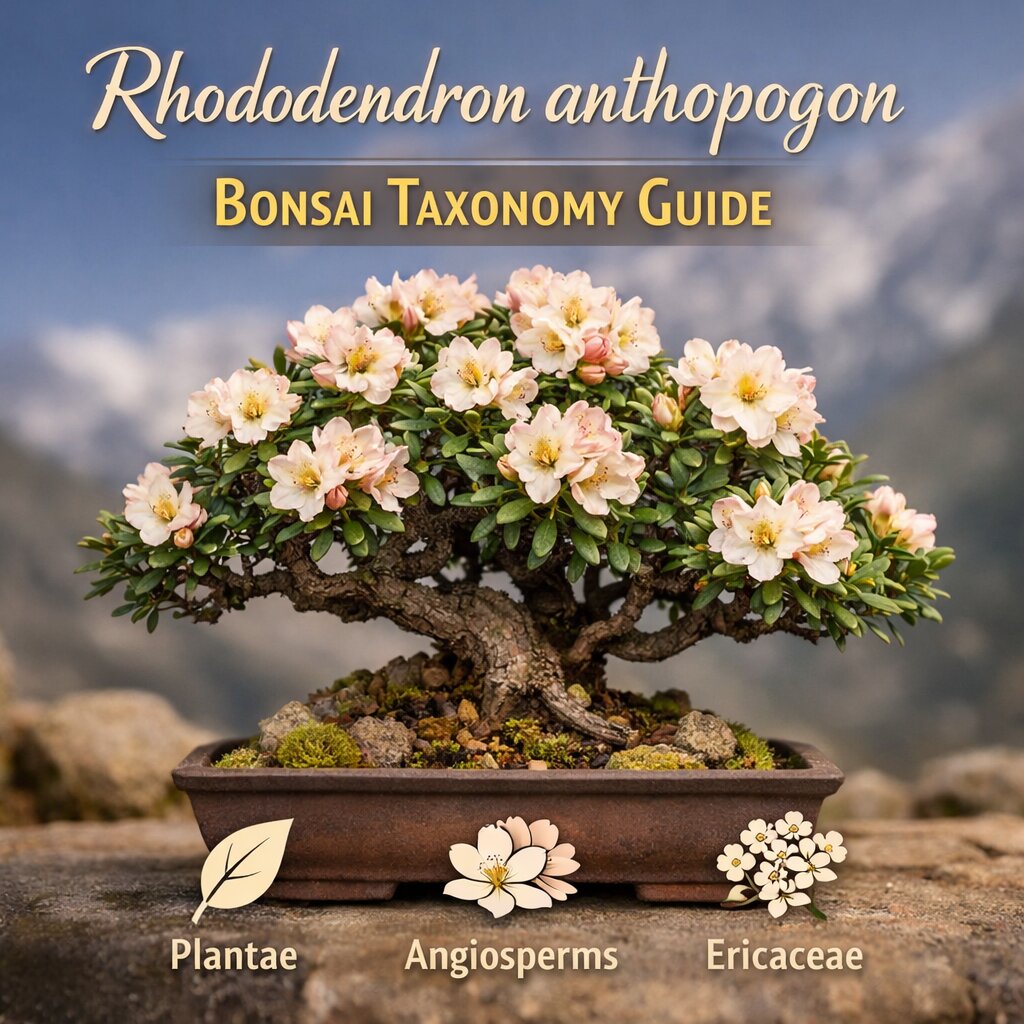
Rhododendron anthopogon is a remarkable high-altitude species within the genus Rhododendron (Subgenus Rhododendron, Section Pogonanthum), known for its compact growth, aromatic foliage, and resilience in extreme alpine environments. Commonly referred to as the dwarf rhododendron or Sunpati, this species thrives in some of the harshest conditions found across the Himalayas, where cold winds, intense ultraviolet exposure, and nutrient-poor soils shape its unique adaptations.
Unlike many other members of the genus, Rhododendron anthopogon is notable for its non-toxic properties, making it especially significant in traditional practices. Its fragrant leaves and flowers have long been used in incense, herbal remedies, and essential oil production, giving the plant both cultural and practical value beyond its botanical interest.
As part of our Bonsai Taxonomy Series, this guide explores the classification, morphology, ecological role, and horticultural potential of Rhododendron anthopogon. By understanding its taxonomy and natural behaviour, growers and enthusiasts can better appreciate how this alpine species may be adapted for cultivation, including its potential as a unique and fragrant bonsai subject.
Taxonomy
– Kingdom: Plantae (Plant Kingdom)
— Clade: Embryophytes (Land Plants)
— Clade: Polysporangiophytes (Multiple Sporangia)
—- Clade: Tracheophytes (Vascular Plants)
—– Superdivision: Spermatophytes (Seed Plants)
—— Clade: Angiospermae (Flowering Plants)
——- Division: Eudicots (True Dicotyledons)
——– Subdivision: Core Eudicots
——— Class: Superasterids (Advanced Flowering Plants)
———- Subclass: Asterids (Unified-Flowering Plants)
———– Order: Ericales (Heath and Tea)
———— Family: Ericaceae (Heath)
————- Subfamily: Ericoideae (Heath)
————– Tribe: Rhodoreae (Rhododendron)
————— Genus: Rhododendron
————— Subgenus: Rhododendron (Lepidote Rhododendrons)
—————- Section: Pogonanthum (Daphne-Flowered Rhododendrons)
—————– Species: Rhododendron Anthopogon (Dwarf Rhododendron)
What Is Rhododendron Anthopogon?
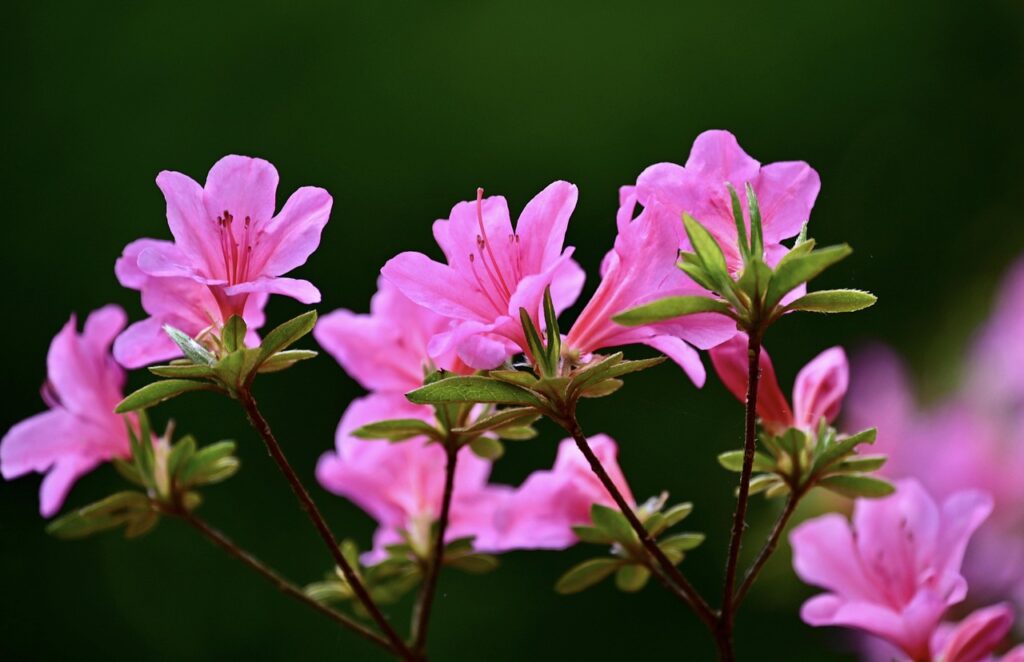
Rhododendron anthopogon is a dwarf, evergreen shrub species within the Ericaceae family, native to the high-altitude regions of the Himalayas and surrounding areas, including Pakistan, Nepal, India, Tibet, Bhutan, and parts of Myanmar. It belongs to Rhododendron (Subgenus Rhododendron, Section Pogonanthum), a group known for small-leaved, hardy species adapted to cold, mountainous environments.
Commonly called Sunpati or the dwarf rhododendron, this species is well known for its compact, mat-forming growth and its strong aromatic properties. It typically grows between 30 and 60 cm in height, forming dense, low shrubs that cling to rocky slopes, cliff edges, and alpine meadows at elevations ranging from 3,000 to over 5,000 metres.
One of the most distinctive features of Rhododendron anthopogon is its fragrant foliage. When crushed, the leaves release a sweet, balsamic scent, which has led to its widespread use in traditional incense and essential oil production. Unlike many other rhododendron species that contain toxic compounds, this species is considered non-toxic and is even used in herbal teas and traditional medicine.
Adapted to extreme conditions, Rhododendron anthopogon thrives in environments with strong winds, intense sunlight, and poor soils. Its small, leathery leaves and low-growing habit help reduce moisture loss and protect it from environmental stress, making it a resilient and fascinating species within the alpine flora.
In both botanical and cultural contexts, Rhododendron anthopogon stands out as a species that combines ecological toughness with aromatic and medicinal value, offering unique appeal for plant enthusiasts, gardeners, and bonsai growers alike.
Taxonomic Classification Of Rhododendron Anthopogon
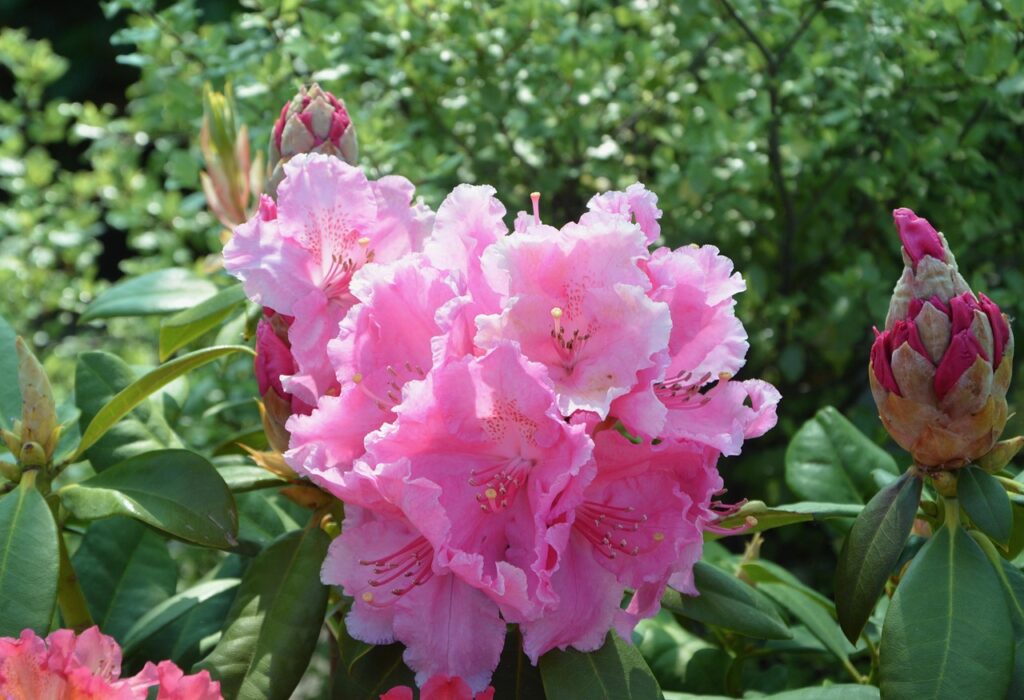
Rhododendron anthopogon is classified within the Ericaceae family, a diverse group of flowering plants that includes many acid-loving species adapted to nutrient-poor soils. Its placement within the genus Rhododendron (Subgenus Rhododendron, Section Pogonanthum) reflects its evolutionary adaptations to alpine environments, particularly its small leaves, compact growth habit, and tolerance to extreme climatic conditions.
The genus Rhododendron is one of the largest within the Ericaceae family, comprising hundreds of species distributed across Asia, Europe, and North America. Within this genus, Subgenus Rhododendron contains many of the smaller-leaved species, often referred to as “lepidote” rhododendrons due to the presence of scales on their leaves. Section Pogonanthum, to which Rhododendron anthopogon belongs, is characterised by species adapted to high elevations, often forming low, shrubby growth in exposed habitats.
Within the species itself, two accepted subspecies have been identified, reflecting slight variations in distribution and morphology across its native range. These are Rhododendron anthopogon subsp. anthopogon, found across the Himalayas, Tibet, and Myanmar, and Rhododendron anthopogon subsp. hypenanthum, which occurs in Pakistan and parts of the Himalayan region.
Understanding the taxonomic position of Rhododendron anthopogon provides valuable insight into its ecological adaptations, growth characteristics, and relationships with other alpine rhododendron species. This classification also helps guide cultivation practices, particularly for those interested in growing it as a bonsai or ornamental plant in conditions that mimic its natural habitat.
Botanical Description And Identifying Characteristics
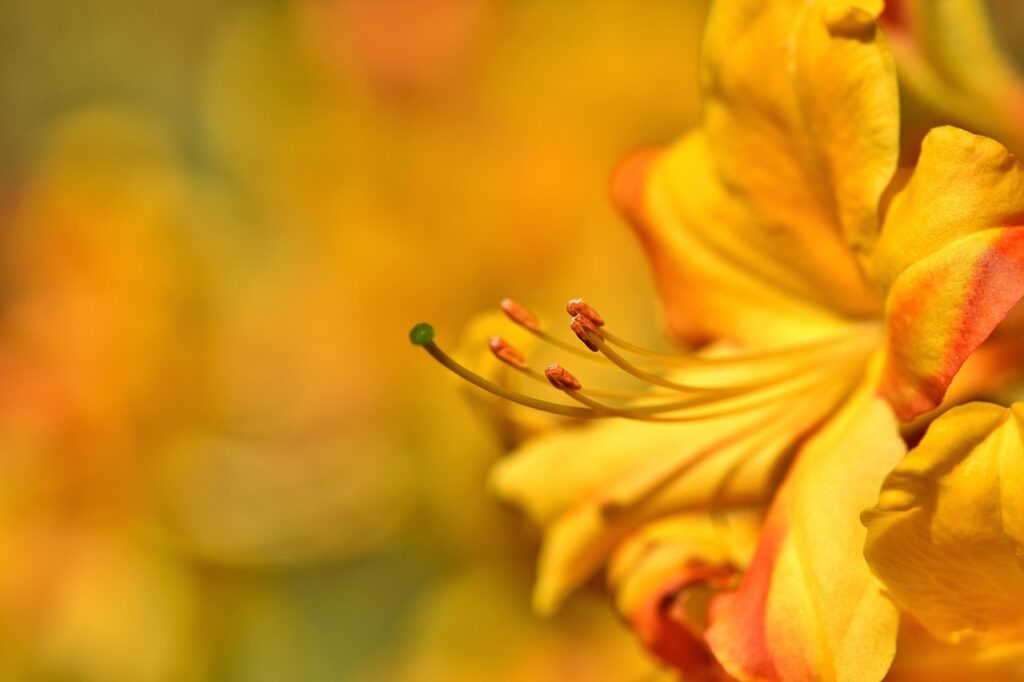
Rhododendron anthopogon is a compact, evergreen shrub distinguished by its low-growing, mat-forming structure and highly aromatic foliage. As a member of the lepidote rhododendrons, it features characteristic leaf scales that play a key role in its survival in harsh alpine environments. Its overall appearance is dense and cushion-like, allowing it to withstand strong winds and temperature extremes at high elevations.
Overall Growth Form And Structure
This species typically grows between 30 and 60 cm in height, although it may occasionally reach up to 1 metre in favourable conditions. It spreads laterally, forming tight clumps or mats that hug the ground. This growth habit reduces exposure to wind and helps retain warmth close to the plant surface.
The branching structure is fine and woody, with multiple stems emerging close to the base. Over time, older plants can develop a slightly gnarled appearance, especially in exposed environments where growth is shaped by the elements.
Leaves And Surface Adaptations
The leaves of Rhododendron anthopogon are small, leathery, and dark green, typically elliptic to oblong in shape. One of the most distinctive identifying features is the underside of the leaves, which is covered in dense, brownish scales. These scales help reduce water loss, reflect intense sunlight, and protect the plant from cold, desiccating winds.
When crushed, the leaves release a strong, sweet, and balsamic fragrance. This aromatic quality is a defining trait of the species and is one of the reasons it is widely used in incense and essential oil production.
Flowers And Visual Characteristics
Flowering occurs in late spring to early summer, usually between May and July, depending on altitude and climate. The flowers are small and tubular, arranged in dense terminal clusters at the ends of branches.
Colours can vary from creamy-white and pale yellow to soft pink tones. While not as large or showy as some other rhododendron species, the clustered blooms create a subtle but attractive display that contrasts beautifully with the dark green foliage.
Bark, Texture, And Seasonal Features
The bark is generally thin and woody, becoming slightly rougher with age. Younger stems may appear smoother and lighter in colour, while older growth develops more texture and character.
Seasonally, the plant remains evergreen, maintaining its foliage throughout the year. Its ability to retain leaves even under snow cover is a key adaptation to alpine climates, allowing it to resume photosynthesis quickly when conditions improve.
Key Identifying Features At A Glance
- Low-growing, mat-forming evergreen shrub
- Small, leathery leaves with brown-scaled undersides
- Strong aromatic scent when leaves are crushed
- Dense clusters of small tubular flowers in pale tones
- Adapted to high-altitude, harsh environments
These characteristics make Rhododendron anthopogon relatively easy to identify among alpine shrubs, particularly when its fragrance and leaf structure are taken into account.
Growth Habit, Size Variation, And Longevity
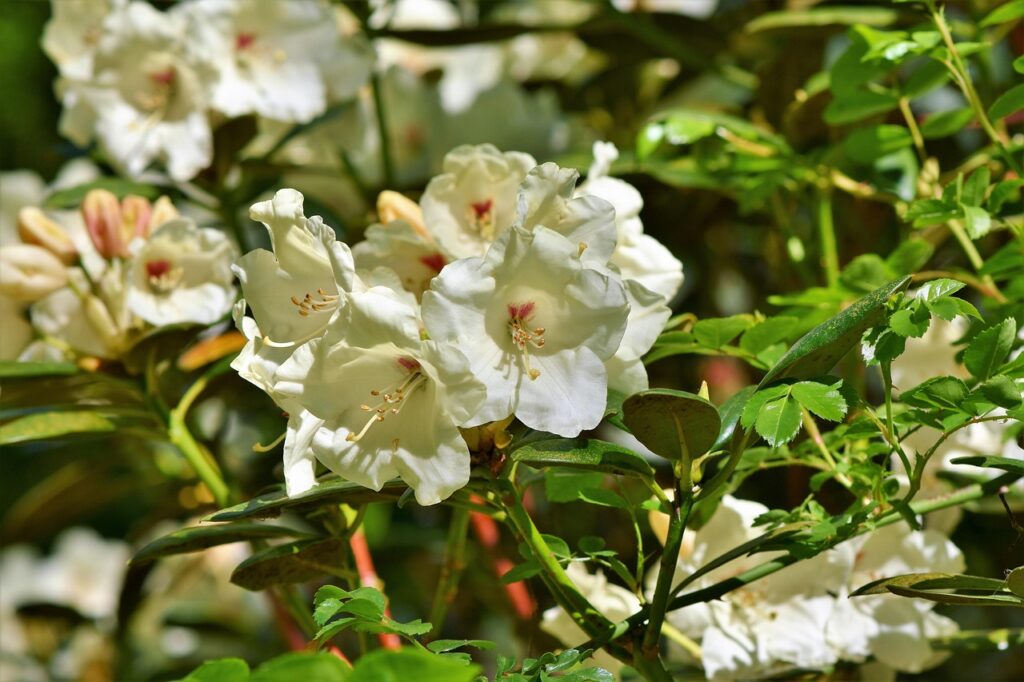
Rhododendron anthopogon exhibits a compact, ground-hugging growth habit that reflects its adaptation to high-altitude alpine environments. Rather than growing tall, this species spreads outward, forming dense, cushion-like mats that protect it from harsh winds, temperature fluctuations, and moisture loss. Its structure is both functional and visually distinctive, making it well-suited to exposed, rocky landscapes.
Growth Habit And Form
This species is best described as a low, mat-forming evergreen shrub. It develops multiple woody stems from a central base, gradually expanding into tight clumps or spreading carpets over time. In natural settings, these mats can stabilise soil on slopes and cliff edges, helping the plant anchor itself in otherwise unstable terrain.
The dense growth also creates a microclimate within the plant structure, retaining warmth and reducing exposure to cold alpine winds. This is a key survival strategy in regions where conditions can shift rapidly between extreme cold and intense sunlight.
Size Variation Across Environments
In most conditions, Rhododendron anthopogon grows between 30 and 60 cm in height, with a similar or greater spread. However, size can vary depending on altitude, soil quality, and exposure.
At higher elevations or in more exposed areas, the plant tends to remain smaller and more compact, often hugging the ground closely. In slightly more sheltered environments with better soil conditions, it may grow taller and develop a fuller, more rounded form, occasionally reaching up to 1 metre.
This variability makes the species highly adaptable, capable of adjusting its growth pattern to suit local environmental pressures.
Longevity And Growth Rate
Rhododendron anthopogon is a slow-growing species, a common trait among alpine plants where growing seasons are short and resources are limited. Despite its slow rate of development, it is long-lived, with individual plants persisting for many years, even decades, in stable conditions.
Its longevity is supported by its evergreen nature and its ability to withstand environmental stress. Once established, it requires minimal intervention and can continue to thrive in challenging conditions where many other species would struggle.
Structural Characteristics Over Time
As the plant matures, its woody base becomes more pronounced, and older stems may develop a slightly twisted or gnarled appearance. This adds character to the plant and can be particularly appealing in bonsai applications, where aged structure is highly valued.
The outer growth remains dense and compact, while the interior may gradually open up as older branches age. Regular pruning in cultivation can help maintain a balanced structure and encourage healthy new growth.
Growth Behaviour In Cultivation
When grown in gardens or containers, Rhododendron anthopogon retains its naturally compact form but may exhibit slightly more vigorous growth under controlled conditions. With proper care, including well-draining acidic soil and protection from extreme heat, it can form an attractive, low-growing shrub.
Its slow growth and manageable size make it particularly suitable for bonsai enthusiasts, especially those interested in alpine or miniature landscape styles.
Leaf Structure, Aromatic Properties, And Adaptations
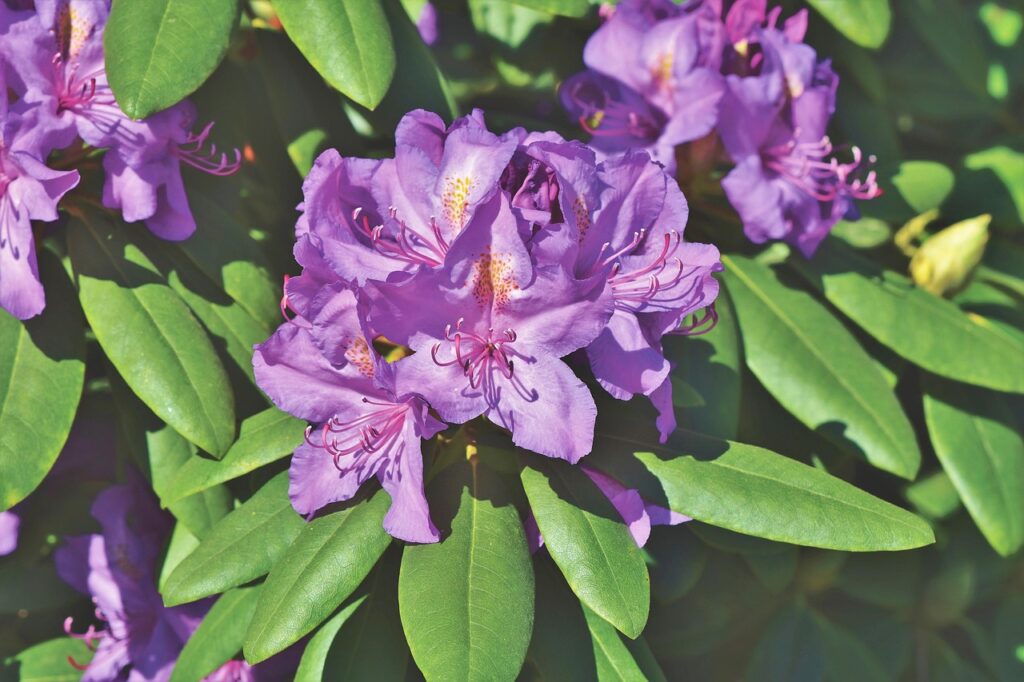
The leaves of Rhododendron anthopogon are among its most distinctive and functionally important features. Adapted to survive extreme alpine conditions, they combine structural resilience with specialised surface traits that reduce environmental stress. At the same time, their strong aromatic qualities give the species cultural and practical significance beyond its ecological role.
Leaf Shape, Size, And Texture
The leaves are small, typically elliptic to oblong, and arranged densely along the stems. Their compact size is a key adaptation to high-altitude environments, reducing surface area and limiting water loss in dry, windy conditions.
They have a thick, leathery texture, which helps protect internal tissues from cold temperatures and intense ultraviolet radiation. The upper surface is dark green and slightly glossy, aiding in efficient light absorption during short alpine growing seasons.
Scaled Undersides And Protective Features
One of the most defining characteristics of Rhododendron anthopogon is the presence of dense, brownish scales on the underside of the leaves. These scales are a hallmark of lepidote rhododendrons and serve several critical functions.
They act as a protective barrier against moisture loss by reducing transpiration. At the same time, they help reflect excess sunlight and shield the leaf from damaging UV exposure. In cold, windy conditions, these scales also reduce the impact of desiccating air currents, allowing the plant to retain essential moisture.
Aromatic Properties And Chemical Composition
When crushed, the leaves release a strong, sweet, and balsamic fragrance. This aromatic quality is due to the presence of essential oils rich in compounds such as alpha-pinene and linalool.
These compounds are not only responsible for the plant’s distinctive scent but also contribute to its traditional uses in incense, herbal preparations, and essential oil production. The fragrance is often described as warming and calming, which aligns with its use in spiritual and medicinal practices across Himalayan cultures.
Adaptations To Alpine Conditions
The combination of small size, leathery texture, and scaled undersides makes the leaves highly efficient at coping with the challenges of alpine environments. These include intense sunlight, low temperatures, strong winds, and limited water availability.
By minimising water loss and protecting against environmental extremes, the leaves allow Rhododendron anthopogon to maintain year-round foliage, even under snow cover. This evergreen habit ensures that the plant can quickly resume photosynthesis when conditions improve.
Functional And Practical Significance
Beyond their ecological adaptations, the leaves play an important role in the plant’s interaction with humans. Their aromatic properties make them valuable for cultural practices such as incense burning, while their chemical composition supports various traditional medicinal applications.
For growers and bonsai enthusiasts, the small leaf size and dense foliage are particularly desirable traits, contributing to the plant’s aesthetic appeal and suitability for miniature cultivation.
Flowering Behaviour And Reproductive Biology
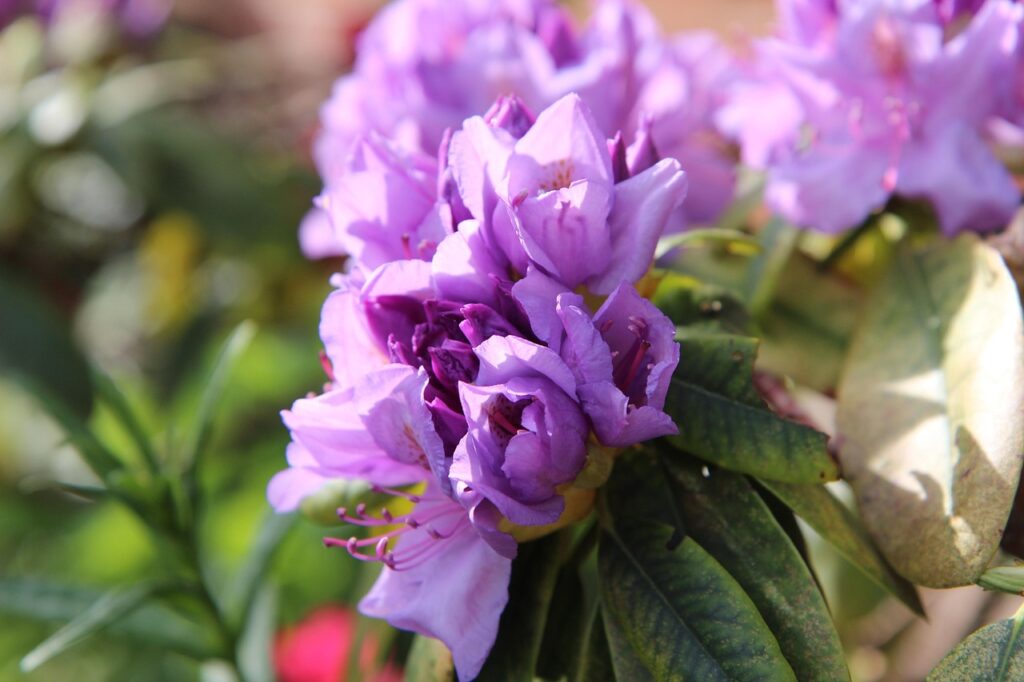
The flowering behaviour of Rhododendron anthopogon reflects its adaptation to short alpine growing seasons, where timing and efficiency are critical for successful reproduction. Despite its compact size, the species produces attractive clusters of flowers that play an essential role in pollination and seed development in high-altitude ecosystems.
Flowering Season And Environmental Triggers
Flowering typically occurs between late spring and early summer, most commonly from May to July, depending on altitude and local climate conditions. At higher elevations, flowering may be delayed due to prolonged snow cover and colder temperatures.
The onset of flowering is closely linked to rising temperatures, increased daylight, and the availability of moisture from melting snow. These environmental cues ensure that the plant blooms during a narrow window when pollinators are active and conditions are suitable for reproduction.
Flower Structure And Appearance
The flowers of Rhododendron anthopogon are small and tubular, arranged in dense terminal clusters at the tips of branches. Each cluster may contain multiple blooms, creating a soft, rounded display that contrasts with the dark green foliage.
Flower colour varies from creamy-white and pale yellow to light pink, sometimes with subtle tonal variations within the same cluster. While the flowers are not as large or flamboyant as those of some other rhododendron species, their clustered arrangement provides visual impact and efficiency in attracting pollinators.
Pollination Mechanisms
Pollination is primarily carried out by insects adapted to alpine environments, including bees and other hardy pollinators capable of operating in cooler temperatures. The clustered flower structure increases visibility and accessibility, improving the chances of successful pollination within a limited timeframe.
The plant’s subtle fragrance, combined with nectar production, helps attract these pollinators. In high-altitude regions where pollinator activity is limited, efficient flower design and timing are crucial for reproductive success.
Seed Development And Dispersal
Following successful pollination, the plant produces small seed capsules that mature over time. These capsules eventually release numerous tiny seeds, which are dispersed by wind across the surrounding landscape.
This method of dispersal allows Rhododendron anthopogon to colonise rocky slopes, open ground, and other exposed habitats where competition from larger plants is limited. The seeds are well adapted to germinate in nutrient-poor soils, contributing to the species’ ability to thrive in challenging environments.
Reproductive Strategy And Survival
The reproductive strategy of Rhododendron anthopogon is centred on maximising success within a short and often unpredictable growing season. By producing clusters of flowers and numerous seeds, the plant increases its chances of successful propagation even in harsh conditions.
Its ability to reproduce effectively in extreme environments highlights its resilience and ecological importance within alpine ecosystems, where it contributes to biodiversity and stabilises fragile landscapes.
Natural Distribution, Alpine Habitat Range, And Ecological Role
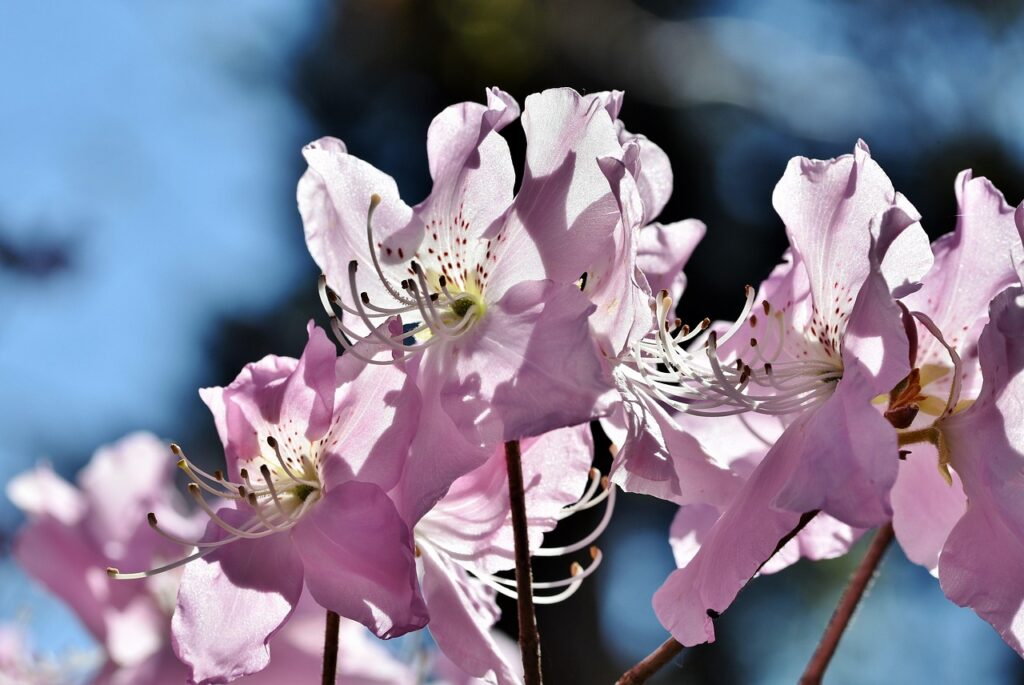
Rhododendron anthopogon is native to some of the highest and most extreme environments in Asia, where it has evolved to thrive under conditions that limit the survival of many other plant species. Its distribution spans a broad section of the Himalayan region, reflecting both its adaptability and its ecological importance in alpine ecosystems.
Geographic Distribution Across Asia
This species is found across Pakistan, northern India, Nepal, Bhutan, Tibet, and parts of Myanmar. It is most commonly associated with the central and eastern Himalayas, where large populations occur in high-altitude mountain ranges.
Its presence across multiple countries highlights its resilience and ability to adapt to varying microclimates within the broader alpine zone. Despite this wide distribution, it is typically confined to specific elevation bands where environmental conditions align with its requirements.
Alpine Habitat And Elevation Range
Rhododendron anthopogon grows at elevations between approximately 3,000 and 5,200 metres above sea level. Within this range, it occupies open slopes, rocky hillsides, cliff ledges, and alpine meadows.
These habitats are characterised by thin, well-draining soils, strong winds, intense sunlight, and significant temperature fluctuations between day and night. Snow cover during winter and early spring is common, and the growing season is relatively short.
The plant’s low-growing, mat-forming habit allows it to survive in these exposed environments by reducing wind impact and conserving heat close to the ground.
Ecological Role In Alpine Systems
In its natural habitat, Rhododendron anthopogon plays an important ecological role. Its dense growth helps stabilise soil on slopes and prevent erosion, particularly in areas where vegetation is sparse.
It also contributes to local biodiversity by providing shelter and microhabitats for small insects and other organisms. During its flowering period, it supports pollinators that are specially adapted to high-altitude conditions, helping maintain ecological balance within these fragile ecosystems.
As one of the more resilient plant species in alpine zones, it often forms part of the foundational vegetation that supports other life forms.
Adaptation To Extreme Conditions
The success of Rhododendron anthopogon in these environments is due to a combination of structural and physiological adaptations. Its small, leathery leaves, protective scales, and compact growth form all contribute to its ability to withstand cold, wind, and limited water availability.
These adaptations allow it to maintain year-round foliage and quickly take advantage of favourable conditions during the short growing season. Its ability to thrive in nutrient-poor soils further enhances its survival in rocky, exposed habitats.
Environmental Significance And Conservation Context
Alpine ecosystems are particularly sensitive to environmental changes, including climate shifts and human activity. As a native species within these regions, Rhododendron anthopogon serves as an indicator of ecosystem health.
Protecting its natural habitats is important not only for the species itself but also for the broader ecological communities that depend on alpine vegetation. Its role in soil stabilisation, pollinator support, and habitat formation makes it a valuable component of high-altitude landscapes.
Subspecies Classification And Infraspecific Variation
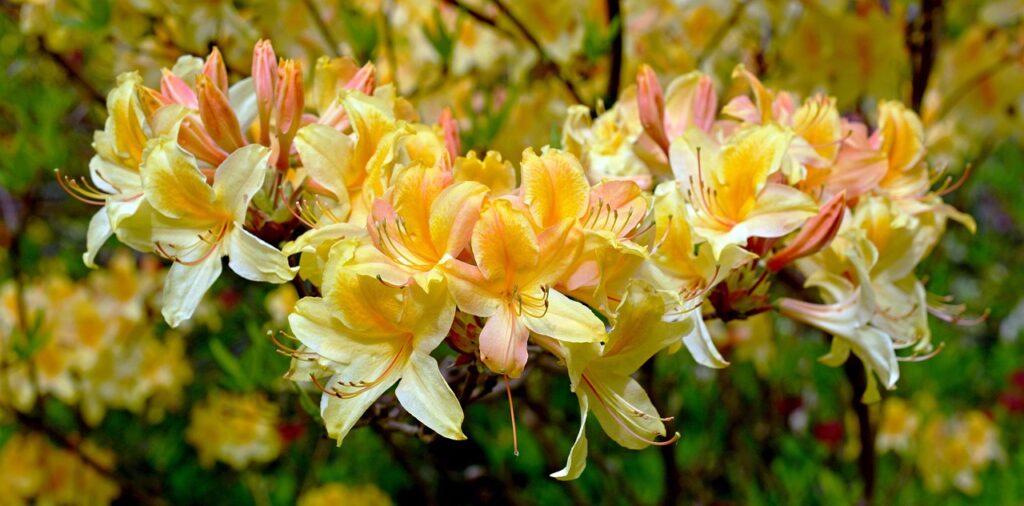
Rhododendron anthopogon exhibits limited but recognised infraspecific variation, primarily expressed through its subspecies. These variations are generally linked to geographic distribution, altitude, and subtle morphological differences shaped by local environmental conditions.
Two accepted subspecies are currently recognised, each occupying slightly different regions within the broader Himalayan range. While they share the core characteristics of the species, such as compact growth, aromatic foliage, and alpine adaptations, minor differences in form and distribution help distinguish them.
- Rhododendron anthopogon subsp. anthopogon – The nominate subspecies, widely distributed across the Himalayas, Tibet, and parts of Myanmar. It represents the typical form of the species and is most commonly encountered in alpine habitats throughout its range.
- Rhododendron anthopogon subsp. hypenanthum (Balf.f.) Cullen – Found in Pakistan and parts of the western Himalayas. This subspecies may exhibit slight variations in leaf structure, growth form, or environmental tolerance, reflecting adaptation to localised conditions.
Infraspecific variation within Rhododendron anthopogon is relatively subtle compared to more diverse rhododendron groups. However, these differences are important from a taxonomic perspective, as they provide insight into how the species has adapted to different microclimates across its range.
Hybridisation with closely related alpine rhododendron species is possible in overlapping habitats, although it is not as extensively documented as in other sections of the genus. Where it does occur, hybridisation may lead to intermediate forms that display a mix of traits, further contributing to the complexity of classification in alpine regions.
For growers and collectors, understanding these subspecies distinctions can be useful when sourcing plants, as subtle variations may influence growth behaviour, hardiness, and overall appearance under cultivation.
Rhododendron Anthopogon In Horticulture, Bonsai, And Traditional Uses
Rhododendron anthopogon holds a unique position among rhododendron species, combining alpine resilience with aromatic and cultural value. In horticulture, it is appreciated for its compact growth, evergreen foliage, and suitability for rock gardens or alpine plant collections. Its ability to thrive in poor, well-draining soils and withstand cold conditions makes it an excellent choice for growers working with challenging environments.
For bonsai enthusiasts, Rhododendron anthopogon offers distinctive advantages. Its naturally small leaves, dense branching, and slow growth rate lend themselves well to miniature forms, particularly in alpine or naturalistic styles. Over time, the development of woody, slightly gnarled stems can create the appearance of age and character, which is highly valued in bonsai design. With careful pruning and attention to soil conditions, it can be shaped into a refined and expressive specimen.
Beyond cultivation, the species has long been valued in traditional practices across the Himalayan region. Its leaves and flowering tops are commonly used as incense in religious and cultural ceremonies, where the plant is believed to purify the air and create a calming atmosphere. It is also used in herbal preparations, including teas and infused oils, reflecting its reputation for warming and therapeutic properties.
The essential oil derived from Rhododendron anthopogon further highlights its significance. Known for its sweet, balsamic fragrance, the oil is used in aromatherapy and traditional medicine for respiratory support, muscle relief, and emotional well-being. This combination of practical and cultural uses sets it apart from many other rhododendron species.
In conclusion, Rhododendron anthopogon is more than just an alpine shrub. It is a species that bridges ecological resilience, horticultural potential, and traditional knowledge, making it a valuable addition to both natural landscapes and cultivated collections.