
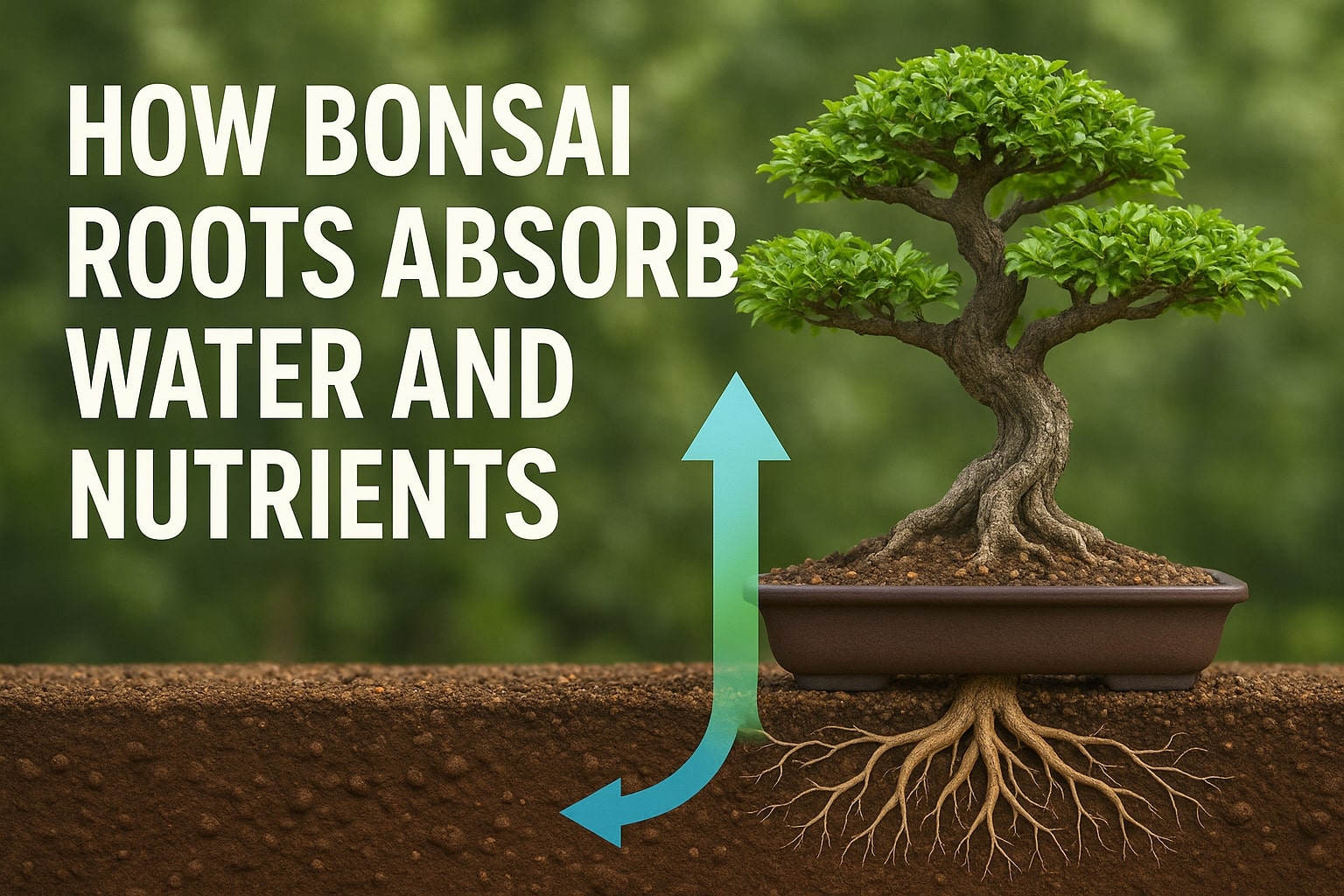
Bonsai trees may be small in size, but beneath the soil lies a complex network of roots that work tirelessly to keep them alive and thriving. Understanding how bonsai roots absorb water and nutrients helps growers appreciate just how adaptable these miniature trees are, and how proper care ensures their long-term health.
Table of Contents
The secret life beneath the soil
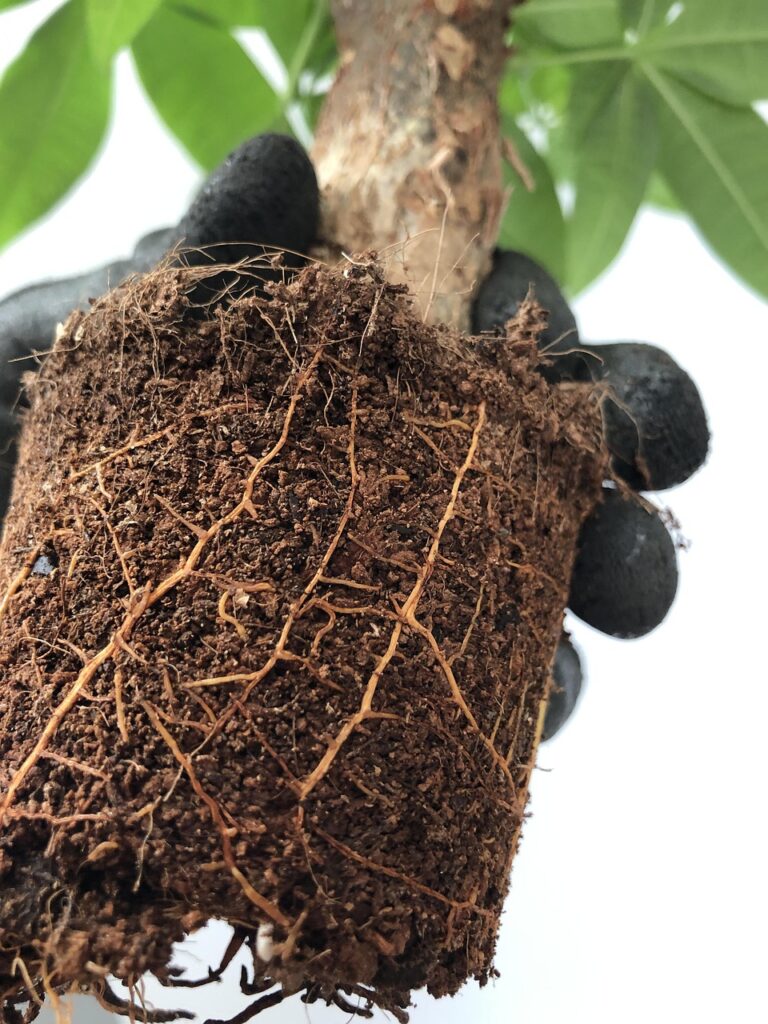
While the canopy of a bonsai often steals the spotlight, the true magic happens underground. Bonsai roots form intricate systems that mirror the balance and beauty seen above the soil line. Each root has a specific purpose, from anchoring the tree to the pot, to drawing in moisture and vital minerals that sustain growth.
Because bonsai are grown in shallow containers, their root systems face unique challenges compared to full-sized trees. Yet, these trees adapt remarkably well, adjusting both root density and direction to make the most of limited space and resources.
Fine feeder roots: the lifeline of a bonsai
The finest, hair-like roots at the ends of the system, called feeder roots, are where most of the absorption takes place. These delicate roots have thin cell walls, allowing water and dissolved nutrients to pass easily into the plant’s vascular system. They constantly renew themselves, growing closer to the surface where moisture and oxygen are most available.
Regular root pruning encourages the development of more feeder roots, creating a dense and efficient root network. This balance ensures the bonsai can absorb nutrients evenly, helping the foliage remain vibrant and balanced.
Adapting to shallow soil conditions
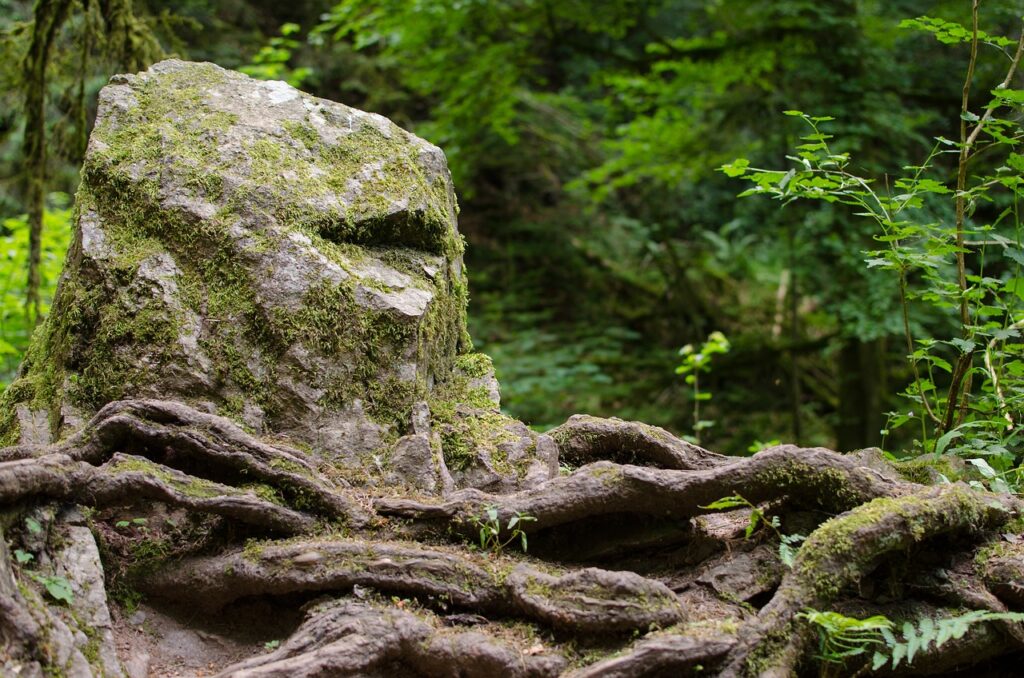
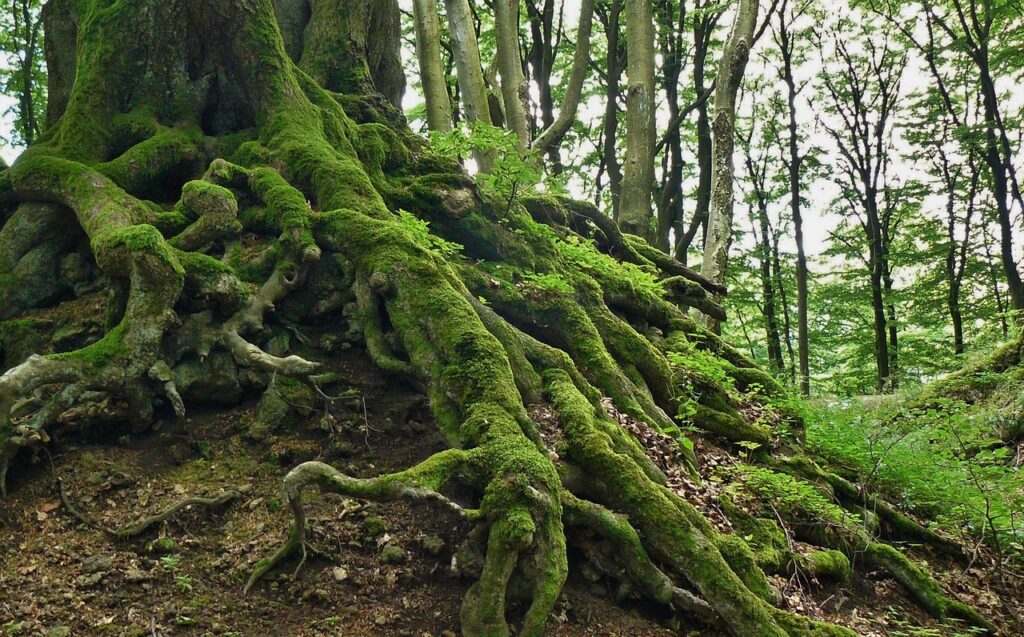
In nature, trees spread their roots deep and wide, but bonsai roots adapt to a far shallower environment. Over time, they develop horizontally, spreading across the pot rather than downward. This adaptation helps the tree maximise its contact with the soil surface, where most moisture and oxygen are found after watering.
Because water drains quickly through bonsai soil, roots learn to take up what they need fast before it evaporates. The type of substrate you use, whether akadama, pumice, or lava rock, also affects how roots behave. Well-draining mixes encourage roots to grow strong and fibrous, preventing rot and promoting oxygen flow.
Nutrient absorption and balance
When we fertilise a bonsai, we’re feeding the soil, not just the tree. Roots absorb nutrients only when they’re dissolved in water, which is why consistent watering and proper soil composition are essential. Trace elements like iron, magnesium, and potassium move through the roots along with moisture, supporting photosynthesis and new growth.
Healthy roots can regulate how much water and nutrient they take in, protecting the tree from overload. Overfertilising, however, can burn delicate feeder roots, disrupting this balance and slowing the bonsai’s recovery.
The importance of oxygen
Roots don’t just drink; they breathe. Oxygen in the soil is vital for root respiration, which powers nutrient absorption. Compacted or waterlogged soil suffocates roots, leading to poor growth and potential root rot. That’s why bonsai growers use coarse, airy soil mixtures that let water pass through freely while keeping roots oxygenated.
Thriving from the roots up
A bonsai’s beauty depends on the unseen harmony beneath the soil. Its roots adapt in extraordinary ways, reshaping themselves to the environment, forming dense mats of feeder roots, and finding balance between water, nutrients, and oxygen.
By understanding how bonsai roots function, you can nurture them more and care for them more effectively, creating a foundation for growth, resilience, and the lasting beauty of your miniature tree.