
When it comes to bonsai care, few things are as important as mastering the art of watering a bonsai. Too much or too little water can quickly undo months of careful shaping and pruning. Every bonsai tree relies on the right balance of moisture to stay strong, vibrant, and full of life.
Understanding how water interacts with soil, roots, and the environment is key to keeping your tree healthy year-round. Whether you’re nurturing a delicate indoor bonsai or a hardy outdoor species, consistency and observation are the secrets to success. Learning the correct method for watering a bonsai will ensure steady growth and protect your tree from stress or root rot.
Table of Contents
The relationship between bonsais and watering
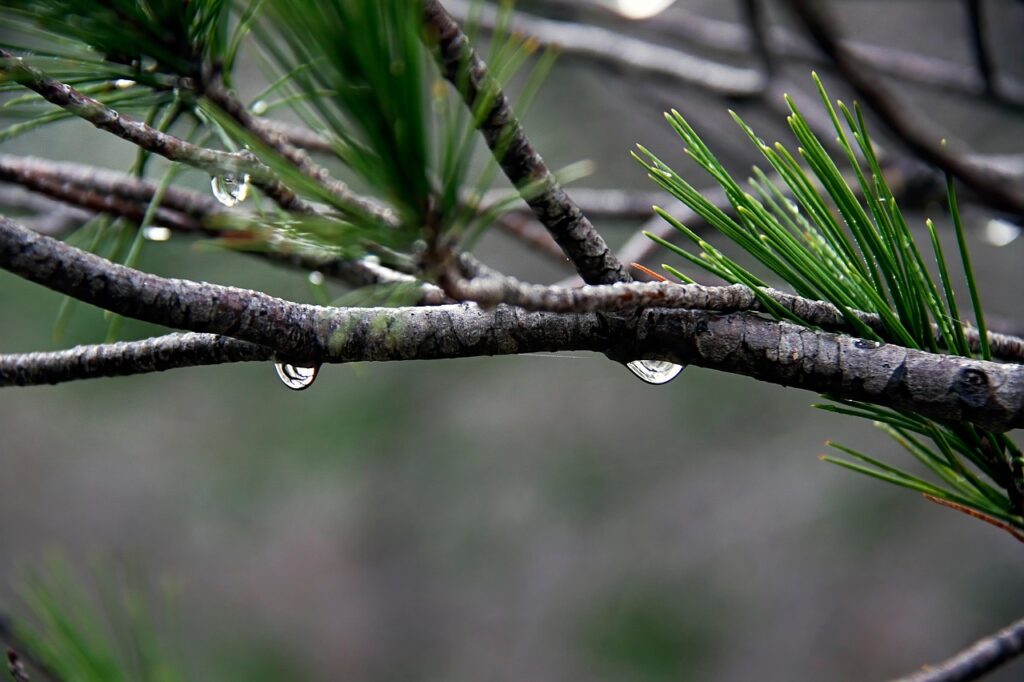
Watering a bonsai is more than a daily task for bonsai owners. It is a partnership between the tree, the soil, and the environment. A bonsai’s survival depends on how well these three elements work together to regulate moisture. Unlike regular potted plants, bonsais grow in shallow containers that limit how much water the soil can hold, making it crucial to understand each tree’s specific needs.
The type of bonsai, soil composition, and pot size all influence how water is absorbed and retained. Some species, such as junipers and pines, prefer slightly drier conditions, while others like maples thrive in evenly moist soil. The goal is not just to water frequently, but to water wisely, ensuring roots receive enough oxygen and hydration without becoming waterlogged. Learning this balance is the foundation of every healthy bonsai.
Why bonsais rely on you for watering

Out in nature, trees have a constant supply of water from rain, underground reservoirs, rivers, and dew. Their roots grow deep into the soil, reaching moisture even during long dry spells. Nature provides balance, allowing trees to thrive without human help.
Bonsai trees, on the other hand, live in shallow pots with limited soil and restricted root systems. They do not have access to natural water sources and rely entirely on your care. When watering a bonsai, you are taking the place of rainfall and groundwater. This means every drop matters.
Because bonsai soil dries out much faster than the earth around full-sized trees, owners must monitor their plants closely and water according to need rather than routine. The key difference lies in control: in nature, water flows freely, but in a bonsai pot, the balance of life rests in your hands.
How often should you be watering a bonsai?
One of the most common questions new growers ask is how often they should be watering a bonsai. The truth is that there is no universal schedule. Each tree, like each grower’s environment, is unique. Instead of following a strict routine, the goal is to observe the soil and the tree’s behaviour to decide when watering is needed.
Generally, bonsais should be watered when the top layer of soil begins to feel dry to the touch. However, several important factors influence how quickly that happens. Understanding these variables will help you create a rhythm that suits both your tree and your local climate.
Species of bonsai
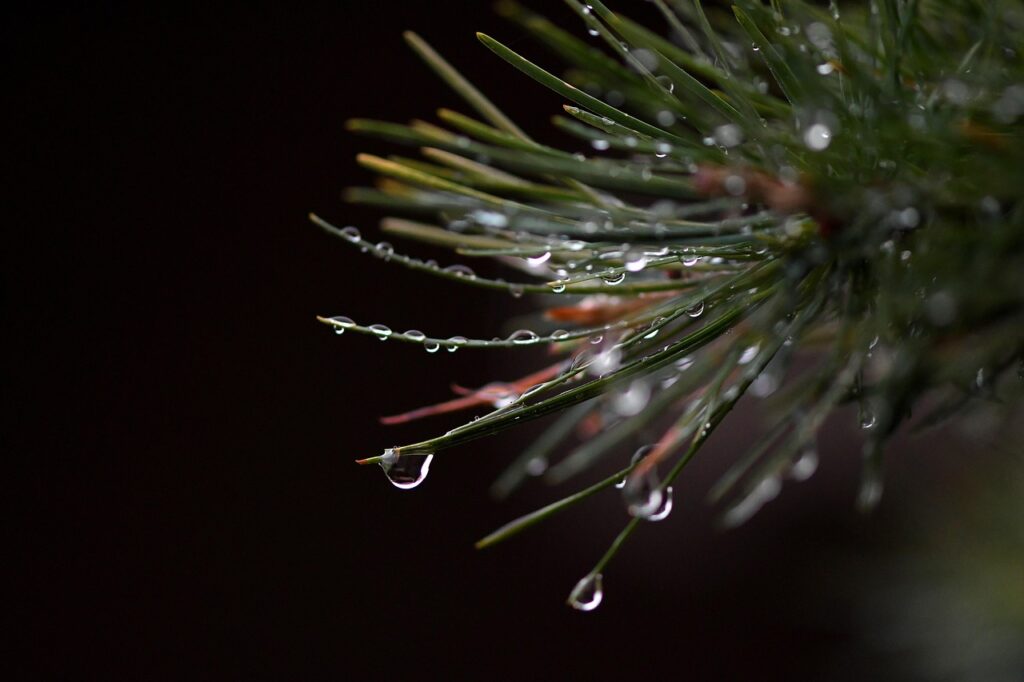
Different bonsai species have different water requirements. Tropical trees such as ficus or jade prefer consistently moist soil, while conifers like juniper or pine benefit from a slightly drier environment between waterings. Learning your tree’s natural habitat is the first step to knowing how frequently you should be watering a bonsai.
Climate and region
South Africa’s diverse climates play a huge role in how you manage moisture levels. Coastal areas such as Cape Town are more humid and may retain moisture longer, while inland regions like Gauteng or the Karoo dry out much faster. This means that watering a bonsai in one part of the country can be entirely different from another. Adjust your watering schedule according to your environment rather than the calendar.
Humidity and air movement
Airflow, humidity, and temperature all affect how fast water evaporates from the soil. A bonsai placed outdoors on a breezy patio will dry out faster than one inside a still, shaded room. Observing how the environment interacts with your bonsai is crucial to keeping consistent moisture levels. During dry seasons or heatwaves, trees may need watering more than once a day.
Soil composition and pot size
The type of soil mix you use determines how much water the bonsai retains. Coarse, well-draining soils dry out faster but prevent root rot, while denser mixes hold water longer. Smaller pots also dry out more quickly than larger ones. When watering a bonsai, consider the relationship between your soil texture and pot depth to find the perfect balance for your tree’s health.
Seasons
The time of year has a major impact on how often you should be watering a bonsai. During summer, higher temperatures and longer daylight hours cause water to evaporate quickly, meaning your bonsai may need watering once or even twice a day. In contrast, winter brings slower growth and cooler conditions, so trees require less frequent watering to avoid soggy roots.
Spring and autumn serve as transition periods where your watering routine should adjust gradually. Pay attention to how your bonsai responds to each season rather than sticking to a fixed schedule. Checking soil moisture daily is the best way to stay in tune with your tree’s changing needs throughout the year.
Proper watering techniques for bonsais
Knowing when to water is only half the skill. The way you apply water can determine whether your bonsai thrives or struggles. Proper technique ensures that moisture reaches every part of the root system without over-saturating the soil. When watering a bonsai, always aim to replicate how rain nourishes trees in nature: gently, thoroughly, and evenly.
The best approach is to pour water slowly over the soil until it begins to flow out of the drainage holes. This ensures the entire root zone receives moisture. Avoid quick splashes that only wet the surface, as this can cause dry pockets deeper in the pot. Use a watering can with a fine nozzle or rose head to control flow and prevent soil from washing away.
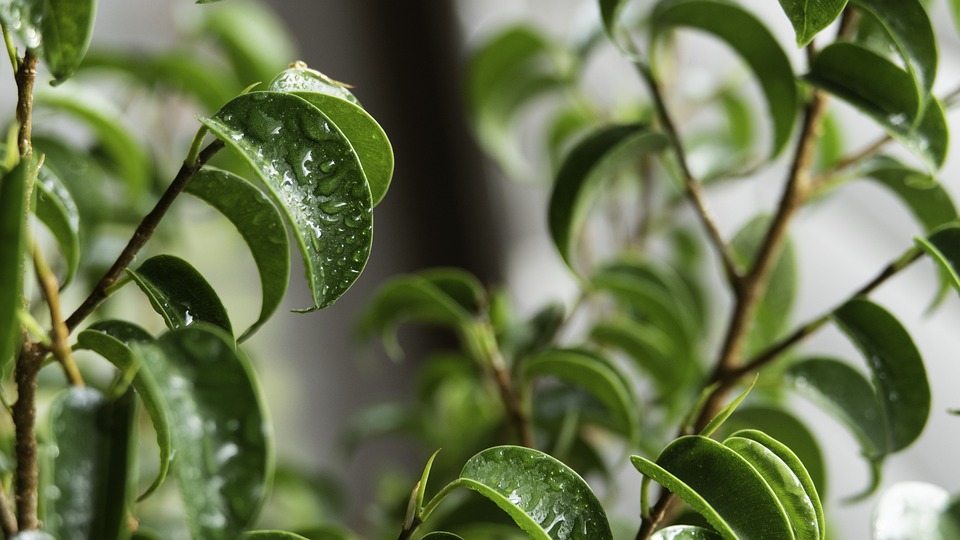
For indoor bonsais, humidity plays an equally important role. Because indoor air is often drier, you can support your tree by spraying the air around the leaves with water once or twice a day. This helps mimic the natural moisture found outdoors and keeps delicate foliage from drying out. Just avoid misting under direct sunlight, as water droplets can act like tiny lenses and scorch the leaves.
Finally, always remember that watering is not a chore: it’s a form of connection. Observing your bonsai each day allows you to notice subtle changes in colour, soil texture, and growth patterns. This attention ensures you respond to your tree’s needs in real time, giving it the best chance to flourish.
Common watering mistakes to avoid
Even experienced growers make mistakes when watering a bonsai. These errors can lead to weak roots, poor leaf colour, or even the loss of your tree. By recognising the most common issues, you can easily adjust your approach and keep your bonsai healthy for years to come.
- Watering on a schedule instead of by need: Many beginners assume bonsais need watering once a day, but this can cause over- or under-watering. Instead, check the soil moisture daily and water only when the top layer feels slightly dry. Every tree, season, and environment is different.
- Allowing soil to dry out completely: When a bonsai’s soil becomes bone dry, it can compact and repel water, making it difficult for the roots to rehydrate. If this happens, soak the entire pot in water for several minutes to restore moisture evenly.
- Using the wrong watering technique: Pouring water too quickly or in one spot can cause uneven absorption. Always water slowly and evenly until the excess begins draining from the bottom of the pot. A gentle, consistent flow is far better than a fast pour.
- Ignoring drainage holes: Bonsais need well-draining soil and proper pot design. Blocked drainage holes trap water at the roots, leading to rot and suffocation. Always check that water can flow freely through the base of your pot.
- Neglecting humidity for indoor bonsais: Indoor air can be dry, especially during winter or in air-conditioned rooms. Regularly spray the air around your bonsai’s leaves with water to increase humidity and prevent leaf tips from drying out. Avoid over-misting directly onto the soil.
- Watering at the wrong time of day: The best times for watering a bonsai are early morning or late afternoon when temperatures are cooler. Midday watering can cause rapid evaporation, leaving roots dehydrated and wasting water.
- Forgetting to adjust with the seasons: Bonsais need more water in summer and less during winter dormancy. Monitoring your tree’s behaviour and environment ensures you always match its needs rather than following a fixed routine.
By learning from these mistakes, you can develop a steady hand and a patient eye. Over time, watering a bonsai will become a natural part of your daily rhythm: not just maintenance, but a moment of mindfulness and connection with your tree.
Growing mindfulness through watering a bonsai
Mastering the art of watering a bonsai is more than a gardening skill. It is an act of patience, attention, and care. Every drop you give your tree strengthens its roots and deepens your understanding of its unique rhythm. By observing, adjusting, and nurturing consistently, you create an environment where your bonsai can truly thrive.
Remember that watering habits will vary with species, climate, and season. Each bonsai has its own preferences and quirks, shaped by its natural origins. As we continue expanding our bonsai resources, you’ll soon find dedicated pages outlining the specific watering needs of different genera and species.
If you’d like to learn more about caring for your bonsai, explore our detailed Bonsai Guides section. From pruning and shaping to soil mixes and seasonal care, our growing collection of articles will help you build the knowledge and confidence to create a thriving miniature forest of your own.