
When it comes to bonsai care, few practices are as transformative as pruning a bonsai tree. More than just trimming branches, pruning is the art of guiding growth, shaping form, and maintaining balance between beauty and health. Every cut made on a bonsai tells part of its story, shaping not only how it looks, but how it lives. Proper pruning ensures the tree grows in proportion, develops fine branching, and maintains its miniature yet powerful presence.
In nature, wind, light, and weather shape a tree’s appearance over time. In bonsai, that same process is guided by your hands. Learning the rhythm of pruning a bonsai tree helps you understand how it responds to each cut and how energy moves through its branches. Whether you’re refining a mature specimen or training a young sapling, pruning brings harmony between growth and restraint, turning your tree into a living work of art.
Please note: this is a general guide on pruning a bonsai tree. We will follow up with specific species guides in time to come.
Table of Contents
The relationship between bonsais and pruning
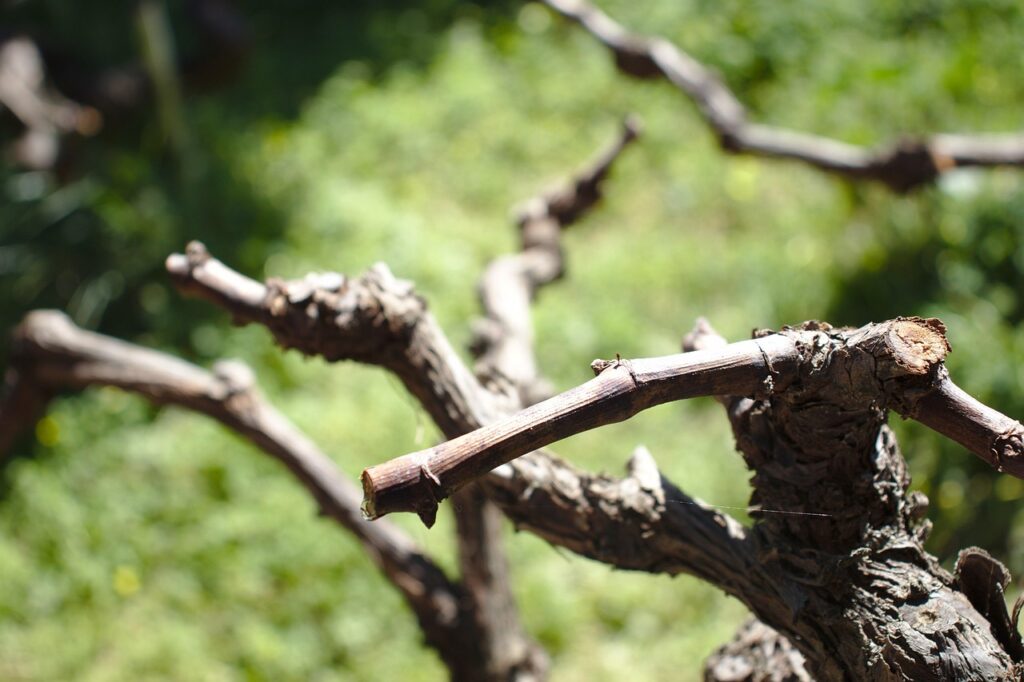
Pruning a bonsai tree is not simply about cutting away unwanted branches. It’s about creating harmony between nature and design. In the wild, trees are naturally pruned by their environment. Wind breaks weak branches, animals nibble on new shoots, and sunlight directs growth. In bonsai cultivation, this process is replicated deliberately, with every snip made to encourage balance, proportion, and renewal.
Each bonsai lives within limits: a small pot, shallow soil, and confined space. Without regular pruning, branches grow too long, leaves become oversized, and the tree loses its refined shape. Pruning re-establishes balance, allowing light and air to reach inner branches while encouraging new, finer growth.
It’s a continuous dialogue between grower and tree, where observation guides every decision. Over time, this practice not only maintains the bonsai’s health but deepens the connection between you and your miniature landscape.
Why pruning is essential for bonsai health
Pruning a bonsai tree is vital for maintaining both its structure and overall wellbeing. By selectively removing branches and shoots, you direct the tree’s energy to where it’s needed most. This process encourages smaller leaves, finer branching, and stronger growth in the desired areas. Without pruning, a bonsai will eventually lose its shape, as unchecked growth crowds the canopy and prevents light and air from reaching the interior. The result is weak inner branches, coarse foliage, and reduced vitality.
Beyond aesthetics, pruning supports the bonsai’s long-term health. Each cut stimulates regeneration, helping the tree focus its resources on fresh growth rather than sustaining overcrowded or unhealthy sections. It also reduces the risk of pests and disease by improving air circulation through the foliage. Regularly pruning a bonsai tree ensures it remains strong, balanced, and true to its intended form, a living reflection of nature’s elegance and resilience.
Types of bonsai tree pruning
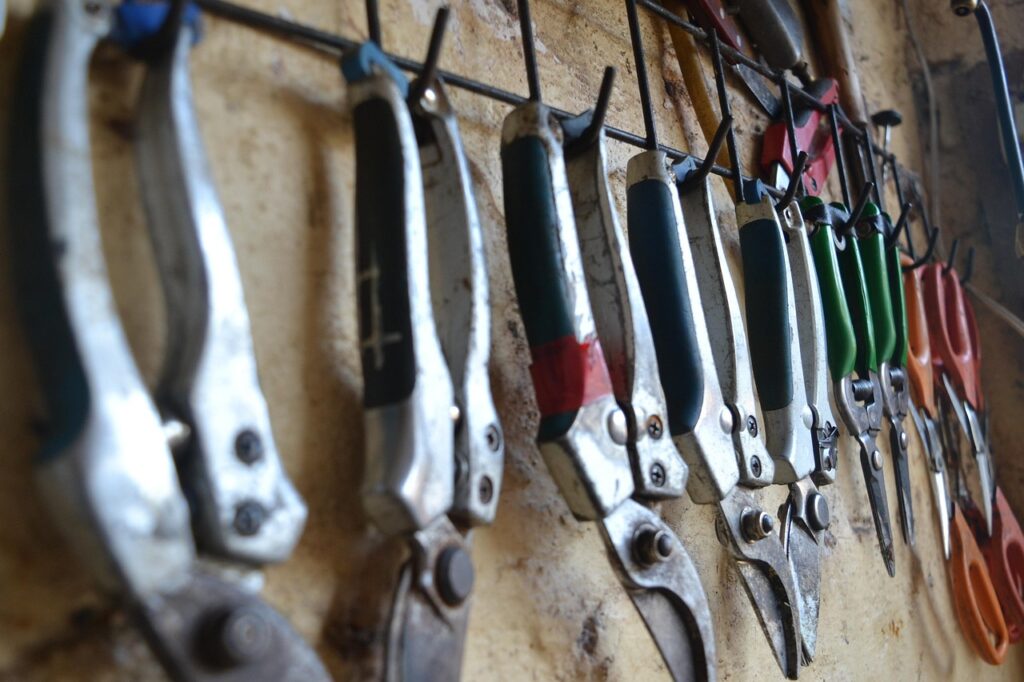
There are several forms of pruning a bonsai tree, each serving a specific purpose in its development. Understanding when and how to apply these methods allows you to maintain both the artistic vision and the health of your tree.
Structural pruning is the foundation of bonsai design. It involves removing thicker branches that disrupt the desired silhouette or create imbalance. This kind of pruning is usually done during the tree’s dormant season, allowing it to recover gradually as growth resumes. Structural pruning defines the tree’s character, establishing the trunk line, main branches, and overall flow of the design.
Maintenance pruning, on the other hand, takes place throughout the growing season. It controls new shoots and preserves the refined outline of the bonsai. Regular trimming helps distribute energy evenly across the tree, encouraging compact foliage and preventing one section from dominating the rest.
Lastly, advanced growers often use pinching and defoliation to refine details. Pinching young shoots encourages ramification (the development of finer branches), while defoliation, the careful removal of leaves, promotes smaller foliage and denser growth. Each method requires patience and precision, but together they form the essence of shaping and maintaining a bonsai’s elegance over time.
When to prune a bonsai tree
Timing is one of the most important aspects of pruning a bonsai tree. Knowing when to prune ensures that your tree can recover smoothly while responding positively to each cut. The right moment depends on species, growth rate, and seasonal conditions.
For most deciduous species, the ideal time for major pruning is late winter to early spring, just before new growth begins. At this stage, the tree’s structure is clearly visible, allowing you to make confident shaping decisions. As growth resumes, the cuts heal quickly, minimising scarring. Conifers such as pines and junipers, however, respond best to pruning in mid to late summer when new growth has hardened slightly. This prevents sap loss and keeps the tree’s shape compact.
Tropical and subtropical bonsais, including ficus and jade varieties, can be pruned more regularly throughout the year, provided temperatures remain warm. Light trimming during active growth maintains their tidy appearance and encourages branching. Regardless of species, it’s essential to avoid pruning during periods of extreme stress, such as intense heat or frost. By understanding your tree’s natural rhythm, you ensure that pruning a bonsai tree becomes a supportive, not disruptive, part of its life cycle.
Tools and preparation
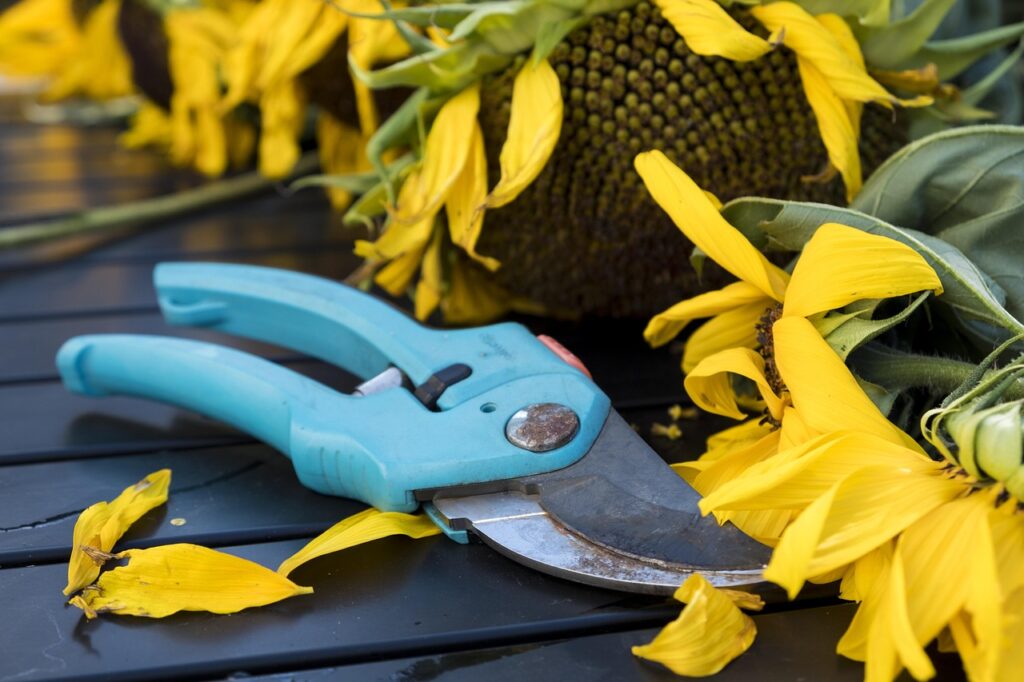
Before pruning a bonsai tree, preparation is just as important as the pruning itself. Having the right tools and a clear plan helps you make clean, deliberate cuts that promote healthy regrowth. At a minimum, you’ll need a pair of sharp bonsai scissors for fine trimming and concave cutters for thicker branches.
Concave cutters are specially designed to create smooth, shallow wounds that heal neatly, leaving minimal scarring on the trunk or branches. For delicate work, twig shears and pruning tweezers can help you refine smaller details without damaging surrounding growth.
Cleanliness is critical. Always disinfect your tools before and after use to prevent the spread of disease or fungal infection. A simple wipe with rubbing alcohol or diluted bleach solution keeps your equipment safe for use on multiple trees. When planning to remove larger branches, prepare wound sealant or cut paste to protect open cuts and aid healing.
Finally, ensure your workspace is calm and stable: rushing or cutting without visualising the outcome can cause unnecessary damage. Taking time to prepare properly ensures that pruning a bonsai tree remains a careful, precise, and rewarding process.
Understanding growth patterns and bud placement
Successful pruning a bonsai tree begins with understanding how it grows. Every branch and bud follows a natural pattern, and recognising these tendencies allows you to shape the tree without interrupting its energy flow. Most trees display apical dominance, meaning the top of the tree grows more vigorously than the lower branches. By pruning the upper sections, you redirect growth energy downwards, encouraging fuller development in the lower and inner branches to achieve balance and proportion.
Bud placement also plays a vital role in how a bonsai develops. New shoots usually grow from nodes, which appear just above a leaf or branch junction. When you make a cut, new growth will typically emerge from the node closest to it. This means every pruning decision determines the direction of future branches.
By studying where buds form, you can predict and influence how the tree expands, gradually refining its silhouette over time. Understanding these natural growth responses turns pruning a bonsai tree into a strategic, intuitive practice, one that works with the tree’s rhythm rather than against it.
Pruning techniques for different styles
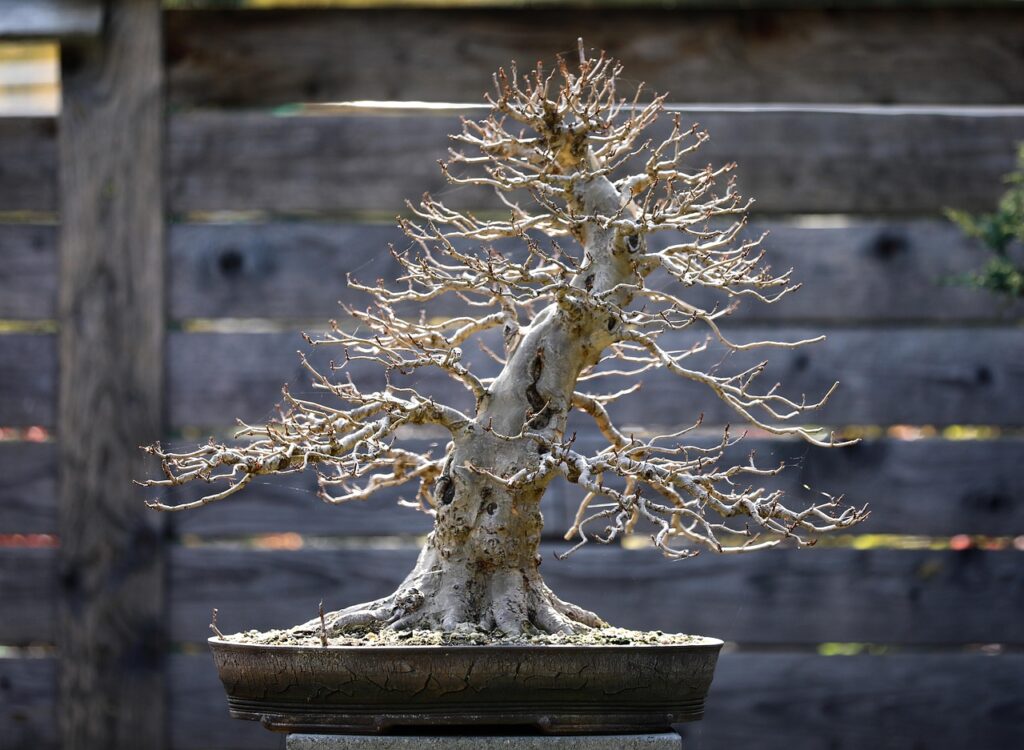
Every bonsai style demands its own approach, and pruning a bonsai tree should always reflect the form you’re cultivating. The formal upright style, for example, requires careful balance between symmetrical strength and natural grace.
Pruning here focuses on maintaining a straight trunk with evenly spaced branches that gradually taper towards the top. By contrast, the informal upright style allows for more gentle curves and irregularity, where pruning encourages subtle movement and flow rather than rigid structure.
Cascade and semi-cascade styles rely heavily on directional pruning to create the illusion of gravity pulling the tree downward. Here, trimming focuses on maintaining balance, ensuring lower branches remain strong while upper sections stay compact. In windswept bonsai, pruning highlights dynamic tension, selectively shaping branches to lean in one direction, mimicking years of natural exposure.
Each style demands observation and restraint; removing too much can disrupt balance, while pruning a bonsai tree too little can allow the form to lose definition. Learning to prune according to style helps each bonsai express its intended character while remaining healthy and harmonious.
Common pruning mistakes to avoid
Even with the best intentions, it’s easy to make errors when pruning a bonsai tree. Many of these mistakes come from enthusiasm rather than neglect, but they can still affect the health and appearance of your tree.
One of the most frequent issues is over-pruning: removing too many branches or leaves at once. This weakens the tree, limiting its ability to photosynthesise and recover. Instead, prune gradually over several sessions to allow the bonsai to adjust and redirect its energy.
Another common mistake is cutting too close to the trunk or leaving long stubs, both of which can lead to scarring or dieback. Always use sharp, clean tools to make precise cuts just above a node or branch junction. Timing errors are another pitfall; pruning during dormancy for species that prefer active-season trimming can slow healing and increase stress.
Neglecting tool hygiene can also introduce disease, especially when working on multiple trees. Finally, beginners sometimes prune without observing the tree’s natural shape, forcing it into an unnatural design. Remember, pruning a bonsai tree is a dialogue with nature, one that rewards patience, study, and sensitivity over haste.
Developing mindfulness through pruning a bonsai
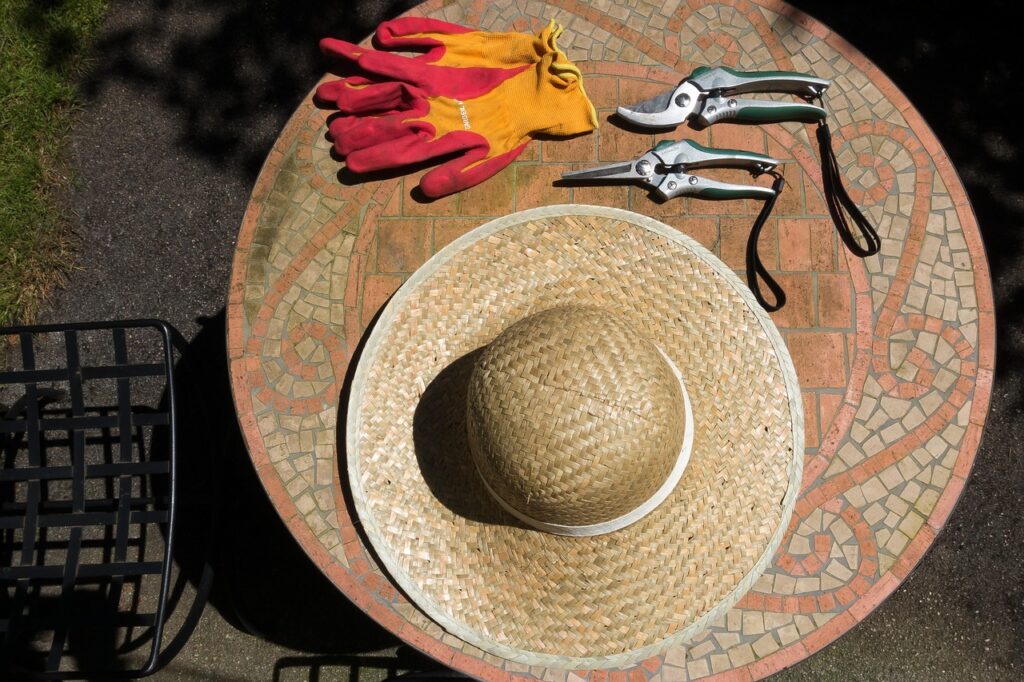
Pruning a bonsai tree is as much a meditative act as it is a horticultural one. Each cut requires attention, intention, and a calm hand. As you observe your tree over time, you begin to notice its rhythm: how it responds to the seasons, how new shoots emerge, and how small adjustments can completely change its expression. This awareness encourages patience and mindfulness, transforming pruning from a simple gardening task into a moment of quiet connection.
Every session with your bonsai offers an opportunity to slow down and focus on the present. By trimming with purpose rather than haste, you not only refine the tree’s shape but also strengthen your own sense of clarity and care. In this way, pruning a bonsai tree becomes a reflection of balance in life: understanding when to let go, when to guide growth, and when to simply observe. Over time, the process shapes both the tree and the grower, cultivating harmony, focus, and respect for nature’s enduring art.
The harmony of shaping and growth
Pruning a bonsai tree is the heart of its care and artistry. Through careful observation, patience, and precision, each cut shapes more than just the tree’s form: it shapes its character. Pruning encourages new growth, maintains balance, and preserves the miniature beauty that defines bonsai. It is an ongoing relationship between you and your tree, one built on understanding how nature responds to subtle guidance.
With time, you’ll learn to see beyond the branches and leaves, recognising the flow of energy that connects roots to crown. The act of pruning becomes less about control and more about collaboration, helping your bonsai thrive while expressing its unique spirit. Every session deepens that bond, reminding you that in nurturing your bonsai, you’re also nurturing patience, discipline, and peace within yourself.