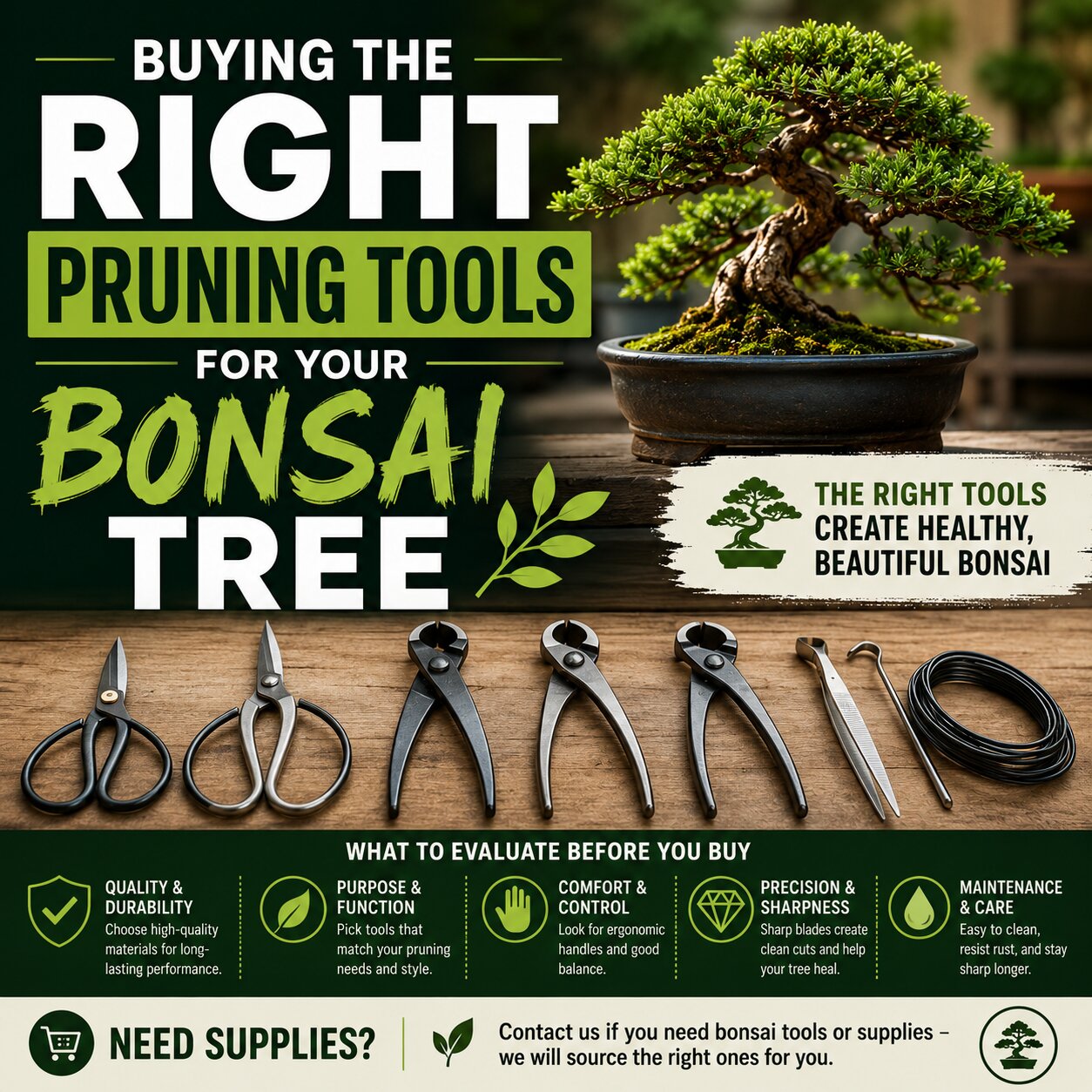
Choosing the correct pruning tools is one of the most important parts of maintaining a healthy and beautiful bonsai tree. While beginners often start with standard garden scissors or household cutters, bonsai trees require more precise tools designed specifically for delicate shaping, trimming, and branch management.
The right tools help create cleaner cuts, reduce stress on the tree, and improve healing after pruning. Poor-quality or incorrect tools can crush branches, tear bark, and increase the risk of disease or permanent scarring.
Understanding what to evaluate before purchasing bonsai pruning tools can save both money and frustration while helping bonsai enthusiasts care for their trees properly.
Why specialised bonsai pruning tools matter
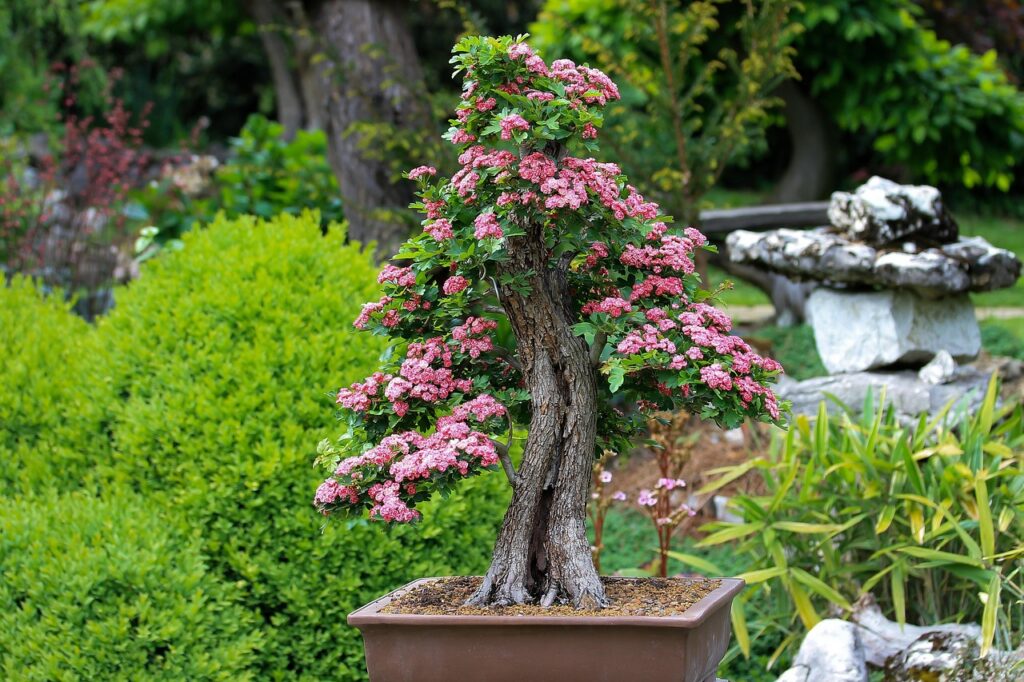
Bonsai pruning is very different from ordinary gardening. Bonsai trees require precision work on small branches, delicate shoots, roots, and foliage. Standard garden tools are often too large or aggressive for this type of detailed care.
Specialised bonsai tools are designed to create smooth and accurate cuts that heal more naturally. Cleaner cuts reduce stress on the tree and help maintain the visual appearance of branches and trunks over time.
Proper bonsai pruning tools also improve control during shaping work. This becomes especially important when working on mature bonsai trees with complex branch structures or detailed ramification.
Investing in quality tools early helps bonsai enthusiasts build better maintenance habits while protecting the long-term health of their trees.
Understanding the different pruning tools available
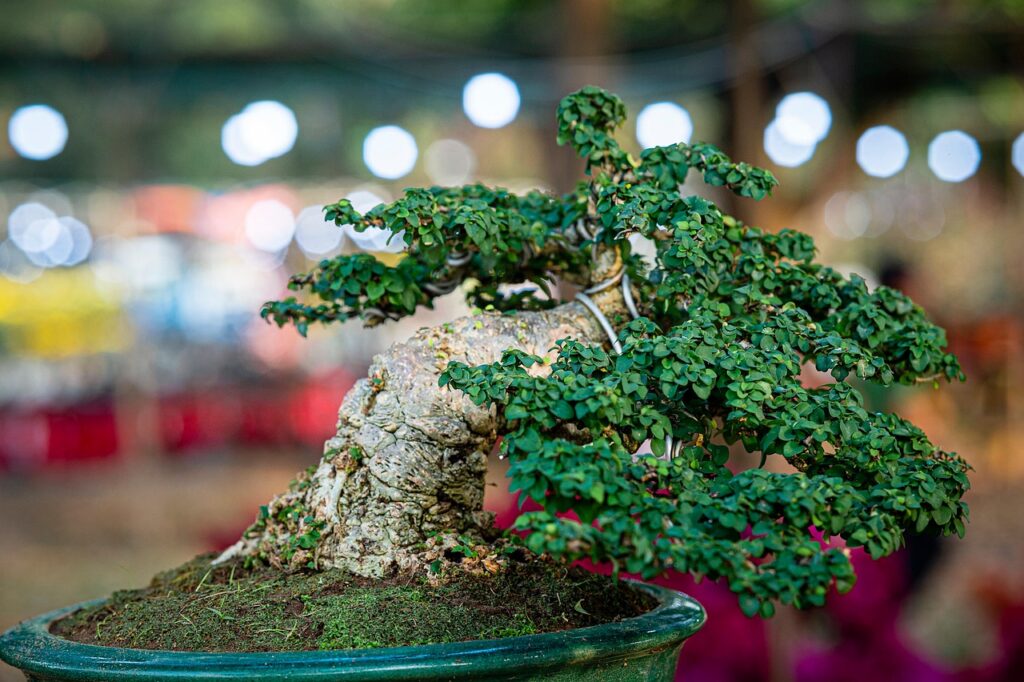
There are several types of pruning tools available for bonsai care, each designed for specific purposes. Beginners often purchase too many tools too quickly without understanding how each one is actually used.
Basic bonsai pruning usually starts with scissors or shears for trimming leaves and small shoots. Concave cutters are commonly used for removing branches because they create slightly hollow cuts that heal more smoothly and become less visible over time.
Knob cutters help remove thicker branch stubs cleanly, while root cutters are designed for root pruning during repotting. Some bonsai enthusiasts also use wire cutters specifically made for safely removing training wire without damaging branches.
Common bonsai pruning tools include:
- Bonsai scissors
- Trimming shears
- Concave cutters
- Knob cutters
- Root cutters
- Wire cutters
- Jin pliers
- Branch splitters
Understanding the role of each tool helps buyers avoid unnecessary purchases while building a more practical collection over time.
Evaluating material quality and durability
Tool quality has a major impact on performance and longevity. Cheap pruning tools may appear attractive initially, but they often become blunt quickly or develop rust problems that affect cutting performance.
High-carbon steel tools are popular because they hold sharp edges well and provide excellent cutting precision. Stainless steel tools offer improved rust resistance, making them ideal for humid climates or growers who prefer lower maintenance.
Buyers should also evaluate the construction quality, hinge strength, handle comfort, and blade alignment before purchasing. Poor alignment can damage branches instead of creating clean cuts.
Sharp, durable tools not only make pruning easier but also reduce strain on the hands during longer bonsai maintenance sessions.
Matching tools to your bonsai species and size
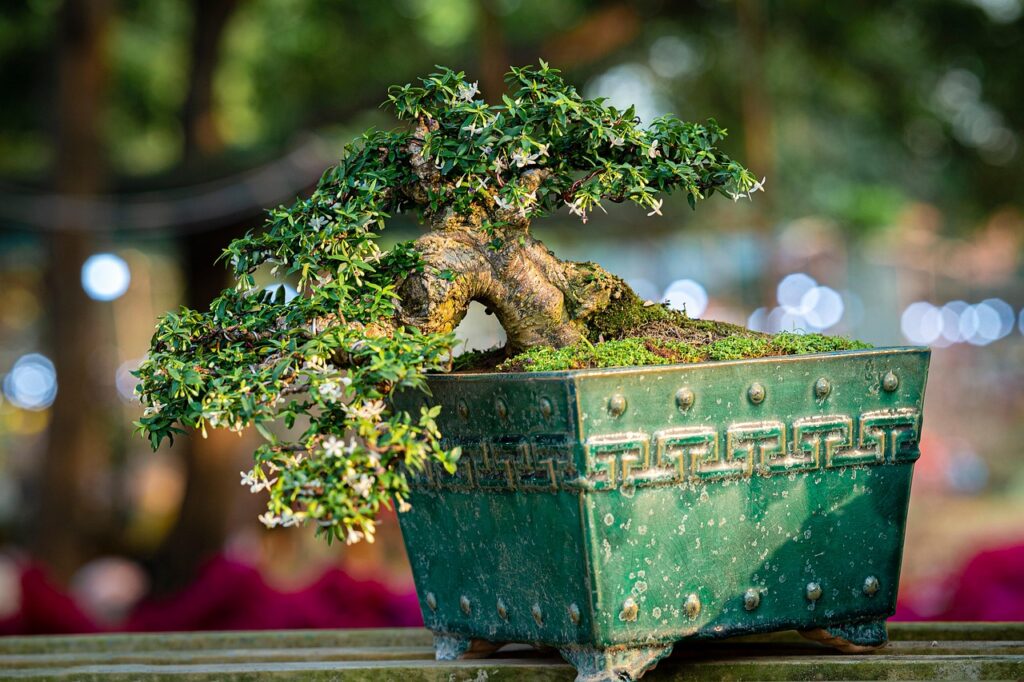
Not every bonsai tree requires the same type of tools. Tree species, branch thickness, growth style, and bonsai size all influence which pruning tools will work best.
Small bonsai species with delicate foliage may require lightweight scissors and precision trimming tools. Larger bonsai trees with thicker branches often need stronger concave cutters and heavier-duty branch tools.
Indoor bonsai species may require more regular fine pruning, while outdoor species sometimes demand stronger seasonal maintenance work. Buyers should consider the specific needs of their bonsai collection before investing heavily in specialised equipment.
Starting with a few versatile, high-quality tools is often more effective than purchasing large tool kits filled with rarely used items.
Caring for your bonsai pruning tools
Proper tool maintenance is essential for preserving performance and protecting bonsai trees from disease. Dirty or rusty tools can transfer bacteria and fungi between trees during pruning.
After each use, tools should be cleaned carefully to remove sap, dirt, and moisture. Many bonsai growers apply light oil to blades and hinges to reduce rust and maintain smooth operation.
Sharpening tools regularly also helps maintain clean cutting performance. Dull blades crush or tear branches rather than slicing cleanly, increasing stress on the tree.
Well-maintained pruning tools can last for many years and become one of the most valuable investments in a bonsai enthusiast’s collection.
Building the right bonsai toolkit over time
Buying the right pruning tools for your bonsai tree involves more than simply choosing the cheapest or most advanced options available. Understanding your tree species, pruning needs, tool quality, and maintenance requirements helps create a far more practical and effective bonsai toolkit.
Quality pruning tools improve precision, tree health, shaping control, and overall bonsai development. Starting with the right essentials allows enthusiasts to grow their collection naturally as their skills advance.
If you need bonsai pruning tools, supplies, or assistance sourcing the right equipment for your trees, contact us today and we will help you find suitable options for your bonsai journey.