
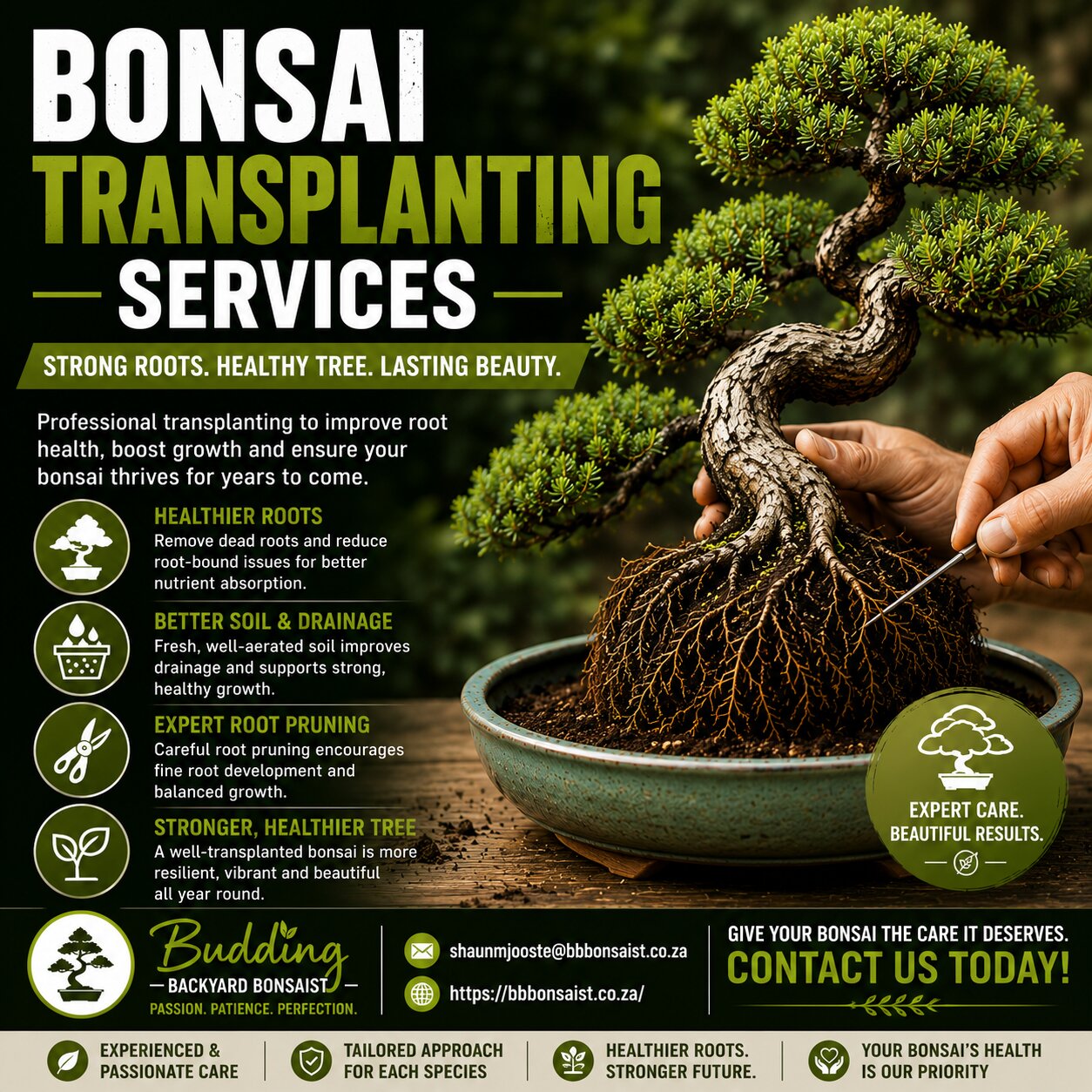
Bonsai transplanting services are essential for maintaining healthy root systems, improving drainage, and supporting long-term bonsai tree growth. Many bonsai trees eventually become root-bound inside their containers, making bonsai transplanting services necessary to restore balance between the roots, soil, and foliage.
Professional bonsai transplanting helps prevent compacted roots, poor nutrient absorption, waterlogging, and declining tree health. Without proper care, overcrowded roots can weaken a bonsai tree and reduce its ability to absorb water and nutrients efficiently.
At Budding Backyard Bonsaist, our bonsai transplanting is designed to improve root health while reducing stress on your bonsai tree during the transplanting process. Different bonsai species require different transplanting methods, soil mixtures, and recovery care depending on their age and growth cycle.
Whether your bonsai tree needs root pruning, fresh soil, or complete repotting, professional bonsai transplanting services can help restore vigour and support healthy long-term development.
Signs your bonsai tree may need bonsai transplanting services
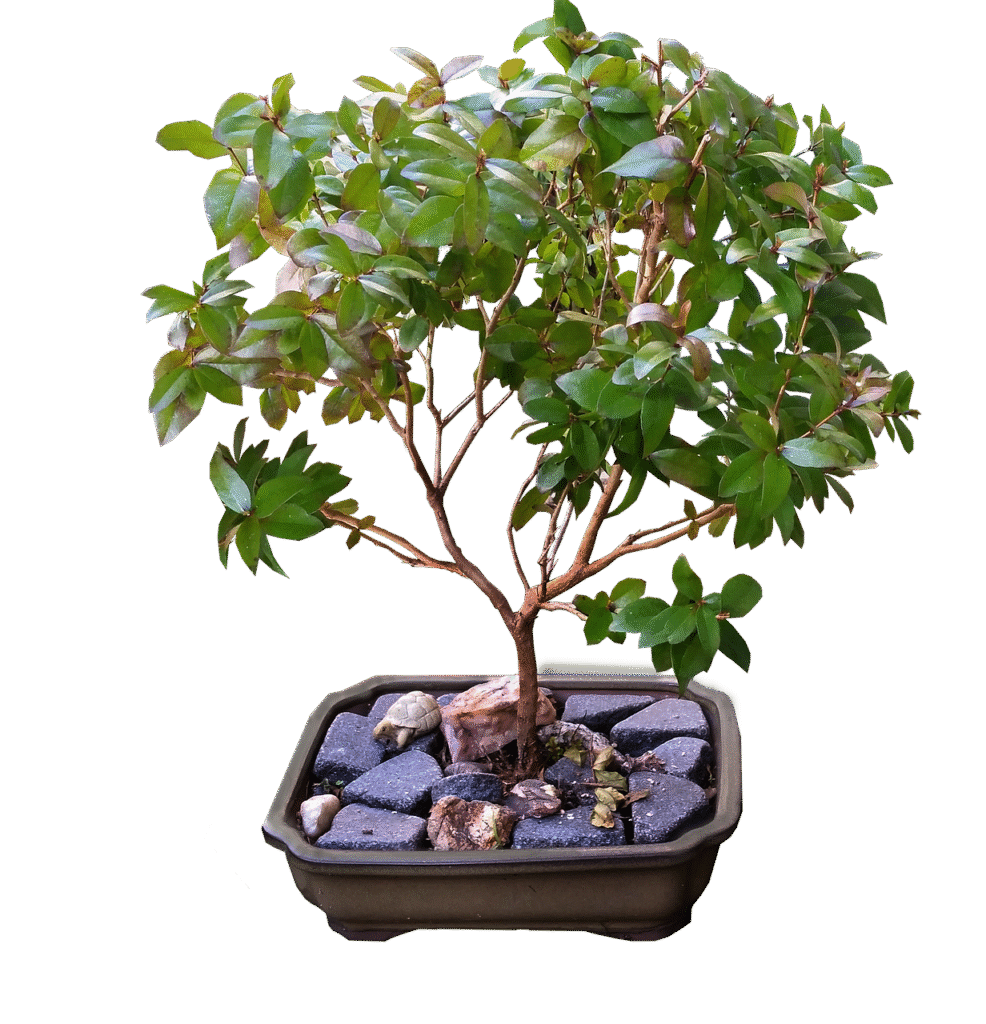
Several warning signs can indicate that a bonsai tree requires bonsai transplanting. One of the most common indicators is poor water drainage caused by compacted soil and overcrowded roots inside the pot.
A root-bound bonsai tree may struggle to absorb nutrients properly, leading to yellowing leaves, weak growth, and reduced foliage density. In some cases, roots may begin circling around the container or emerging from drainage holes.
Professional bonsai transplanting services can help identify these issues early before they cause permanent damage to the tree.
Common signs include:
- Roots growing through drainage holes
- Water draining too quickly or too slowly
- Compacted or old bonsai soil
- Weak branch or foliage growth
- Yellowing leaves or needle drop
- Reduced flowering or fruiting
- Root-bound containers
- Signs of root rot or declining health
Bonsai transplanting services can improve root structure, soil aeration, and moisture control while giving the tree a healthier environment for continued growth.
What happens during bonsai transplanting services
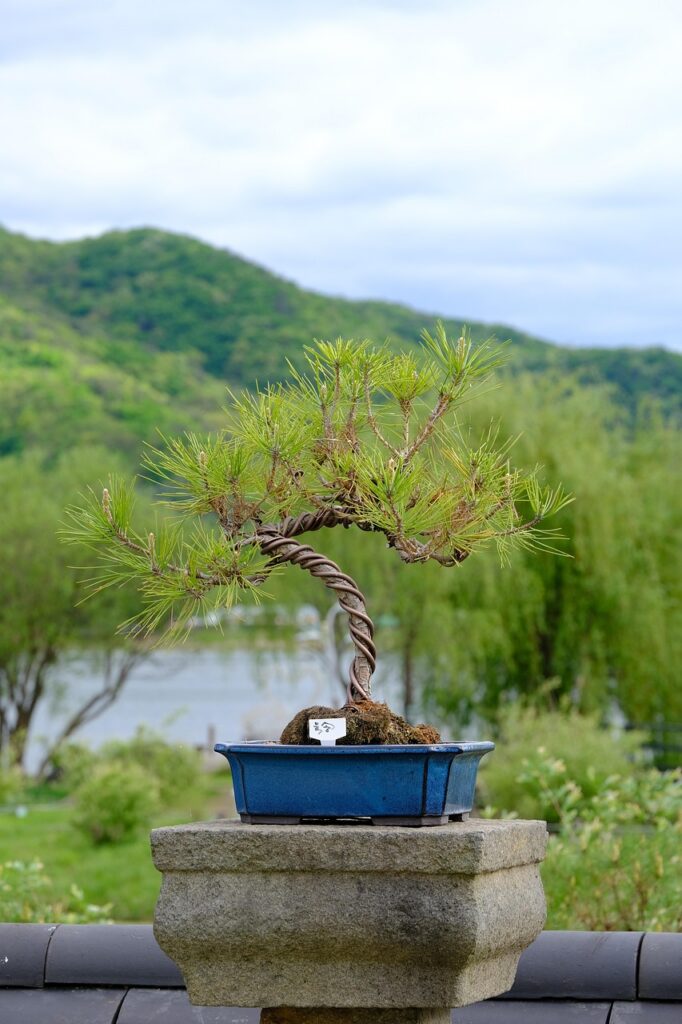
Professional bonsai transplanting services involve much more than simply moving a bonsai tree into a new container. The process requires careful root management, soil preparation, drainage improvement, and species-specific handling techniques.
During bonsai transplanting services, the bonsai tree is carefully removed from its pot and the roots are untangled and inspected. Dead, damaged, or excessively long roots are pruned to encourage healthier root development and improved nutrient absorption.
Fresh bonsai soil is then added based on the specific requirements of the tree species. Proper soil structure is critical for maintaining drainage, moisture retention, and airflow around the roots.
After transplanting, bonsai transplanting services also include guidance on recovery care. Watering schedules, sunlight exposure, and fertilising routines may need temporary adjustments while the bonsai tree recovers from root disturbance.
Different bonsai trees require different transplanting approaches
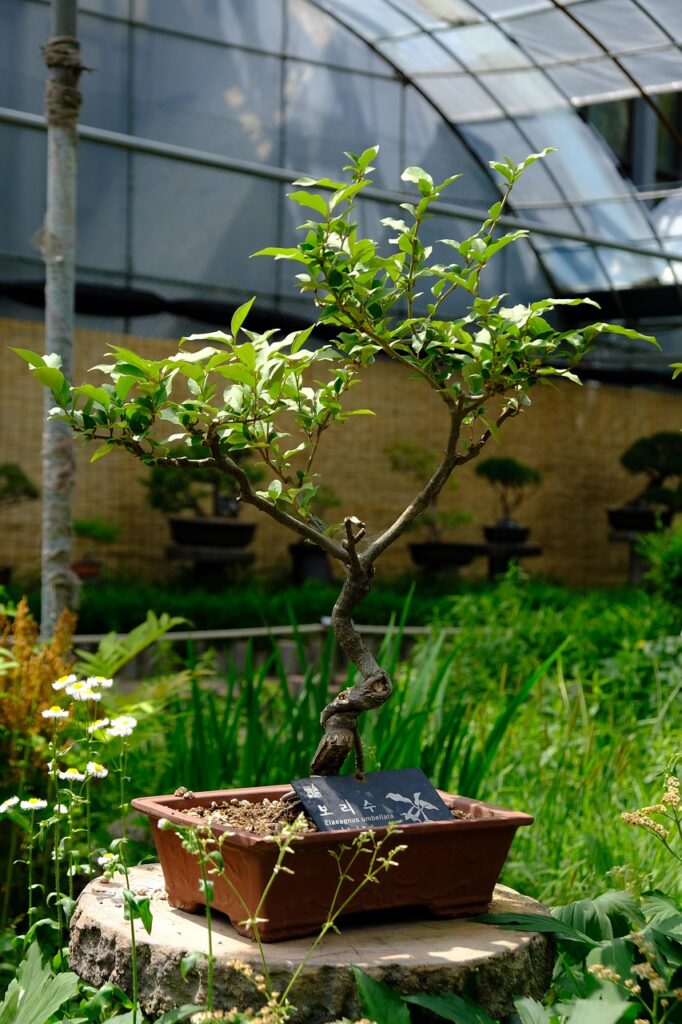
Not every bonsai tree responds to transplanting in the same way. Some species tolerate aggressive root pruning, while others require gentler bonsai transplanting services with minimal disturbance to the root system.
Fast-growing bonsai trees often require more frequent bonsai transplanting services compared to older mature specimens. Seasonal timing is also extremely important, as transplanting at the wrong time can increase stress and slow recovery.
Environmental conditions such as humidity, temperature, and local climate can also influence transplanting success. Professional bonsai transplanting services help reduce these risks by ensuring each bonsai tree receives the appropriate care and handling techniques.
Using the correct soil mix, pruning method, and recovery strategy can make a major difference in how quickly a bonsai tree stabilises after transplanting.
Professional bonsai transplanting services for long-term tree health
Healthy roots are the foundation of every successful bonsai tree, and professional bonsai transplanting services play a critical role in maintaining that foundation. Proper transplanting improves nutrient absorption, drainage, root growth, and overall tree stability.
At Budding Backyard Bonsaist, we provide bonsai transplanting services tailored to the unique needs of each bonsai species. Whether your bonsai requires root pruning, soil replacement, repotting, or recovery care, we can help your tree regain strength and continue thriving.
Contact Budding Backyard Bonsaist today if your bonsai tree is showing signs of root stress, declining health, or overcrowded growth, and let our bonsai transplanting services help protect your bonsai for years to come.