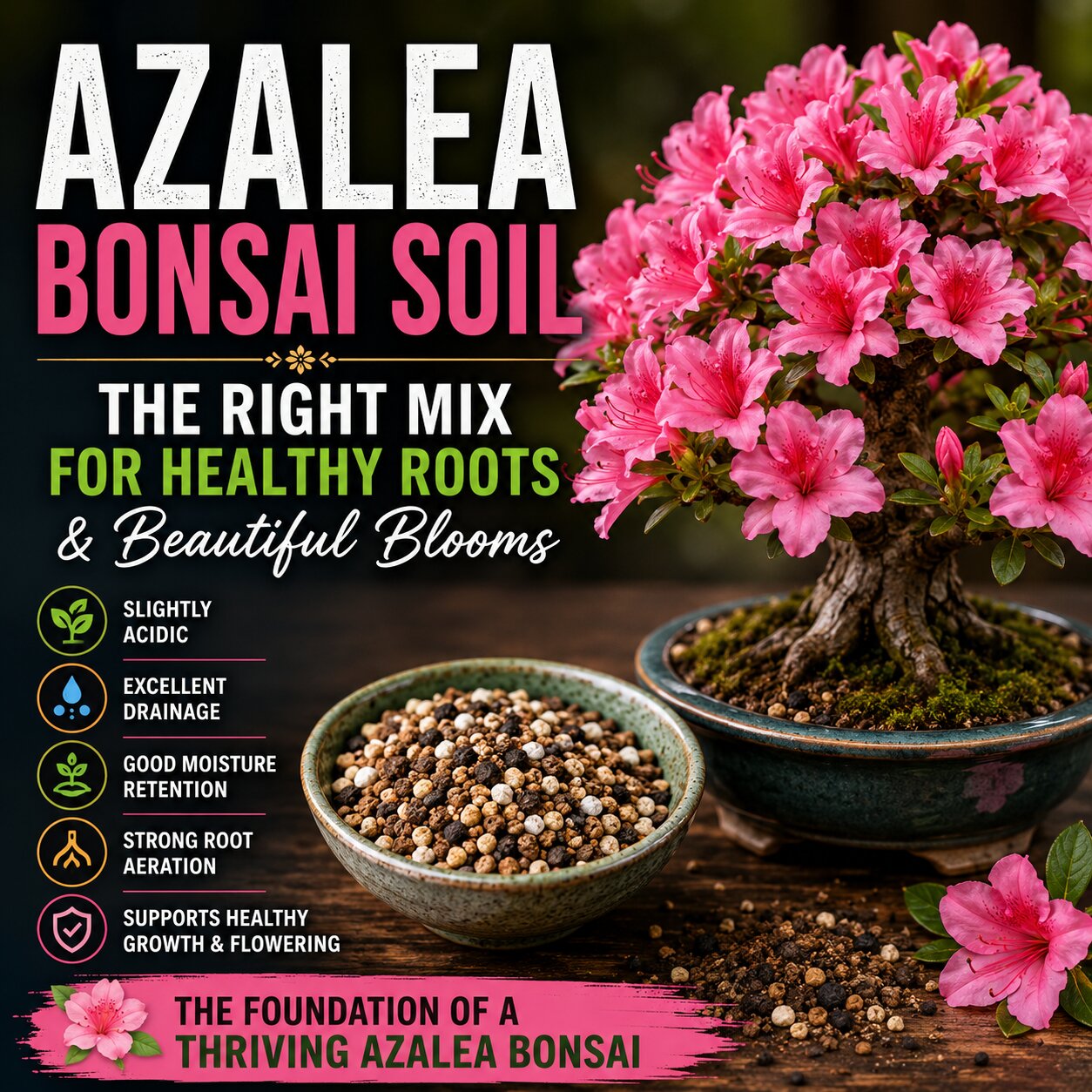
Azalea bonsai soil is one of the most important factors in growing a healthy, vibrant bonsai. While watering, pruning and fertilising all contribute to a tree’s success, the soil provides the foundation that supports root development and overall health. Unlike many other bonsai species, azaleas prefer an acidic growing medium that retains moisture without becoming waterlogged. Choosing the correct soil helps encourage vigorous growth, abundant flowering and a strong root system that can support the tree for many years.
Whether you are new to bonsai or have been cultivating azaleas for decades, understanding the role of the right soil mix can make a significant difference.
Why Azaleas Have Unique Soil Requirements
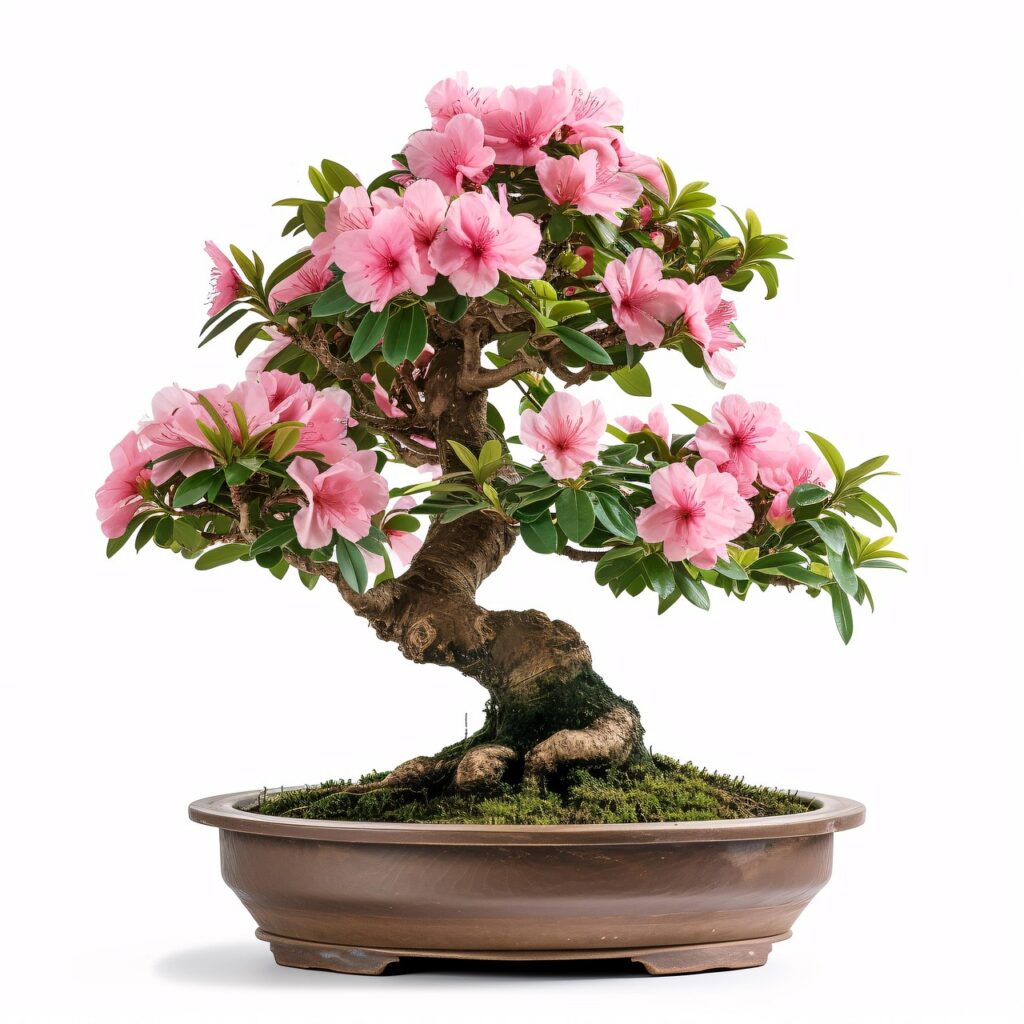
Azaleas belong to the Rhododendron family and naturally grow in woodland environments where the soil is rich in organic matter and slightly acidic. Their fine, delicate roots have evolved to thrive in these conditions and can struggle if planted in unsuitable growing media.
Heavy garden soil often compacts over time, reducing airflow around the roots and preventing water from draining properly. This creates an environment where root rot and fungal diseases are more likely to develop.
On the other hand, soil that drains too quickly may not retain enough moisture for an azalea, causing the roots to dry out during warmer weather. The ideal Azalea bonsai soil balances drainage, aeration and moisture retention while maintaining an acidic pH.
The Gold Standard: Kanuma Soil
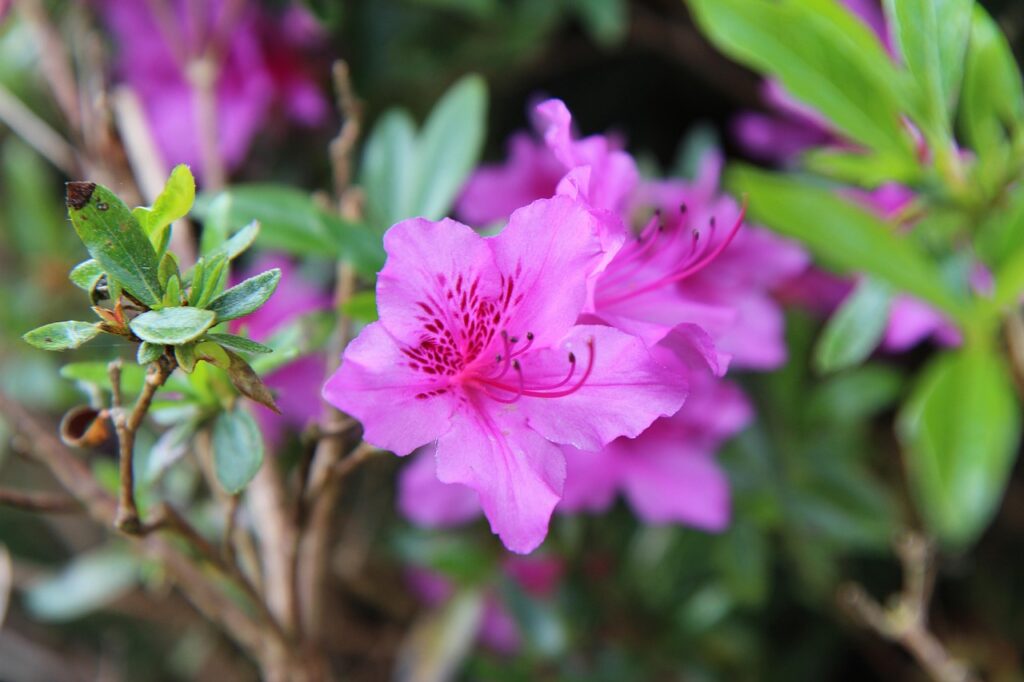
When discussing azalea bonsai soil, one material is mentioned more than any other: kanuma.
Kanuma is a soft, volcanic substrate sourced in Japan that has become the preferred growing medium for azaleas. Its naturally acidic properties make it particularly well suited to the needs of Rhododendron species, while its porous structure provides excellent drainage and airflow.
Another advantage of kanuma as Azalea bonsai soil is its ability to retain sufficient moisture without remaining permanently saturated. This creates a healthy environment where fine feeder roots can develop and absorb nutrients efficiently.
Although kanuma gradually breaks down over several years, regular repotting ensures the soil structure remains suitable for continued growth.
Alternatives to Kanuma
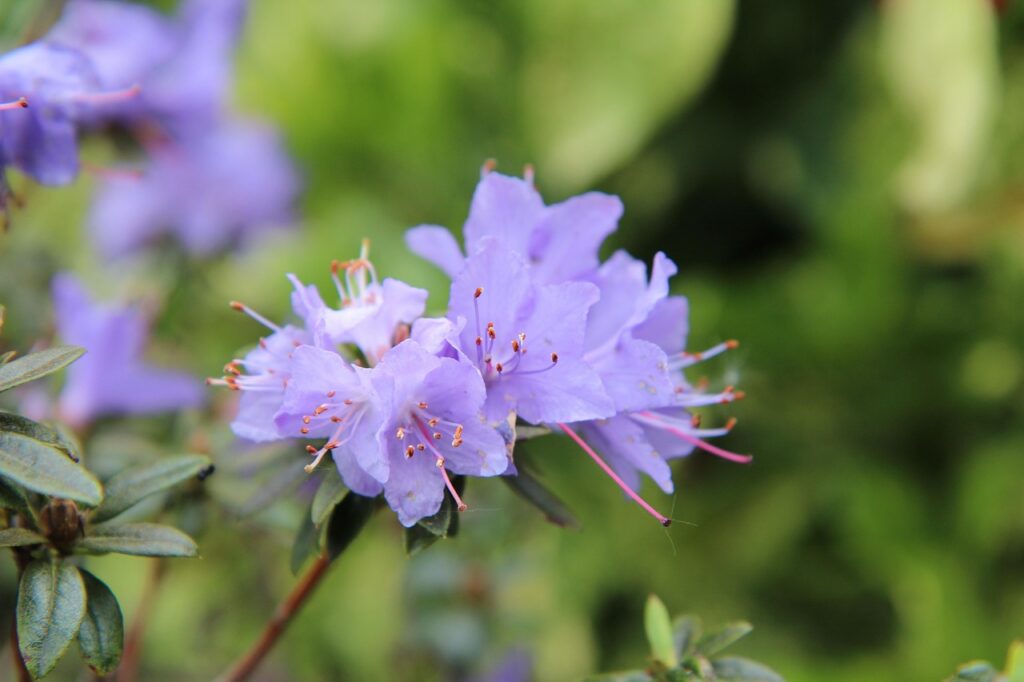
Kanuma is widely regarded as the best choice for Azalea bonsai soil, but it is not always readily available in every country. Fortunately, suitable alternatives can still produce excellent results when carefully selected.
Many growers create custom bonsai mixes using free-draining materials combined with components that help maintain a slightly acidic environment. The exact blend often depends on local climate conditions, watering habits and the age of the tree.
When choosing an alternative, avoid dense soils that remain wet for long periods or highly alkaline materials that may interfere with nutrient uptake.
Observing how quickly your bonsai dries after watering can help you fine-tune the soil mix to suit your environment.
Characteristics of Good Azalea Bonsai Soil
Regardless of the specific ingredients used, an effective azalea bonsai soil should provide several important qualities:
- Slightly acidic pH
- Excellent drainage
- Good moisture retention
- Strong root aeration
- Stable soil structure
- Minimal compaction over time
- Consistent particle size
- Support for healthy feeder root development
These characteristics work together to create an environment where azaleas can establish vigorous root systems while remaining healthy throughout the growing season.
Caring for Your Soil Over Time
Even the highest-quality bonsai soil changes as the years pass. Watering, root growth and natural decomposition gradually reduce air spaces within the growing medium, making repotting an essential part of long-term care.
Most azalea bonsai benefit from periodic repotting, allowing old soil to be replaced before it becomes overly compacted. This is also an excellent opportunity to inspect the root system, remove unhealthy roots and encourage fresh growth.
Regular observation is equally important. If water begins pooling on the surface or draining unusually slowly, the soil may be breaking down and approaching the point where replacement is needed.
Build the Perfect Foundation for Your Azalea
Beautiful flowers and healthy foliage begin below the surface. By choosing the right azalea bonsai soil, you provide the ideal conditions for healthy roots, efficient nutrient uptake and steady growth throughout the year.
Whether you use traditional kanuma or a carefully prepared alternative, investing in a high-quality growing medium is one of the best decisions you can make for your bonsai. With the proper foundation in place, your azalea will reward you with stronger growth, improved health and stunning displays of blooms season after season.