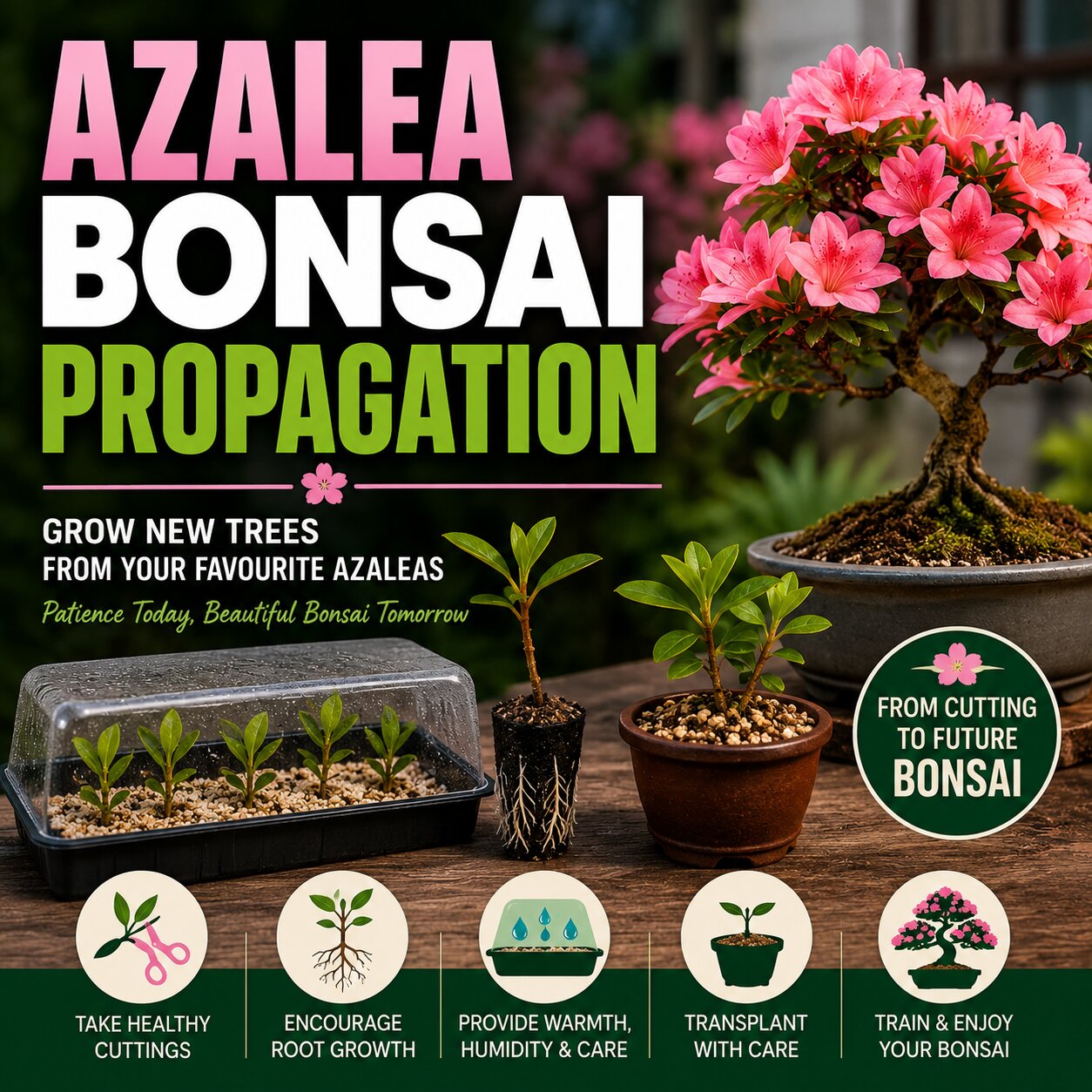
One of the most rewarding aspects of bonsai is creating new trees from healthy, established specimens. Azalea bonsai propagation allows enthusiasts to expand their collection, preserve desirable varieties, and develop future bonsai from plants they already know and enjoy. While propagation requires patience, it can be a satisfying way to deepen your understanding of azalea cultivation.
Azaleas are among the most popular flowering bonsai species thanks to their vibrant blooms, attractive foliage, and ability to develop beautiful branch structures. With the right techniques and care, many growers successfully propagate new azalea plants that can eventually become impressive bonsai.
Why Propagate an Azalea Bonsai?
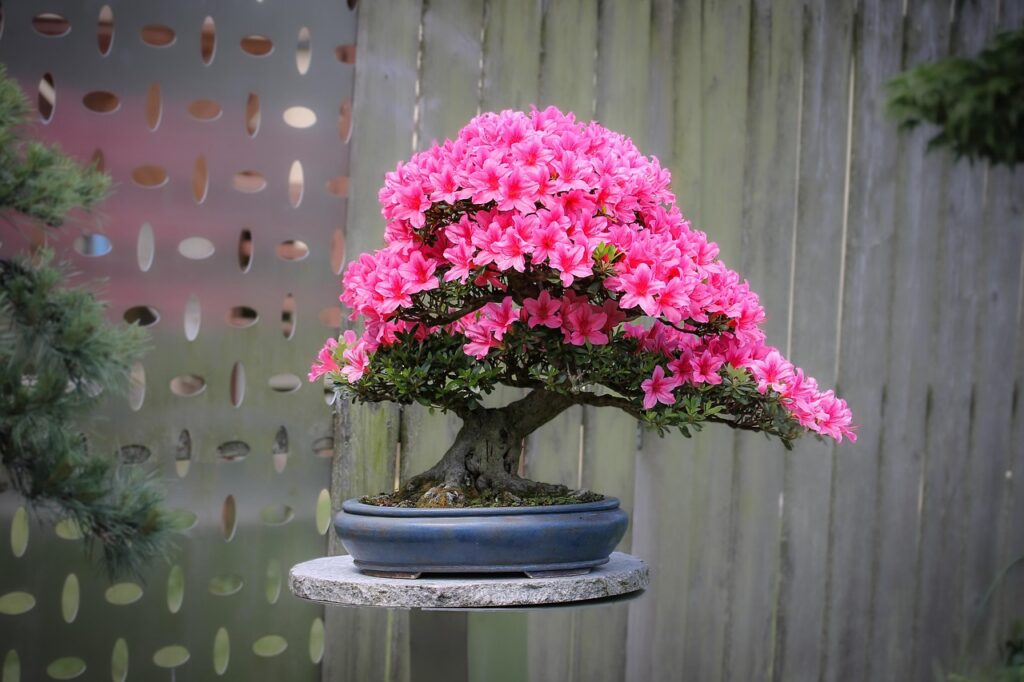
There are several reasons to explore azalea bonsai propagation.
Propagation allows you to reproduce a favourite tree with desirable flower colour, growth habit, or overall health. It also provides replacement trees should an older bonsai decline over time and offers an affordable way to increase your collection without purchasing additional nursery stock.
For many bonsai enthusiasts, propagation is also an enjoyable learning experience that provides insight into the complete lifecycle of these beautiful plants.
Common Azalea Bonsai Propagation Methods
Several techniques can be used for azalea bonsai propagation, although some are more practical than others for hobbyists.
- Softwood cuttings
- Semi-hardwood cuttings
- Air layering
- Seed propagation
- Nursery-grown propagation material
Softwood cuttings are often considered the most reliable and efficient method for producing plants that remain genetically identical to the parent tree.
Taking Healthy Cuttings
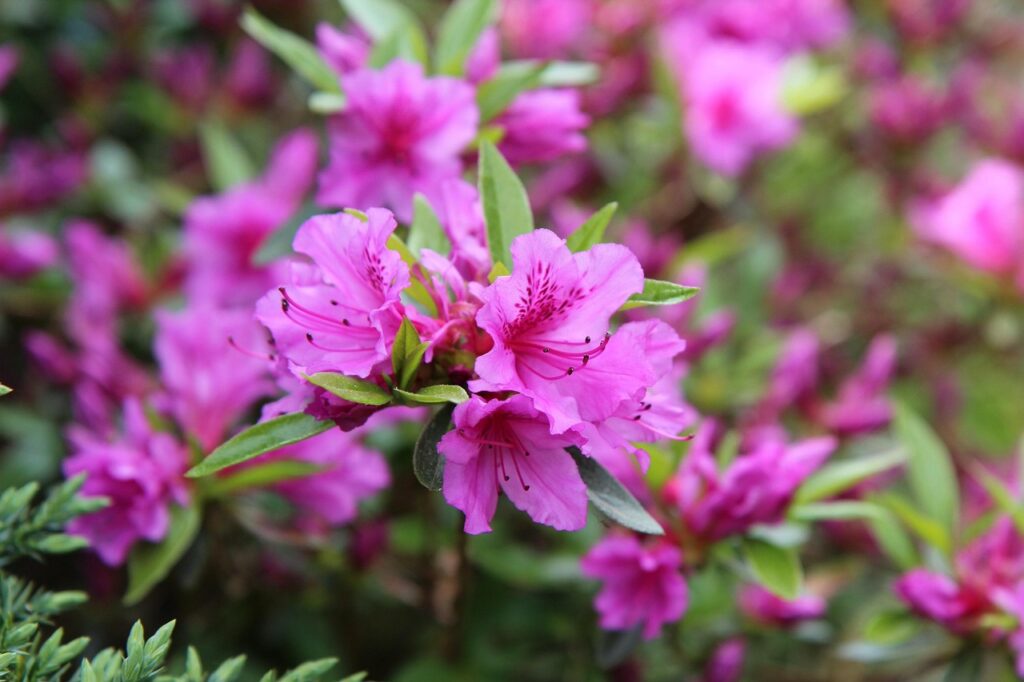
Successful propagation begins with healthy source material.
Select vigorous shoots from a disease-free azalea during the active growing season. The cuttings should be firm enough to handle but not fully woody. Remove flowers and excess leaves to reduce moisture loss while encouraging root development.
Using clean, sharp tools helps minimise stress and reduces the risk of introducing disease to both the parent plant and the cutting.
Creating the Right Growing Environment
Fresh cuttings require consistent moisture, warmth, and humidity while new roots develop.
A well-draining propagation medium allows oxygen to reach developing roots while preventing excessive water retention that may encourage rot. Many growers use humidity domes or propagation trays to maintain stable conditions during the rooting period.
Bright, indirect light is generally preferable, as strong direct sunlight may stress young cuttings before they establish themselves.
Patience Is Essential
One of the most important lessons in azalea bonsai propagation is patience.
Root development takes time, and not every cutting will succeed. Avoid disturbing new cuttings unnecessarily while monitoring moisture levels carefully. Once healthy roots have formed, the young plants can gradually be introduced to normal growing conditions before eventually being transplanted into suitable bonsai training containers.
Developing a mature bonsai from propagated material may take several years, but the long-term rewards are often well worth the effort.
Growing Future Bonsai with Confidence
Successful azalea bonsai propagation gives enthusiasts the opportunity to cultivate future bonsai while preserving the qualities they admire most in their existing trees. With careful preparation, proper aftercare, and patience, propagated azaleas can become healthy specimens ready for years of training and refinement.
At Budding Backyard Bonsaist, we share practical guidance to help bonsai enthusiasts develop their skills at every stage of the journey. Whether you are learning propagation, styling, watering, pruning, or seasonal care, our goal is to help you grow healthier, more beautiful bonsai with confidence.