

If pruning is the art of shaping through subtraction, then wiring is the art of guiding through precision. For bonsai enthusiasts, learning the proper technique of wiring a bonsai tree is one of the most rewarding steps in cultivating living art. It’s how you turn raw growth into elegant form, creating those graceful curves, balanced canopies, and flowing lines that define a mature bonsai.
While the process may look intimidating at first, wiring is not about forcing branches into shape. It’s about gentle persuasion, using carefully placed tension to direct growth over time. With the right tools, patience, and understanding of your tree’s rhythm, you can achieve natural, flowing movement that enhances the beauty and structure of your bonsai.
In this guide, we’ll explore why wiring matters, which tools you’ll need, how to wire correctly, and how to care for your tree after the process, ensuring every twist of wire leads to stunning, healthy results.
Table of Contents
Why wiring matters in bonsai training
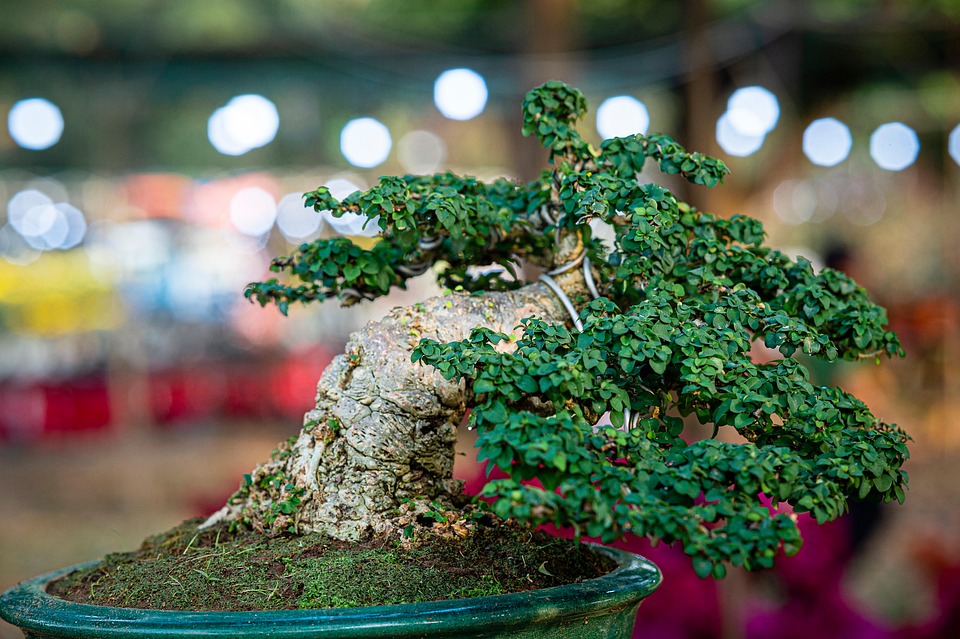
Wiring is one of the most important techniques in bonsai training. It gives you control over a tree’s design, allowing you to position branches exactly where you want them and achieve harmony between structure and style. By wiring a bonsai tree, you can create balance between strength and grace, transforming young, straight branches into flowing lines that look naturally aged.
This process isn’t just aesthetic; it’s also developmental. Proper wiring encourages even light distribution across all branches, helping inner growth thrive instead of dying off in shaded areas. It also builds structural stability, ensuring the tree develops in a balanced, symmetrical way.
Wiring lets you mimic the patterns of nature: the way wind shapes branches, the way light draws them upward, the way time softens harsh angles. When done right, the result feels organic: a tree sculpted by nature itself, not by human hands. That is the true artistry behind wiring a bonsai tree.
Tools you’ll need before wiring a bonsai tree
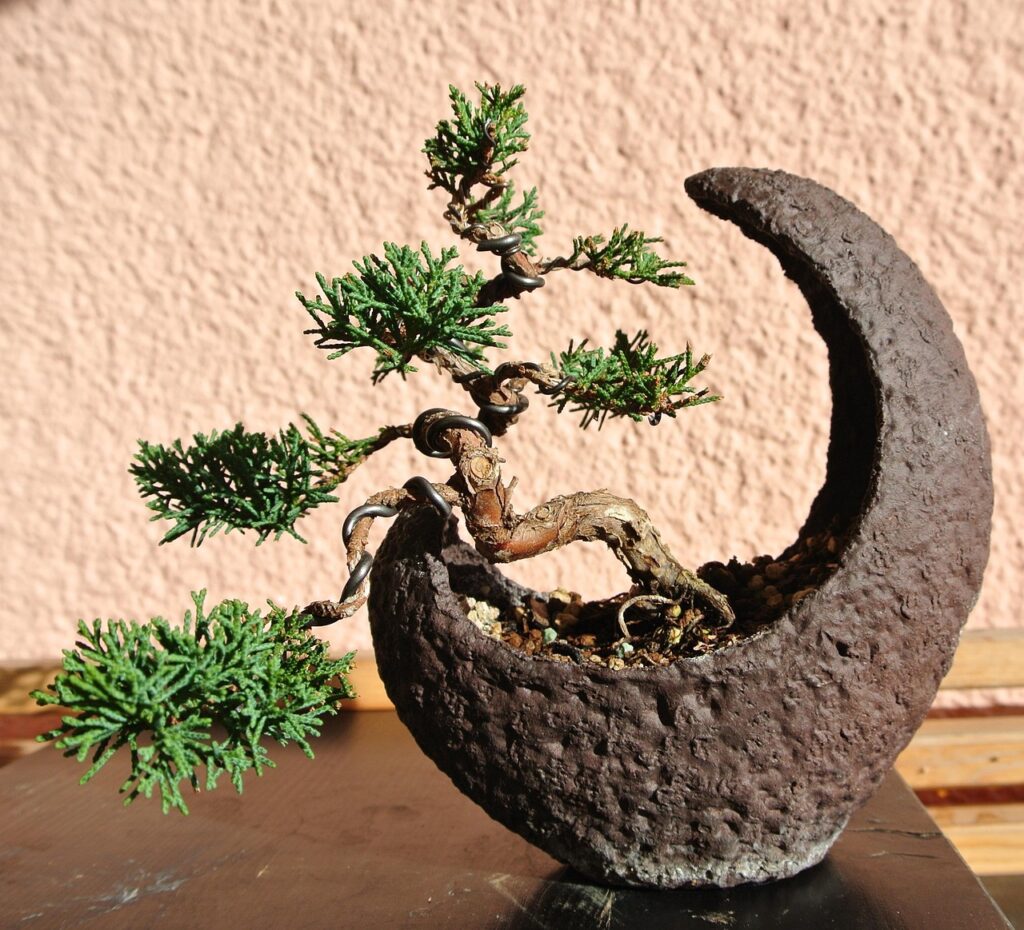
Before you begin, gather the right tools to make the process safe and precise. Using proper equipment helps you avoid damaging delicate branches and ensures the wire holds its shape without cutting into the bark.
1. Bonsai wire:
There are two main types: aluminium wire and copper wire. Aluminium is softer and easier to bend, making it ideal for beginners and deciduous trees. Copper wire, however, is stronger and holds its shape better, which makes it perfect for conifers such as pines and junipers. Whichever you choose, make sure the wire thickness is about one-third the diameter of the branch you’re wiring.
2. Wire cutters:
These are essential for cleanly snipping the wire without damaging the wood underneath. Regular pliers can crush the bark, so invest in bonsai-specific cutters.
3. Pliers:
Round-nose bonsai pliers are ideal for bending thicker wire with precision when wiring a bonsai tree.
4. Gloves:
Thin, flexible gardening gloves give you grip while protecting your hands from wire abrasion.
5. Patience:
Above all, wiring a bonsai tree requires patience. Rushing the process or applying too much pressure can easily snap branches or cause long-term scars.
Before you start, inspect your bonsai. Wiring a bonsai is best done when the tree is in its dormant or semi-dormant season, usually autumn or early spring, when branches are less brittle and growth can be guided without excessive stress.
Step-by-step guide to wiring a bonsai tree
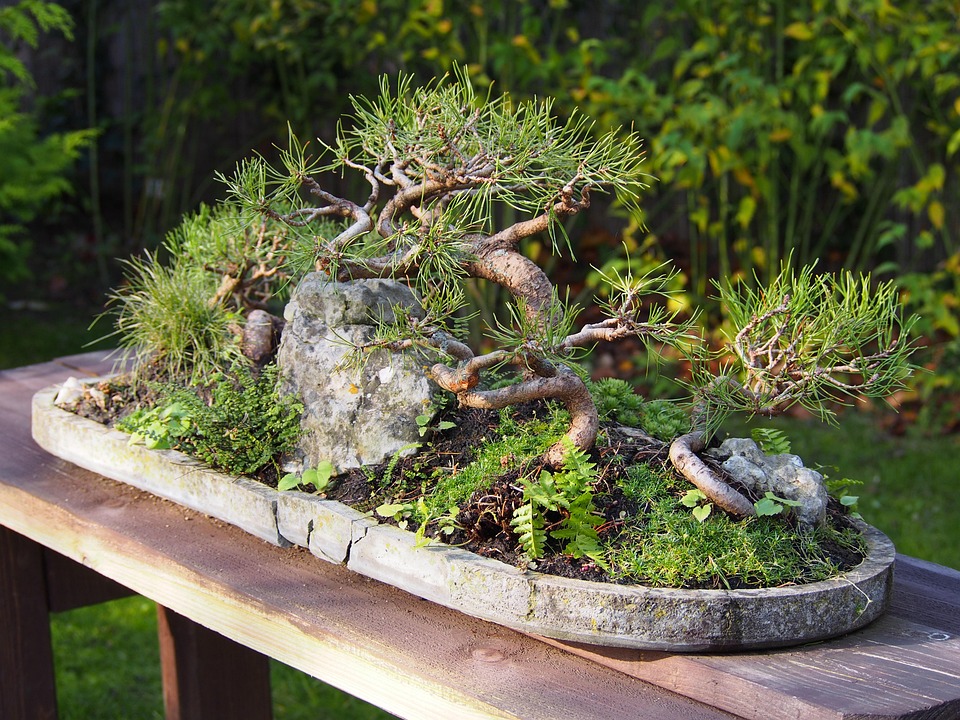
Wiring may seem like a single task, but it’s a series of delicate, mindful movements. Each turn of the wire and bend of the branch builds upon the next, gradually shaping the tree into harmony.
Step 1: Plan your design
Visualise the structure you want before you start wiring. Identify which branches need repositioning and decide whether to wire single branches or pairs. Wiring opposite branches together often provides better anchorage and control.
Step 2: Choose the right wire thickness
Use wire that’s about one-third the thickness of the branch. Too thin, and it won’t hold; too thick, and you risk damaging the bark. Aluminium wire is more forgiving for beginners, while copper offers firmer support for advanced stylists.
Step 3: Anchor the wire
Always start by anchoring the wire around the trunk or a stable branch to secure your base. This prevents movement while you wrap. If wiring two branches, start in the middle and spiral outward in opposite directions.
Step 4: Wrap at a 45-degree angle
Gently wrap the wire around the branch at roughly a 45-degree angle, keeping even spacing between each coil. This provides support without restricting sap flow. Avoid overlapping the wire or leaving large gaps: both can cause instability.
Step 5: Bend slowly and carefully
Once wrapped, begin bending the branch in small increments. Never twist the wire or apply sharp pressure. Use your fingers, not just your wrist, to guide the motion, feeling the natural resistance of the wood. The goal is to reposition the branch gradually, not force it into place.
Step 6: Observe and adjust
Once all target branches are wired, step back and assess the shape. Adjust only where necessary: overworking can stress the tree. You’ll know you’ve succeeded when your design looks effortless, as though the tree simply grew that way.
By following these steps, you’re not just wiring a bonsai tree; you’re collaborating with it, guiding its growth without overpowering its natural beauty.
Common mistakes to avoid when wiring a bonsai
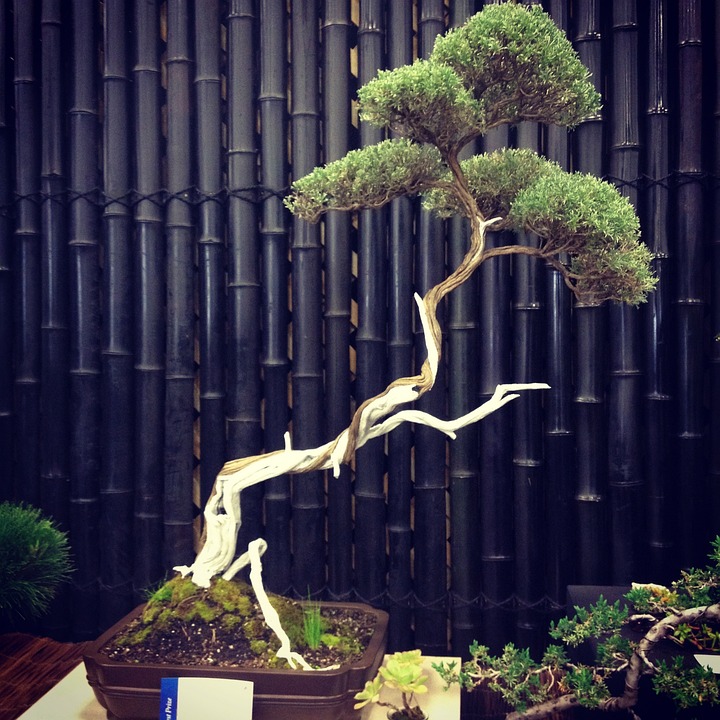
Even experienced enthusiasts make mistakes when wiring a bonsai tree. Knowing what to avoid can save you months of recovery time and keep your tree in perfect health.
1. Wrapping too tightly: Tight coils can cut into the bark, restricting nutrient flow and leaving scars. Aim for firm but gentle contact: enough to hold, never to strangle.
2. Wiring too early or too late: New growth may be too soft to hold shape, while mature wood may be too rigid. Always wire during the appropriate season for your species.
3. Ignoring wire marks: As branches grow, wire can begin biting into the bark. Regularly check your tree every few weeks and remove the wire before this happens.
4. Using the wrong wire type: Aluminium and copper behave differently. Using soft wire on stiff conifers or hard wire on tender saplings often leads to poor results or breakage.
5. Rushing the process: Take your time. Wiring is an exercise in patience and focus. Each branch deserves attention and a gentle touch.
Learning from these mistakes is part of every bonsaist’s journey. Each tree teaches you something new about balance, timing, and restraint.
Aftercare once your bonsai is wired

Once the wiring is complete, aftercare becomes crucial. The real shaping occurs over the following months, as the branches slowly set in their new positions.
Water and fertilise your tree normally, but keep a close eye on the wired areas. Inspect the branches every two to three weeks to ensure the wire isn’t biting into the bark. In the growing season, you may need to remove it sooner than expected.
When removing wire, never unwind it; this can damage the bark and undo your careful work. Instead, use wire cutters to snip each loop individually, gently pulling pieces away without disturbing the branch.
After the wire is removed, your bonsai may need a rest period. Avoid heavy pruning or repotting immediately afterward. Let the tree recover and observe how the new structure holds. Over time, you’ll find that certain branches need rewiring, while others have naturally adopted the desired shape. That’s part of the long-term evolution that makes bonsai so rewarding.
Growing artistry through wiring
In the end, wiring a bonsai tree is as much about discipline as it is about creativity. Each turn of wire teaches patience, precision, and respect for nature’s pace. It’s not simply about shaping branches — it’s about shaping your own understanding of growth and balance.
As you gain experience, you’ll learn to see beyond the wire. You’ll start visualising shapes before they exist, sensing how each branch wants to move and how far it’s willing to go. That intuitive connection between bonsaist and tree is what transforms a simple plant into living art.
If you’re just starting your journey or refining your technique, take your time with wiring. Treat it as a meditation, not a task. Observe, adjust, and most of all; enjoy the process.
At Budding Backyard Bonsaist, we believe that every wire laid with care is a step toward mastery. Whether you’re working with a small ficus or a majestic juniper, patience and practice will guide you to perfection: one gentle bend at a time.