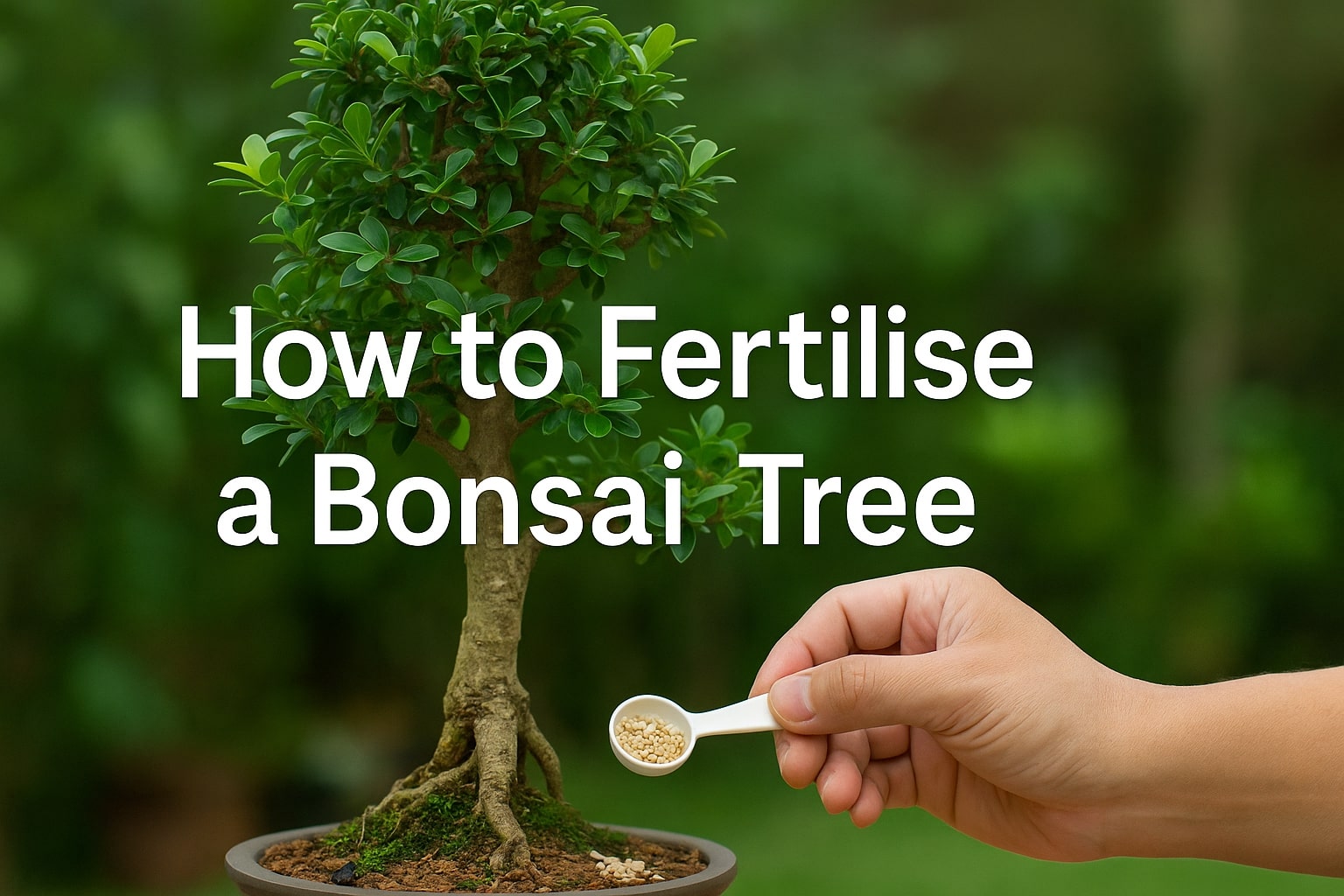
When it comes to bonsai care, fertilising a bonsai tree is one of the most vital yet often overlooked steps. These miniature trees rely on a delicate balance of nutrients to maintain their health, shape, and longevity. Unlike garden trees that spread their roots deep into the soil to find nourishment, bonsai trees are confined to small containers, which means they depend entirely on you for their food supply.
Table of Contents
Why is fertilising a bonsai tree essential for its health?
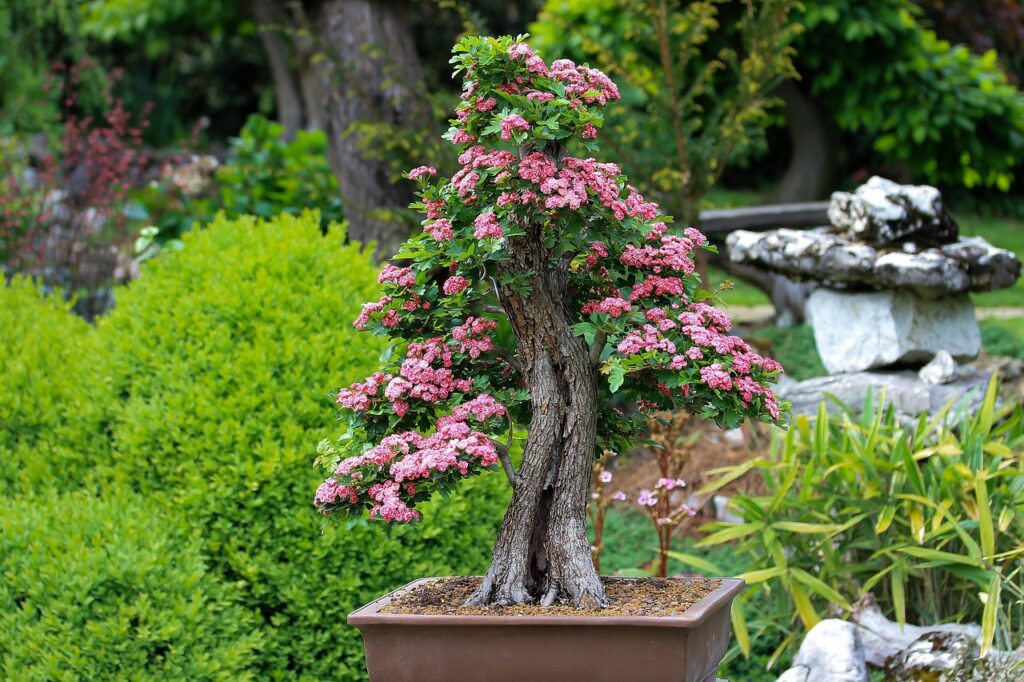
Every time you water your bonsai, nutrients are slowly washed out of the soil. Over time, this leaves the tree with limited access to the minerals it needs to grow strong and vibrant. Fertilising replenishes these essential nutrients, helping your bonsai maintain healthy leaves, a robust root system, and steady growth throughout the seasons.
Proper fertilising a bonsai tree also enhances its resistance to disease and environmental stress. Without sufficient feeding, new shoots may appear weak, leaves may yellow or drop prematurely, and the tree may lose its overall vitality. In essence, fertiliser is what keeps your bonsai thriving year after year.
Choosing the right fertiliser for your bonsai
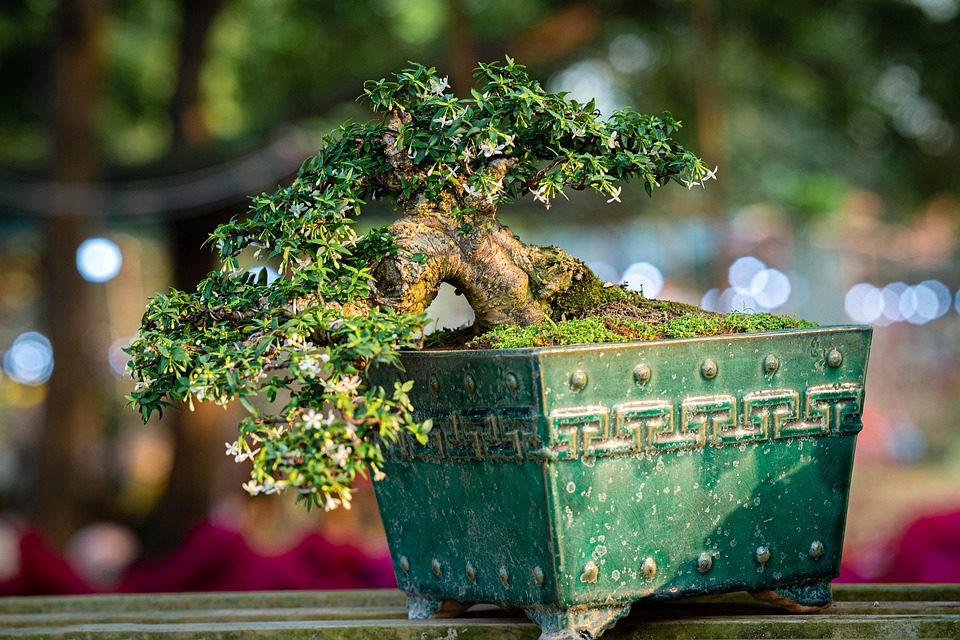
There are countless fertilisers available, but not all are suitable for bonsai. Generally, a balanced fertiliser containing nitrogen (N), phosphorus (P), and potassium (K), often listed as an NPK ratio, is ideal. Nitrogen supports leaf growth, phosphorus strengthens roots and flowers, while potassium boosts overall health and disease resistance.
When fertilising a bonsai tree, many enthusiasts prefer organic options like fish emulsion, seaweed extract, or compost tea for slow, natural feeding. Chemical fertilisers can work well too, especially if applied carefully according to instructions. Just remember: more is not always better. Over-fertilising can burn the roots and damage your bonsai’s delicate ecosystem.
Seasonal feeding: knowing when to fertilise
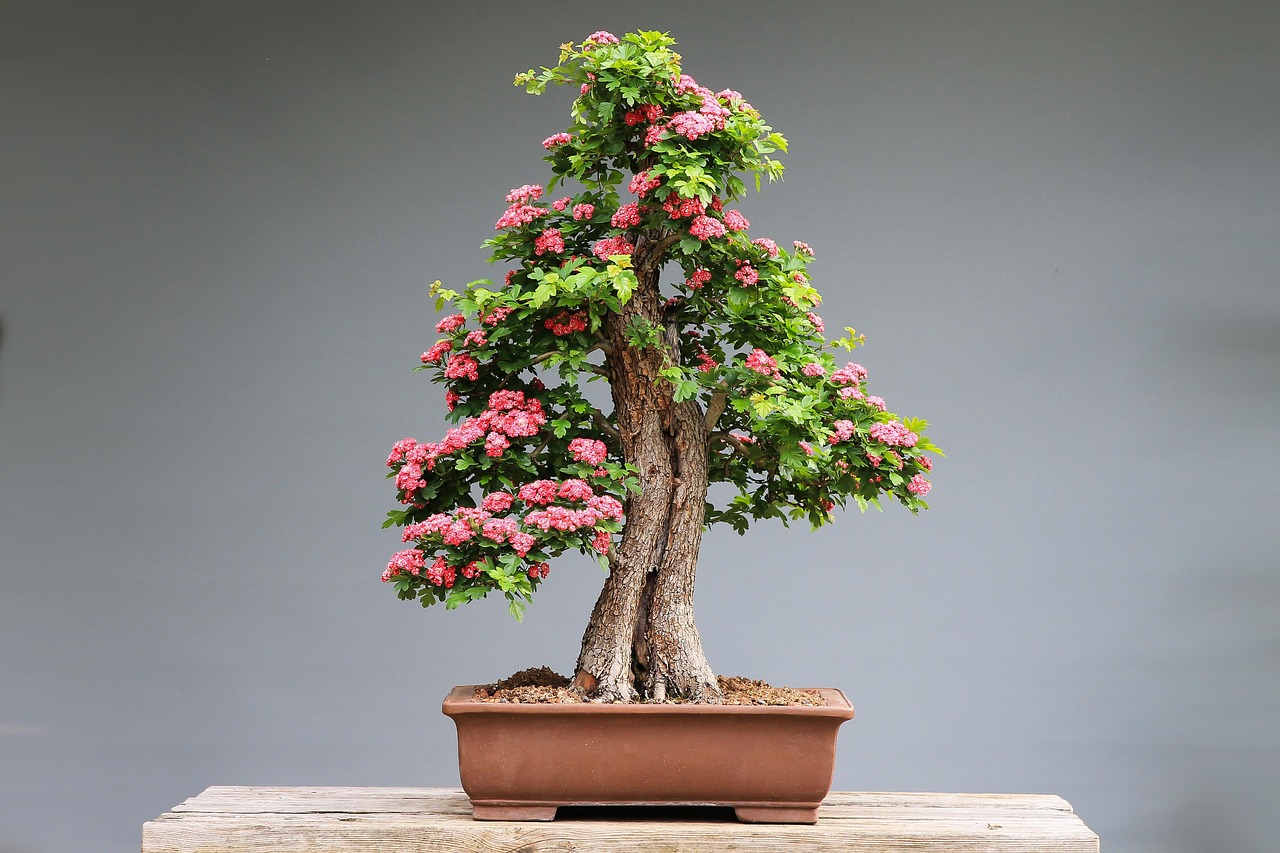
Timing is everything. Most bonsai trees need feeding from early spring to late autumn, when they are actively growing. During winter dormancy, fertilising should stop or be reduced, as the tree’s metabolic processes slow down and it won’t absorb nutrients efficiently.
For outdoor bonsai, this means adjusting your feeding schedule according to local weather conditions. Indoor bonsai, however, may need light fertilising year-round since they don’t experience the same seasonal dormancy. Keeping a consistent routine for fertilising a bonsai tree helps you stay in tune with its growth patterns.
Liquid, solid, or slow-release fertiliser?
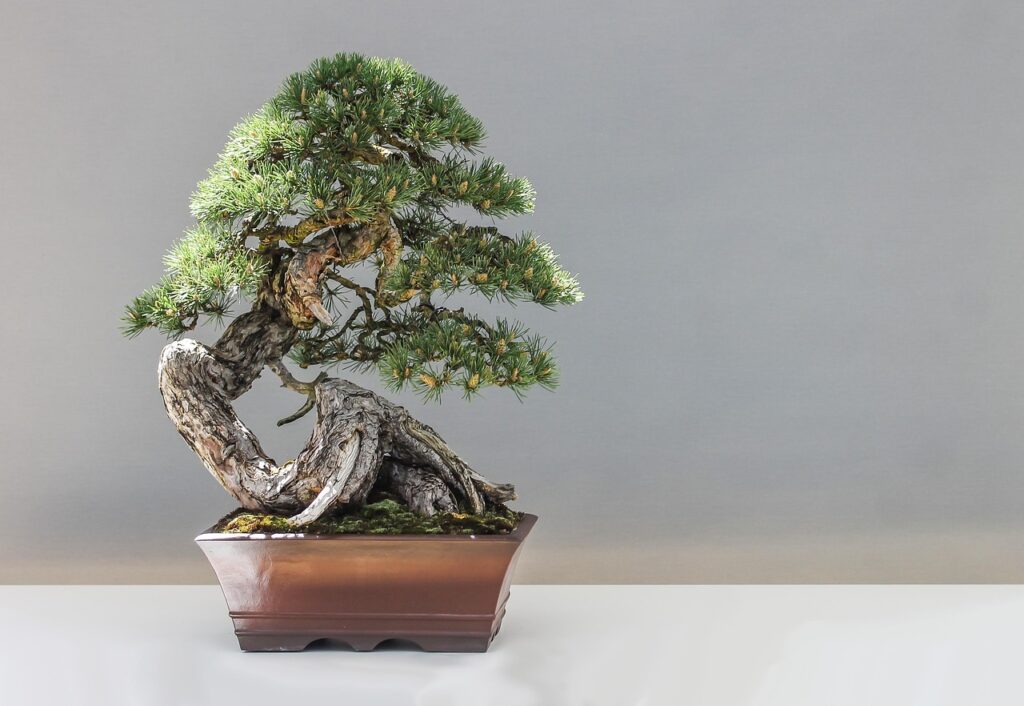
Each fertiliser type has its advantages. Liquid fertilisers are absorbed quickly and are ideal for fast-acting results, but they need to be applied more frequently. Solid fertilisers, such as pellets or cakes, release nutrients slowly and are great for maintaining long-term soil health.
Slow-release options are particularly effective for beginners, as they reduce the risk of overfeeding. No matter which you choose, it’s best to apply fertiliser after watering your bonsai: never on dry soil, as this can harm the roots.
How often should you feed your bonsai?
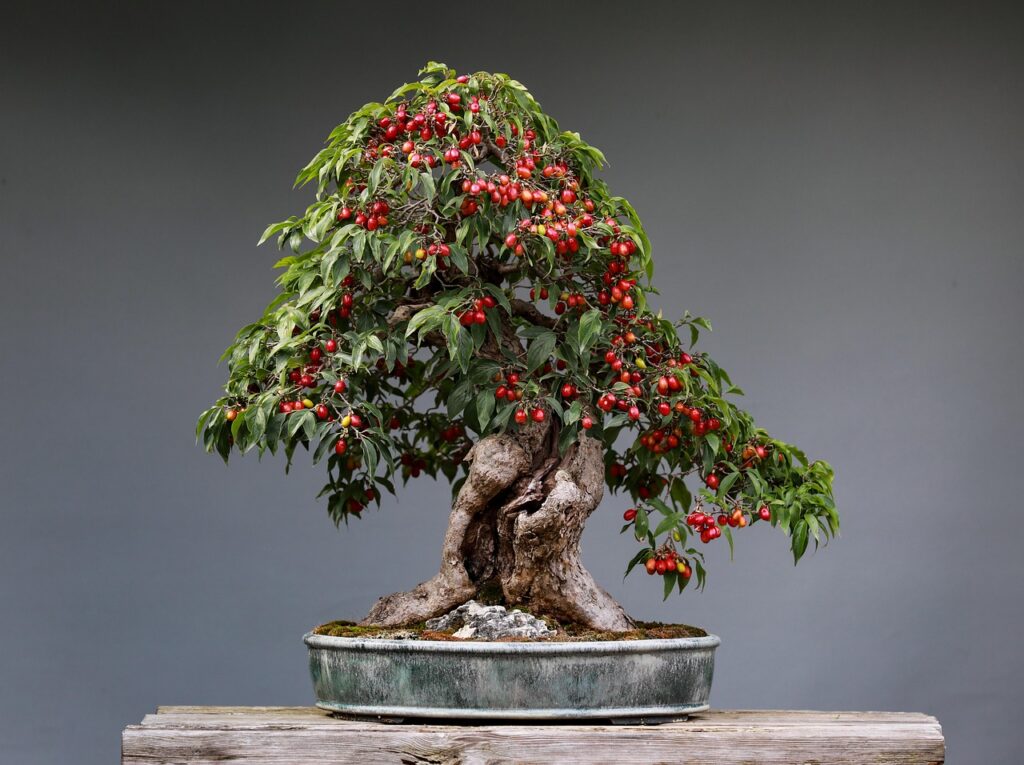
Frequency depends on the tree species and the fertiliser type. In general, feed every two to four weeks during the growing season. Tropical or fast-growing bonsai may require more frequent feeding, while evergreens and slow growers need less. Always monitor how your tree responds: healthy leaves, strong roots, and steady growth are good signs that your fertilising a bonsai tree routine is working.
Feeding your bonsai, nurturing your patience
Fertilising a bonsai tree isn’t just a chore; it’s part of the meditative practice that makes bonsai so rewarding. Feeding encourages new growth, sustains old branches, and keeps your miniature landscape alive and flourishing.
By learning when and how to fertilise correctly, you’re not only sustaining your tree. You’re cultivating patience, care, and a deeper connection with nature.