

Spring brings visible changes to a bonsai tree. Buds swell, fresh leaves emerge and new shoots begin extending seemingly everywhere at once. Beneath the surface, however, another important transformation is taking place.
Bonsai soil changes in spring because the tree’s entire relationship with the growing medium becomes more active.
As temperatures rise and daylight increases, roots begin growing more actively, water consumption changes and nutrients become increasingly important. The soil itself hasn’t suddenly become a different substance, but the biological and physical activity taking place within the pot changes considerably.
Understanding what’s happening underground can help you adjust watering, fertilising and repotting practices for the new growing season.
Root Activity Increases
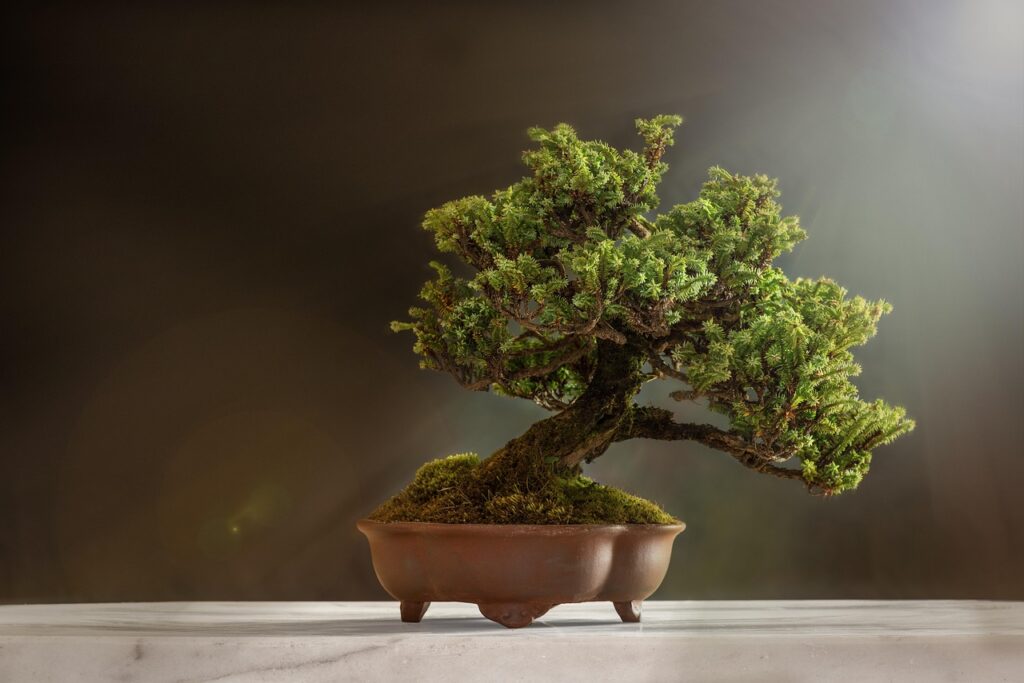
During winter, many temperate bonsai species enter dormancy or experience significantly slower growth.
Spring reverses that process.
As soil temperatures rise, roots become increasingly active and begin supporting the new growth appearing above the soil. A tree producing fresh foliage requires water and nutrients, placing considerably greater demands on its root system.
Healthy bonsai soil provides the spaces those developing roots need.
This is one reason soil structure matters so much. A heavily compacted growing medium can restrict oxygen around the roots and retain excessive moisture. A well-structured bonsai mix creates a balance between drainage, water retention and aeration.
Spring growth can therefore expose soil problems that weren’t particularly noticeable during winter.
Your Bonsai May Start Drying Faster
One of the most noticeable spring changes is how quickly a bonsai pot can begin losing moisture.
Several factors contribute to this.
Warmer temperatures increase evaporation, while expanding foliage means the tree transpires more water. Growing roots are also actively drawing moisture from the soil.
A bonsai that remained damp for several days during winter might suddenly require much more frequent watering.
That doesn’t mean you should immediately establish a rigid spring watering schedule.
Check the bonsai’s soil.
Different species, pot sizes, soil mixtures and positions will dry at different rates. Even two apparently similar bonsai can have different watering requirements.
The objective remains watering according to what the tree and soil actually need rather than what the calendar says they should need.
Nutrient Demand Begins Increasing
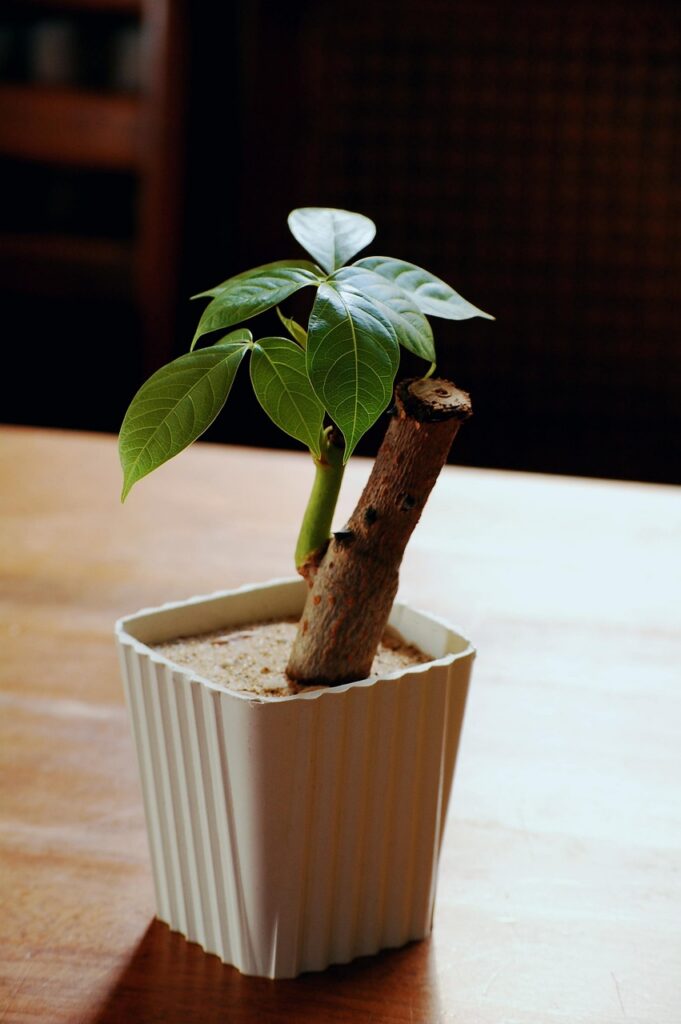
Fresh spring growth requires energy.
Once a bonsai has entered active growth, fertilising generally becomes more relevant than it was during winter dormancy. Nutrients within the growing medium become increasingly available to and demanded by the tree as biological activity increases.
The precise fertilising strategy depends on the species and your objectives.
A developing bonsai may be encouraged to produce vigorous growth, while a refined tree could require a more controlled approach to prevent excessively long shoots and large leaves.
Spring soil management should therefore consider what you’re trying to achieve with the tree rather than simply applying as much fertiliser as possible.
More nutrients don’t automatically mean a healthier bonsai.
Spring Reveals Drainage Problems
Spring is an excellent time to pay attention to how water behaves when you irrigate your bonsai.
Healthy bonsai soil should generally allow water to penetrate the growing medium and drain through the holes beneath the container.
Watch for warning signs such as:
- Water remaining on the surface for unusually long periods
- Soil becoming compacted or excessively muddy
- Water running around the edges instead of penetrating properly
- Drainage holes becoming obstructed
- Parts of the pot remaining constantly wet
These symptoms can indicate that the soil structure has deteriorated.
Organic components may gradually decompose, while fine particles can accumulate between larger soil particles and reduce air spaces. Roots themselves can eventually occupy so much of the container that water struggles to move through it effectively.
Spring growth can make these problems increasingly important because active roots require both moisture and oxygen.
Microbial Activity Can Increase
Bonsai soil isn’t necessarily an inert environment.
Depending on the growing medium, beneficial fungi, bacteria and other microorganisms can contribute to processes taking place around the roots.
Increasing temperatures and moisture during spring can encourage greater biological activity.
Mycorrhizal fungi are particularly interesting because they form relationships with the roots of many plant species, potentially assisting with nutrient and water uptake.
However, warm and constantly saturated conditions can also encourage undesirable fungal activity and root problems.
Good drainage and appropriate watering consequently remain important even while your bonsai is consuming more water.
Spring doesn’t mean keeping the soil permanently wet.
Repotting Changes Everything
For many bonsai species, early spring is an important repotting period.
Repotting physically transforms the environment around the roots. Old soil may be removed, roots can be pruned and fresh bonsai substrate introduced.
Fresh soil typically provides improved drainage and aeration compared with a badly degraded older mixture.
However, recently disturbed roots require careful aftercare.
A newly repotted bonsai shouldn’t necessarily be treated exactly like an established tree growing vigorously in the same garden. Protecting it from extreme conditions and monitoring moisture carefully can help the root system recover.
Species matter enormously here.
Tropical, subtropical and temperate bonsai don’t all follow identical seasonal schedules, so repotting should always be timed according to the particular tree rather than simply because spring has arrived.
Pay Attention to the Soil Beneath the Tree
It’s easy to judge spring entirely by what appears above the pot.
New leaves and extending branches provide obvious evidence that another growing season has begun. Yet much of the work supporting that growth is happening underground.
Roots are becoming more active. Water consumption is increasing. Nutrient requirements are changing, while warmer conditions influence everything from evaporation to biological activity within the growing medium.
Your bonsai soil hasn’t magically changed overnight.
The tree’s demands on that soil have changed.
Spring is therefore the perfect time to begin observing your pots more closely. Watch how quickly they dry. Notice how water drains. Look for compacted areas and consider whether particular trees are approaching the point where repotting is necessary.
A beautiful spring canopy begins with healthy roots.
And healthy roots begin with understanding what’s happening inside that little pot of soil.