

Spring brings fresh growth to the bonsai garden, making it one of the most tempting times of year to start new trees. With buds opening, shoots extending and plants returning to active growth, it might seem reasonable to assume that every bonsai species is ready for propagation. However, not all bonsai tree species are equally good for propagating in spring.
The ideal season depends on the species, local climate and propagation method being used. Some trees respond brilliantly to spring cuttings or air layering, while others may produce better results during summer, autumn or even winter.
Understanding the natural growth cycle of your tree is therefore far more important than simply following the calendar.
Why Spring Is So Popular for Bonsai Propagation
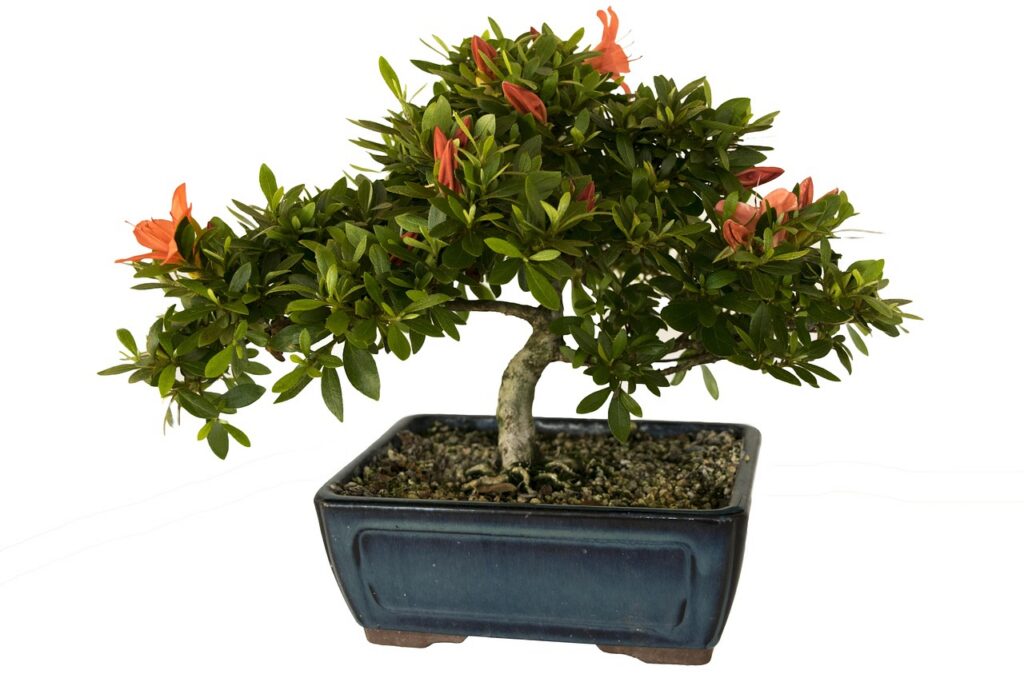
Spring provides several advantages for propagation. Rising temperatures encourage active growth, daylight hours increase and many trees begin directing considerable energy into new shoots and roots.
For species that root readily from cuttings, this period of vigorous growth can provide excellent propagation material. Young shoots may establish relatively quickly when humidity, temperature and growing medium are properly managed.
Spring is also popular for air layering because the tree is actively growing. Once the appropriate section of bark is removed and the layer is prepared, the tree has much of the growing season available to develop roots before separation.
However, these advantages do not automatically apply equally to every bonsai species.
Which Bonsai Trees Can Be Propagated in Spring?
Many popular broadleaf trees can respond well to spring propagation. Depending on the species and technique, growers may have success with trees such as ficus, Chinese elm, privet, some maples and several other commonly cultivated bonsai subjects.
Species that naturally root easily from cuttings are generally more forgiving than trees that are difficult to propagate vegetatively.
When considering spring propagation, look at:
- The particular tree species and its growth cycle
- Whether you are using seeds, cuttings or air layering
- Whether new growth has hardened sufficiently
- Local temperature and humidity conditions
- The health and vigour of the parent tree
- How easily that species normally produces new roots
Researching the individual species before cutting material from a valuable bonsai can save considerable frustration.
Some Species Need Different Timing
Conifers are a good example of why propagation advice cannot be applied universally. Junipers can be propagated from cuttings, but success depends heavily on the type of material selected, environmental conditions and timing. Pines are generally much more difficult to reproduce successfully from ordinary cuttings and are often grown from seed, grafted or propagated using specialised techniques.
Even among deciduous species, timing varies.
Some trees perform well from softwood cuttings taken during periods of fresh growth. Others respond better once new shoots have partially hardened later in the growing season. Hardwood cuttings from certain species may instead be collected while the tree is dormant.
Tropical and subtropical bonsai introduce another consideration. Their propagation success may depend more strongly on sustained warmth than on the traditional spring season experienced by temperate trees.
Don’t Forget About Seeds

Growing bonsai from seed is another form of propagation, but spring sowing does not mean every seed can simply be placed into soil immediately.
Some species require stratification before germination. This process exposes seeds to particular environmental conditions—often a period of cold—to help break dormancy.
Other seeds may germinate readily once temperatures become suitable.
Growing from seed takes considerably longer than starting with cuttings or air layers, but it gives the grower control over the tree’s development from its earliest stage.
Spring Is an Opportunity, Not a Universal Rule
For bonsai growers in South Africa, spring can be an incredibly productive period. Trees are waking up, growth is accelerating and there are plenty of opportunities to create new plants for future bonsai projects.
The important lesson is not to treat spring as a universal propagation season.
Before taking cuttings, preparing an air layer or sowing seeds, identify the species and determine which propagation method gives it the best chance of success. A healthy parent tree, suitable growing conditions and correct timing will usually matter far more than simply choosing spring because the garden is growing again.
So, are all bonsai tree species good for propagating in spring? No—but for the right species, using the right technique at the right stage of growth, spring can be one of the most rewarding times to begin the next generation of bonsai.