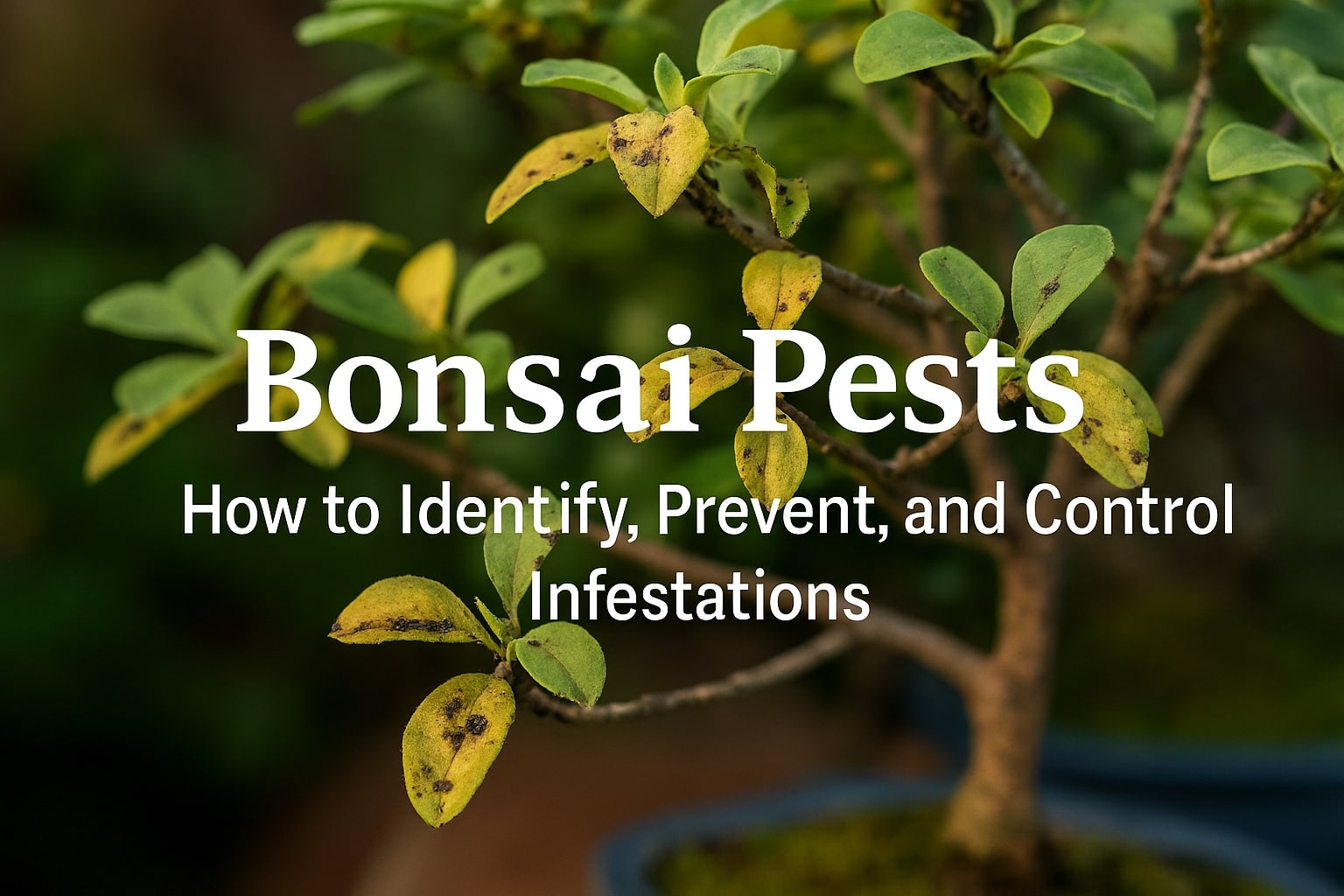
Even the most carefully nurtured bonsai tree can fall victim to tiny, persistent intruders. Bonsai pests are among the most common challenges for growers, feeding on leaves, bark, or roots and slowly draining a tree’s vitality. While many enthusiasts worry about fungal infections or rot, pests pose an entirely different threat, one that often starts small but can quickly spread if unnoticed.
In this general guide, we’ll explore the most common types of bonsai pests, how to recognise their presence, and the best ways to prevent and control infestations. From aphids and spider mites to mealybugs and scale insects, each pest presents unique challenges, but all can be managed with the right care and consistency.
Future articles will cover species-specific pest issues, but for now, let’s take a closer look at how to keep your bonsai healthy, thriving, and pest-free all year round.
Table of Contents
Understanding Bonsai Pests
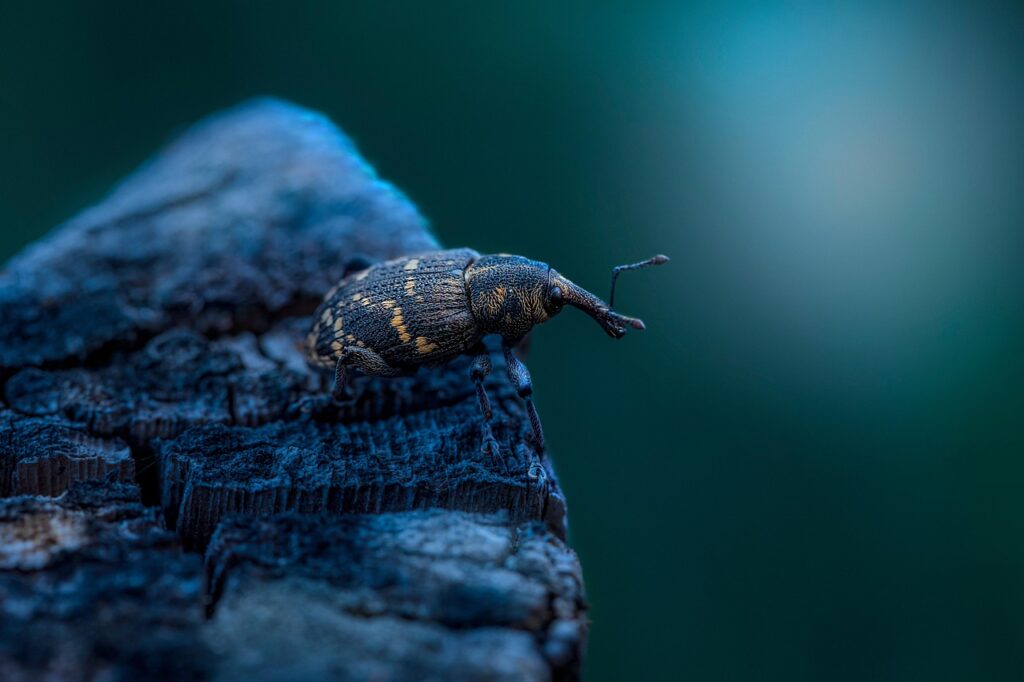
Before you can effectively protect your trees, it’s important to understand what bonsai pests are and how they differ from diseases. Pests are living organisms such as insects, mites, or larvae that feed on your bonsai’s foliage, bark, or roots. They draw nutrients directly from the plant, weakening it over time. Diseases, on the other hand, are caused by fungi, bacteria, or viruses, often appearing as spots, mould, or decay rather than moving creatures.
Bonsai pests typically appear when conditions favour their growth: warm temperatures, still air, or overwatering can all invite infestations. They might first go unnoticed (a few discoloured leaves, sticky residue, or a light web under the branches), but can quickly multiply and spread to nearby trees. Regular inspection, especially on the underside of leaves and around new growth, is the best defence.
Understanding the nature of these pests is the first step toward maintaining long-term bonsai health.
Common Bonsai Pests and Their Signs
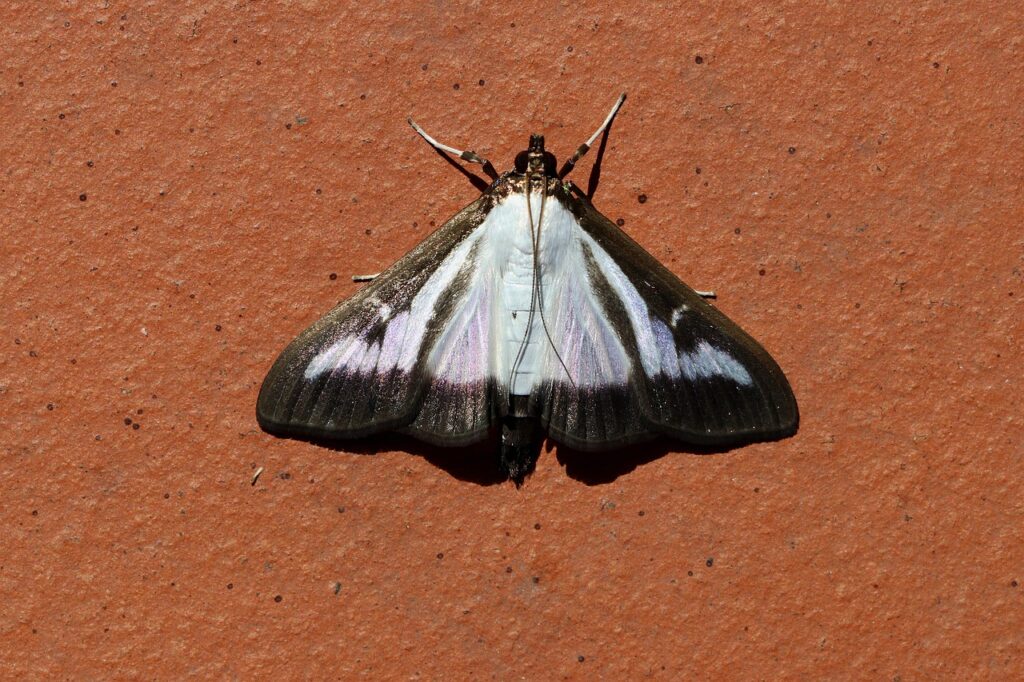
Many types of insects and mites are drawn to the tender leaves, bark, and roots of bonsai trees. Recognising the signs early can make all the difference between a minor inconvenience and a full-blown infestation. While different species may be more prone to certain pests, several common culprits appear across most bonsai types.
Aphids are tiny, soft-bodied insects that cluster under leaves or on new shoots. They suck sap, leaving behind a sticky residue known as honeydew, which can attract ants and promote mould growth. Spider mites are almost invisible to the eye but leave fine webbing on leaves, especially in hot, dry weather. They cause yellow speckling and leaf loss if untreated.
Scale insects appear as small, brown or white bumps along stems and undersides of leaves, slowly draining sap. Whiteflies scatter in a small cloud when you disturb the foliage, leaving plants weak and pale. Mealybugs form cottony white clusters on branches and leaf joints, while caterpillars and beetles chew visible holes through leaves and buds.
Each of these bonsai pests requires different control methods, but the first step is consistent observation. The sooner you spot them, the easier it is to keep your bonsai thriving and pest-free.
How Bonsai Pests Affect Tree Health
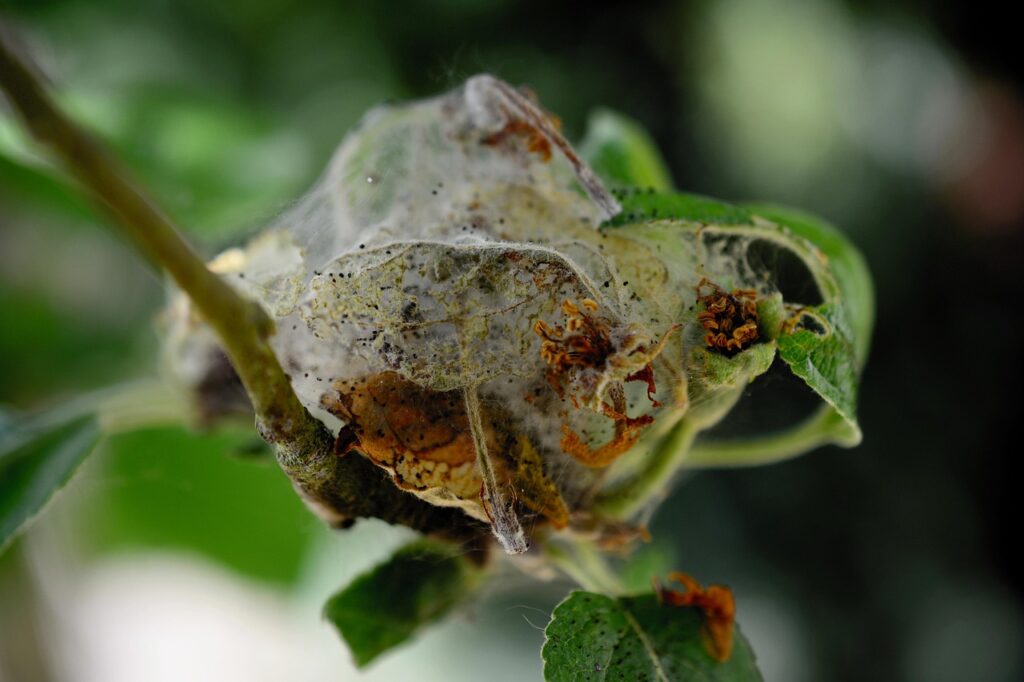
The damage caused by bonsai pests goes far beyond cosmetic issues like chewed leaves or sticky residue. When pests feed on a tree’s sap or tissues, they disrupt the natural flow of nutrients and water within the plant. Over time, this weakens the tree’s ability to produce new growth, fight off infections, and recover from pruning or repotting. You may notice yellowing or curling leaves, slowed growth, or leaf drop, all early warning signs that your bonsai is under stress.
If infestations continue unchecked, the tree’s immune system becomes compromised, leaving it vulnerable to further problems such as fungal infections or root rot. Sap-sucking insects like aphids and scale insects can also introduce diseases while feeding, worsening the damage. In severe cases, the tree’s health can decline rapidly, leading to dieback of branches or even death. Understanding how these small intruders impact overall vitality is key to developing an effective, long-term pest management routine for your bonsai.
Preventing Pest Infestations
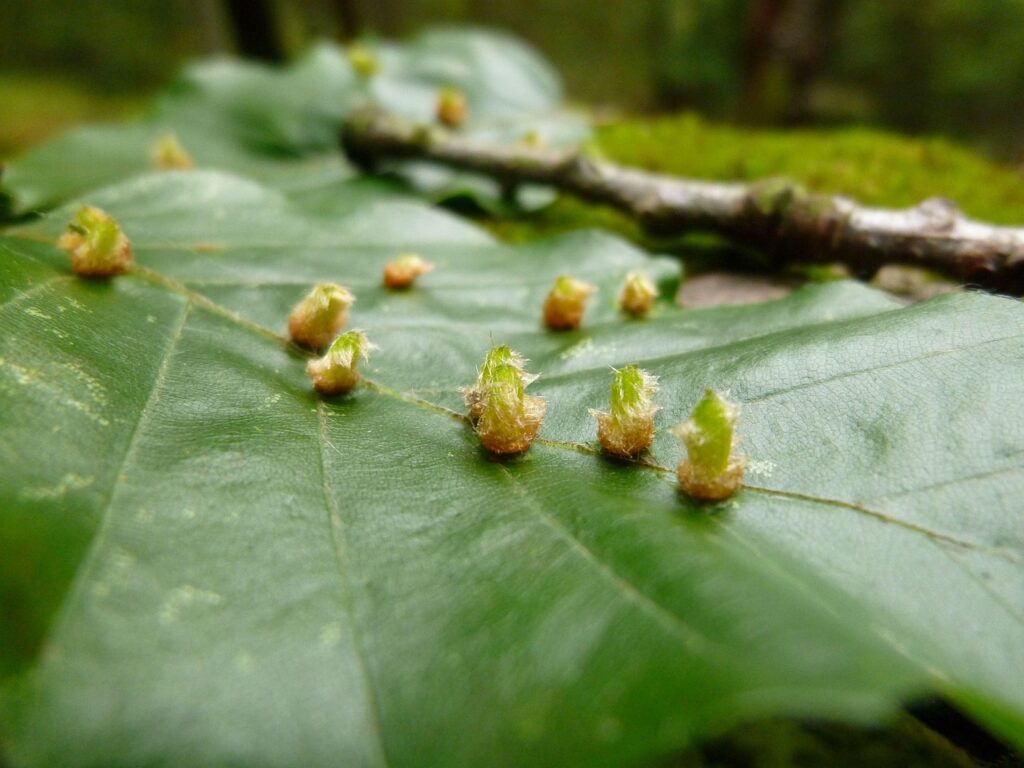
The best way to deal with bonsai pests is to stop them from appearing in the first place. Prevention relies on maintaining a healthy growing environment and consistent care habits. Start with regular inspections; check the undersides of leaves, stems, and soil surface at least once a week.
Early detection prevents minor issues from turning into full infestations. Make sure your trees have good airflow, especially if you keep them indoors or clustered together. Stagnant, humid conditions create a perfect breeding ground for pests like spider mites and mealybugs.
Balanced watering is another key factor. Overwatering can lead to excess moisture, attracting pests, while underwatering weakens your bonsai’s defences. Always use clean tools when pruning or wiring, as contaminated shears can transfer insects or eggs from one tree to another. Remove fallen leaves or debris from pots to prevent pest colonies from forming.
Lastly, quarantine any new bonsai for at least two weeks before placing them with your existing collection. This simple step often saves your trees from unwanted guests. A clean, well-ventilated, and balanced environment is your bonsai’s first and strongest line of defence.
Natural and Chemical Pest Control Methods
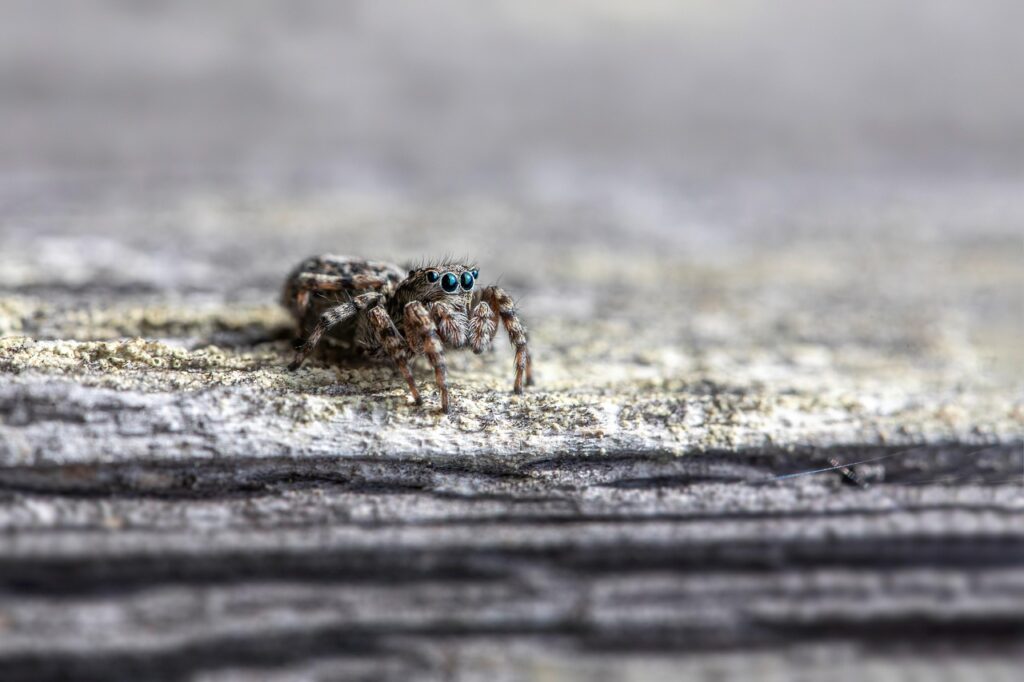
When prevention isn’t enough, the next step is to remove bonsai pests safely and effectively. Start with natural methods whenever possible, as they’re gentler on the tree and the environment. A simple yet powerful remedy is neem oil, which acts as both an insect repellent and growth inhibitor for many pest species.
Mix it with water and a few drops of mild soap before spraying directly onto affected leaves and stems. Insecticidal soaps and diluted alcohol solutions can also be used to wipe away aphids, scale insects, and mealybugs without harming the foliage.
For larger infestations, biological control can help restore balance. Introducing natural predators such as ladybugs or predatory mites into your growing area is an eco-friendly way to keep pest populations under control. In severe cases, chemical insecticides may be necessary, but they should be used sparingly and only when other methods fail.
Choose products labelled safe for bonsai and always follow dosage instructions carefully. Apply treatments during the early morning or late afternoon to prevent leaf burn. Combining careful observation with targeted treatments ensures that you eliminate pests while keeping your bonsai healthy and resilient.
Seasonal Pest Management
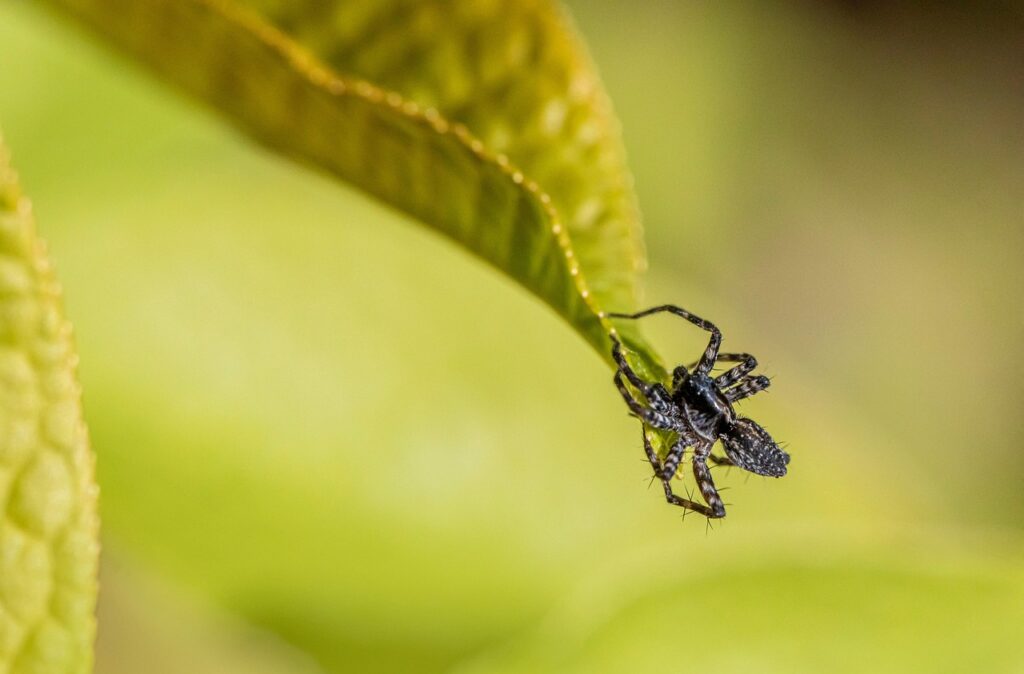
Different times of the year bring different challenges for bonsai growers, and pest activity often follows the seasons. During spring, when new shoots and leaves emerge, soft-bodied insects such as aphids and whiteflies become more active. They’re drawn to the tender new growth and can spread quickly between trees. Regular inspection during this period is essential, as early intervention can stop a minor presence from becoming a full infestation.
In summer, warm and dry conditions encourage spider mites, which thrive in heat and low humidity. Regular misting and increased airflow help discourage them. Autumn can bring outbreaks of scale insects as they settle in for the cooler months, while winter, though generally quieter, still poses a risk for indoor bonsai kept in warm environments.
Indoor heating and limited ventilation can create ideal breeding conditions for mealybugs. Adjusting your pest control routine to suit each season, from misting in summer to inspecting indoor trees in winter, ensures year-round protection. By aligning your care habits with seasonal changes, you’ll strengthen your bonsai’s natural defences and prevent recurring infestations.
Recovery and Long-Term Health
Even after successfully removing bonsai pests, your tree may need time to regain its strength. Recovery begins with careful pruning: remove any damaged, yellowed, or curled leaves to help redirect energy toward healthy growth. Avoid heavy pruning immediately after treatment, as your bonsai may still be stressed. Instead, focus on gentle aftercare: water consistently, ensure proper drainage, and gradually return the tree to its usual light conditions.
Once your bonsai shows signs of recovery, such as fresh buds and healthy leaf colour, begin feeding it with a balanced fertiliser to boost vitality. Continue to inspect your tree regularly, especially in the weeks following treatment, as pest eggs or larvae can sometimes reappear.
Over the long term, maintaining good airflow, proper watering routines, and seasonal observation will help prevent future infestations. Each recovery teaches you more about your bonsai’s resilience and strengthens your ability to identify and respond to problems early, ensuring your trees stay healthy and thriving for years to come.
Keeping Your Bonsai Pest-Free
Protecting your bonsai from pests is an ongoing process that combines vigilance, good horticultural habits, and a touch of patience. By learning to recognise the early signs of infestation and applying preventative care, you’ll save your trees from unnecessary stress and damage. Healthy bonsai are naturally more resistant to pests, which is why regular cleaning, balanced watering, and proper ventilation are key to long-term success.
While occasional outbreaks are inevitable, the right approach can turn them into valuable learning experiences rather than setbacks. By staying consistent with inspections and treatment, you’ll create a stable environment where your bonsai can thrive.
This guide has covered the essentials for dealing with general bonsai pests, but in future articles, we’ll explore species-specific challenges, helping you fine-tune your care routine for every tree in your collection. With attention and care, keeping your bonsai pest-free becomes part of the art of bonsai itself.