For bonsai enthusiasts, few experiences are as rewarding as propagating a bonsai tree; watching new life emerge from a seed, branch, or grafted limb and slowly take shape under your care. Propagation is the foundation of bonsai artistry, blending horticultural knowledge with patience and vision. It’s not just about multiplying trees; it’s about continuing a living legacy.
Whether through seeds, cuttings, air layering, or grafting, propagation connects you directly to the rhythm of growth, giving you the rare chance to create a bonsai that’s truly your own.
Table of Contents
What does propagation mean in bonsai cultivation?
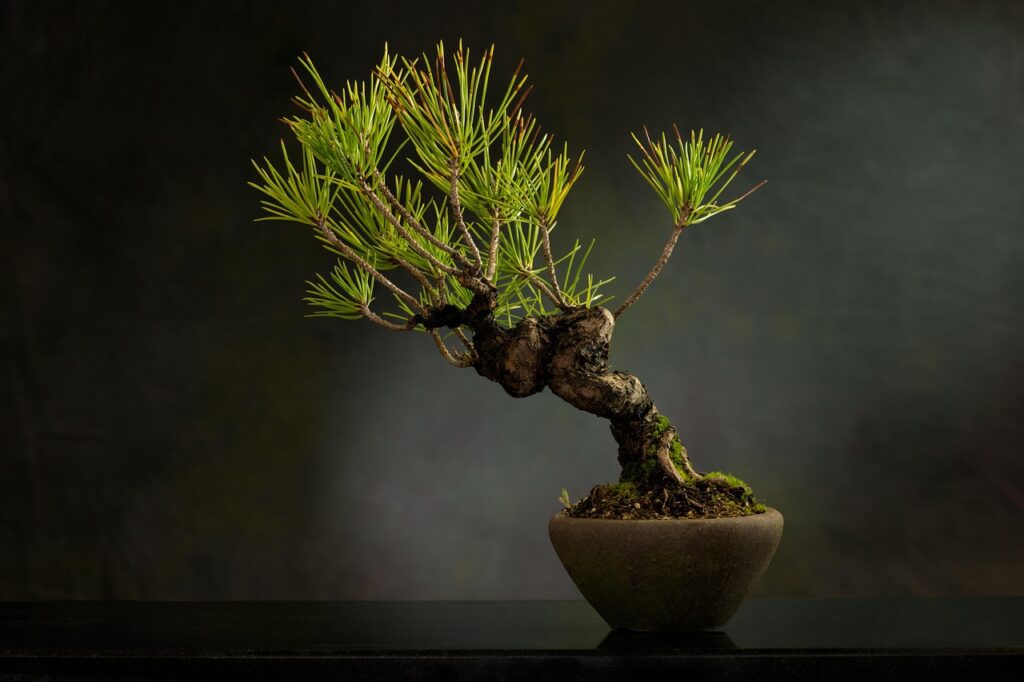
In the world of miniature trees, propagating a bonsai tree is about far more than simply producing new plants. It’s the art of reproduction and renewal, taking something that already thrives and helping it continue its story in a new form. Propagation allows growers to preserve species they admire, maintain unique characteristics, and even pass on the lineage of a particularly beautiful tree.
At its core, propagation is about understanding how trees regenerate in nature and applying that wisdom through controlled techniques. There are several ways to propagate a bonsai (seeds, cuttings, air layering, and grafting) each offering a distinct way to shape the tree’s destiny.
Whether you’re cultivating a seedling that will one day become a masterpiece or encouraging a mature branch to take root on its own, every method teaches patience, precision, and respect for the living art of bonsai.
Growing bonsai from seeds: the journey of patience
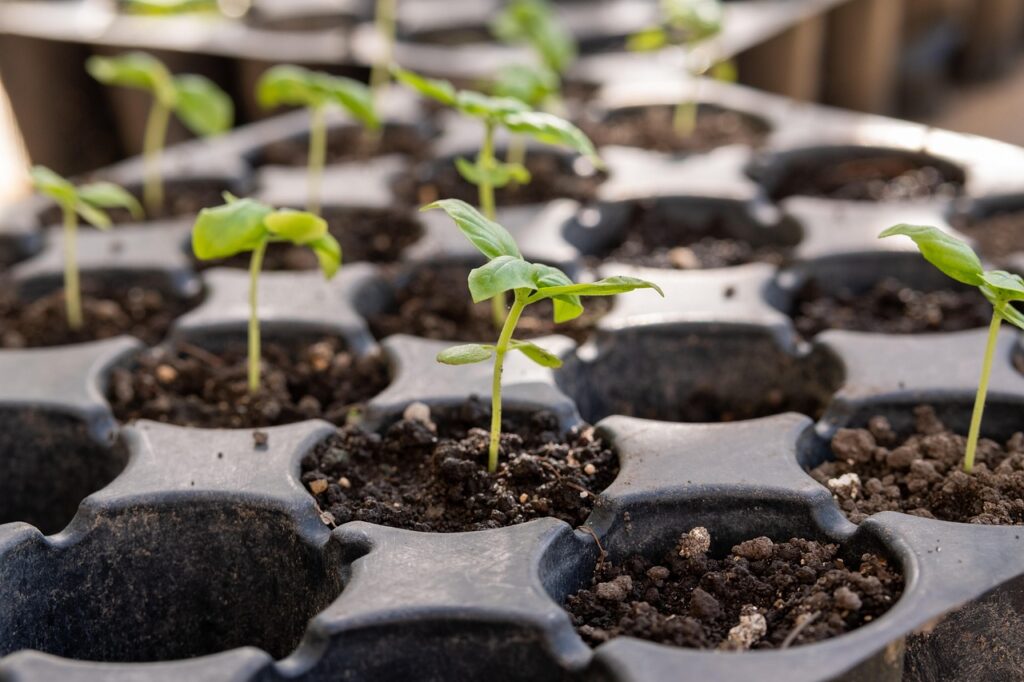
When it comes to propagating a bonsai tree, growing from seed is the most traditional and symbolic method. It represents the very essence of patience: nurturing life from its smallest form and guiding it through every stage of growth. Starting from seed allows you to witness the complete journey, from germination to the first shaping cuts, and gives you total control over the tree’s future structure and style.
Each seed carries potential, but also unpredictability. No two seedlings are ever the same, and this natural variation makes every tree unique. Growing bonsai from seed also teaches discipline; you must wait years before the trunk thickens and branches mature enough to style. Yet, this slow transformation is precisely what makes it so fulfilling. Through the careful process of propagating a bonsai tree from seed, growers develop a deeper understanding of timing, care, and the art of patience, traits that lie at the heart of bonsai itself.
Propagating from cuttings: cloning the ideal tree
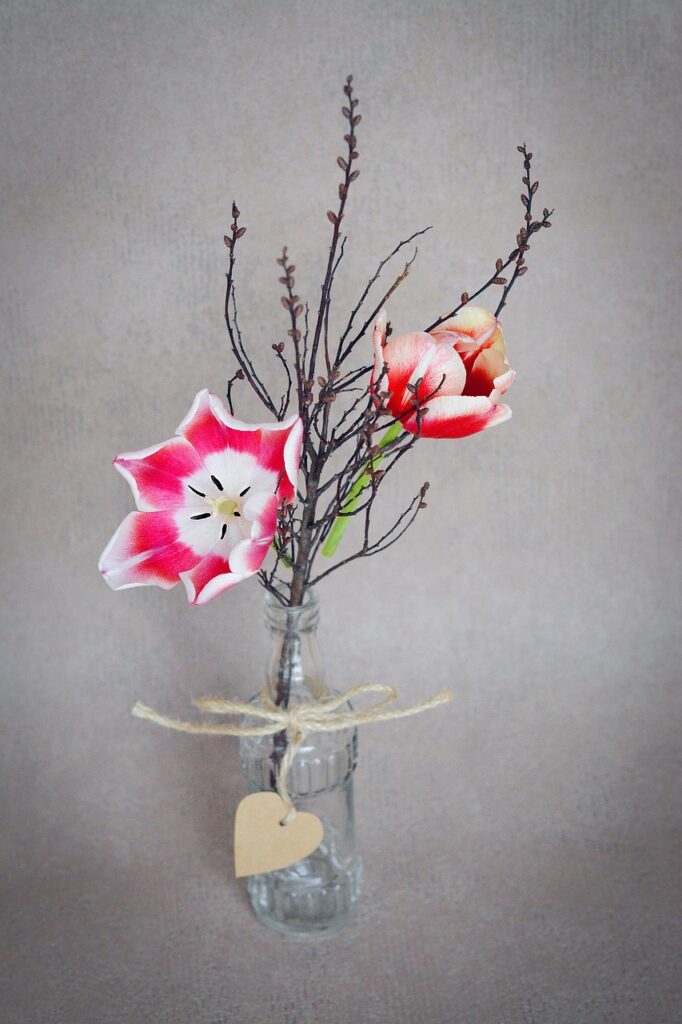
For many growers, propagating a bonsai tree from cuttings offers the perfect balance between time and control. Unlike seeds, which carry genetic variations, cuttings produce an exact replica of the parent tree. This means every new shoot inherits the same desirable traits: leaf shape, bark texture, growth rate, and colour. It’s a way of capturing the essence of a mature bonsai and giving it new life.
Cuttings also grow faster than seedlings, often reaching styling maturity in a fraction of the time. This makes them a popular choice for species such as junipers, ficus, and rosemary, which root easily and thrive under the right conditions. The method reflects nature’s ability to regenerate from within: one branch becoming the foundation of another tree. By propagating a bonsai tree through cuttings, enthusiasts preserve lineage, shorten development time, and ensure that the beauty of an established specimen continues for generations to come.
Air layering: nature’s way of regeneration
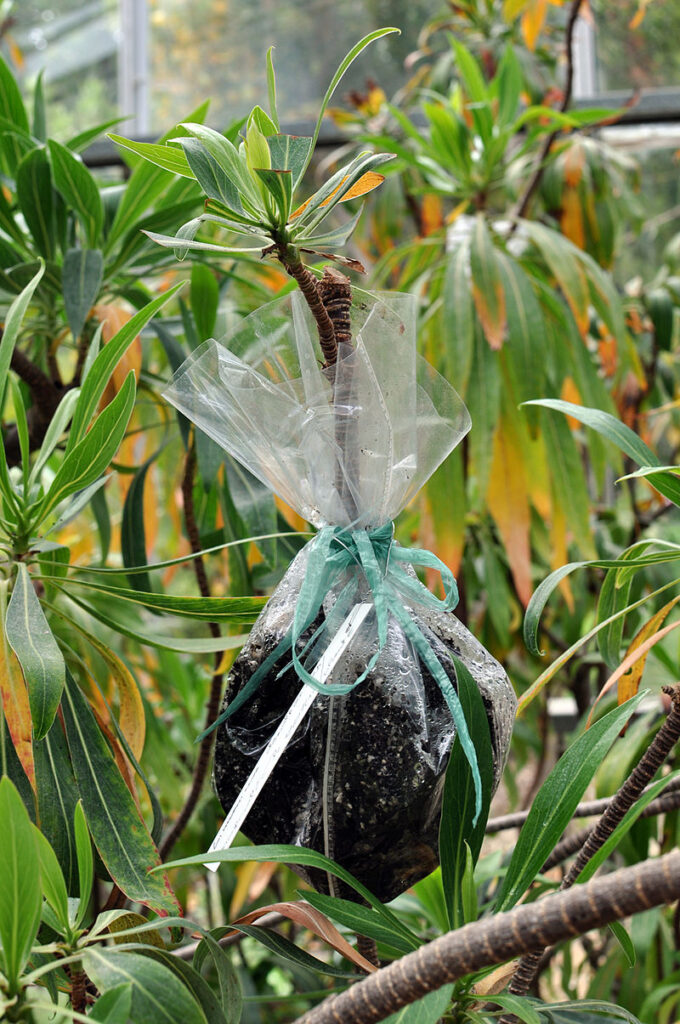
Among the most fascinating methods of propagating a bonsai tree is air layering, a technique that mirrors how trees naturally reproduce in the wild. In nature, some branches develop roots after being buried under soil or pressed against moist ground. Air layering recreates this process by encouraging a section of a branch to form roots while it’s still attached to the parent tree, ensuring continuous nourishment during development.
This method is especially valued for creating bonsai with mature features in a shorter time. Because the new plant forms from an established branch or trunk, it often inherits beautiful bark texture, branch structure, and girth from the original tree.
It’s an excellent option for species like maples, elms, and camellias, where seed or cutting propagation may take years to achieve similar results. Through propagating a bonsai tree by air layering, growers can reshape nature’s timeline: creating strong, mature trees that seem to have aged gracefully from the very start.
Grafting: merging strength and beauty
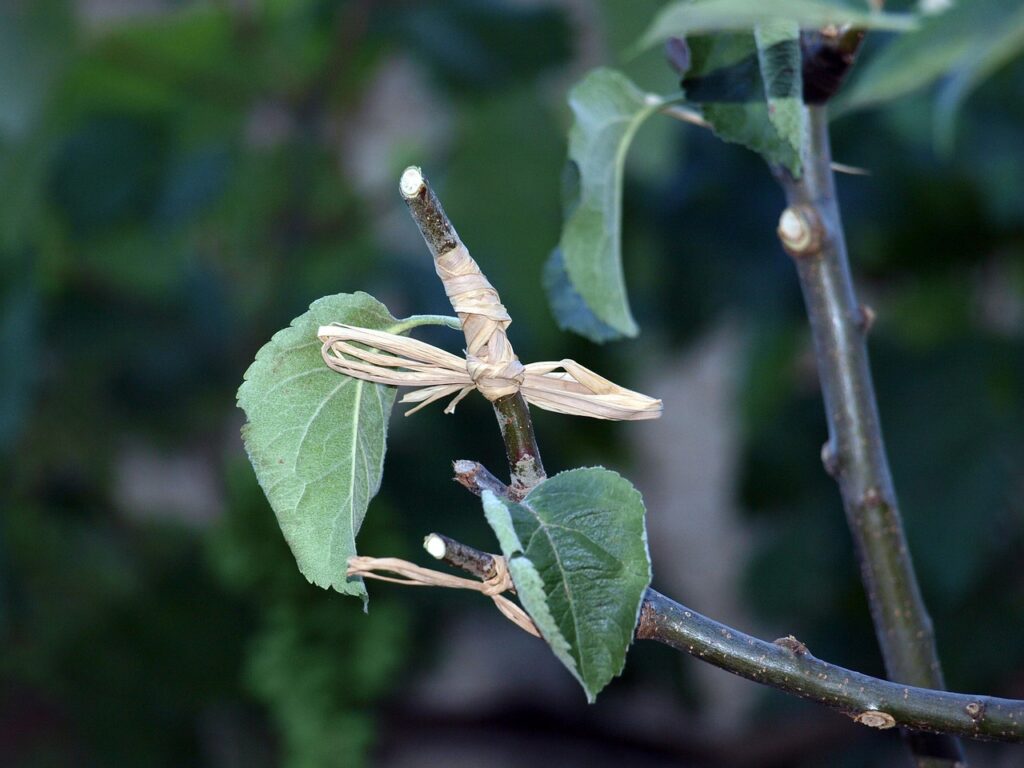
Grafting is one of the most skilled and artistic methods of propagating a bonsai tree, where two plants are joined to grow as one. The upper section, known as the scion, is chosen for its aesthetic qualities: elegant foliage, refined branching, or desirable bark texture. The lower section, called the rootstock, provides strength, stability, and a healthy root system. When combined successfully, they form a single, unified bonsai that blends the best traits of both trees.
This technique is often used to repair damaged bonsai or improve specific features. For example, grafting can introduce new branches to fill empty spaces, enhance nebari (the visible root spread), or strengthen weak sections of a tree. While it demands precision and care, it allows advanced growers to fine-tune the balance between beauty and endurance. By propagating a bonsai tree through grafting, artists quite literally craft life, merging the resilience of one tree with the grace of another to create harmony in living form.
Choosing the right method for your species
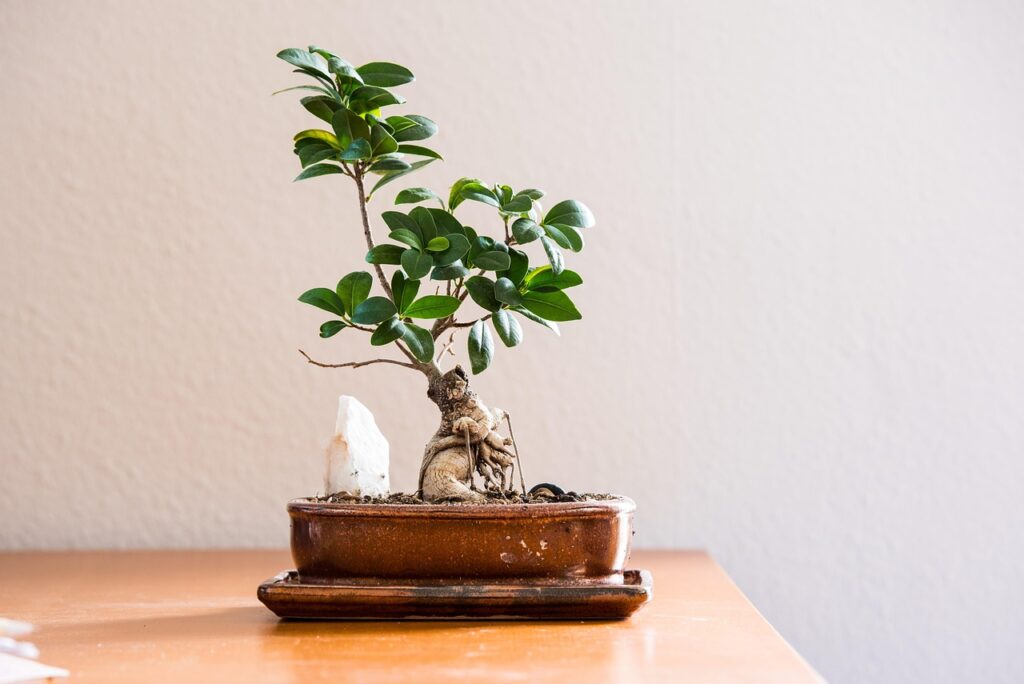
When it comes to propagating a bonsai tree, success often depends on selecting the method best suited to the species you’re working with. Each tree has its own growth patterns, root behaviour, and seasonal preferences, and understanding these differences is key to healthy propagation.
Some trees, like ficus, juniper, and rosemary, thrive when grown from cuttings thanks to their quick root development and hardy stems. Others, such as maples, elms, and acacias, grow beautifully from seed, rewarding patient growers with graceful, natural forms over time. Species like pines, azaleas, and camellias are often better suited to air layering or grafting, as these techniques help maintain mature features while encouraging new root systems.
In essence, the right approach respects both the tree’s biology and your goals as a grower. Choosing how to begin propagating a bonsai tree is as much about understanding the species as it is about knowing your own intentions, whether you seek speed, tradition, or artistic refinement.
The philosophy behind propagating a bonsai tree
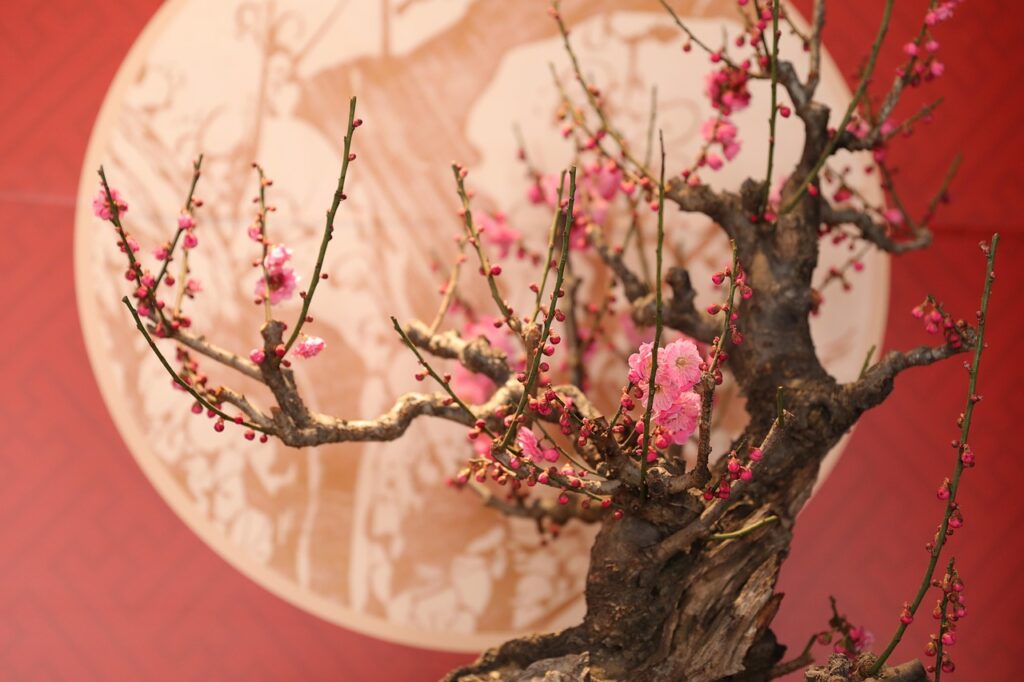
At its heart, propagating a bonsai tree is more than a horticultural process: it’s a reflection of patience, renewal, and connection to nature. Each method, whether through seed, cutting, or graft, represents the endless cycle of growth and rebirth. A single branch can become a new tree, and a single tree can give rise to an entire forest of living art.
Propagation embodies one of bonsai’s deepest lessons: true beauty takes time. It reminds growers that creation is not rushed but nurtured, and that every act of care shapes the future. By propagating a bonsai tree, artists participate in a tradition stretching back centuries, one that celebrates life’s persistence and the harmony between human intention and natural rhythm. It’s a practice that transforms not only trees but also the grower, teaching mindfulness and appreciation for every quiet stage of growth.
Growing your bonsai family
Whether from seed, cutting, or graft, propagating a bonsai tree is an act of creation and continuity. It allows you to shape life from its earliest moments and carry forward the beauty of the trees you admire most. Each method, from patient seed sowing to the artistry of grafting, offers a new way to connect with nature and deepen your understanding of bonsai as both craft and philosophy.
Propagation reminds us that even the smallest beginning can grow into something extraordinary. Every new tree is a reflection of time, care, and the quiet joy of nurturing growth. Through propagating a bonsai tree, you don’t just expand your collection; you cultivate a legacy of patience and purpose.
At Budding Backyard Bonsaist, we’ll be sharing detailed guides on each propagation method and the species best suited to them, helping you master the art of growing your bonsai family from the ground up.