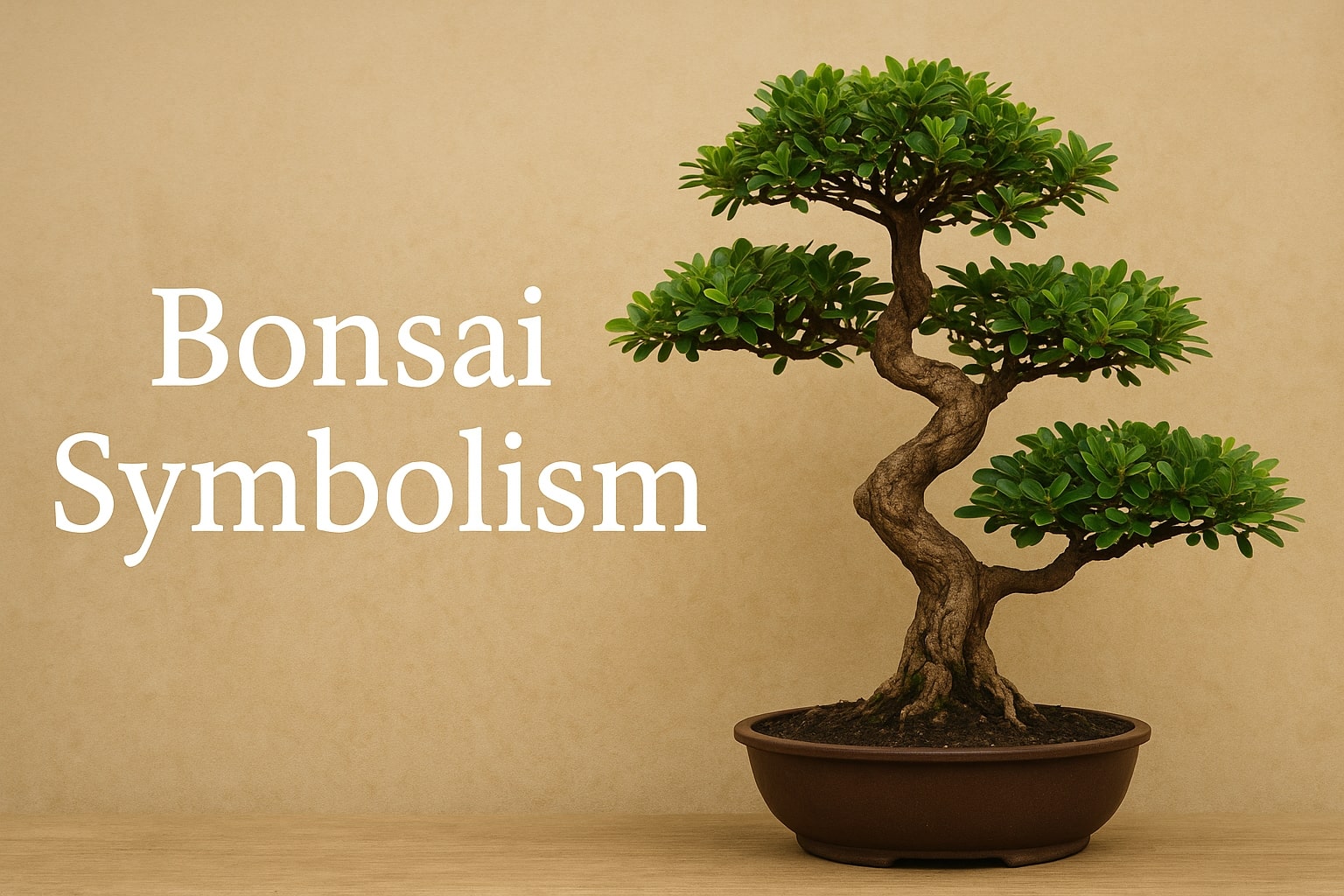
Bonsai symbolism has fascinated people for centuries. Beyond their artistic beauty, bonsai trees reflect patience, balance and harmony between humans and nature. Each tree tells a story shaped by time, technique and the vision of the grower. Understanding bonsai symbolism gives new meaning to the trees we care for and the styles we choose to shape.
Table of Contents
The cultural roots of bonsai symbolism
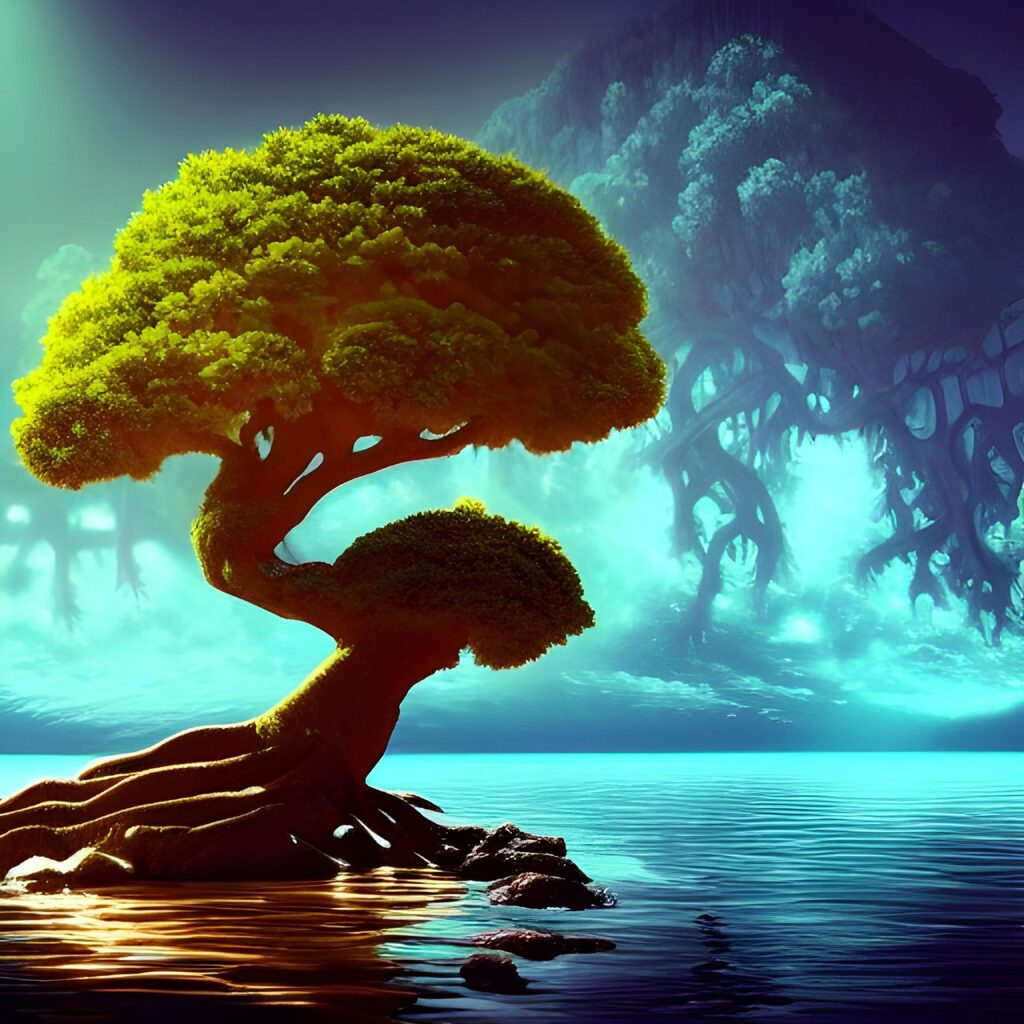
Bonsai symbolism began in ancient China and later developed into a refined art form in Japan. From the beginning, these miniature trees represented the idea of bringing the natural world into the home. By shaping a living tree into a compact form, growers honoured nature, expressed creativity and reflected on the balance between strength and fragility.
In traditional Japanese culture, bonsai symbolism is closely linked to life philosophy. A well-shaped bonsai represents discipline, calm and appreciation of quiet beauty. The slow and deliberate shaping process mirrors personal growth. Every branch cut and every new bud becomes part of a larger journey. This symbolism remains powerful today, reminding growers to slow down and appreciate the present moment.
As bonsai spread across the world, its symbolism expanded. Modern growers view bonsai as a celebration of resilience, endurance and harmony. Even the smallest tree grows despite challenges, offering a quiet reflection of strength in miniature form. Bonsai symbolism continues to evolve, connecting people across cultures through shared appreciation of nature.
Symbolism in different bonsai styles
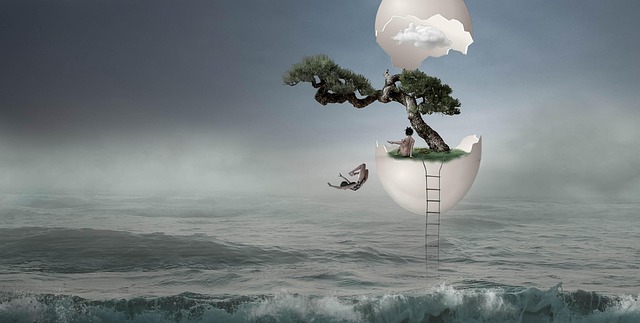
Each bonsai style carries its own symbolic meaning. Upright styles, such as formal and informal upright shapes, symbolise honour, stability and leadership. These trees stand tall and proud, representing steady growth and moral strength. Their balanced structure reflects confidence and inner clarity.
Slanting and windswept styles represent survival and determination. Their angled trunks and weathered shapes symbolise trees that endured storms and adapted to harsh conditions. This aspect of bonsai symbolism reminds growers that strength can come from challenge. These styles often become favourites for people who want their trees to reflect resilience and personal endurance.
Cascade and semi-cascade trees symbolise movement, change and the flow of life. Their downward growth mirrors water flowing over cliffs or branches reaching towards lower ground. They embody flexibility and the ability to thrive even when life bends in unexpected directions. Through these forms, bonsai symbolism teaches acceptance, adaptability and the beauty of natural motion.
Bonsai symbolism in different tree species
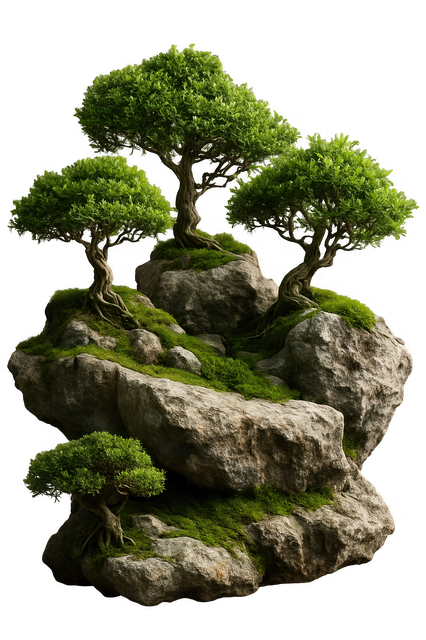
While bonsai styles carry powerful meanings, the species you choose adds another layer of symbolism. Each tree species has its own natural character, cultural associations and visual message. These traits shape the symbolic meaning of the bonsai and influence how growers connect with it.
Evergreen species, such as junipers and pines, symbolise longevity, endurance and eternal life. Their year-round foliage represents strength through every season. Many growers choose them to reflect stability and long-term commitment. These species are especially meaningful for people who want their bonsai to represent resilience and strength of spirit.
Flowering species, including cherry blossoms, bougainvillea and azaleas, symbolise renewal, beauty and the delicate nature of life. Their short blooming cycles remind growers to appreciate fleeting moments and celebrate seasonal change. These bonsai colours add emotional warmth to a collection and often represent joy, love and hope.
Fruit-bearing trees, such as olives, lemons and figs, represent prosperity, abundance and growth. Their fruiting cycles mirror the rewards of patience and careful nurturing. Many growers use these species as symbols of positive energy and productivity. When cared for correctly, the presence of fruit creates a powerful visual representation of achievement.
Deciduous species, like maples and elms, symbolise transformation. Their changing leaves reflect the rhythm of life and the acceptance of change. Watching them shift colours and shed leaves encourages mindfulness and appreciation for every stage of growth.
Many more species have their own unique meanings. As we explore each genus and species in the future, we will cover their specific symbols in detail.
What bonsai trees represent for modern growers
For many modern growers, bonsai symbolism reflects personal connection and emotional meaning. Some choose trees to represent a goal they are working towards, such as patience or calm. Others see their bonsai as companions that grow alongside them, changing season by season while offering quiet grounding.
Bonsai can also represent remembrance. Many people grow bonsai in honour of loved ones or important moments in their lives. The slow growth, long lifespan and ongoing care make these trees powerful symbols of continuity and memory. Watching a bonsai develop over years encourages reflection and mindfulness.
Bonsai symbolism also connects people to nature, especially in urban spaces where natural landscapes are harder to access. Caring for a bonsai brings a small fragment of the natural world indoors, reminding growers of the beauty and balance found in living things. It becomes a daily practice of nurturing, observing and appreciating life.
A living art filled with meaning
Bonsai symbolism gives deeper meaning to the trees we shape and care for. Whether representing patience, resilience, balance or personal growth, each bonsai becomes a reflection of both nature and the grower. Understanding this symbolism enriches the experience and strengthens the connection we share with these living works of art.