
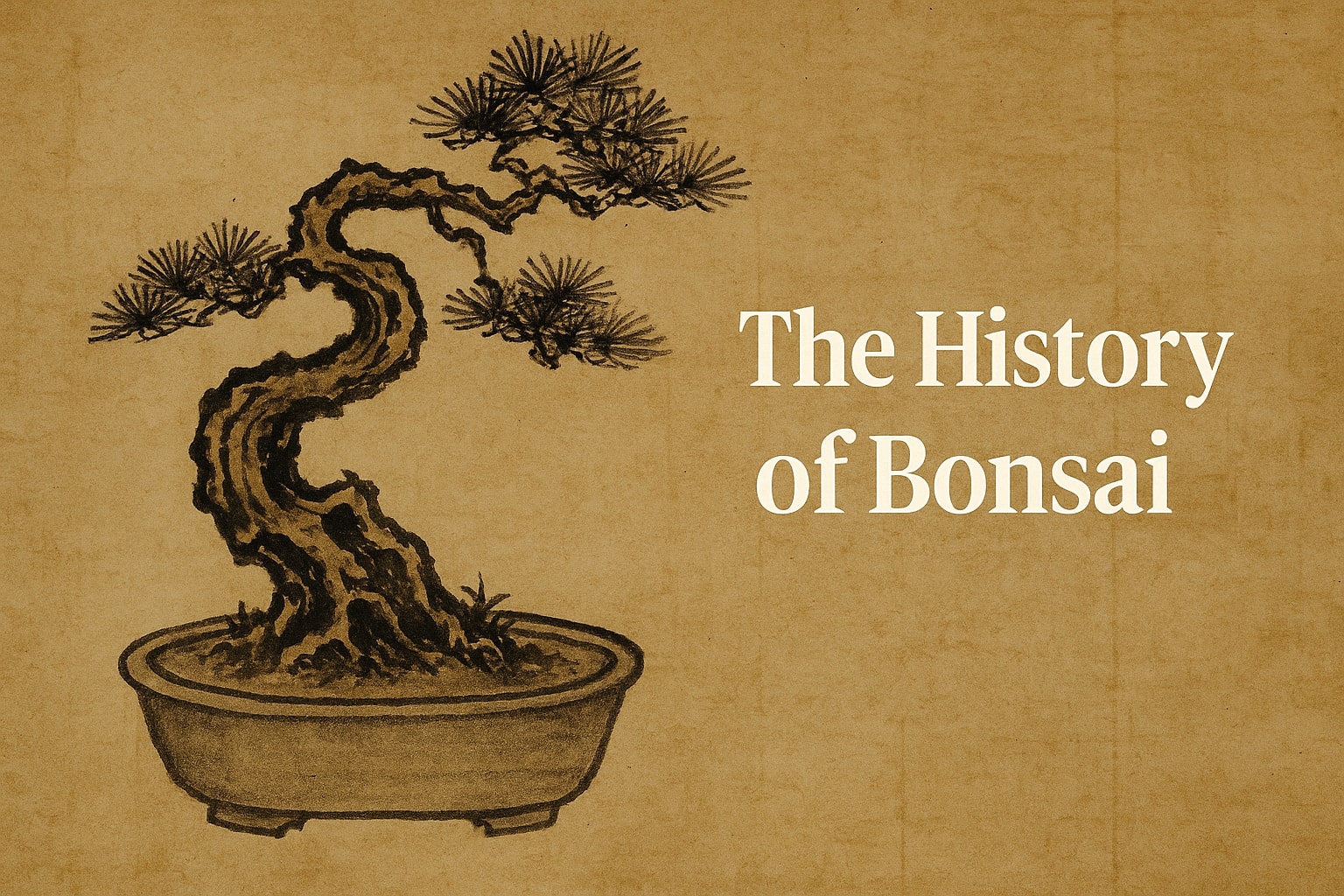
The history of bonsai stretches across cultures, continents, and generations, revealing how a simple practice of shaping miniature trees grew into one of the world’s most admired horticultural arts. From ancient landscapes crafted in China to the refined techniques perfected in Japan and the modern global movement we see today, the history of bonsai offers a fascinating look at how this living tradition evolved.
Understanding where bonsai comes from helps every grower appreciate the depth, skill, and legacy behind each tiny tree they nurture.
Table of Contents
Early history of bonsai: The beginnings
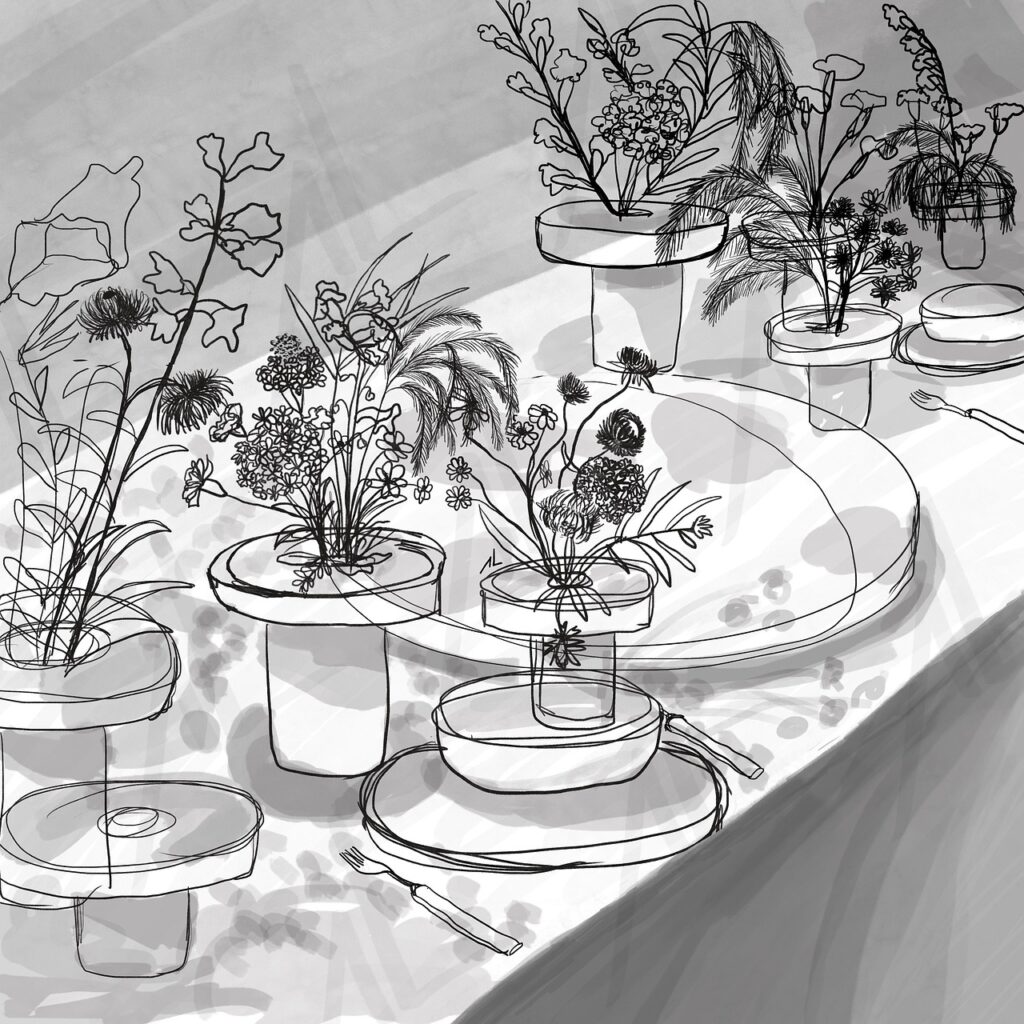
The history of bonsai begins long before the word “bonsai” ever existed. Its earliest roots can be traced back more than two thousand years to ancient China, where artists and scholars practised penjing, the creation of miniature landscapes. These early displays used small trees, rocks, and moss to represent entire mountainsides and valleys in a single container. Penjing was valued not just as decoration but as a way to capture the essence of nature in a form that could be studied, admired, and passed down through families.
During this period, miniature trees were often associated with status and intellectual refinement. Scholars used them as meditative objects, while emperors displayed them as symbols of power and prestige. This early stage of the history of bonsai shows how deeply miniature tree cultivation was linked to culture, storytelling, and natural beauty.
As techniques improved, artists learned how to shape branches, control growth, and refine container design. These innovations laid the foundation for what would eventually become bonsai. Understanding these origins is essential, because they reveal how the history of bonsai began with a desire to honour nature through careful, deliberate craft.
How bonsai developed in Japan
The history of bonsai took a transformative turn when the practice of penjing travelled from China to Japan more than a thousand years ago. Buddhist monks played a major role in this exchange, bringing miniature trees with them as part of their cultural and artistic traditions.
Once in Japan, the craft gradually evolved into its own distinct form, shaped by local aesthetics, horticultural knowledge, and a growing appreciation for simplicity and refined detail.
As bonsai became more established, it found a place among Japan’s noble families, samurai households, and skilled gardeners. These early practitioners focused on balance, proportion, and harmony, helping define the styles that are still recognised today. Over time, tools, pots, and wiring techniques became more specialised, allowing growers to achieve greater precision in shaping their trees.
This period in the history of bonsai marked a shift from miniature landscapes to individual trees displayed as works of art. Instead of representing entire scenes, Japanese growers concentrated on the character of a single tree, capturing age, resilience, and natural movement. These developments helped bonsai flourish into a respected art form across the country.
The refinement of styles and techniques during this era shows how the history of bonsai is deeply influenced by cultural exchange and centuries of skilled craftsmanship.
Bonsai enters the modern world

The history of bonsai expanded rapidly once the art form reached international audiences. In the late nineteenth and early twentieth centuries, Japan began participating in global exhibitions, where visitors from Europe and America encountered bonsai for the first time. These displays sparked curiosity and admiration, leading collectors, botanists, and travellers to bring miniature trees and related knowledge back to their own countries.
As interest grew, books, gardening journals, and cultural exhibitions helped introduce the principles of bonsai to wider audiences. Botanical gardens began showcasing bonsai collections, and nurseries experimented with training techniques inspired by Japanese growers. This stage in the history of bonsai played an important role in transforming a regional art into a global practice.
By the mid-twentieth century, bonsai clubs and societies began forming around the world. These communities encouraged learning, experimentation, and collaboration, helping the craft evolve beyond its traditional boundaries. The history of bonsai during this period highlights how international exchange allowed the art to spread while still honouring its origins in China and Japan.
Today, many of the styles and methods used across the world stem from this era of global discovery, demonstrating how the history of bonsai continues to grow and adapt as more people embrace the art.
Bonsai in contemporary culture
In recent decades, the history of bonsai has entered a new chapter shaped by modern creativity, global access to plant species, and a growing appreciation for mindful hobbies. Bonsai artists today draw inspiration from both traditional methods and innovative styling approaches, resulting in a diverse range of interpretations.
Social media, exhibitions, and international competitions have also played a major role in expanding interest, allowing enthusiasts to share techniques, showcase trees, and learn from growers across the world. This modern stage in the history of bonsai reflects how the art continues to evolve while still honouring its ancient foundations.
Community involvement has also strengthened the global bonsai movement. Clubs, workshops, and online forums provide learning spaces for beginners and experienced growers alike. Advances in horticulture have made it easier to care for species once considered difficult, and access to imported pots, specialised tools, and training wire has improved dramatically.
As a result, the history of bonsai now includes a vibrant international community that keeps the tradition alive, adaptable, and connected. This ongoing growth shows that bonsai remains a thriving art form, appreciated by people of all ages and cultures.
Why the history of bonsai matters for today’s growers
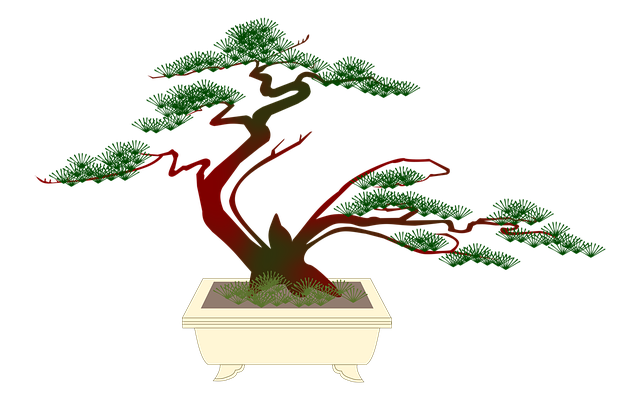
Understanding the history of bonsai gives modern growers more than just background knowledge. It provides context for why certain techniques exist, how styles developed, and why miniature trees are treated as both living sculptures and long-term commitments.
When you learn how bonsai evolved from ancient penjing to refined Japanese art and then to a global practice, you begin to appreciate the traditions that shape every branch you wire and every pot you choose. The history of bonsai helps hobbyists recognise the depth behind even the simplest styling decision.
This historical insight also encourages respect for the craft. Knowing how many generations contributed to the tools, pots, species selection, and training methods we use today adds meaning to your own work. It reminds growers that each tree is part of a lineage that spans centuries.
The history of bonsai shows that while trends change, the core values of patience, care, and dedication remain constant, guiding beginners and experts alike as they create and maintain their trees.
A living tradition shaped across centuries
The history of bonsai is a remarkable journey that connects ancient artistry with modern creativity. From the detailed landscapes of early China to the refined techniques developed in Japan and the global community that thrives today, each chapter has added depth and character to the art.
Understanding the history of bonsai helps growers appreciate not only where the craft comes from but also how their own trees fit into this long continuum. Every bonsai grown today carries echoes of its past, reminding us that this living art continues to evolve while honouring the traditions that shaped it.
If you liked this article, please feel free to check out our other Bonsai Lore guides!