The meaning of bonsai reaches far beyond the image of a small, beautifully shaped tree sitting on a table. While many people recognise bonsai for its delicate size and artistic form, the true meaning of bonsai is rooted in centuries of tradition, craftsmanship and human connection.
Bonsai represents the meeting point between horticulture and art, where growers carefully shape living trees to reflect the beauty, movement and character found in nature. Understanding the meaning of bonsai helps us appreciate why this ancient practice continues to inspire, calm and captivate people all over the world.
Table of Contents
The True Meaning of Bonsai
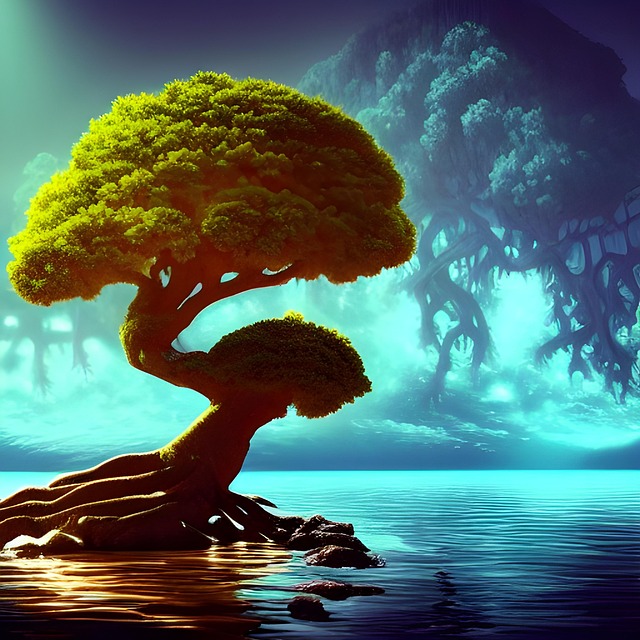
To understand the deeper meaning of bonsai, it helps to begin with its literal definition. The word “bonsai” comes from two Japanese characters: bon, meaning “tray” or “shallow container,” and sai, meaning “plant” or “to grow.” At its simplest, bonsai refers to a tree grown in a container. However, this definition is only the starting point because bonsai is not defined by the container alone. It is defined by the intention behind it.
In practice, bonsai is the art of cultivating a tree in miniature form through careful pruning, shaping and long-term care. These trees are not genetically small. They are ordinary species such as pines, maples, ficus, junipers and many others, trained to grow in a way that mirrors the shapes, textures and movement of full-sized trees found in forests or natural landscapes. This living craft transforms an everyday tree into a piece of natural art.
Understanding this broader definition is essential to appreciating the meaning of bonsai. Instead of forcing a tree to become something unnatural, bonsai respects its natural growth while guiding it into a refined and expressive form. This combination of horticulture and artistic purpose creates the foundation of bonsai’s deeper meaning.
How Bonsai Represents Nature in Miniature
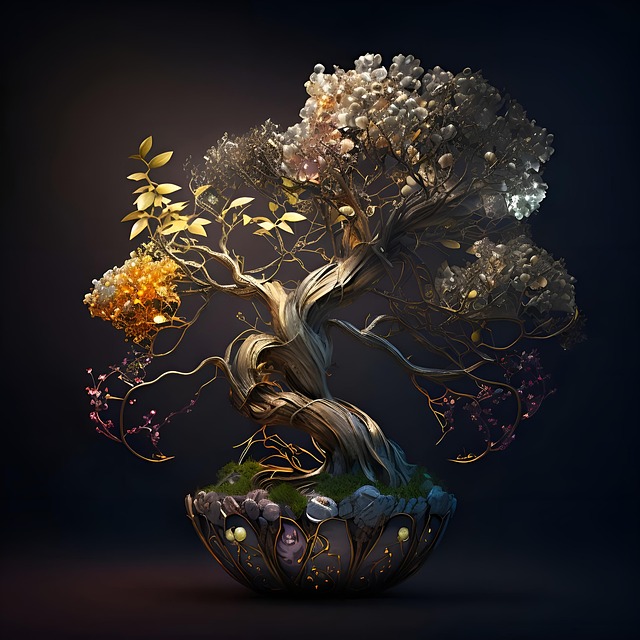
One of the most important ways to understand the meaning of bonsai is to see how each tree captures the essence of nature in a much smaller space. Bonsai is not about shrinking a tree for novelty. It is about recreating the feeling of a landscape, a mountain forest or an ancient tree shaped by time, all within a container that fits on a table. When viewed this way, bonsai becomes a carefully crafted reflection of the natural world.
Growers study how trees grow in the wild. They observe how branches bend toward the light, how trunks twist under the pressure of wind and how roots grip onto rocky slopes. These natural patterns influence the decisions made during pruning and shaping. The aim is not perfection, but authenticity. A bonsai tree should look as though it could exist in nature if the viewer only stepped back and imagined it at full scale.
This idea is central to the meaning of bonsai because it shows how artistry and horticulture work together. The grower does not force the tree into an artificial shape. Instead, they guide it toward a form that expresses age, character and movement. A well-styled bonsai can resemble a tree that has stood on a cliff for decades, a small forest with trees of varying sizes or a solitary pine battling the elements on a mountainside.
By capturing the spirit of these natural scenes, bonsai allows people to bring a piece of the outdoors into their homes and gardens. It becomes both a reminder of the beauty found in nature and a celebration of the skill required to recreate that beauty in miniature. This connection to natural landscapes is one of the reasons bonsai continues to hold such meaningful appeal around the world.
The Artistic Meaning of Bonsai
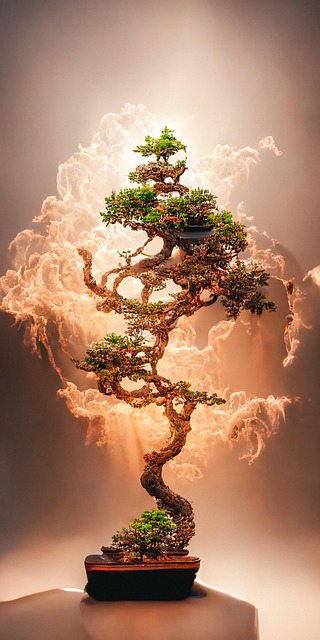
The meaning of bonsai is closely tied to its role as a form of living art. Unlike traditional art forms that use paint, clay or stone, bonsai uses a growing tree as its medium. This makes it a unique art form where creativity must work hand in hand with biology. The grower cannot simply impose a design. They must understand how the tree grows, how it responds to pruning and how its branches naturally move toward the sun.
Artistic principles guide every decision. Balance is one of the most important. A bonsai should feel stable and grounded, even when the design leans or curves. Proportion also plays a central role. The trunk, branches, leaves and pot must all complement one another, creating a tree that looks complete and harmonious. Movement is equally important. A well-designed bonsai has a flow that guides the eye from the base of the trunk upward through the branches, revealing the tree’s story through its shape.
The artistic meaning of bonsai becomes especially clear when viewing a mature tree. Each curve in the trunk and each placement of a branch reflects years of patient shaping. The tree carries the signature of the grower, but it also retains its own natural identity. This partnership between nature and human intention is one of the elements that makes bonsai so compelling.
At its heart, the meaning of bonsai in an artistic sense lies in its ability to express emotion and atmosphere. A rugged pine can evoke strength and endurance. A gentle maple can suggest calmness or seasonal change. A small forest planting may feel like a peaceful walk in the woods. Through form and composition, each bonsai communicates something unique, showing how art can flourish through living branches and roots.
The Human Connection: Grower and Tree
A significant part of the meaning of bonsai comes from the long-term relationship between the grower and the tree. Bonsai is not a quick project. It is a partnership that develops slowly over years and often over decades. This ongoing connection gives bonsai a meaning that goes far beyond simple plant care.
A Practice Built on Patience
A bonsai cannot be rushed.
- Branches must be shaped slowly.
- Roots must be pruned carefully.
- Growth must be observed over each season.
Patience becomes part of the grower’s identity, teaching them to appreciate small changes that others might overlook.
Learning Through Observation
Bonsai requires constant attention. A grower becomes familiar with a tree’s habits, reactions and needs.
- How new buds form
- How the tree responds to pruning
- How growth changes through the seasons
This level of observation deepens the personal meaning of bonsai because it turns routine care into a mindful practice.
Creativity and Personal Expression
Every grower develops their own style, and every tree responds differently. Together, they create a work of living art.
- Some trees become elegant and gentle
- Others become rugged and dramatic
- Some reflect the grower’s own personality
This shared creative journey is one of the most meaningful aspects of bonsai.
A Bond That Strengthens Over Time
The more time a grower spends with a tree, the more significant the relationship becomes. The meaning of bonsai grows with each year. The tree matures, the design becomes more refined and the grower gains a deeper understanding of the craft.
This bond is unique to bonsai. It is a living connection shaped by care, patience and understanding. It transforms bonsai into more than an art form. It becomes a personal experience that continues to evolve for a lifetime.
Bonsai in Modern Life
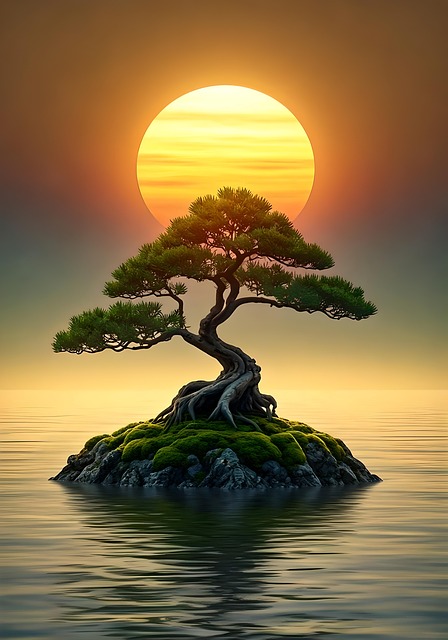
In today’s fast-paced world, the meaning of bonsai continues to hold strong relevance. Many people turn to bonsai as a way to slow down and reconnect with something living and grounding. As modern life becomes more digital and demanding, the act of caring for a bonsai tree offers a sense of calm and balance. The tree becomes a small reminder of nature’s rhythm and a counterpoint to the constant movement of daily routines.
Bonsai also fits easily into contemporary living spaces, which makes it appealing to a wide range of growers. Whether someone lives in a city apartment or a suburban home, a bonsai tree can bring a touch of nature into the environment without requiring large outdoor space. This accessibility has helped bonsai grow in popularity across the world and has given new meaning to the practice for people of all ages.
For many, bonsai represents a personal sanctuary. It provides a moment of reflection each time the tree is watered, pruned or simply observed. The tree’s slow, steady growth stands in contrast to the speed of modern life, inviting a more mindful approach to daily habits. In this way, the meaning of bonsai extends beyond the tree itself. It becomes part of a lifestyle that values presence, patience and quiet creativity.
As communities of growers expand both locally and online, bonsai has also become a way for people to connect. Enthusiasts share their progress, ask for guidance and celebrate the milestones in their trees’ development. This sense of community adds another layer to the meaning of bonsai because it shows how a centuries-old practice can continue to evolve and inspire people today.
A Living Art with Enduring Meaning
The meaning of bonsai is far richer than the appearance of a miniature tree. It is a practice shaped by intention, creativity and a deep respect for nature. Each bonsai represents the meeting of art and horticulture, where every curve of a branch and every choice of design reflects careful thought and patient guidance. Through this process, growers create living scenes that mirror the beauty of the natural world in a thoughtful and expressive way.
Beyond technique, the meaning of bonsai is also found in the relationship between the grower and the tree. It is a partnership built over many years, shaped by observation, care and personal expression. In modern life, bonsai offers something rare. It provides calm in busy spaces, connection in a digital world and a mindful escape that encourages people to slow down and appreciate small moments.
By understanding the meaning of bonsai, we appreciate not only its beauty but also the depth of experience it offers. Bonsai remains a timeless art form because it continues to inspire, challenge and comfort those who choose to cultivate it.
If you enjoyed this article, be sure to check out our other bonsai lore guides!