

Learning how to identify a bonsai is one of the most enjoyable parts of working with miniature trees. While bonsai are grown in containers and trained into artistic shapes, they are still regular tree species at their core. This means the best way to identify a bonsai is by looking at the same clues you would use on a full-sized tree.
This guide covers general identification features such as leaves, flowers, seeds and pods, bark texture and seasonal changes. Because each species has its own details, we will explore specific bonsai varieties in separate articles. We will also publish dedicated guides in our Bonsarium for leaf types, flower structures, seed shapes and other fine characteristics as part of the larger Bonsarium on our site.
Table of Contents
1. Start With the Leaves
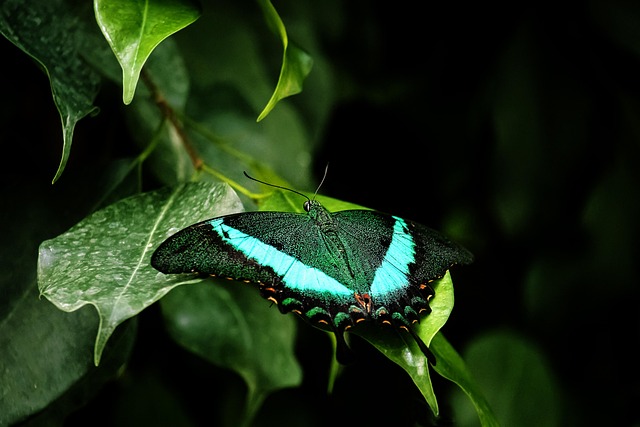
Leaves are often the easiest place to begin when you want to identify a bonsai. Their shape, size, texture, and arrangement reveal a lot about the species. Even though bonsai leaves are sometimes smaller due to training, their overall form remains consistent.
General leaf features to examine
- Shape: round, oval, needle-like, lobed, serrated or elongated.
- Arrangement: opposite, alternate or whorled along the branch.
- Texture: glossy, matte, soft, leathery or fuzzy.
- Veins: parallel, branching or net-like patterns.
Examples of what leaves can indicate
- Needle-like leaves may point towards pines, junipers or spruces.
- Glossy oval leaves often appear on ficus and other tropical species.
- Deeply lobed leaves are characteristic of maples.
A more detailed look at leaf shapes will appear in our upcoming Bonsai Leaf Identification Guide.
2. Examine the Flowers
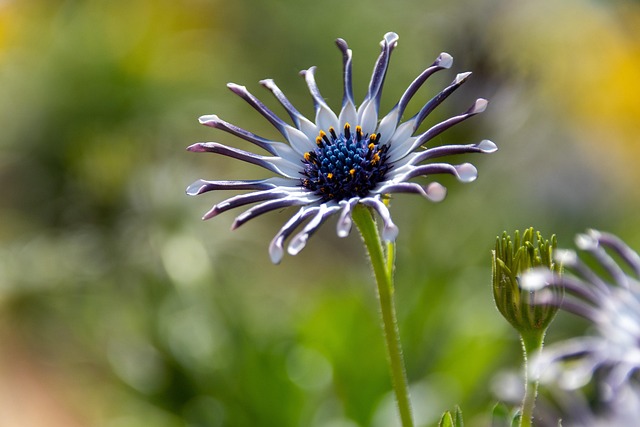
Not every bonsai will flower every year, but when they do, blossoms can be one of the fastest ways to identify a bonsai. Flowers follow species-specific patterns, so their colour, shape and size provide excellent clues.
What to look for
- Flower structure: single, clustered, bell-shaped, star-shaped or tubular.
- Colour range: whites, pinks, reds, yellows and purples.
- Blooming period: some species are early bloomers, while others flower in spring or late summer.
- Fragrance: certain bonsai species are known for strong or subtle scents.
Species such as azalea, cherry, wisteria and pomegranate are famous for their distinctive blossoms. We will expand on these in our Flower Identification for Bonsai guide.
3. Look at the Seeds, Pods and Fruit
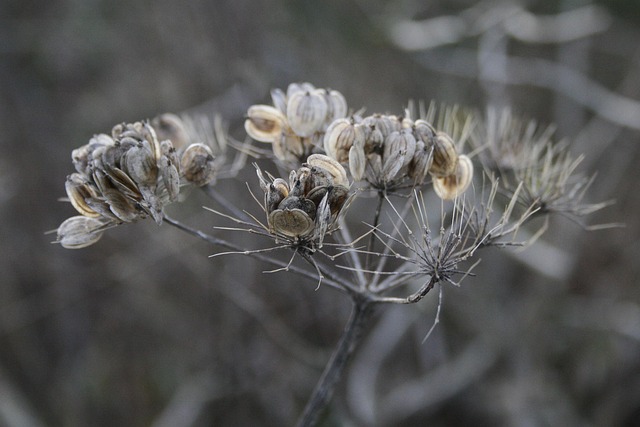
Many trees form distinctive seeds or fruiting bodies, which can help you identify a bonsai even when leaves or flowers are not available.
Features to focus on
- Seed type: winged seeds, hard nuts, berries, pods, cones or fleshy fruit.
- Pod and cone structure: length, thickness, number of scales or chambers.
- Fruit size and shape: round, elongated, segmented or clustered.
- Colour changes: how the fruit or pod matures over time.
For example:
- Winged seeds are common in maples and elms.
- Fleshy berries often belong to species such as cotoneaster.
- Cones indicate coniferous bonsai like pine, spruce or fir.
Upcoming BBB articles will cover each seed and pod type in greater detail.
4. Study the Bark Texture
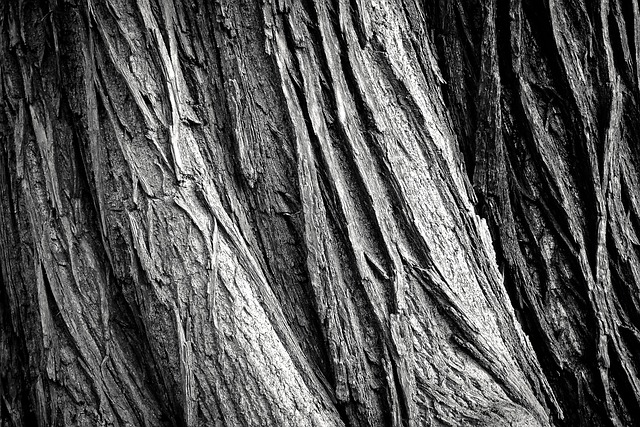
Bark is an essential clue when learning how to identify a bonsai, especially in older trees. Bark texture can change with age, but its core characteristics remain reliable for identification.
Bark features to observe
- Texture: smooth, flaky, plated, fissured or peeling.
- Colour: grey, brown, reddish, light tan, or nearly black.
- Patterning: horizontal lines, vertical ridges, corky bumps or spotted markings.
- Ageing behaviour: some species crack deeply as they mature, while others stay smooth.
Examples include:
- Junipers often develop fibrous, stringy bark.
- Cork oaks show thick, rugged plates.
- Chinese elms may have mottled, patchy bark patterns.
Our Bark Texture Guide will cover these patterns species by species.
5. Notice Seasonal Changes
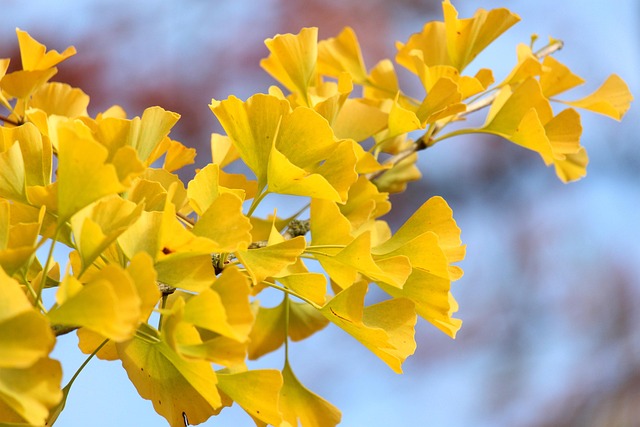
Seasonal behaviour is another excellent way to identify a bonsai, particularly when comparing deciduous, evergreen and tropical trees.
Key seasonal indicators
- Deciduous species: lose leaves in winter, show brilliant autumn colours, and produce fresh buds in spring.
- Evergreens: maintain foliage year-round, with subtle colour shifts depending on the season.
- Tropical species: prefer consistent warmth and may respond quickly to temperature dips or water changes.
Observing how your bonsai behaves from season to season helps narrow down the species, especially when combined with leaf, bark and flower clues.
A General Guide Leading to Detailed Species Identification
This article is designed to help beginners identify a bonsai using broad characteristics. These features form the foundation for species identification, but true accuracy comes from comparing multiple details together. Over time, BBB will publish:
- Species-specific identification guides
- Dedicated leaf, flower, and seed reference pages
- A complete Bonsai Taxonomy and Bonsarium system
- Photos and examples across multiple seasons
Together, these resources will help you master the art of identifying any bonsai species confidently.