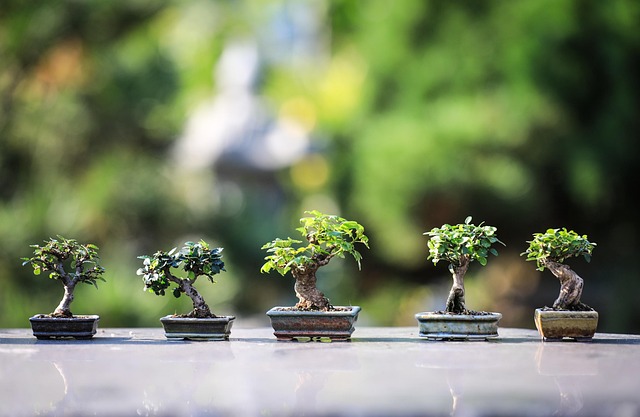
Finding the right bonsai tree stores can make the difference between bringing home a healthy, thriving bonsai and one that struggles from the start. Whether you are a beginner buying your first tree or an experienced grower expanding your collection, choosing a reliable seller is essential. With so many online and physical options available, understanding what to look for helps you avoid costly mistakes and ensures a better long-term experience.
This guide walks you through the key factors to consider when comparing bonsai tree stores, from examining plant quality and store reputation to understanding the differences between in-person shopping and online ordering.
What makes a good bonsai tree store?
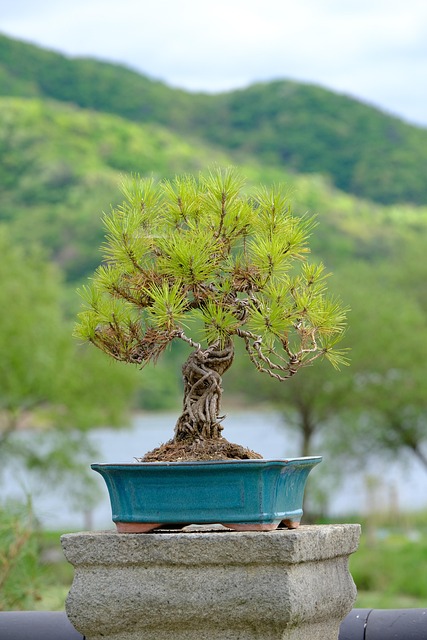
High-quality bonsai tree stores prioritise plant health, care knowledge and transparency. A reputable seller will:
- Provide clear, honest information about species, age and care requirements
- Display trees in clean, well-maintained environments
- Offer advice suited to your climate and skill level
- Show visible signs of healthy growth, such as vibrant leaves and strong root systems
- Avoid gimmicks like artificially glued rocks or wire marks hidden under moss
Good stores understand that bonsai is a long-term investment and treat their plants accordingly.
Signs of a healthy bonsai when shopping in person
Physical bonsai tree stores give you the advantage of seeing the tree up close. When visiting a nursery or specialist shop, inspect:
- Leaves: no yellowing, curling or unexplained spots
- Trunk and branches: no cracks, rot or unusual softness
- Roots: visible roots should be firm and not circling tightly
- Soil condition: well-draining, not muddy or overly dry
- Wiring: should be neat and not cutting deeply into the bark
If a tree looks dehydrated, unstable or unnaturally shaped, it may have been rushed for sale.
Shopping for bonsai online: what to watch out for
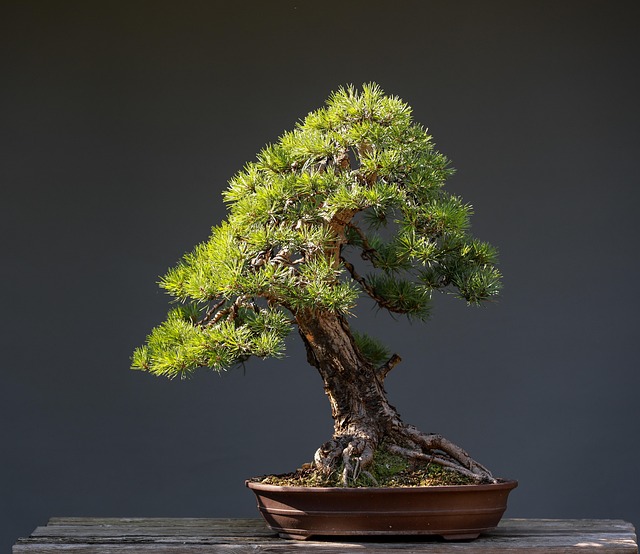
Online bonsai tree stores offer convenience and variety, but they also require caution. Product photos can be misleading, especially with stock images that do not represent the exact tree you will receive.
When buying online, look for:
- Actual photos of the exact tree for sale
- Clear details about height, pot size and species
- Transparent shipping practices that protect the tree
- Stores that offer climate-specific advice
- Customer reviews mentioning plant health, not just delivery speed
Avoid listings with vague descriptions, unrealistic pricing or trees that appear heavily edited in photos. Bonsai shipping can be stressful for the plant, so stores should clearly explain how they package and protect trees during transit.
Comparing online and physical bonsai stores
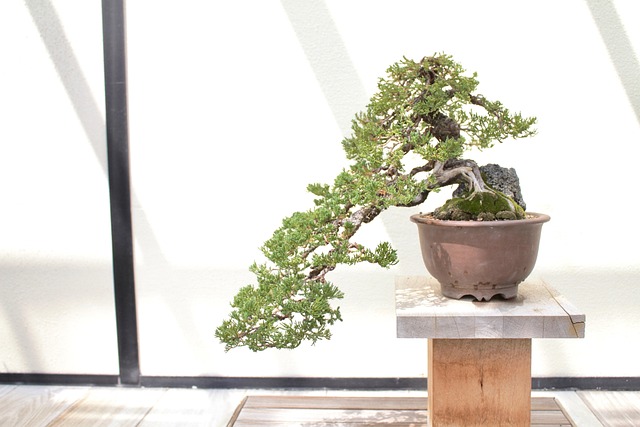
Both types of bonsai tree stores have benefits, and the right choice depends on your goals.
Advantages of physical stores
- You can inspect the tree directly
- Staff can give personalised guidance
- Less risk of shipping damage
- You see the true colour, shape and size
Advantages of online stores
- Larger variety of species
- Access to growers outside your region
- Easy price comparison
- Convenient for remote areas
The best approach is to buy your first few trees in person to gain experience and confidence, then explore online stores once you understand what a healthy bonsai should look like.
Price ranges: what to expect
Different bonsai tree stores may price trees based on age, species, styling, trunk thickness and pot quality. As a general guide:
- Starter trees: affordable and ideal for beginners
- Intermediate trees: more refined structure and shaping
- Specimen trees: premium, older trees with significant artistry
A lower price is not always a bargain, and a higher price does not always guarantee quality. Evaluate the tree, not just the cost.
Red flags that indicate a poor bonsai store
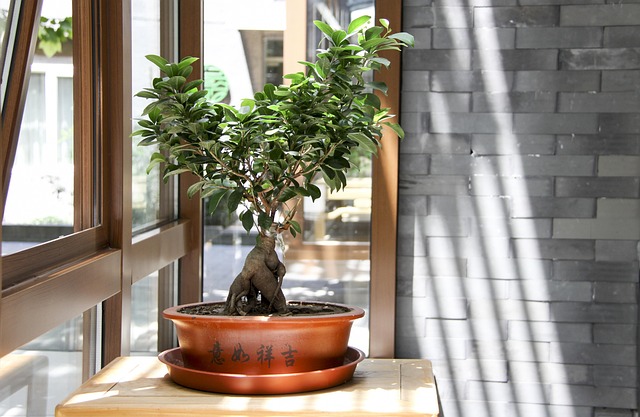
Whether online or physical, avoid stores that show signs of:
- Overcrowded trees packed too tightly
- Bonsai in poor soil or standing water
- No willingness to answer questions
- Stock images instead of actual photos
- Unclear return or refund policies
- Trees sold with glued-on rocks or dyed gravel
These signs often indicate low-quality mass production rather than proper horticultural care.
Choose bonsai tree stores that support long-term growth
Choosing the right bonsai tree stores is as important as choosing the tree itself. Reliable sellers prioritise plant health, offer honest guidance and care deeply about the art of bonsai. By understanding what to look for and what to avoid, you can confidently select stores that provide healthy, well-cared-for trees that thrive in your home or garden.