
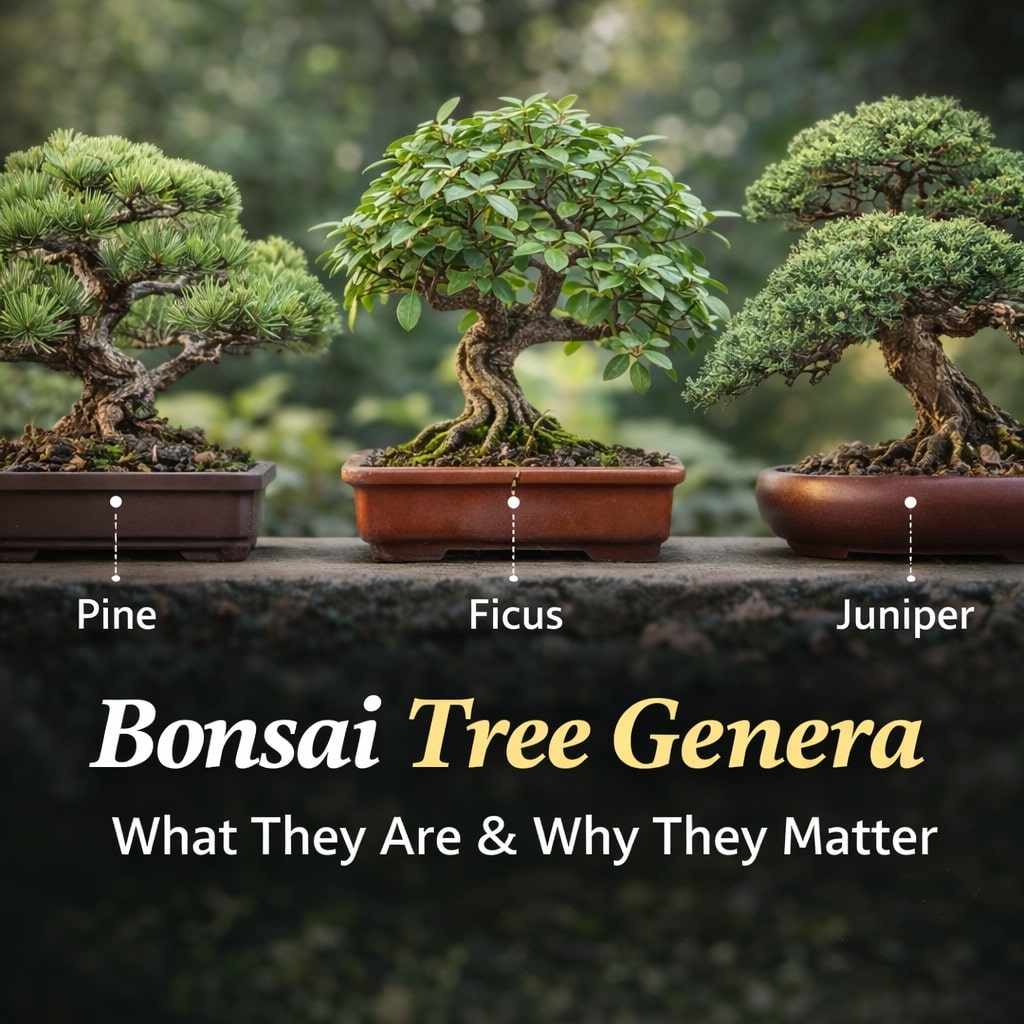
Bonsai tree genera form the backbone of how bonsai trees are grouped, named, and understood. Before you reach the level of individual species or cultivars, every bonsai belongs to a broader genus that shares common biological traits, growth habits, and care tendencies.
Learning about bonsai tree genera helps bonsai enthusiasts make sense of why certain trees behave similarly, respond to the same techniques, and are often referred to by a shared name such as Ficus, Pine, or Juniper. While the genus is not the final identification, it is the critical parent category that leads to accurate species recognition later.
What is a genus in bonsai trees?

In botanical classification, a genus is a group of closely related species that share key structural and genetic characteristics. Bonsai tree genera sit above species in the scientific hierarchy and below plant families, acting as a bridge between broad classification and precise identification.
For bonsai, the genus often describes visible traits such as leaf structure, bark texture, growth form, and root behaviour. This is why many bonsai are commonly named by genus first, especially when the exact species is unknown or unnecessary for basic care.
How scientists determine bonsai tree genera
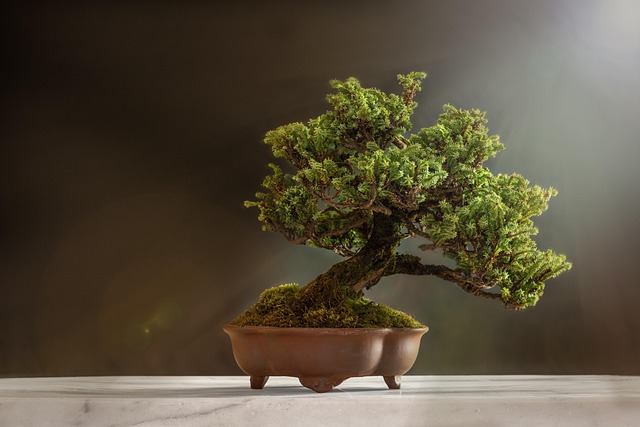
Scientists classify bonsai tree genera using a combination of physical traits and genetic relationships. Leaf arrangement, flower structure, seed formation, and growth patterns are carefully studied to determine how closely plants are related.
Modern DNA analysis now plays a major role in confirming genera, helping botanists understand evolutionary relationships that may not be obvious from appearance alone. For bonsai practitioners, this scientific groundwork ensures that genera represent genuine biological similarities, not just visual convenience.
Common factors shared within bonsai tree genera
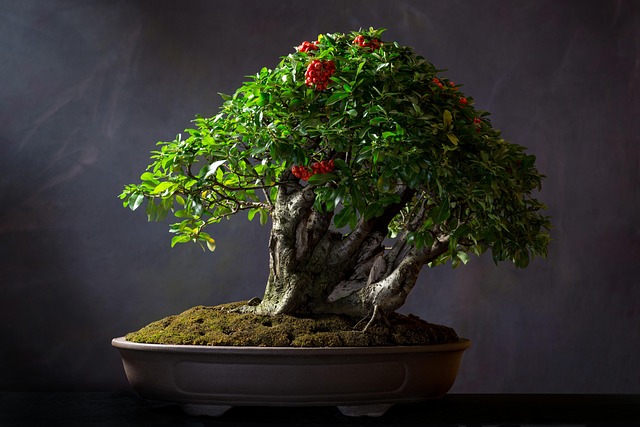
Trees within the same genus often share environmental preferences, pruning responses, and seasonal behaviour. This is why understanding bonsai tree genera can immediately guide decisions around watering, soil choice, sun exposure, and styling techniques.
For example, many trees within the same genus tolerate similar levels of pruning or wiring stress. While individual species may vary slightly, the genus provides a reliable starting point for care and design choices.
Why bonsai are often named by genus
In everyday bonsai practice, many trees are referred to primarily by their genus rather than their full species name. Names such as Ficus bonsai, Pine bonsai, or Juniper bonsai are widely used because the genus already conveys essential care information.
This convention reflects the practical importance of bonsai tree genera. Even without knowing the exact species, growers can still apply appropriate techniques based on genus-level knowledge, especially during early training stages.
How bonsai tree genera help with care decisions
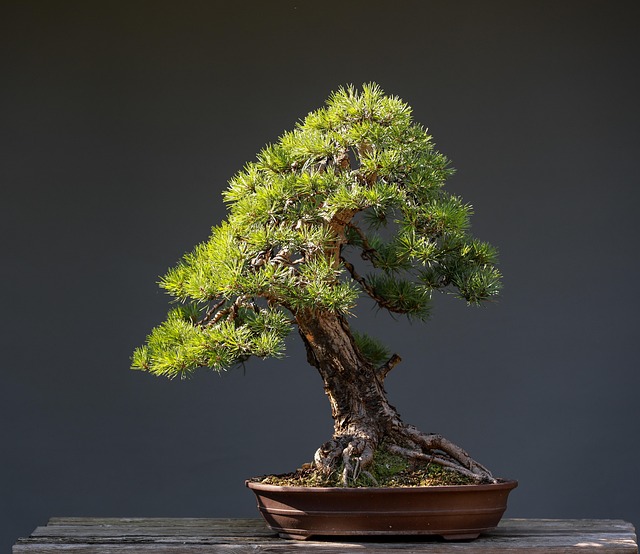
Recognising bonsai tree genera allows growers to make informed care decisions with confidence. Genera often indicate whether a tree is indoor or outdoor, evergreen or deciduous, tropical or temperate.
This understanding prevents common mistakes such as keeping outdoor genera indoors year-round or applying tropical watering habits to temperate trees. The genus acts as a care framework long before species-specific adjustments are needed.
Using bonsai tree genera to identify species later
While bonsai tree genera are not the final step in identification, they make narrowing down species far easier. Once the genus is known, leaf size, needle count, growth rate, and regional origin can be examined to identify the exact species.
This step-by-step approach mirrors how botanists work in the field and helps bonsai enthusiasts develop stronger observation skills over time. Mastering genera is often the key to confidently identifying unknown trees.
Why bonsai tree genera matter
Understanding bonsai tree genera is essential for anyone serious about bonsai cultivation. Genera explain why trees behave the way they do, guide proper care, and provide the foundation for accurate species identification later.
By learning to recognise and work with bonsai tree genera, enthusiasts gain clarity, confidence, and consistency in their bonsai journey. It is not just a scientific concept, but a practical tool that improves both tree health and long-term bonsai success.