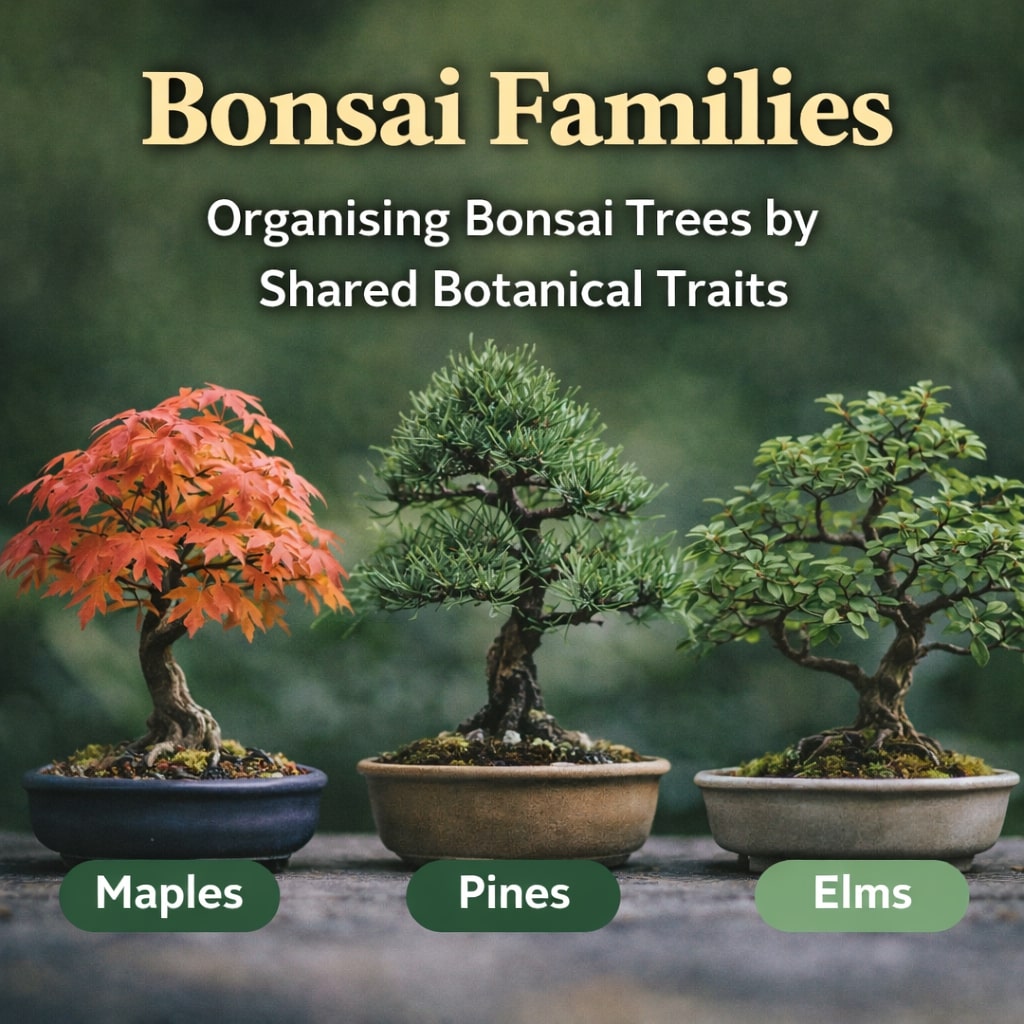
When people first discover bonsai, they often focus on the shape, age, or artistic style of a tree. While those elements are important, one of the most critical foundations of bonsai knowledge is understanding bonsai tree families. Bonsai tree families explain how trees are grouped, what characteristics they share, and why certain care techniques work across multiple species.
By learning how bonsai tree families are structured, beginners and experienced growers alike can make better decisions about care, placement, watering, and long-term health.
What are bonsai tree families?
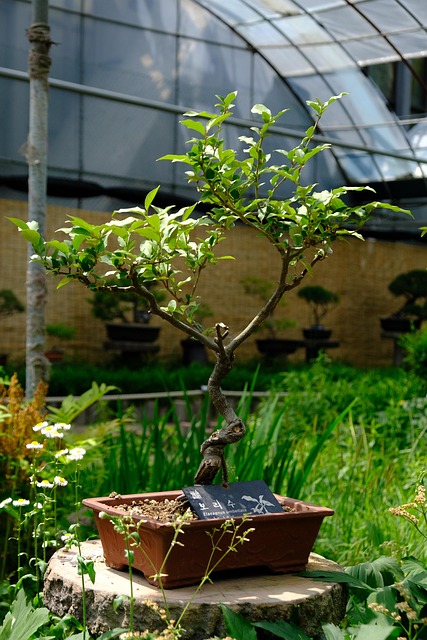
Bonsai tree families are part of botanical classification. In simple terms, a family is a group of trees that share common genetic traits, growth habits, and structural characteristics. These similarities exist whether the tree is grown in the ground or trained as a bonsai.
In bonsai, tree families help explain why certain species behave in similar ways. Trees within the same family often share:
- Leaf or needle structure
- Bark texture and development
- Root growth patterns
- Seasonal behaviour
- Similar care requirements
Understanding bonsai tree families allows growers to apply knowledge across multiple species instead of learning every tree from scratch.
How bonsai trees are grouped into families
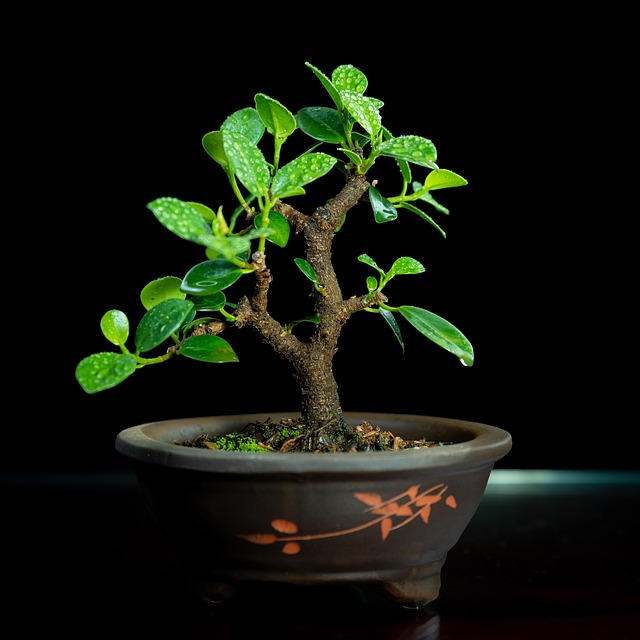
Bonsai trees follow the same botanical hierarchy used in nature. This hierarchy flows from broad to specific:
- Group (for example, conifers or broadleaf trees)
- Family
- Genus
- Species
Bonsai tree families sit in the middle of this structure. They connect large groups of trees to more specific genera and species. For example, once you understand the traits of a family, learning individual species within that family becomes much easier.
This grouping system is especially useful in bonsai because many families respond similarly to pruning, wiring, and seasonal care.
What connects trees within the same bonsai family?
Trees within the same bonsai family are connected by shared biological traits. These connections are not just visual. They affect how the tree grows, how it responds to stress, and how it should be cared for over time.
Common connections include:
- Similar wood density and branch flexibility
- Comparable leaf or needle replacement cycles
- Matching dormancy requirements
- Shared responses to temperature and sunlight
For bonsai growers, these connections mean that experience with one family member often translates directly to success with another.
Why bonsai tree families are important for care
One of the biggest benefits of understanding bonsai tree families is improved care consistency. When you know a tree’s family, you gain insight into its basic needs before even learning the species name.
Bonsai tree families help with:
- Watering decisions, as families often prefer similar moisture levels
- Sunlight requirements, especially for outdoor versus indoor bonsai
- Pruning timing, since growth cycles are often family-wide
- Fertilising strategies, based on shared nutrient demands
This knowledge reduces mistakes and helps prevent common beginner issues such as overwatering, incorrect placement, or poor seasonal timing.
Bonsai tree families and long-term planning
Bonsai is a long-term practice, often spanning decades. Understanding bonsai families helps growers plan years ahead rather than reacting to short-term problems.
Family knowledge supports:
- Selecting companion plants and mosses
- Choosing appropriate pots and soil mixes
- Planning repotting schedules
- Anticipating future growth patterns
By working with the natural tendencies of bonsai tree families instead of against them, trees develop more naturally and remain healthier over time.
Learning bonsai through families, not just species
Many beginners feel overwhelmed by the number of bonsai species available. Focusing on bonsai tree families simplifies the learning process. Instead of memorising hundreds of species, growers can learn a smaller number of families and apply that understanding broadly.
This family-based approach builds confidence, speeds up learning, and creates a stronger foundation for advanced bonsai techniques later on.
Why bonsai tree families belong at the core of bonsai knowledge
Bonsai tree families form the backbone of bonsai education. They explain how trees are grouped, what connects them, and why those connections matter in daily care and long-term development.
By understanding bonsai tree families, growers gain clarity, reduce guesswork, and develop a deeper relationship with their trees. Whether you are just starting out or refining your collection, family knowledge turns bonsai from a trial-and-error hobby into a purposeful and rewarding practice.