
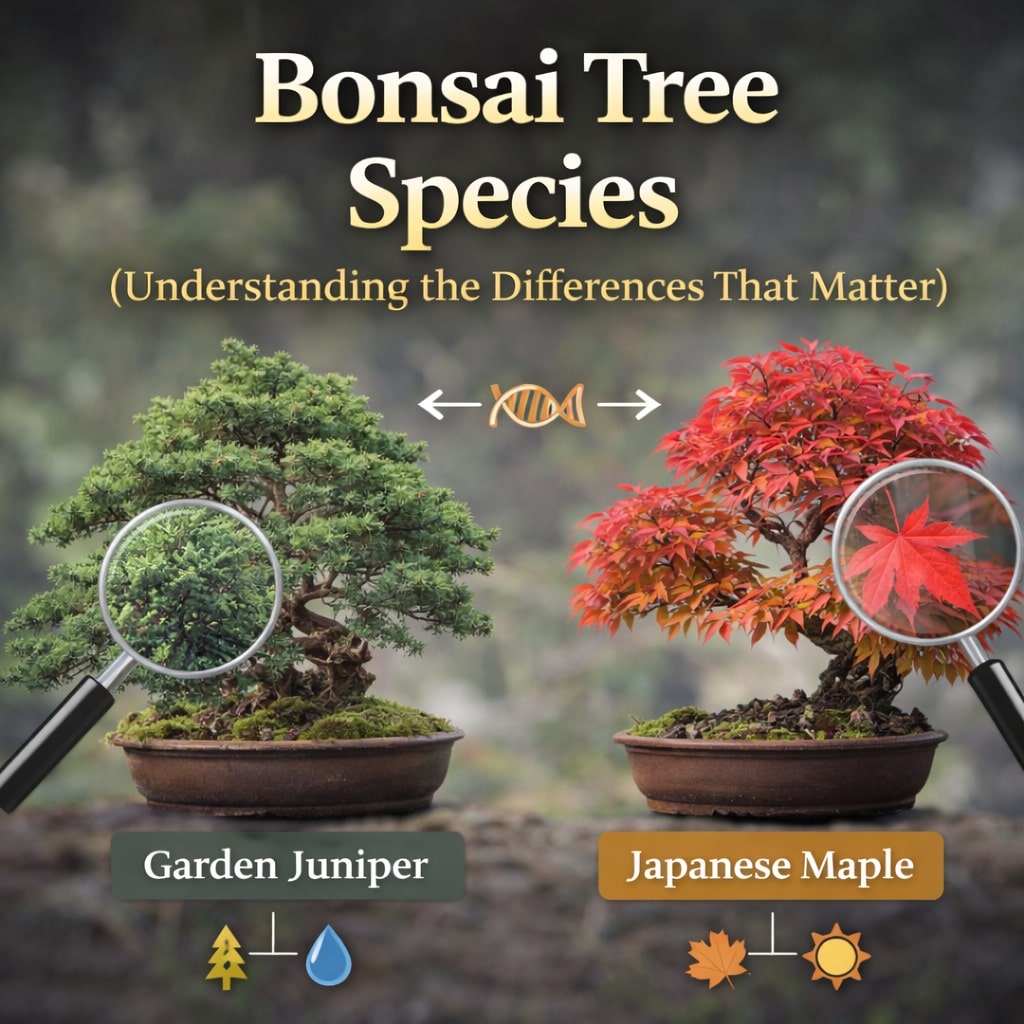
While many people refer to bonsai trees by broad names such as juniper, maple, or pine, these labels only tell part of the story. Beneath each common name lies a wide range of distinct trees with different growth habits, leaf shapes, bark textures, and care requirements.
Understanding bonsai tree species is essential for proper identification, long-term care, and successful styling. Knowing exactly which species you are working with helps you make better decisions about pruning, watering, wiring, and seasonal maintenance.
What Are Bonsai Tree Species?
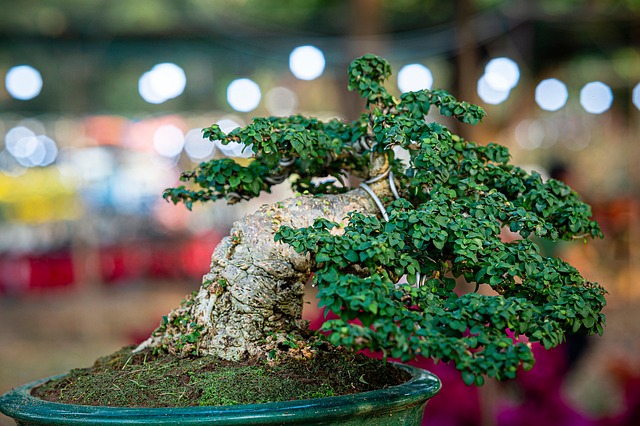
A bonsai tree species refers to a specific type of tree within a genus that has its own unique genetic and physical characteristics. While genera group trees that are closely related, species define the individual members within that group.
For example, junipers belong to the same genus, but garden junipers and Chinese junipers are different species. Each reacts differently to pruning, climate, and bonsai techniques. This distinction is why bonsai tree species matter far more than generic names.
How Scientists Differentiate Bonsai Tree Species
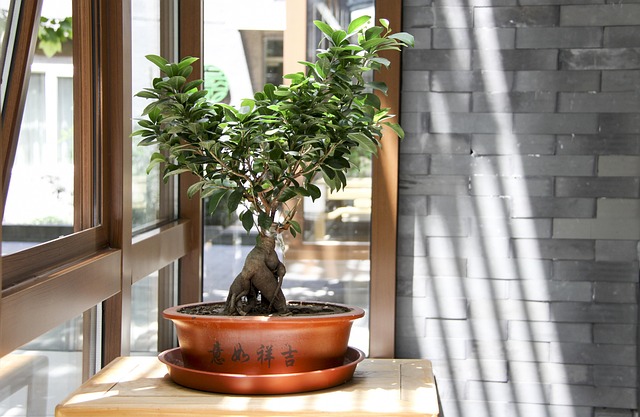
Botanists and plant scientists use several criteria to distinguish one species from another. These differences may be subtle at first glance but become obvious with experience.
Leaf and Needle Structure
Leaf shape, size, texture, and arrangement are key indicators. Japanese maples, for example, typically have finer, more deeply lobed leaves than many Chinese maples. Juniper species may differ in needle sharpness, scale foliage, or colour.
Bark Characteristics
Bark texture, colour, and how it ages are important identifiers. Some species develop flaky or peeling bark, while others remain smooth for many years. These traits are often crucial when identifying older bonsai.
Growth Habit and Internodes
Scientists observe how a tree grows naturally. Branching patterns, internode length, and overall structure vary between species and directly influence bonsai styling potential.
Flowers, Fruit, and Seeds
When present, flowers and fruit provide strong clues. Berry colour on junipers or seed shape on maples can clearly separate one species from another.
These scientific distinctions help ensure accurate classification of bonsai tree species and prevent misidentification.
Why Knowing Bonsai Tree Species Is Important
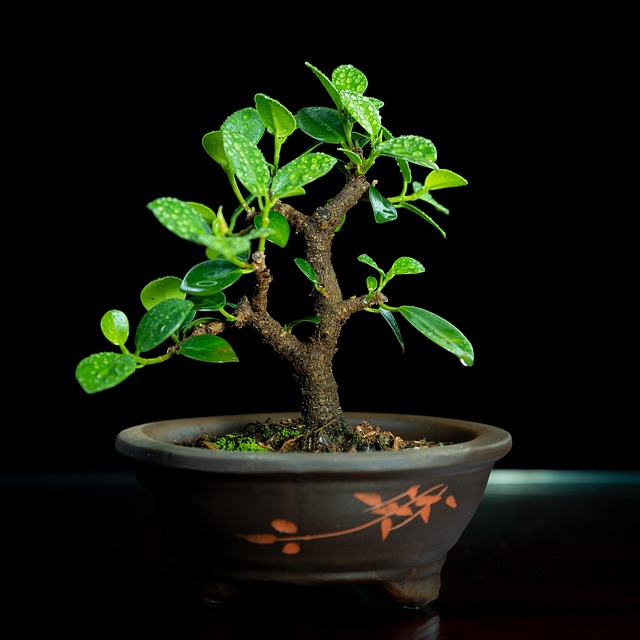
Many beginners struggle because they follow generic care advice that does not suit their specific tree. Understanding bonsai tree species solves this problem.
Accurate Care Requirements
Different species have different needs for sunlight, water, and feeding. A garden juniper may tolerate harsher outdoor conditions than a Chinese juniper, which prefers slightly different moisture levels and pruning timing.
Seasonal Behaviour
Species respond differently to seasonal changes. Some maples break dormancy earlier, while others hold their leaves longer in autumn. Knowing your species helps prevent stress during seasonal transitions.
Styling and Pruning Decisions
Certain species back-bud readily, while others do not. Some tolerate heavy pruning, while others require a gentler approach. Bonsai tree species knowledge allows you to style with confidence rather than guesswork.
Common Bonsai Tree Species Comparisons
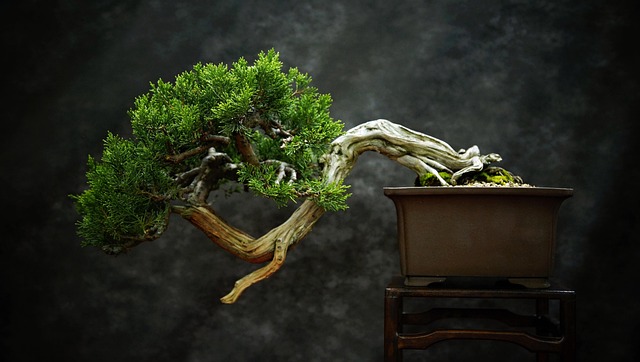
Many bonsai enthusiasts encounter confusion when comparing closely related trees. A few common examples include:
- Garden junipers versus Chinese junipers
- Japanese maples versus Chinese maples
- Black pine versus red pine
- Trident maples versus field maples
Although these trees may appear similar, they behave differently under bonsai training. Learning to recognise these distinctions is a key step in mastering bonsai tree species identification.
How Species Identification Helps Long-Term Bonsai Success
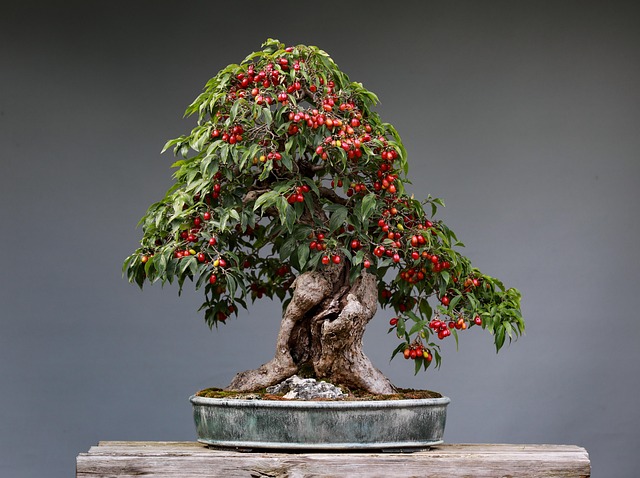
Correctly identifying bonsai tree species improves long-term health and refinement. It allows growers to anticipate growth patterns, manage pests more effectively, and adjust care routines as the tree matures.
Over time, species-specific knowledge leads to stronger trunks, better ramification, healthier foliage, and more convincing miniature trees.
Why Bonsai Tree Species Knowledge Matters
Understanding bonsai tree species moves bonsai from simple plant care to true horticultural art. By learning how scientists differentiate trees and why those differences matter, bonsai growers can provide more precise care and achieve better results.
Whether working with junipers, maples, pines, or other trees, recognising species is a foundational skill that supports every stage of bonsai development.