
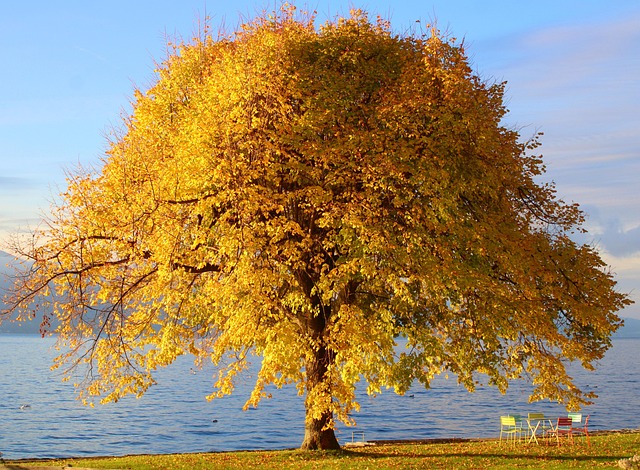
Seasonal identification is one of the most reliable ways to understand and identify bonsai trees. While leaves, flowers, and bark offer valuable clues, observing how a tree changes throughout the year often provides the clearest insight into its species, health, and growth habits.
In the Bonsarium, seasonal identification acts as the final layer that brings all other identification methods together. By paying attention to seasonal patterns, bonsai enthusiasts can make more accurate identifications and better care decisions.
What Is Seasonal Identification in Bonsai?
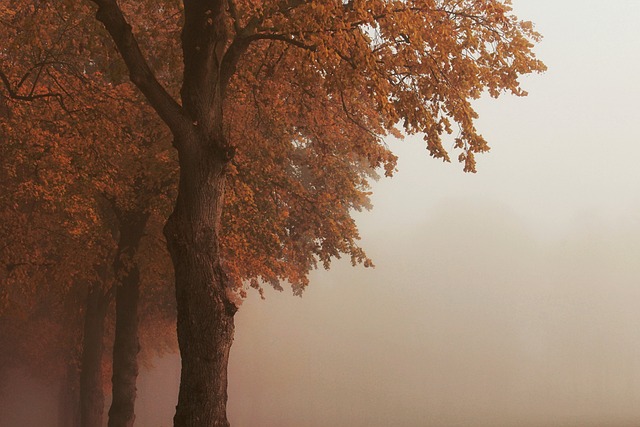
Seasonal identification refers to identifying a bonsai tree by observing how it behaves and changes across the four seasons. This includes growth timing, leaf emergence, flowering periods, colour changes, dormancy, and even how the tree responds to temperature shifts.
Unlike single-point identifiers, seasonal identification relies on patterns over time. These patterns are especially useful when working with deciduous species, flowering trees, or bonsai collected without clear labels.
Spring Indicators for Seasonal Identification
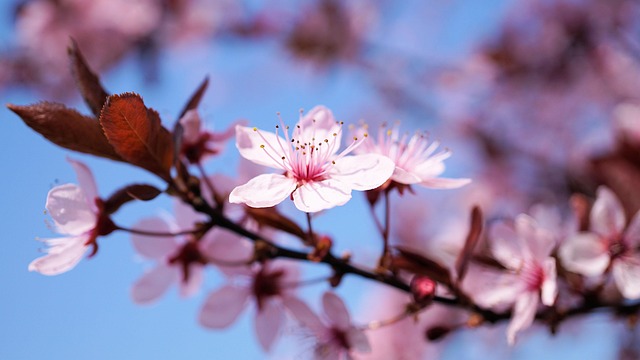
Spring is one of the most important periods for identification. Bud swelling, bud shape, and the timing of leaf emergence offer strong clues about a tree’s identity.
Some species produce leaves early, while others wait for warmer conditions. Flowering bonsai may bloom before leaf-out, during leaf development, or after full foliage appears. These spring behaviours help narrow down species groups and families with greater accuracy.
Summer Growth Patterns and Identification Clues
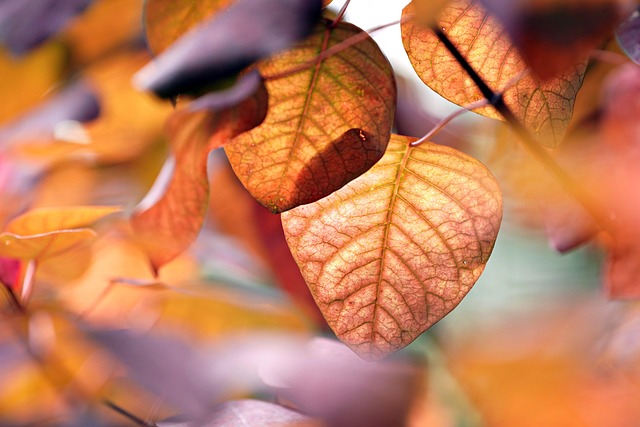
During summer, identification focuses on leaf size, colour, texture, and overall growth habits. Some bonsai maintain compact foliage, while others produce larger leaves that require seasonal pruning.
Growth speed is another key factor. Vigorous summer growth may indicate species adapted to warmer climates, while slower growth can point to alpine or temperate trees. Observing water needs and heat tolerance also adds context to seasonal identification.
Autumn Changes as a Key Identification Tool
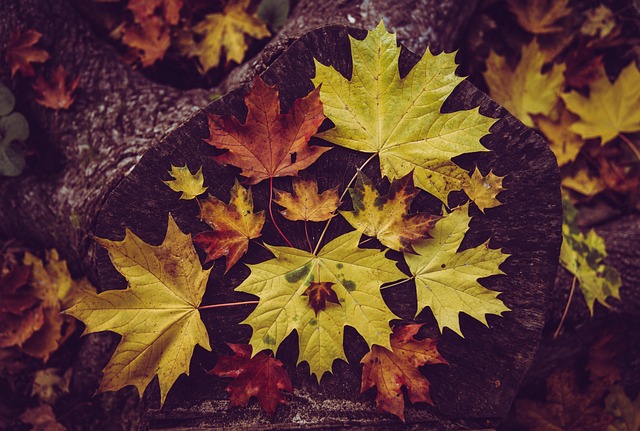
Autumn is one of the most visually distinctive seasons for identification. Leaf colour changes, timing of leaf drop, and fruit or seed production all provide valuable identification markers.
Some species turn yellow, others red, orange, or purple, while certain trees drop leaves rapidly with temperature shifts. Seed pods, berries, and nuts often appear during this period, offering strong confirmation when combined with leaf and bark analysis.
Winter Dormancy and Structural Identification
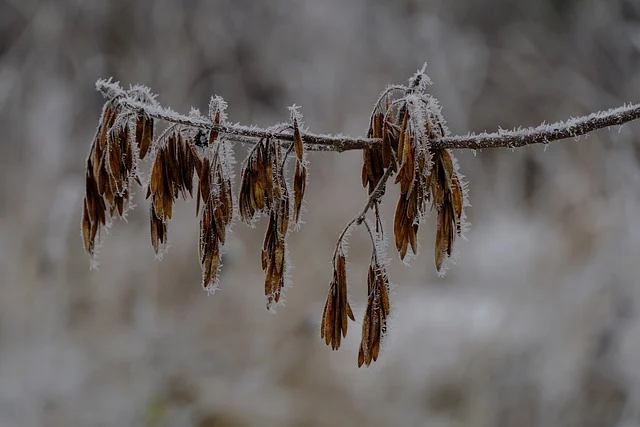
Winter strips a bonsai down to its essentials, making it ideal for structural identification. Without leaves, branch arrangement, internode length, and bud placement become easier to study.
Bark texture and colour are also more visible during winter. Some species develop exfoliating bark, while others darken or crack with age. Observing winter dormancy behaviour helps distinguish deciduous trees from semi-evergreen species in mild climates.
Evergreen Bonsai and Seasonal Identification
Seasonal identification is not limited to deciduous bonsai. Evergreen bonsai species also display seasonal traits, such as changes in needle colour, growth flush timing, and cone production.
Pines, junipers, and other evergreens often show subtle but consistent seasonal patterns. Recognising these changes helps differentiate between similar species and supports better long-term care decisions.
Why Seasonal Identification Matters for Bonsai Care
Accurate identification improves more than just naming a tree. It directly affects pruning schedules, fertilising routines, repotting timing, and winter protection.
When bonsai enthusiasts understand seasonal behaviour, they avoid common mistakes such as pruning at the wrong time or misreading dormancy signals. Identification supports healthier trees and more confident bonsai practice.
Seasonal Identification in the Bonsarium
Within the Bonsarium, seasonal identification completes the identification framework alongside leaves, flowers, seeds, bark, and taxonomy. It encourages observation over time rather than rushed conclusions.
By combining seasonal identification with other Bonsarium guides, bonsai enthusiasts gain a deeper understanding of their trees and build long-term knowledge that improves both identification accuracy and care quality.
Seasonal Identification as the Final Bonsai Skill
Seasonal identification is the final and most holistic approach to understanding bonsai trees. It rewards patience, observation, and long-term engagement with your collection.
By learning how bonsai respond to each season, enthusiasts move beyond surface-level identification and develop a deeper connection with their trees. Seasonal identification is not just a method. It is a mindset that strengthens every aspect of bonsai cultivation.