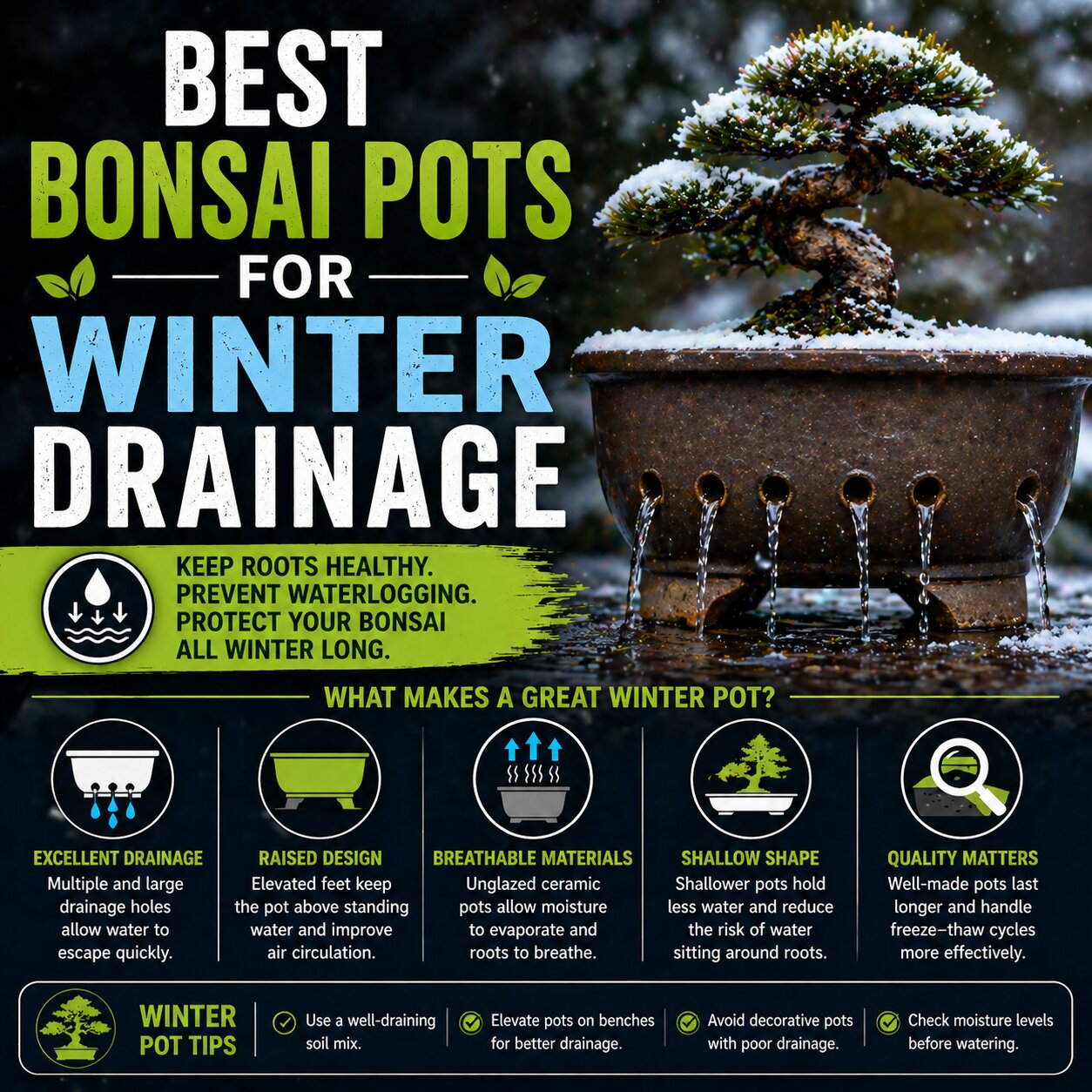
Choosing the right bonsai pots for winter is essential if you want your trees to survive heavy rain, cold temperatures, and poor drainage conditions. Winter can be one of the most dangerous seasons for bonsai, not because of the cold alone, but because of excess moisture sitting in the soil.
The right pot helps prevent waterlogging, protects roots, and ensures your bonsai remains healthy until spring. Understanding how bonsai pots for winter work will give you a major advantage in your seasonal care routine.
Why drainage matters in winter
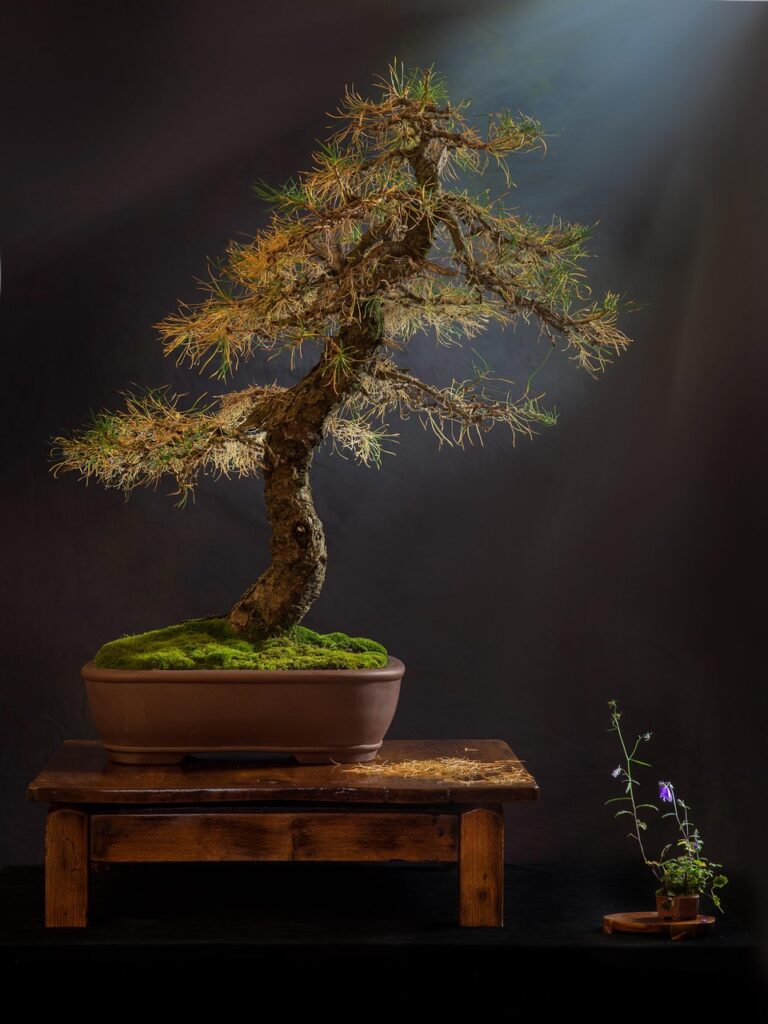
During winter, evaporation slows down significantly. This means water stays in the soil much longer than it would in warmer months. Without proper drainage, roots can suffocate and begin to rot.
This is why selecting the correct bonsai pots for winter is so important. A well-designed pot allows excess water to escape quickly, preventing the soil from becoming overly saturated.
Good drainage also helps regulate temperature around the roots. Waterlogged soil can become colder, increasing the risk of root damage during frost conditions.
Features to look for in bonsai pots for winter
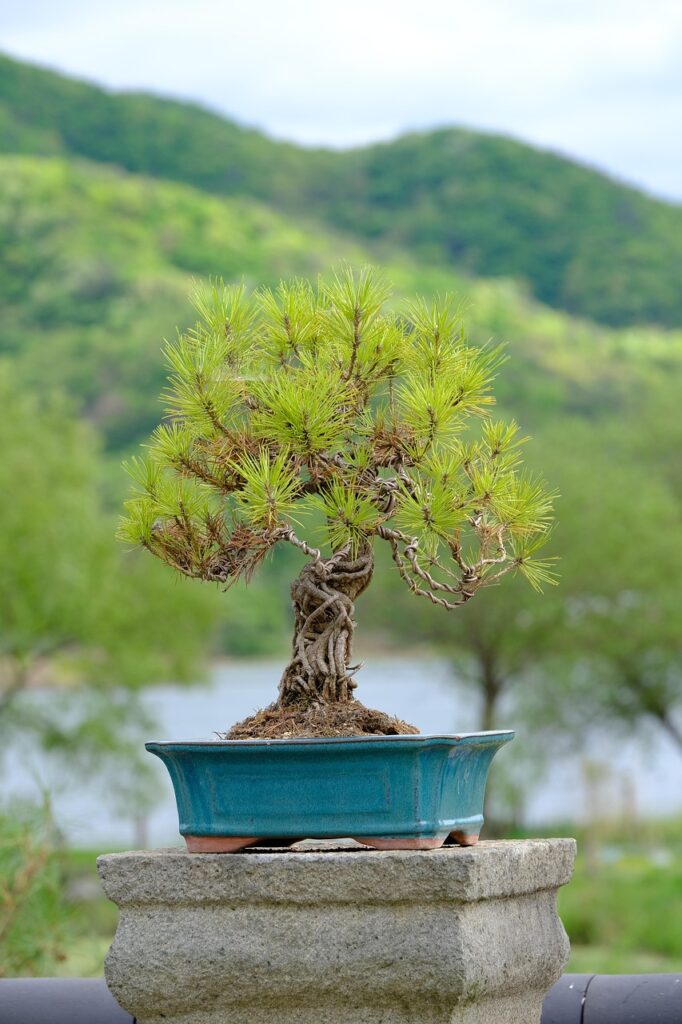
Not all pots are created equal, especially when it comes to winter conditions. The best bonsai pots for winter share a few key features that support drainage and root health.
Look for pots with large or multiple drainage holes. These allow water to exit quickly, reducing the risk of buildup. Pots with raised feet are also beneficial, as they prevent the base from sitting directly in pooled water.
Material plays a role too. Unglazed ceramic pots tend to be more breathable, allowing moisture to escape more easily than fully glazed options. This makes them a strong choice for winter use.
Best types of bonsai pots for winter
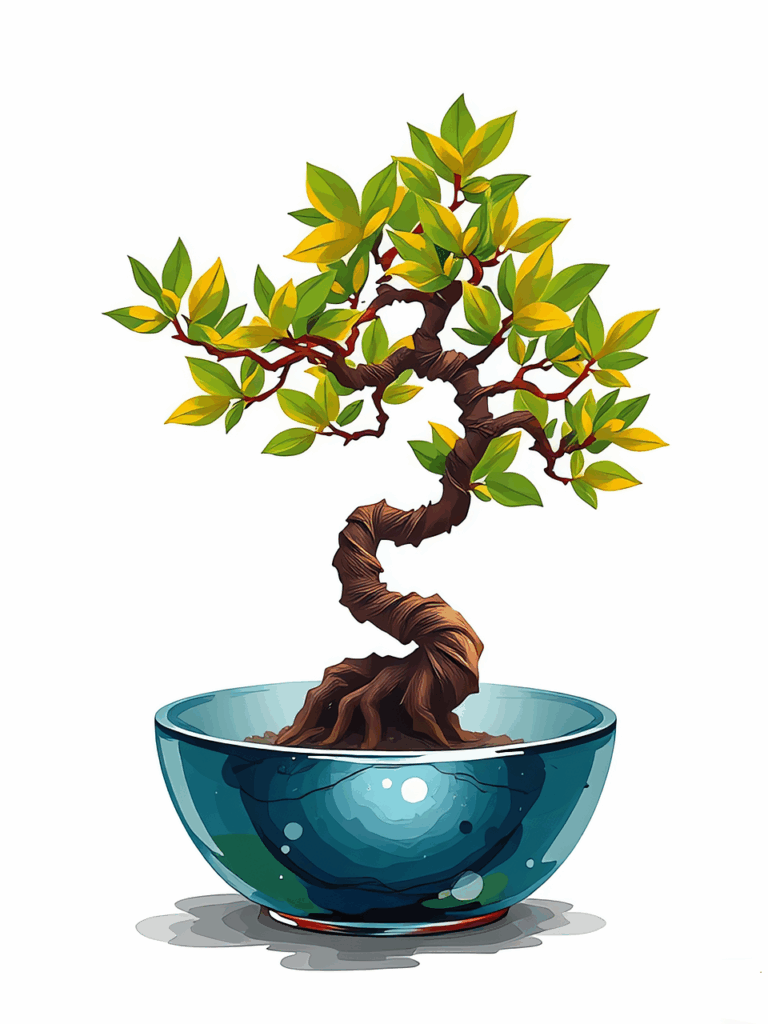
- Pots with multiple large drainage holes
- Raised pots that allow water to flow underneath
- Unglazed ceramic pots for better breathability
- Shallow pots that reduce water retention
- Training pots with excellent drainage systems
These options provide better control over moisture levels, making them ideal bonsai pots for winter conditions.
Common mistakes to avoid
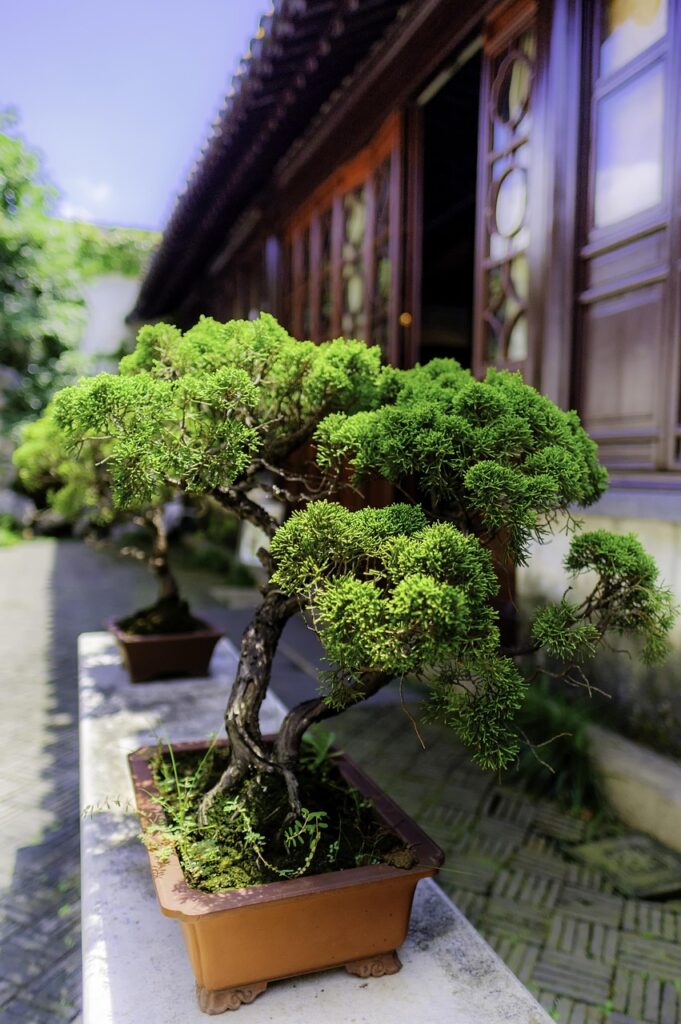
One of the biggest mistakes is using decorative pots with poor drainage. While they may look great, they often trap water and create dangerous conditions for roots during winter.
Another issue is placing pots directly on flat surfaces like tiles or concrete. This blocks drainage holes and prevents water from escaping. Always elevate your bonsai slightly to allow proper runoff.
Overwatering is also a major concern. Even with the best bonsai pots for winter, too much water can still cause problems. Always check soil moisture before watering.
Setting your bonsai up for winter success
Choosing the right bonsai pots for winter is not just about the pot itself. It is about creating an environment where water can move freely and roots can breathe.
Pair your pot choice with well-draining soil and proper placement, such as benches that allow rainwater to pass through. This combination ensures your bonsai remains stable, healthy, and ready for spring growth.
With the right setup, winter becomes less of a threat and more of a resting period that strengthens your bonsai for the seasons ahead.