

When it comes to caring for your trees during colder months, bonsai winter fertilising is one of the most misunderstood aspects of bonsai care. Many beginners assume fertilising should stop completely, while others continue feeding as if it were summer. The truth lies somewhere in between.
Understanding how bonsai winter fertilising works will help you maintain tree health, avoid root damage, and prepare your bonsai for strong growth when spring arrives. Winter is not about rapid growth, it is about preservation and balance.
Should you fertilise bonsai trees in winter
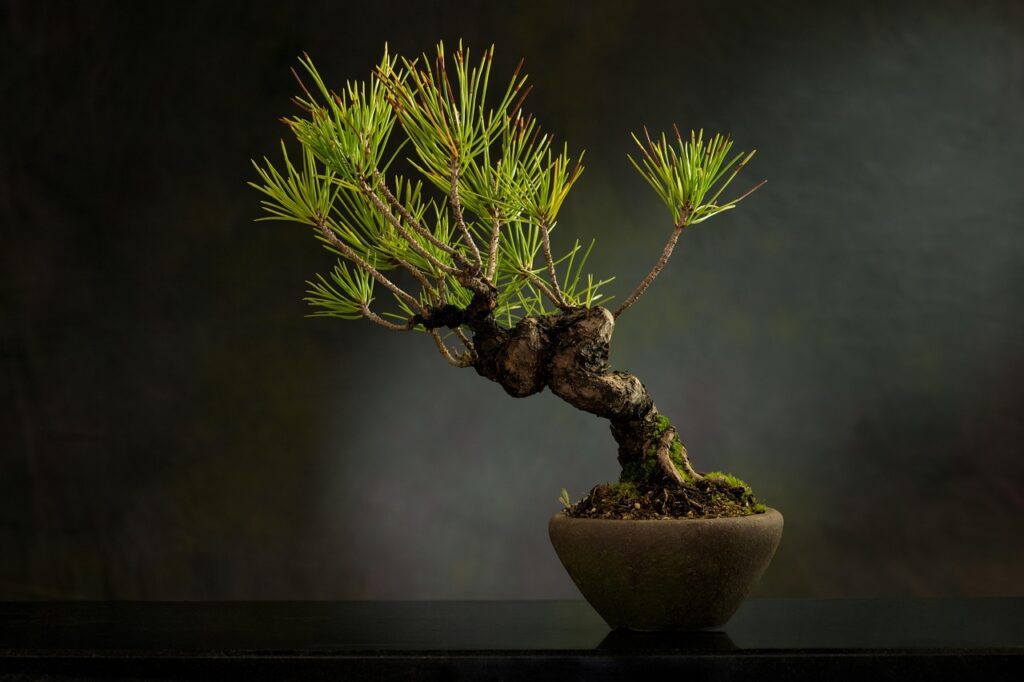
The answer depends largely on the type of bonsai tree you own. Deciduous trees typically enter dormancy during winter, meaning their growth slows down significantly or stops altogether. During this period, bonsai winter fertilising is usually unnecessary, as the tree is not actively absorbing nutrients.
Evergreen species, on the other hand, may continue minimal growth depending on your climate. In these cases, bonsai winter fertilising can still play a role, but it should be done carefully and in reduced amounts. Over-fertilising during winter can lead to salt buildup in the soil and damage the roots.
For indoor bonsai, such as tropical species, fertilising may continue lightly if the tree remains in an active growth environment. However, even here, moderation is key.
How to adjust your fertilising routine
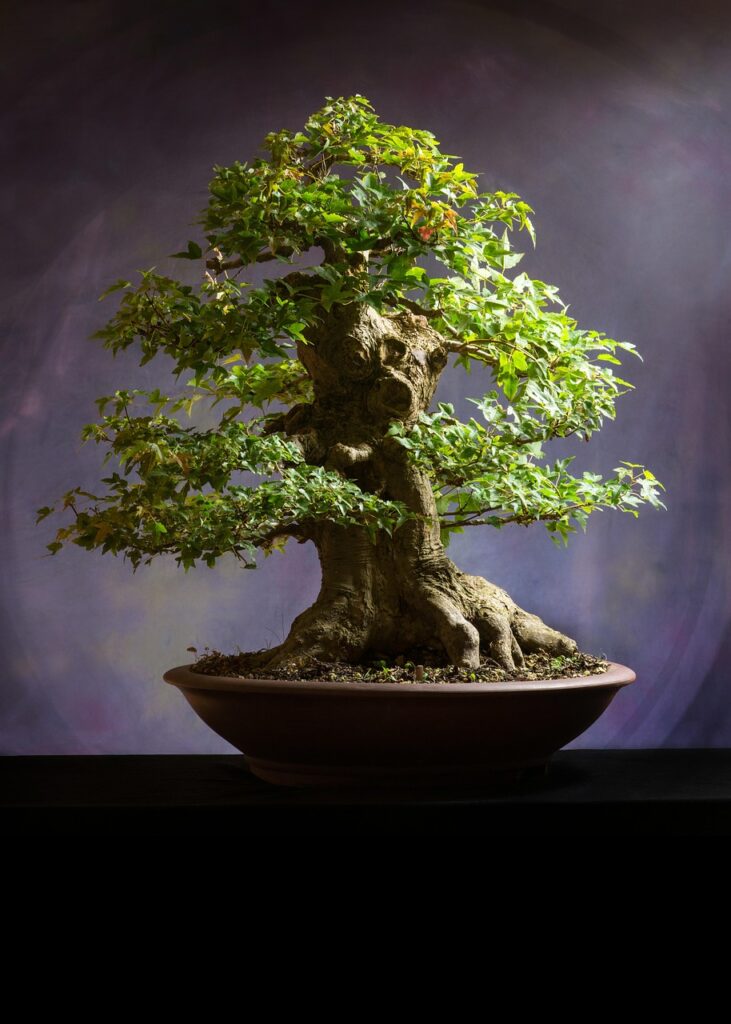
The biggest adjustment in bonsai winter fertilising is reducing frequency and strength. Instead of feeding regularly, you should scale back to occasional applications using a diluted fertiliser mix.
This allows the tree to maintain essential nutrients without encouraging unnecessary growth. Feeding too heavily in winter can weaken the tree, as it cannot properly utilise the nutrients during dormancy.
Timing also matters. It is better to fertilise on slightly warmer days when the soil is not frozen, and the tree can absorb nutrients more effectively. Avoid fertilising during frost periods or when the soil is overly saturated from winter rains.
Best fertilisers to use in winter
- Low-nitrogen fertilisers to avoid stimulating new growth
- Organic fertilisers that release nutrients slowly
- Liquid fertilisers diluted to half strength
- Balanced fertilisers used sparingly for evergreen species
- Avoid strong chemical fertilisers during cold periods
Choosing the right fertiliser is essential for safe and effective bonsai winter fertilising, especially when your tree is in a sensitive dormant state.
Common mistakes to avoid
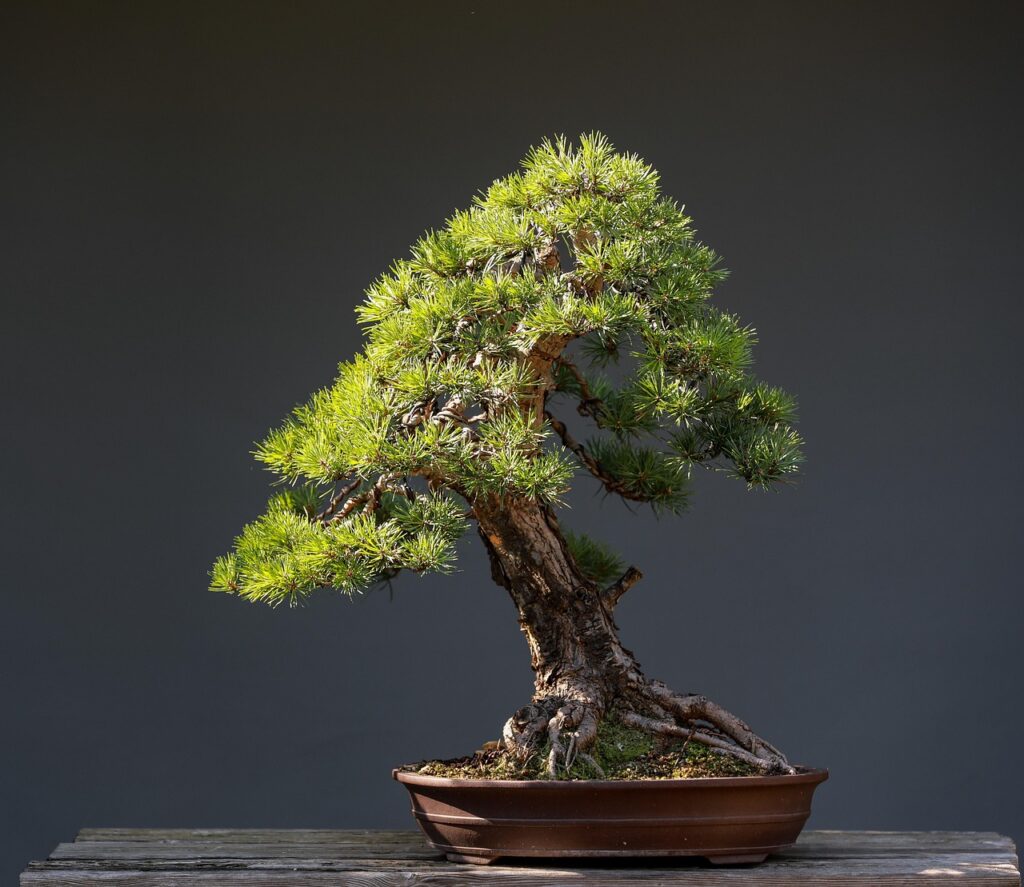
One of the most common errors in bonsai winter fertilising is treating winter like any other season. Overfeeding is a major risk and can lead to root burn or long-term damage.
Another mistake is fertilising frozen or waterlogged soil. In these conditions, nutrients are not absorbed properly and can accumulate in the soil, causing harm instead of benefit.
Lastly, many growers forget to adjust based on species. Not all bonsai trees behave the same in winter, and applying a one-size-fits-all approach can lead to poor results.
Preparing your bonsai for spring
While winter is a quieter period, it plays a crucial role in your tree’s long-term health. Proper bonsai winter fertilising ensures that your tree maintains enough stored energy to burst into growth when temperatures rise again.
Think of winter fertilising as maintenance rather than growth support. By keeping your tree stable and healthy now, you set the foundation for a stronger, more vibrant bonsai in spring.
With the right balance, patience, and understanding, your bonsai will not just survive winter, it will be ready to thrive.