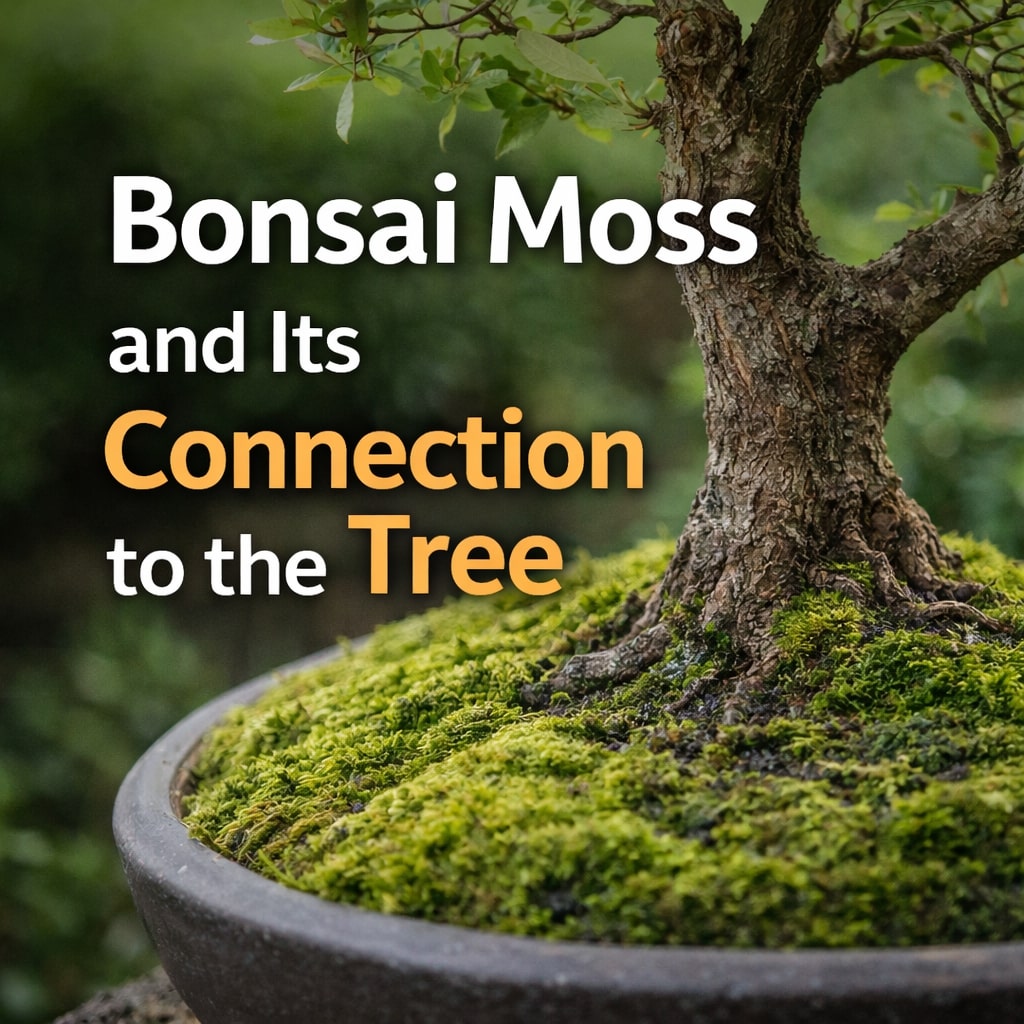
Bonsai moss is often seen as a decorative finishing touch, but its role goes far deeper than aesthetics. In traditional bonsai practice, moss represents age, balance, and harmony, reinforcing the visual and environmental relationship between the tree, the soil, and its container.
This article serves as a general introduction to bonsai moss, focusing on the connection between moss and the tree itself. In future guides, we will explore moss identification, proper care, and specific moss types in more detail. For now, the goal is to understand why moss matters and how it supports the overall bonsai composition.
The symbolic role of bonsai moss
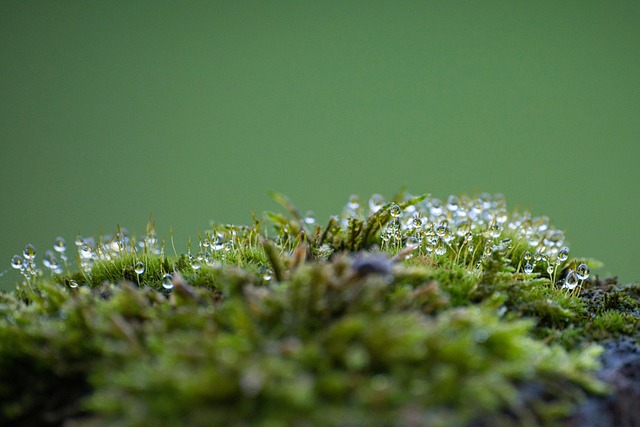
In bonsai, moss visually anchors the tree to its environment. A tree growing from bare, exposed soil can feel incomplete or artificial, while bonsai moss softens the surface and creates the impression of a mature tree growing naturally in the landscape.
This symbolism is important because bonsai is not just about growing a small tree. It is about telling a story. Bonsai moss helps suggest time, stability, and quiet endurance, reinforcing the illusion that the tree has existed in its environment for many years.
How bonsai moss supports the soil environment
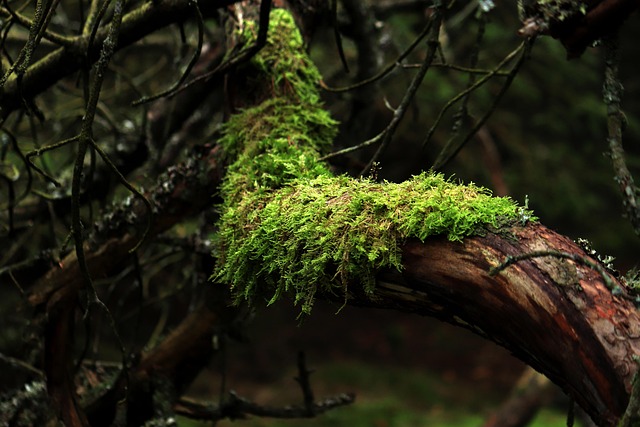
Beyond appearance, bonsai moss plays a practical role in protecting the soil surface. It helps reduce moisture loss by limiting direct evaporation, which can be especially beneficial in shallow bonsai pots where soil dries out quickly.
Bonsai tree moss also acts as a natural barrier against soil erosion during watering. Over time, this helps maintain a stable root environment, supporting consistent growth and reducing stress on the tree.
The relationship between bonsai moss and tree health
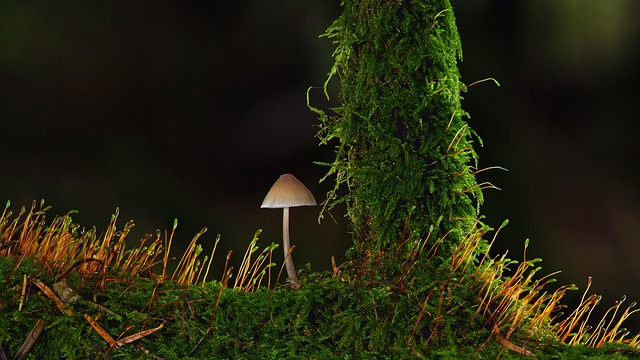
While bonsai tree moss is not essential for a tree’s survival, it often reflects a healthy growing environment. Moss typically thrives in conditions where moisture, airflow, and light are balanced, which are the same conditions most bonsai trees prefer.
When managed correctly, bonsai moss can complement the tree’s growth cycle rather than compete with it. The key is balance. Moss should enhance the presentation and microclimate without overwhelming the soil surface or restricting airflow to the roots.
Moss as part of the overall bonsai composition
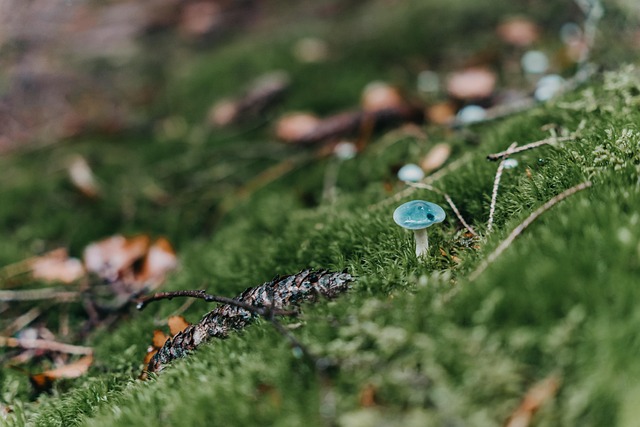
Bonsai tree moss should always be considered part of the composition, not an afterthought. The texture, coverage, and placement of moss influence how the tree is perceived, guiding the viewer’s eye and reinforcing the tree’s character.
Some styles benefit from full moss coverage, while others use moss sparingly to suggest natural patches of growth. Understanding this relationship allows bonsai practitioners to use moss intentionally rather than applying it purely for visual appeal.
A foundation for deeper exploration
This introduction to bonsai moss highlights its role as both a visual and environmental companion to the tree. As with all aspects of bonsai, moss works best when it supports the tree’s story, health, and long-term development.
In future articles, we will explore different moss types, how to identify suitable moss for bonsai use, and proper care techniques to keep moss healthy without harming the tree. For now, understanding the connection between moss and the tree is the first step toward using bonsai moss with purpose and respect.