

Bonsai are often admired as individual living sculptures, but in nature, trees never grow alone. Bonsai tree companions are the plants and living elements that grow alongside a bonsai, helping to create balance, improve growing conditions, and enhance visual harmony.
Rather than distracting from the tree, bonsai tree companions support it. They contribute to soil health, moisture control, biodiversity, and the overall sense of a miniature landscape. For beginners and experienced growers alike, understanding bonsai companions is an important step toward more natural and resilient bonsai displays.
What are bonsai tree companions?
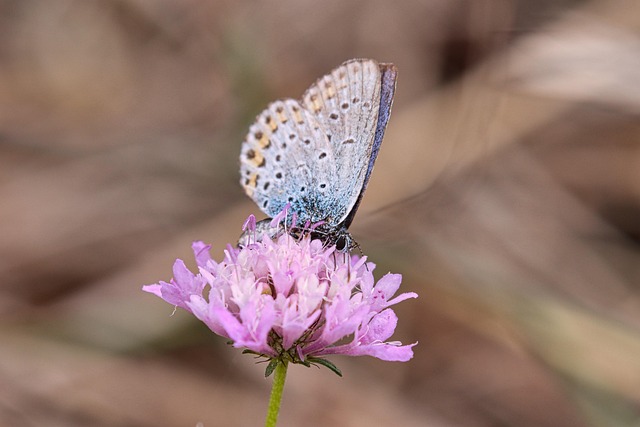
Bonsai companions are plants or organisms that coexist with a bonsai without competing aggressively for space, nutrients, or water. They are chosen for their compatibility, subtle growth habits, and supportive role within the bonsai environment.
Common bonsai tree companions include mosses, small flowering plants, low-growing herbs, and beneficial wildlife such as insects and pollinators. These companions help recreate the feeling of a natural ecosystem rather than a single isolated plant in a pot.
Why bonsai tree companions matter

One of the main benefits of bonsai companions is improved soil stability. Ground covers such as moss help retain moisture, reduce evaporation, and protect surface roots from temperature fluctuations.
Beyond practical benefits, bonsai tree companions add depth and realism to a display. Seasonal flowers introduce change throughout the year, herbs add texture and scent, and wildlife encourages natural balance. Together, these elements transform a bonsai into a living scene rather than a decorative object.
Common types of bonsai tree companions
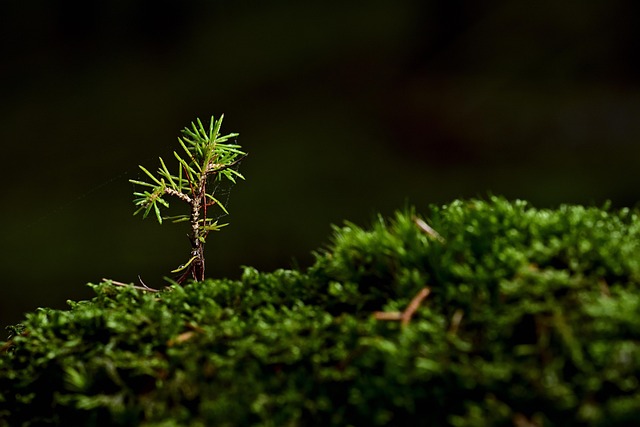
Different bonsai tree companions serve different purposes. Moss is often used as a ground cover to soften the soil surface and improve moisture retention. Flowering plants add colour and seasonal interest when chosen carefully.
Herbs can act as subtle companions when kept trimmed and controlled, while beneficial wildlife such as insects help maintain healthy ecosystems. Each type of companion plays a role, but none should overpower the bonsai itself.
Choosing bonsai companions wisely
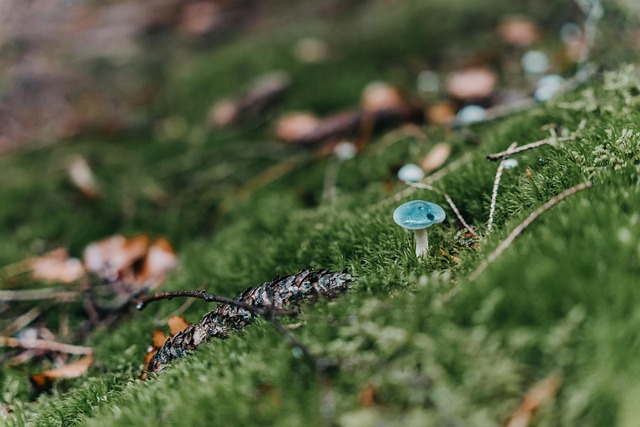
Selecting bonsai companions requires restraint. Companions should remain secondary to the tree, both visually and biologically. Fast-growing or aggressive plants can quickly become problematic if not managed carefully.
Light requirements, watering needs, climate, and container size all influence which companions will thrive. Some bonsai tree companions are better suited to outdoor environments, while others adapt well to indoor or sheltered settings.
Bonsai tree companions and long-term care
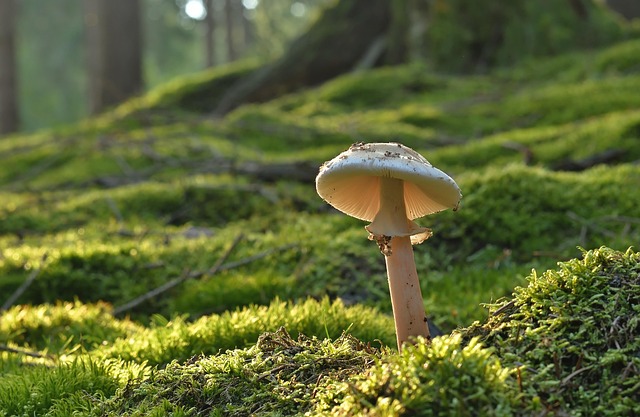
Using bonsai tree companions encourages a more holistic approach to bonsai care. Growers begin to pay attention not only to pruning and shaping, but also to soil life, moisture balance, and seasonal changes.
When managed thoughtfully, companions help create healthier growing conditions and reduce stress on the bonsai. They also encourage observation and patience, which are core principles of bonsai practice.
Exploring bonsai tree companions in more detail
Bonsai tree companions offer a wide range of possibilities, from soft moss carpets to flowering plants, herbs, and beneficial wildlife. Each category deserves its own deeper exploration, including species selection, care techniques, and design considerations.
In future articles, we will explore each type of bonsai companion in detail, helping you understand how to choose, place, and care for them correctly. By building knowledge step by step, you can create bonsai environments that are not only beautiful, but naturally balanced and sustainable.